The proposal that genes favouring efficient fat storage were advantageous during famine and became harmful once food became abundant, explaining the modern prevalence of obesity and type 2 diabetes. It is intuitive, it is widely repeated, and the genetic evidence for it has not materialised.
James Neel published it in 1962. His question was why diabetes, which reduces fertility and survival, should be common if it is substantially heritable, since selection should have removed the alleles responsible.
His answer was that the alleles were once advantageous. In an environment of feast and famine, a metabolism that rapidly stored fat during plenty and released it slowly during shortage would improve survival. The same physiology in an environment of continuous abundance produces obesity and diabetes.
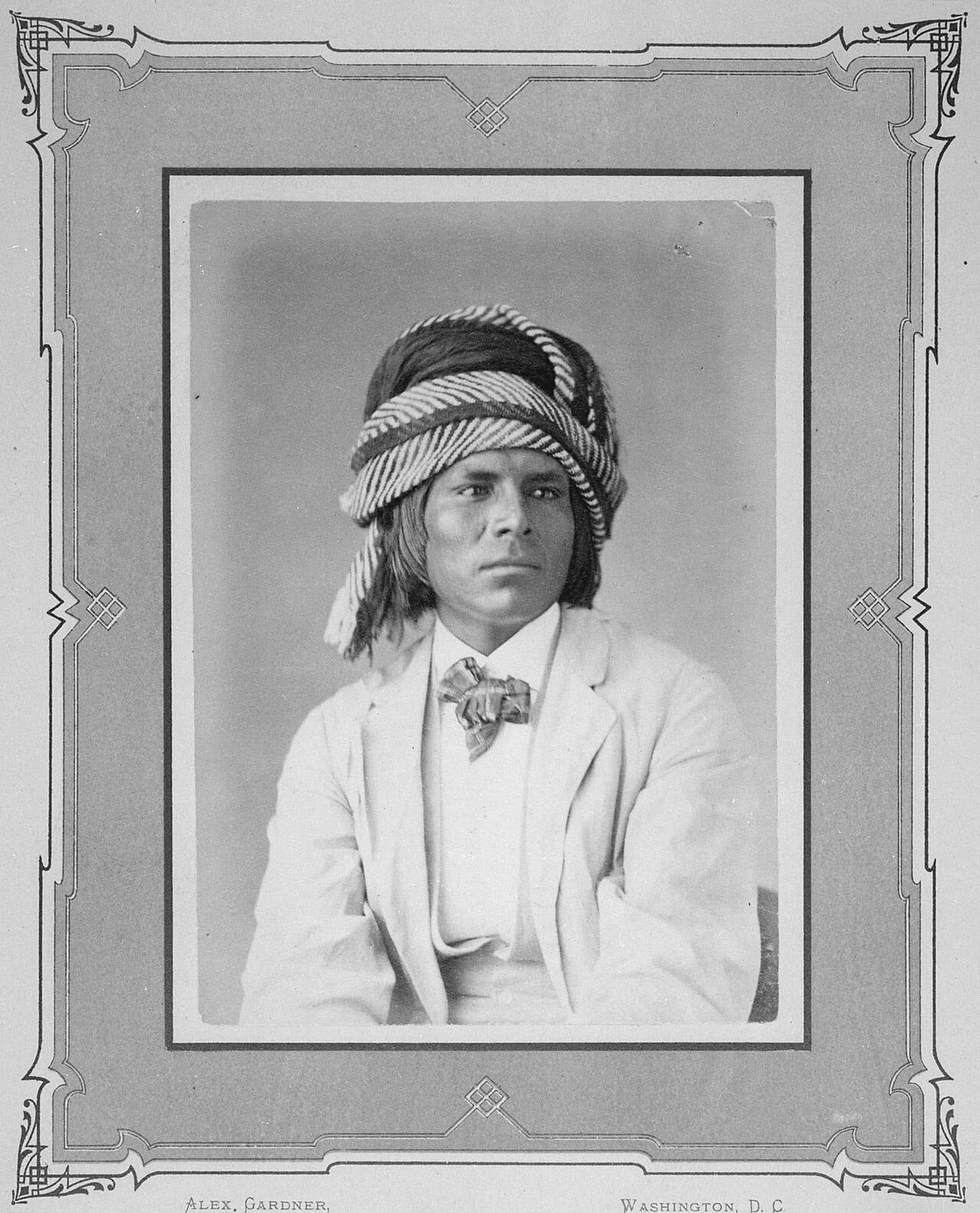
The observations that motivated it were striking. The Pima of Arizona have among the highest recorded rates of type 2 diabetes in the world, while the closely related Pima of Sierra Madre in Mexico, living a physically demanding agricultural life, have far lower rates. Nauru, after phosphate wealth transformed its diet within a generation, developed one of the highest diabetes prevalences ever recorded.

Populations undergoing rapid dietary transition consistently show worse metabolic outcomes than populations that industrialised gradually, which is the pattern the hypothesis was built to explain.
The hypothesis makes a genetic prediction, and genetics has been able to test it since around 2007.
Genome-wide association studies covering millions of people have identified hundreds of variants associated with body mass index and with type 2 diabetes. If thrifty alleles had been under strong positive selection during famines and then became harmful, they should carry signatures of recent selection. Most do not. The variants found are mostly ancient, common across populations, and show no evidence of the selective sweeps the hypothesis predicts.
The effect sizes are also wrong for the story. The strongest common obesity variant, in FTO, accounts for around a kilogram of body weight, and the hundreds of known variants together explain only a modest fraction of heritability. There is no small set of powerful thrifty alleles to find.
John Speakman has pressed the strongest theoretical objection. Famines in human history were relatively infrequent, killed largely through infectious disease rather than starvation, and fell heavily on the very young and very old, who contribute least to selection. He calculates that the selective pressure available is far too weak to have driven the effect in the time available.
Speakman's alternative, the drifty gene hypothesis, proposes that predation release, once humans controlled fire and lived in social groups, removed the selection that had previously kept upper body weight in check. Variation in the upper limit then drifted randomly rather than being selected for, which explains why obesity susceptibility varies so much between individuals without requiring an adaptive story.
The population differences that motivated the hypothesis are real and require an explanation, and better candidates now exist.
Developmental programming, the thrifty phenotype hypothesis proposed by David Barker and Nicholas Hales in 1992, holds that the relevant adjustment is made during gestation rather than inherited. A fetus undernourished in the womb develops a metabolism suited to scarcity, which becomes a liability if the adult environment is rich. This predicts the same population patterns and has substantial supporting evidence, including follow-up of people conceived during the Dutch famine of 1944, who showed elevated metabolic disease decades later.
Rapid transition itself is the other explanation. Populations moving quickly from physically demanding subsistence to sedentary life with processed food experience the change within a lifetime rather than over generations, with no time for behavioural or social adjustment. The comparison between Arizona and Mexican Pima is consistent with this without any genetic difference being invoked.
The thrifty gene hypothesis is classified as a hypothesis rather than as debunked because the general proposition, that human metabolism was shaped by past conditions and is mismatched to present ones, is almost certainly correct and is supported by the developmental evidence.
What has not been supported is the specific genetic mechanism: identifiable alleles, selected during famine, causing modern disease. That version has had fifteen years of well-powered testing and has not been confirmed.
The distinction has practical weight. A genetic account implies fixed susceptibility and locates the problem inside individuals and populations. A developmental and environmental account implicates maternal nutrition, food systems and the pace of change, which are alterable. The hypothesis has been used in public discussion to explain away population differences in obesity as innate, and the evidence does not support that use.