The claim that industrial food processing itself, rather than the nutrient content of the resulting food, causes harm. The association with poor health outcomes is strong and consistent. Whether processing is the cause, and whether the classification used to define it is fit for purpose, are both disputed.
The NOVA system, developed by Carlos Monteiro and colleagues in Brazil, sorts foods by the extent and purpose of processing rather than by nutrients.
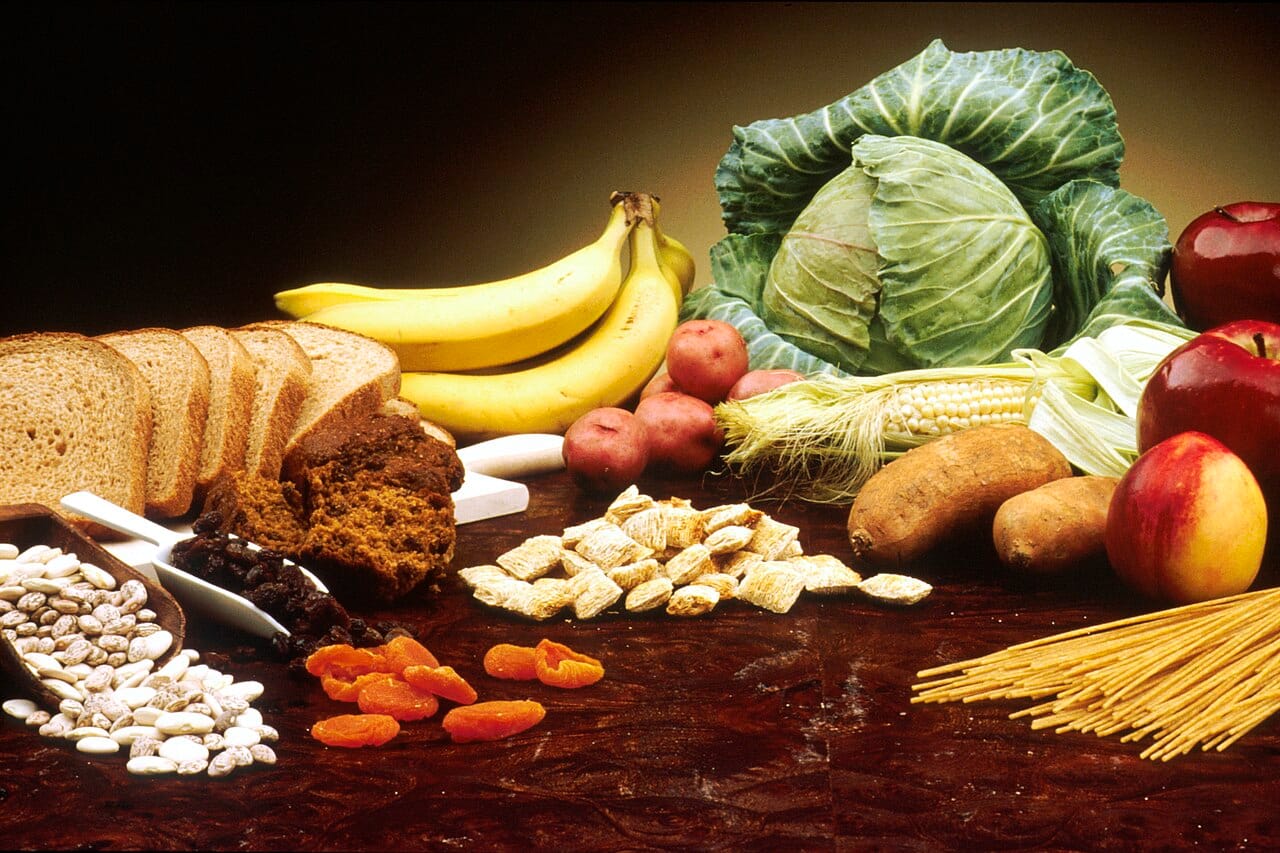
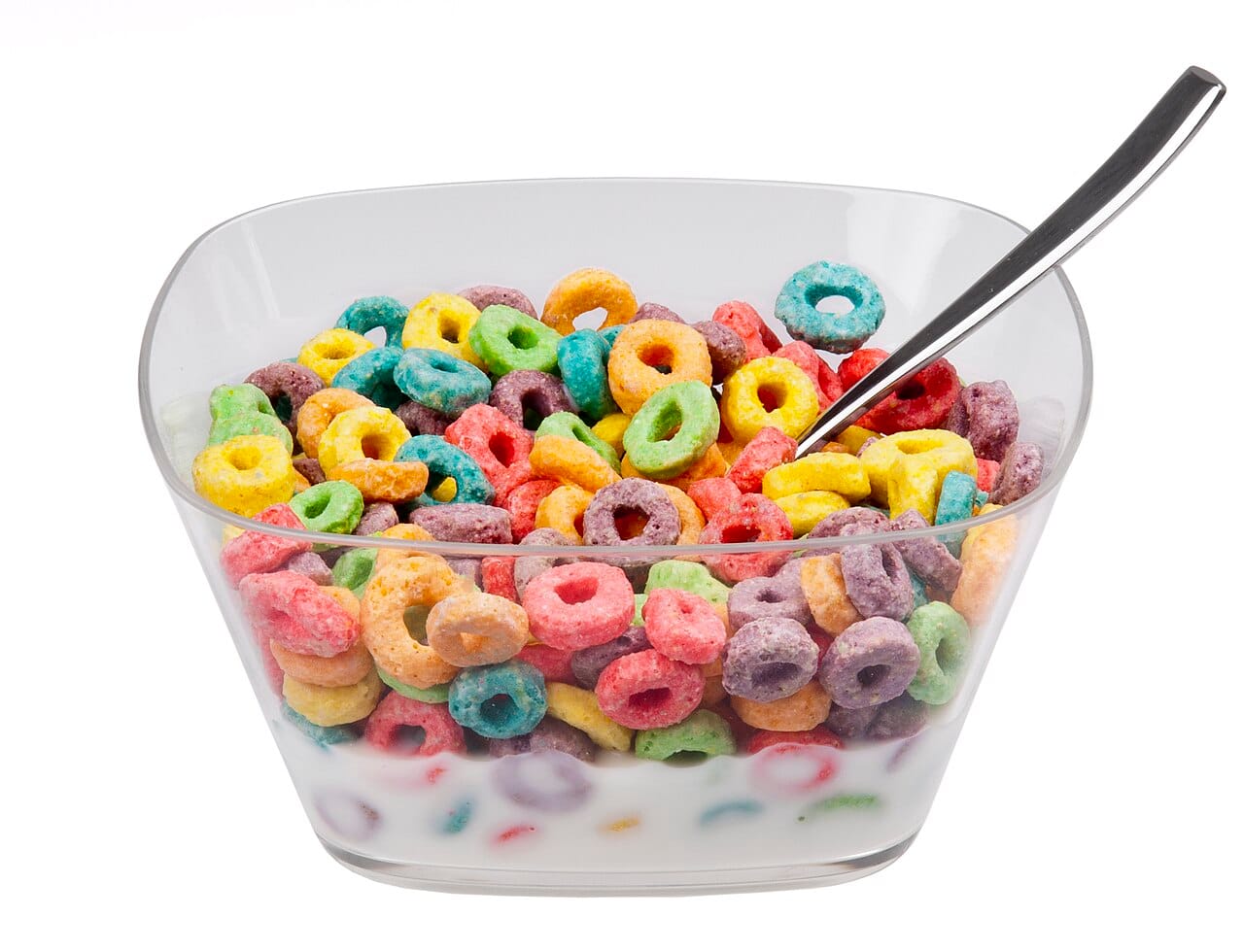
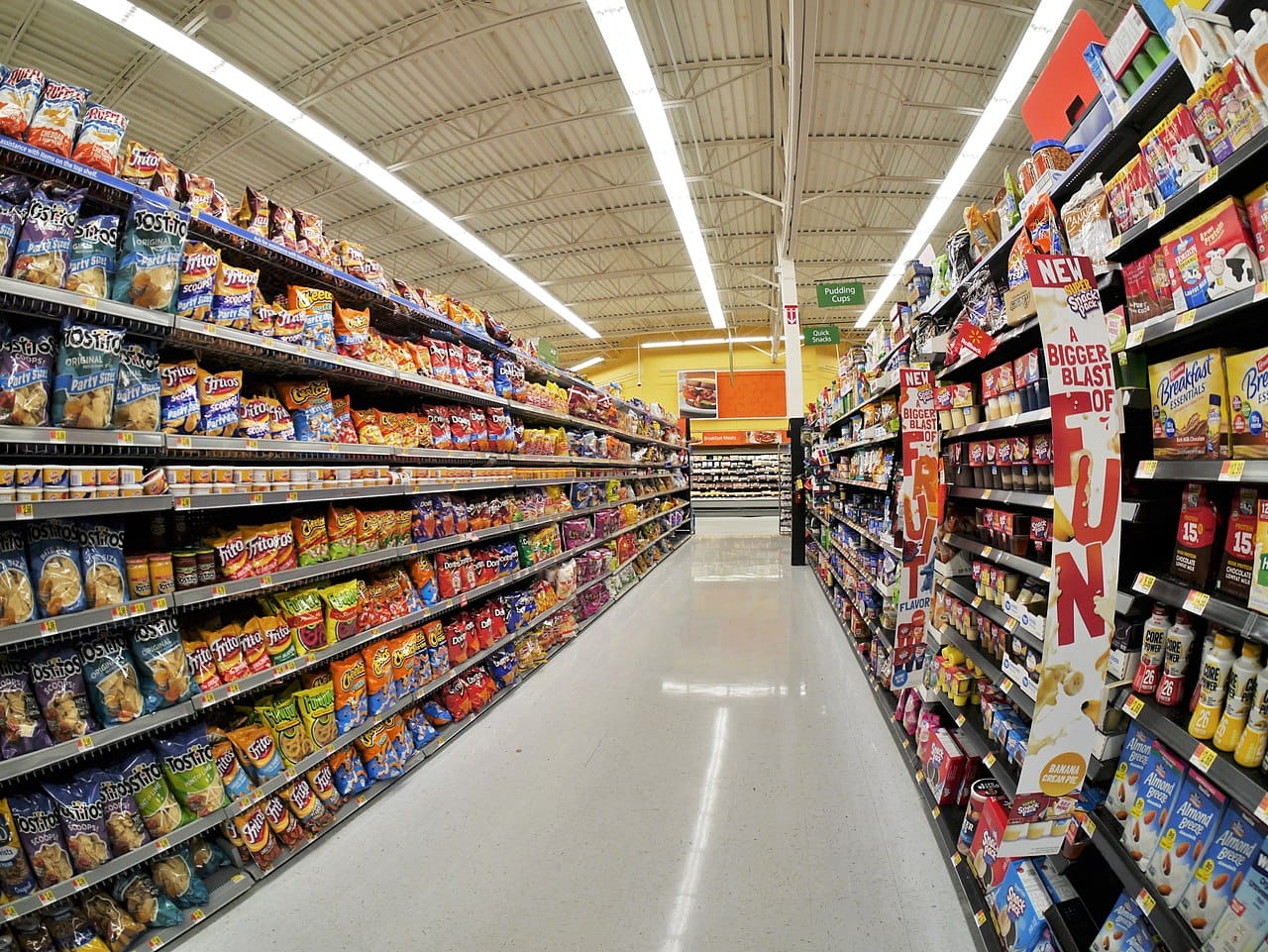
Group one is unprocessed or minimally processed food. Group two is culinary ingredients such as oils, sugar and salt. Group three is processed food, made by combining the first two, such as bread, cheese and tinned vegetables. Group four is ultra-processed food: industrial formulations made largely from substances extracted from foods, typically containing additives with no culinary use.

The intent was to capture something nutrient profiling misses. A food can be low in fat and salt and still be an industrial formulation designed for palatability and shelf life, and the classification was built to name that.
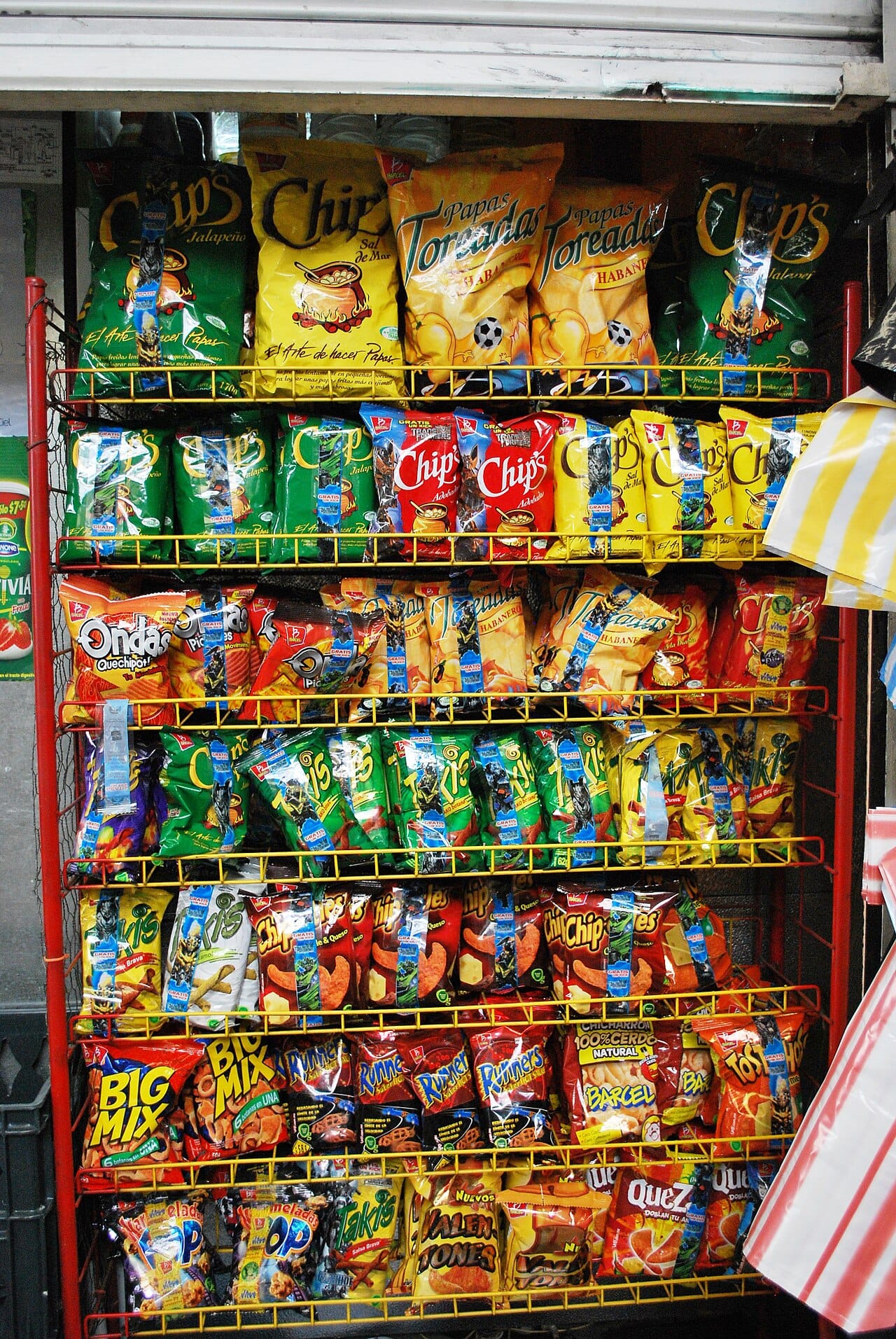
Ultra-processed foods now supply more than half of dietary energy in several high-income countries.
Large cohort studies consistently associate higher ultra-processed food intake with obesity, type 2 diabetes, cardiovascular disease, some cancers and all-cause mortality.
The associations are strong, they appear across many countries and cohorts, and they generally survive adjustment for overall diet quality, energy intake and socioeconomic position, which is more than can be said for many nutritional associations.
The limitation is the one that applies to all nutritional epidemiology. People who eat this way differ from those who do not in many measured and unmeasured ways, dietary recall is imprecise, and adjustment cannot fully remove confounding.
The most important experimental result is a controlled feeding trial conducted by Kevin Hall and colleagues in 2019, in which participants lived in a research facility and were given ultra-processed or minimally processed diets matched for calories presented, sugar, fat, fibre and sodium, and could eat as much as they wanted.
Participants ate around five hundred calories more per day on the ultra-processed diet and gained weight. This is the strongest single piece of evidence that something about the food, not merely who eats it, drives intake.
Subsequent trials have been read as strengthening the causal case. A crossover trial published in Nature Medicine in 2025 compared ultra-processed and minimally processed diets that both followed healthy dietary guidelines and reported differences in weight and cardiometabolic measures.
The counter-argument is about interpretation rather than about the data. A systematic review of randomised trials of ultra-processed food reduction found no significant effect in thirty of the forty two outcomes examined, across a small number of trials and a few hundred participants.
More pointedly, critics note that in every trial the comparison diets differ in many respects at once, including energy density, fibre, texture and how quickly they can be eaten, so processing as such is never isolated. A 2026 analysis argued that reporting in this literature has consistently emphasised results consistent with harm while giving less prominence to neutral or contrary findings, including favourable clinical markers and better adherence in some ultra-processed conditions.
NOVA groups foods that differ enormously. Wholemeal supermarket bread, flavoured yoghurt, infant formula and cola all fall into group four. Several of these have quite different nutritional profiles and quite different evidence attached to them.
Attempts to apply the classification independently have found that trained coders disagree about which group a given product belongs in, which is a problem for a system intended to guide regulation.
Defenders answer that heterogeneity within a category does not invalidate it if the category still predicts outcomes, and that the alternative, nutrient profiling, has its own well-documented failures.
Some countries, including Brazil, have incorporated the classification into dietary guidelines. Others have declined, citing the evidence as insufficient to justify a processing-based rule.
Almost everyone in the debate agrees on several points, and they are worth separating from the dispute.
Diets high in these foods are associated with worse outcomes. Reducing consumption of sugary drinks, confectionery and salty snacks is beneficial, and no one disputes it. Energy density and palatability plausibly drive overconsumption. And the food industry has a commercial interest in the outcome, which is a reason for care in reading industry-funded work in either direction.
If processing itself is harmful, then policy should target it directly, through labelling, marketing restrictions and taxation defined by processing rather than by nutrients. If the harm runs through energy density, palatability and nutrient profile, then a processing-based rule will catch foods that are not harmful and miss ones that are.
That is a live regulatory question in several countries now, being decided on evidence that the people generating it do not agree about.