The claim that eating breakfast is necessary for health and weight control, and that skipping it causes weight gain. The phrase was popularised by cereal advertising, the observational evidence behind it is confounded, and the randomised trials find no effect on weight.
The idea that breakfast is uniquely important is not ancient. Medieval European writing generally treated eating early as an indulgence, and one or two meals a day was ordinary.
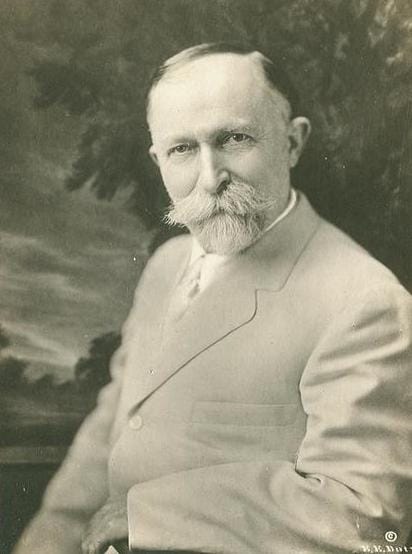
The modern version arrives with the cereal industry. John Harvey Kellogg's sanitarium promoted cereal as a health food, and the phrase itself was circulated in advertising through the twentieth century. General Foods ran campaigns using it directly from the 1940s. This does not make the claim false, but it does explain how it became common knowledge without a body of research behind it.
Cohort studies consistently find breakfast eaters are leaner and healthier than skippers. That association is real and is the source of most of the confidence in the advice.

The difficulty is that breakfast eating travels with a great deal else. People who eat breakfast smoke less, drink less, exercise more, sleep more regularly and are wealthier. Shift workers, who have worse health outcomes for reasons unrelated to breakfast, skip it more often. People trying to lose weight skip meals, which reverses the direction of the arrow.
Statistical adjustment cannot fix this reliably, because the confounders are numerous, measured badly, and correlated with each other.
Randomised trials assign people to eat or skip breakfast, which removes the confounding.
The Bath Breakfast Project, published from 2014, randomised adults to breakfast or extended fasting for six weeks with detailed measurement of energy expenditure and intake. Breakfast eaters consumed more energy overall, and increased their physical activity in the morning, with the two roughly cancelling. There was no difference in weight.
Emily Dhurandhar and colleagues randomised over 300 people in 2014 and found that breakfast recommendation had no effect on weight loss regardless of whether people habitually ate it.
A 2019 systematic review in the BMJ by Katherine Sievert and colleagues covering 13 randomised trials concluded that adding breakfast is not a good strategy for weight loss, and that breakfast eaters consumed more total energy per day than skippers.
The compensation claim, that skipping breakfast leads to overeating later that more than makes up for it, is the specific mechanism usually offered and it is not supported. People do eat somewhat more later, but not enough to exceed the meal skipped.
Two areas have better evidence and are worth separating from the weight claim.
Children and adolescents show more consistent benefits, particularly in attention and performance on morning cognitive tasks, and school breakfast programmes have measurable effects on attendance and results. Some of that effect is nutritional and some is that a hungry child does not learn, and in low income settings the programme may be the only reliable meal.
Meal timing has a growing literature independent of whether the first meal is called breakfast. Eating earlier in the day appears to suit human circadian metabolism better than eating late, and several trials of time-restricted eating that shift intake earlier show metabolic benefits. This supports eating earlier, which is not the same claim as breakfast being obligatory.
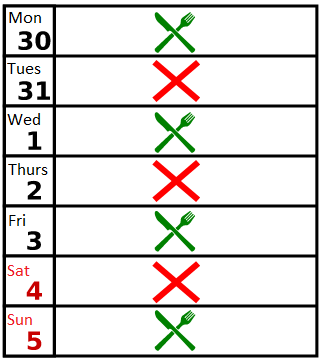
For adults, whether to eat breakfast is a preference with no demonstrated effect on weight. Someone who is hungry in the morning should eat; someone who is not is under no obligation, and skipping it does not cause weight gain.
The nutritional quality of what is eaten matters far more than whether it is eaten before nine in the morning, and much of what is marketed as breakfast, on the strength of the claim this capsule concerns, is confectionery.