That reducing salt lowers blood pressure is established. Whether population-wide salt reduction reduces deaths, and how low is low enough, is one of the longest running disagreements in nutrition, and it has been unusually bitter.

Reducing sodium intake lowers blood pressure. This is measured in controlled trials, is dose-dependent, and is larger in people who already have high blood pressure, in older people, and in some populations more than others.
The DASH-Sodium trial, published in 2001, fed participants controlled diets at three sodium levels and found blood pressure falling at each step down. Cochrane reviews of many trials find average reductions of a few millimetres of mercury in people with normal blood pressure and several times that in people with hypertension.
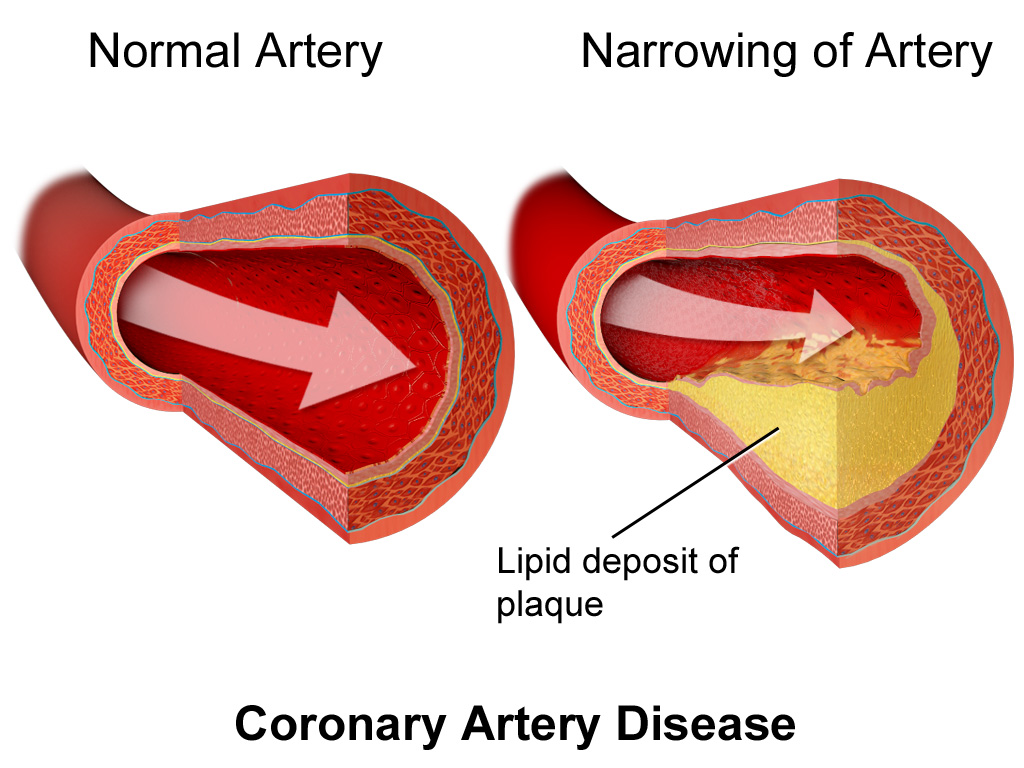
Blood pressure is itself causally linked to stroke and heart disease, which is not in dispute. The intermediate steps of the argument are therefore solid.

The disputed step is whether reducing salt across a whole population reduces deaths, and by how much.
No large randomised trial has ever tested salt reduction against death as an endpoint in a general population, for the same reasons that make long-term diet trials impractical. The claimed mortality benefit is modelled from the blood pressure effect rather than measured.
The largest relevant trial is recent. The Salt Substitute and Stroke Study, published in 2021, randomised around 21,000 people in rural China, most with a history of stroke, to potassium-enriched salt substitute or ordinary salt. Stroke and death both fell significantly. This is the strongest direct evidence available, and it comes from a high-risk population with very high baseline sodium intake, using a substitute that adds potassium as well as removing sodium, so how far it generalises is genuinely arguable.
Several large observational studies, principally the PURE study published from 2014 covering over 100,000 people across 18 countries, report that cardiovascular risk is lowest at moderate sodium intake and rises at both low and high ends.
If correct, this would mean that reducing intake below a moderate level is harmful, which contradicts guidelines recommending levels below what most people consume.
The finding is contested on method. PURE estimated intake from a single morning urine sample with a formula, which critics argue misestimates intake, particularly at the extremes. Reverse causation is the other objection: people who are already ill eat less of everything, which places sick people in the low-sodium group. Defenders reply that the pattern persists after excluding early events and appears across multiple cohorts.
This is not resolved, and it is the crux. Almost every practical disagreement about targets follows from whether the J-curve is real.
People differ substantially in how much their blood pressure responds to sodium. Salt sensitivity is more common in older people, in people who are already hypertensive, in people with reduced kidney function, in people with diabetes, and in some ancestral groups more than others.
This means population averages conceal a wide range: for some individuals sodium reduction produces a substantial fall, and for others almost nothing. There is no cheap clinical test to identify which, which is one reason population-wide advice was preferred over targeting.

In most developed countries roughly three quarters of sodium intake comes from processed and restaurant food rather than from a salt cellar. Advice directed at individuals therefore has limited reach, and reformulation by manufacturers has been the more effective lever where it has been tried.
The United Kingdom's voluntary reformulation programme from 2003 reduced average intake measurably, and blood pressure fell over the same period, though other changes occurred at the same time and the attribution is not clean.
The mainstream guideline position, that most people consume more sodium than is optimal and that reducing intake is worthwhile, rests on solid evidence for blood pressure and modelled evidence for outcomes.
The dissenting position, that the mortality benefit at population level is unproven and that very low intakes may carry risk, rests on the absence of trial evidence for the endpoint that matters and on the observational J-curve.
Both positions are held by competent researchers reading the same literature, and the argument has produced accusations of bias in both directions. The honest summary is that the intermediate step is proven, the final step is not, and the strongest direct evidence, from the 2021 salt substitute trial, favours reduction in high-risk groups.