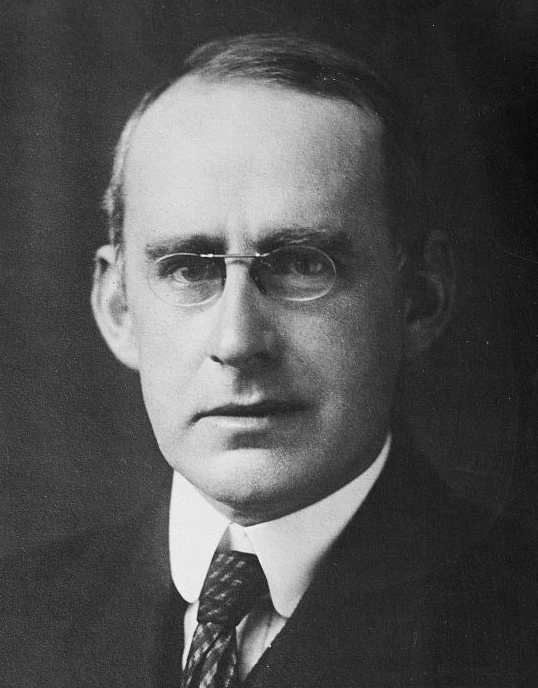
The Bending of Starlight
The bending of starlight is the deflection of light by gravity, predicted by Einstein's general theory of relativity and confirmed during a solar…
Matching your filter
The bending of starlight is the deflection of light by gravity, predicted by Einstein's general theory of relativity and confirmed during a solar…
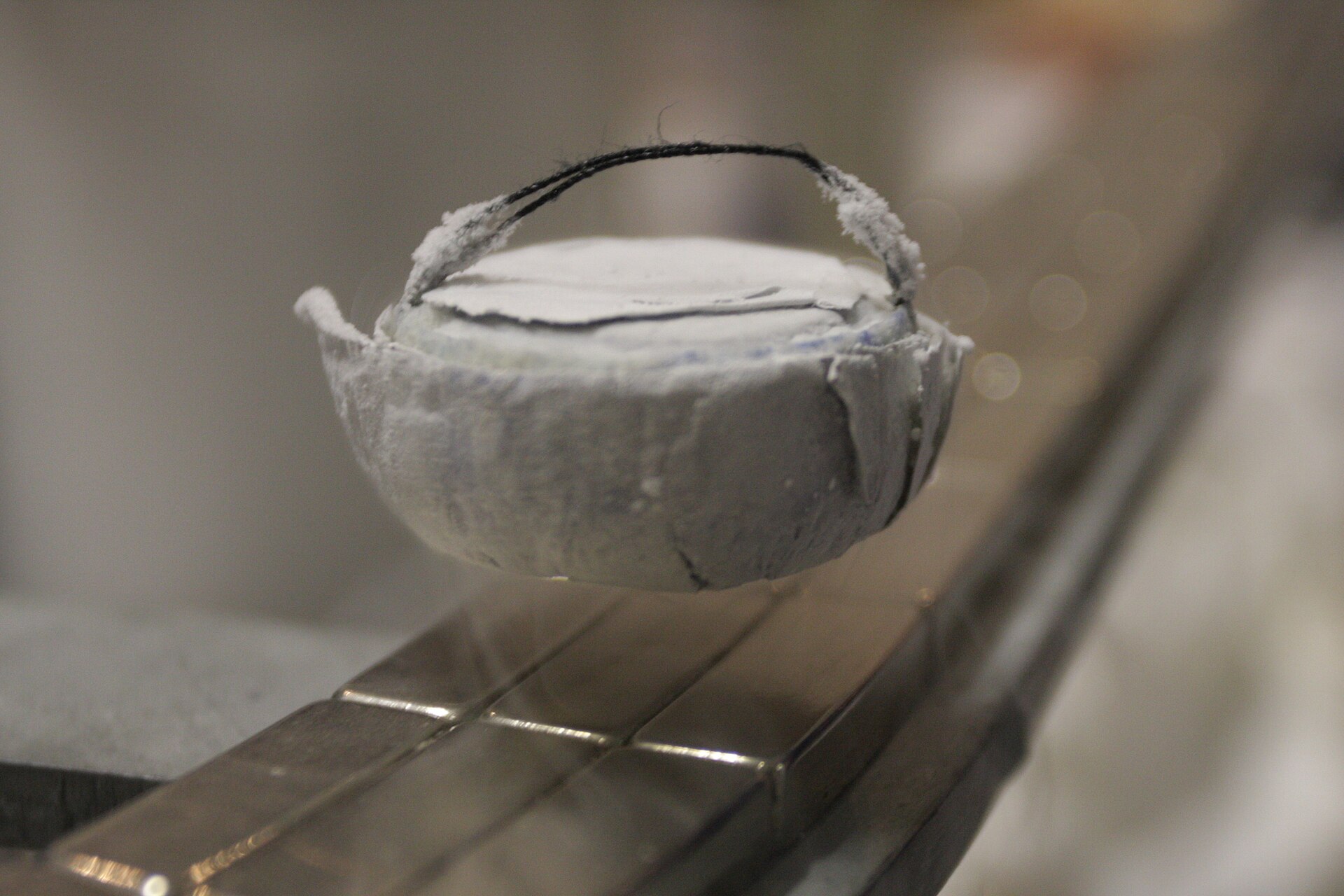
Superconductivity is a remarkable state in which certain materials, when cooled below a critical temperature, conduct electricity with absolutely no…
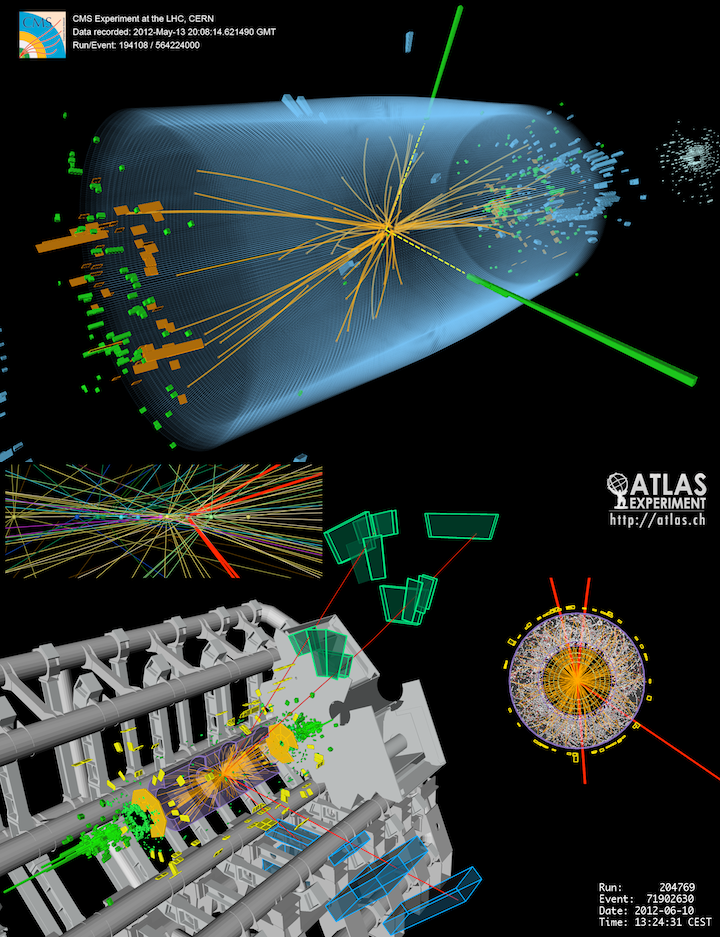
The Higgs boson is a fundamental particle whose discovery in 2012 confirmed how other particles acquire mass. Long predicted but famously hard to…
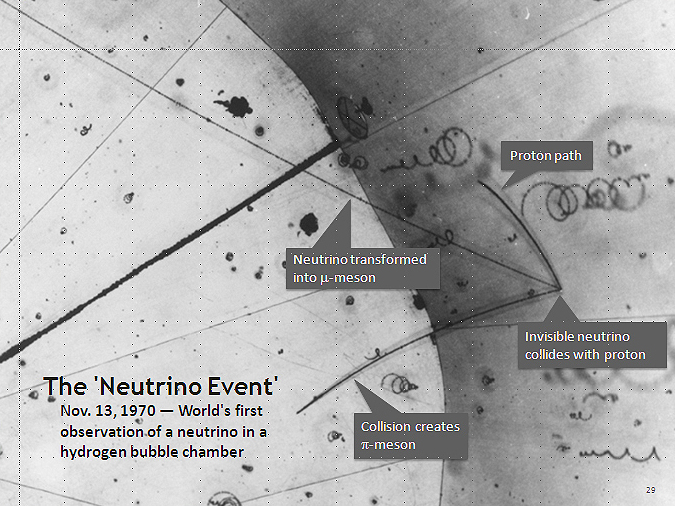
The neutrino is a tiny, almost massless subatomic particle that barely interacts with anything, streaming through matter, and through us, in…
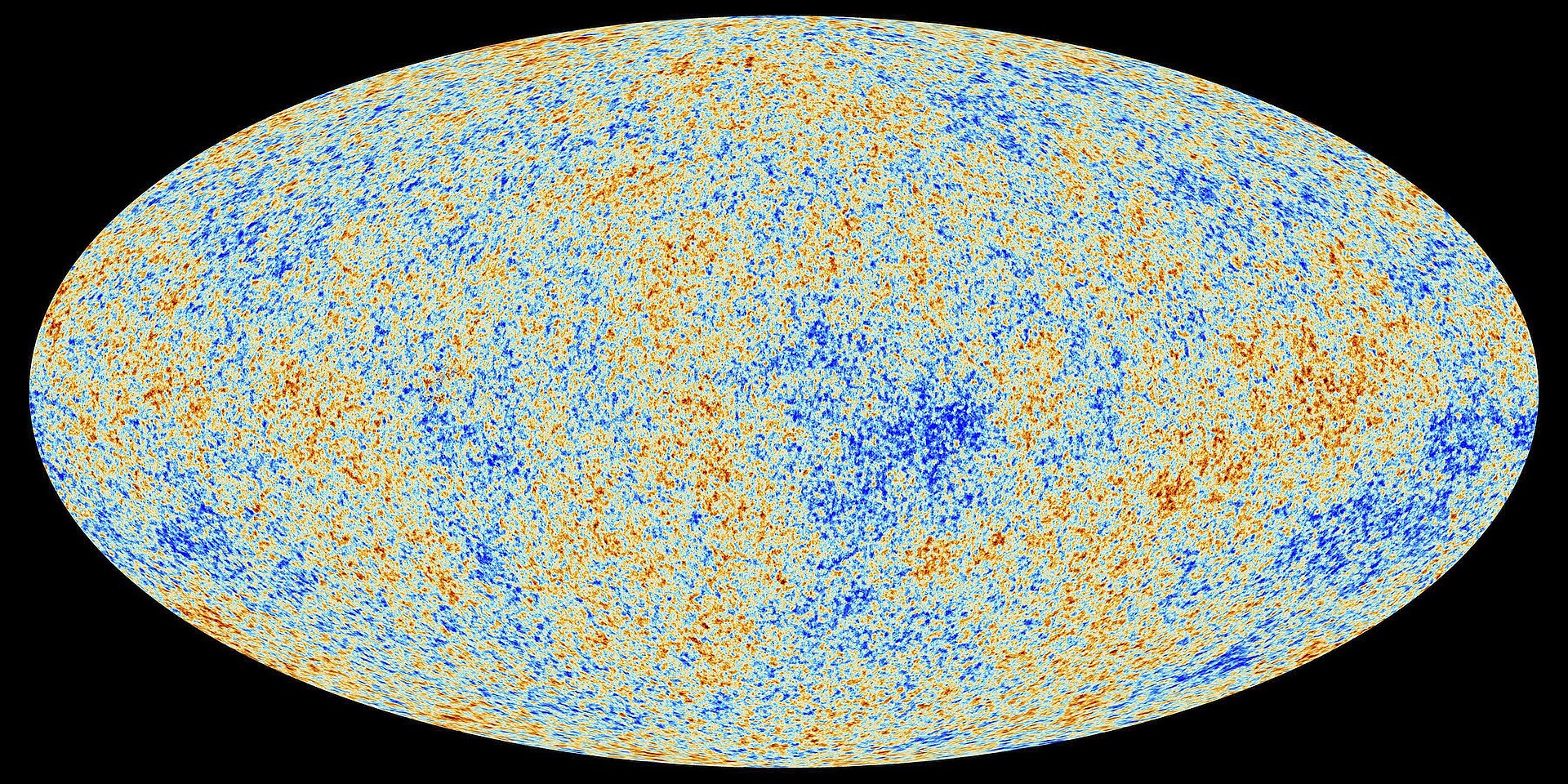
The cosmic microwave background is a faint glow of microwave radiation that fills all of space, the leftover heat from the early universe. Its…
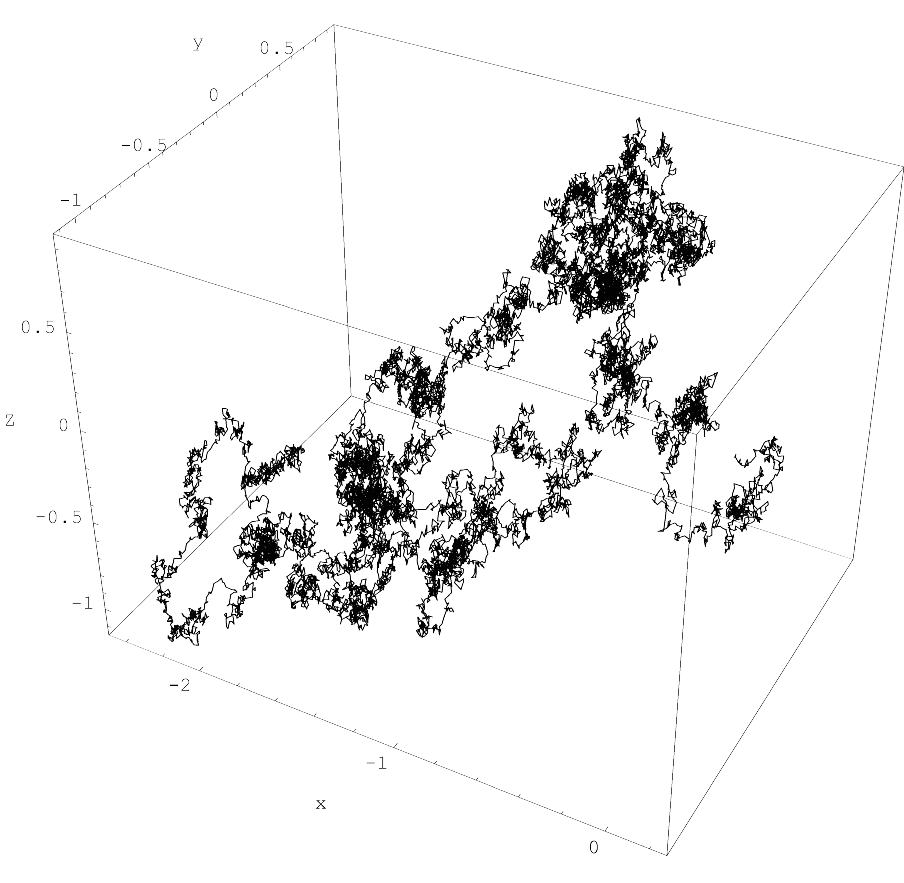
Brownian motion is the random, jittery movement of tiny particles suspended in a fluid, caused by their constant bombardment by the fluid's…
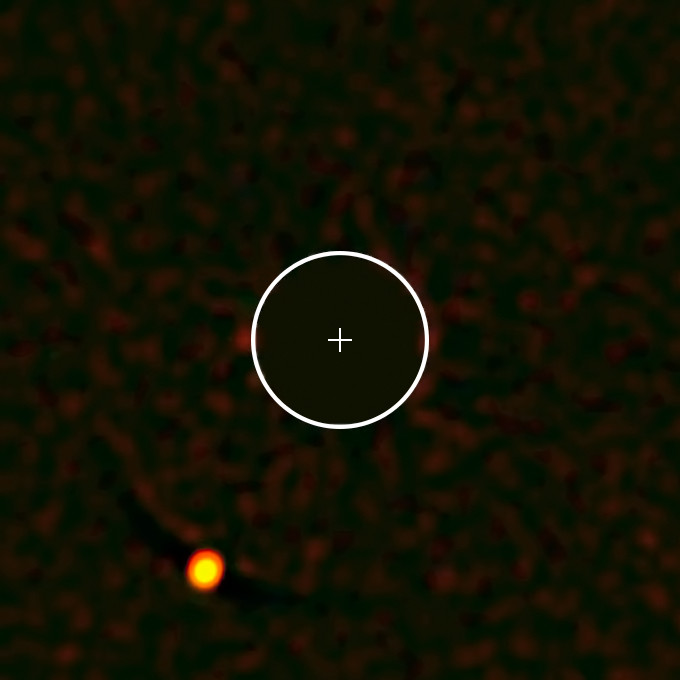
Exoplanets are planets that orbit stars other than our Sun. For centuries their existence was only speculation; today thousands have been confirmed,…
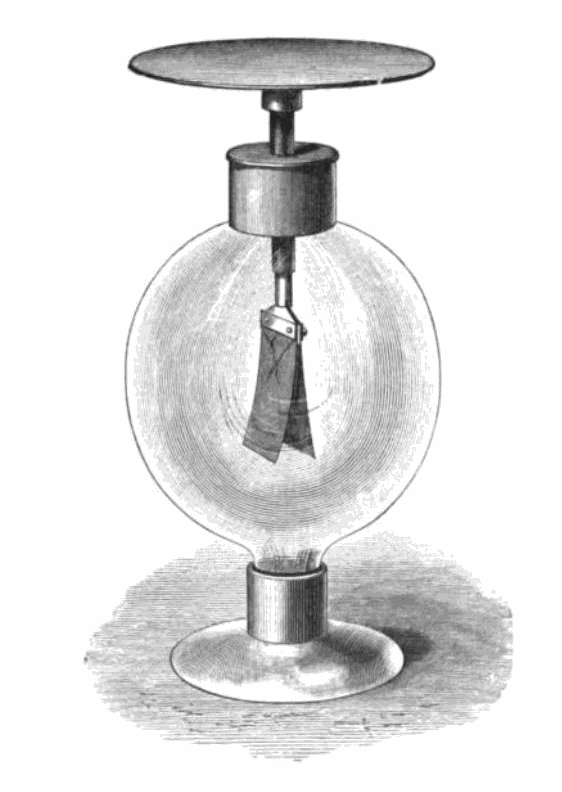
The photoelectric effect is the release of electrons from a material when light shines on it. Simple to observe yet impossible to explain with older…
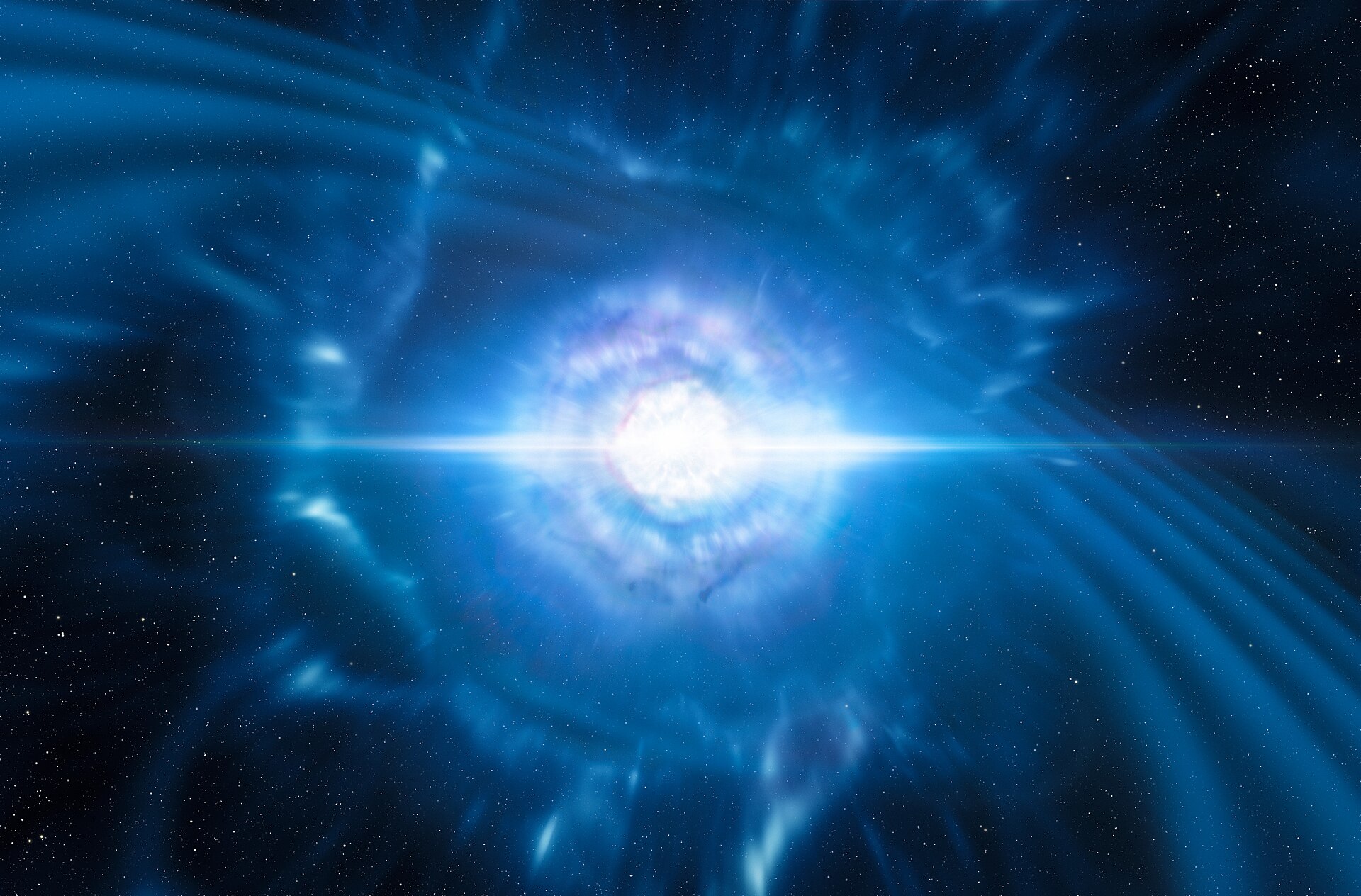
Gravitational waves are ripples in the fabric of space and time, set off by some of the most violent events in the universe. Predicted by Einstein a…
The Coriolis effect is the apparent deflection of moving objects, such as air and water, when viewed from a rotating frame like the spinning Earth.…
The Doppler effect is the change in the observed frequency of a wave when its source and the observer move relative to each other. It is why the…
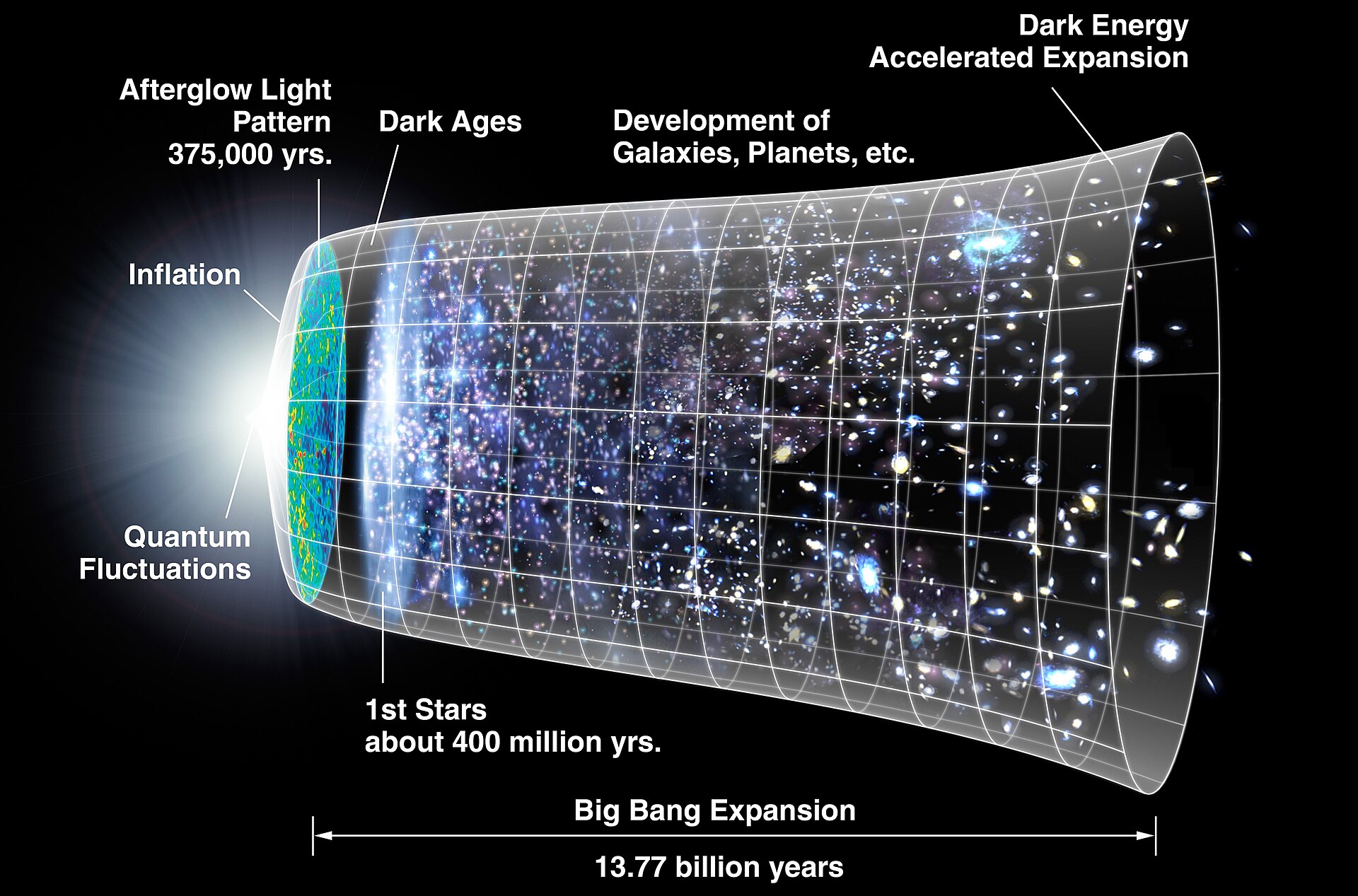
The universe is expanding: the galaxies are, on average, moving apart, and the space between them is stretching. Once a startling discovery, the…
Newton's laws of motion are three principles, set out by Isaac Newton in 1687, that describe how objects move under the action of forces. For more…
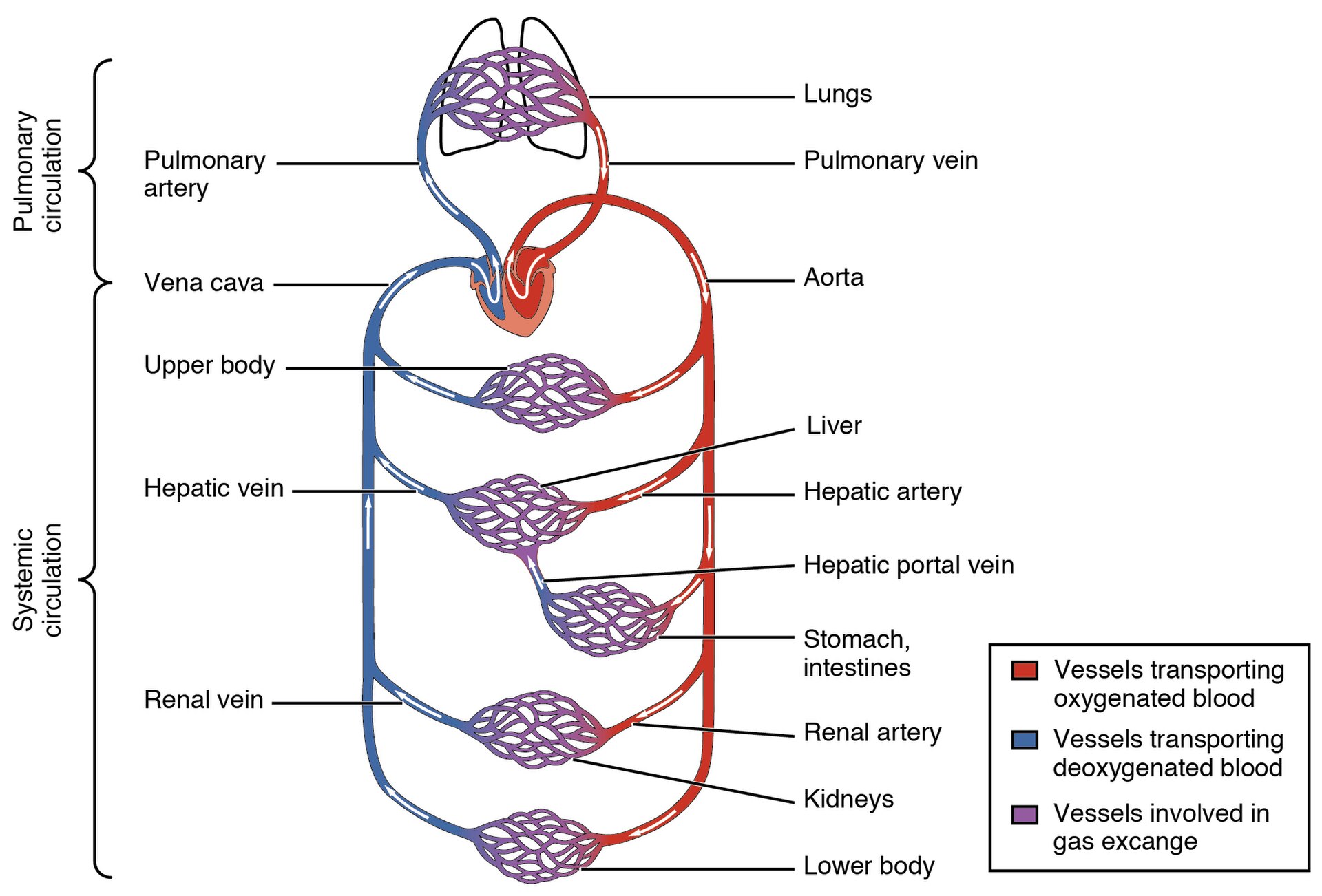
The circulation of blood is the continuous movement of blood around the body, pumped by the heart through a network of vessels. This understanding,…
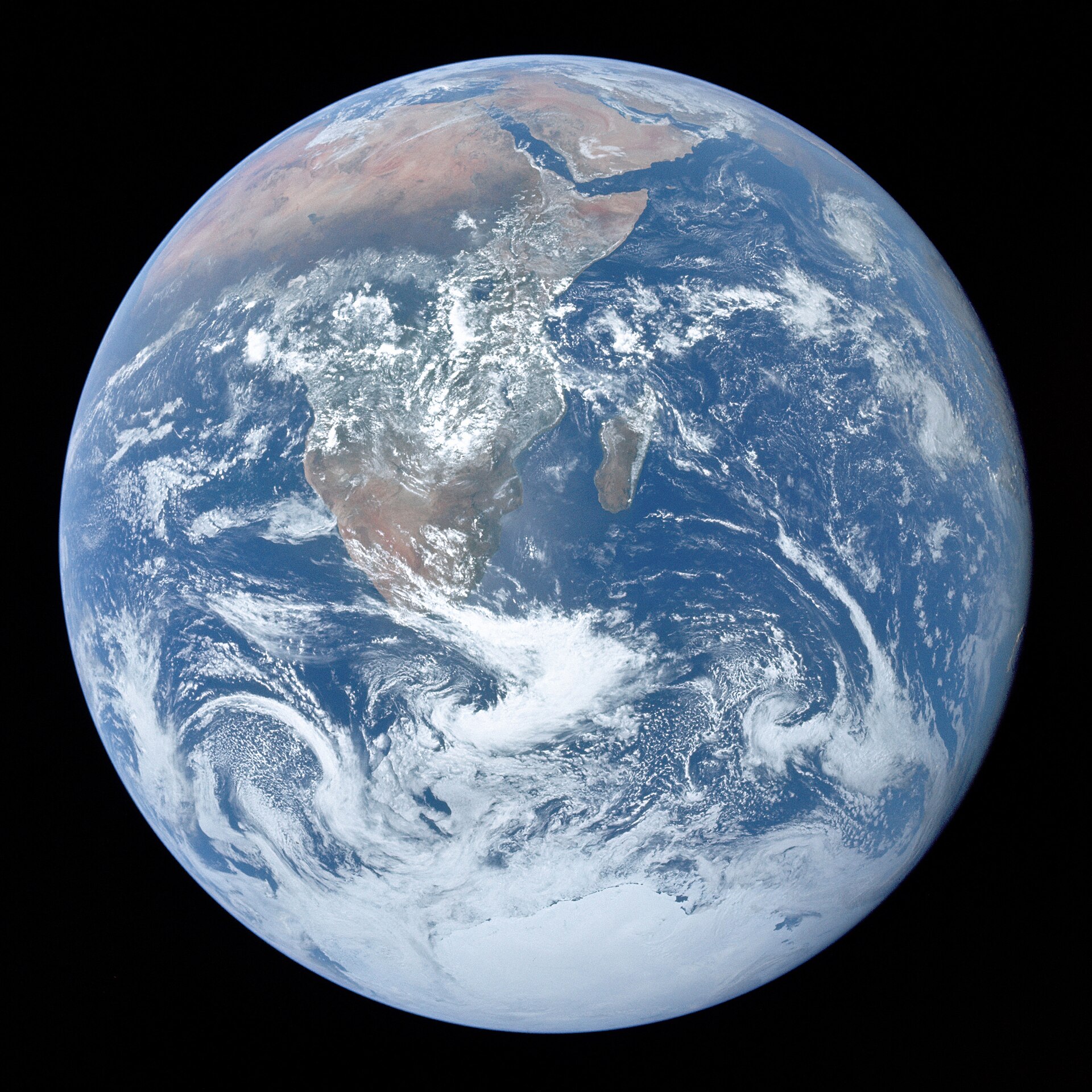
The Earth is about 4.54 billion years old. This figure, once fiercely debated, is now established with great precision through the radioactive dating…
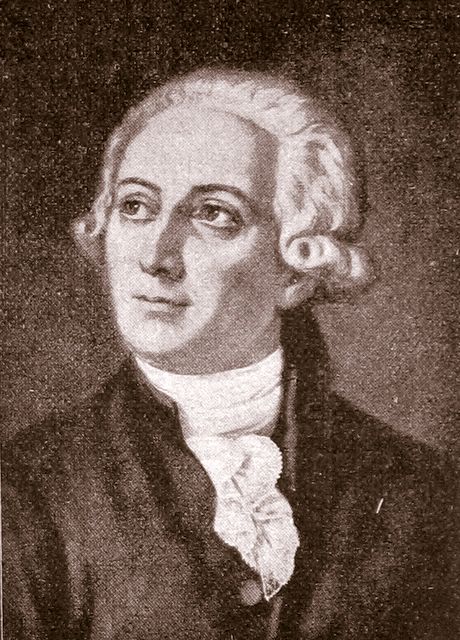
The conservation of mass is the principle that, in any ordinary physical or chemical change, matter is neither created nor destroyed. The total mass…
The periodic table is the organizing chart of chemistry, arranging all the known chemical elements by their properties. It is one of the most…
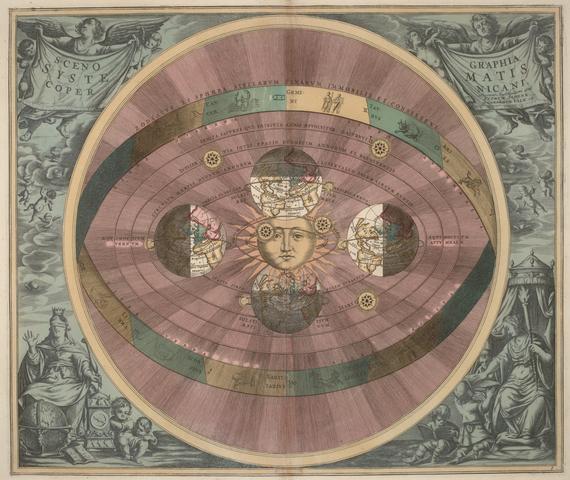
Heliocentrism is the understanding that the Earth and the other planets orbit the Sun, rather than the Sun and everything else orbiting the Earth.…
Photosynthesis is the process by which plants, algae, and certain bacteria capture the energy of sunlight and use it to turn carbon dioxide and water…
Washing the hands with soap and water is one of the simplest and most powerful tools in all of medicine for preventing the spread of disease. It is a…