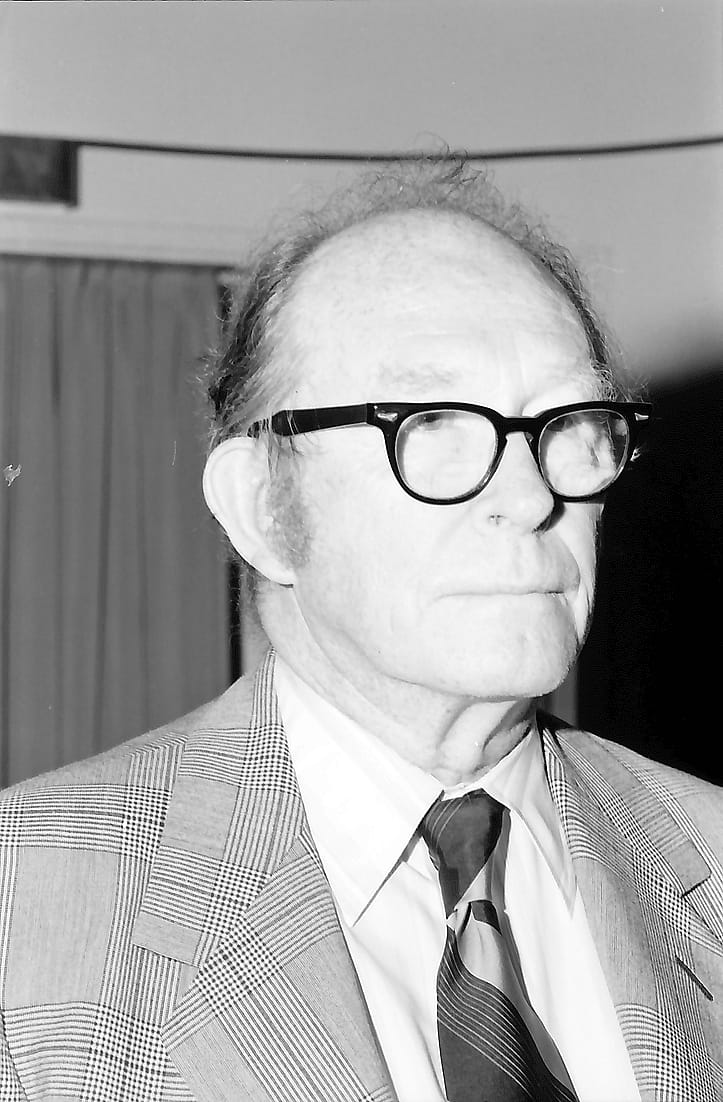
Radiocarbon dating measures how much carbon-14 remains in something that was once alive, and converts that into an age. Developed by Willard Libby in the late 1940s, it gave archaeology an independent clock for the first time and is among the most consequential methods ever handed to a humanities discipline.
Cosmic rays striking the upper atmosphere produce carbon-14, an unstable isotope that mixes through the atmosphere and enters living things through photosynthesis and the food chain. While an organism is alive its carbon-14 is continually replenished. At death the exchange stops and the isotope decays with a half-life of about 5,730 years. Measuring the remaining proportion gives the time since death.
Libby validated the method against samples of known age, including wood from Egyptian tombs, and received the Nobel Prize in Chemistry in 1960. The physics is not in question, and the method has been confirmed by an enormous number of independent cross-checks.
Libby assumed atmospheric carbon-14 had been constant. It has not. Solar activity, the Earth's magnetic field, and the ocean's uptake of carbon all vary, so a raw radiocarbon age is not a calendar age.
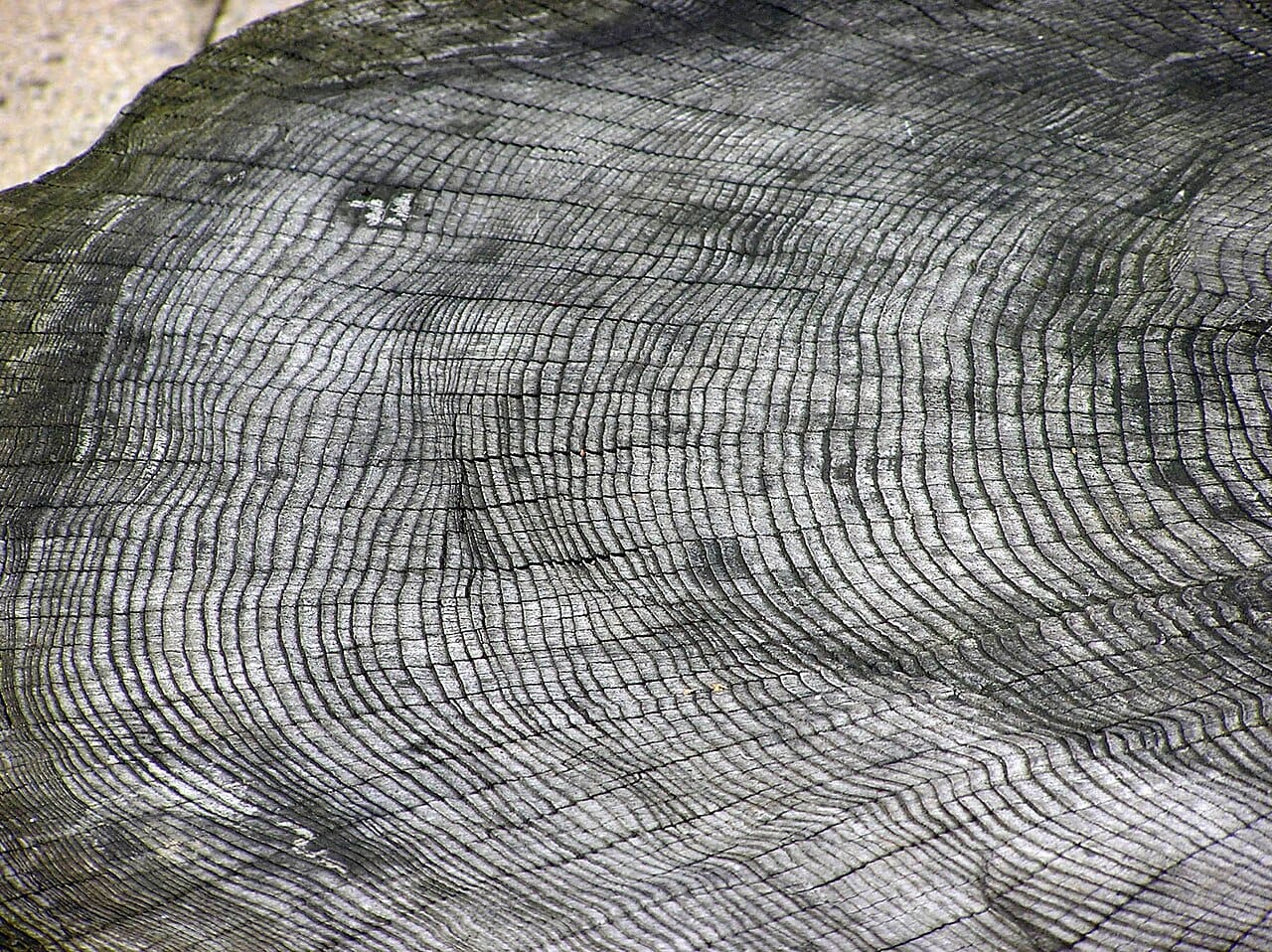
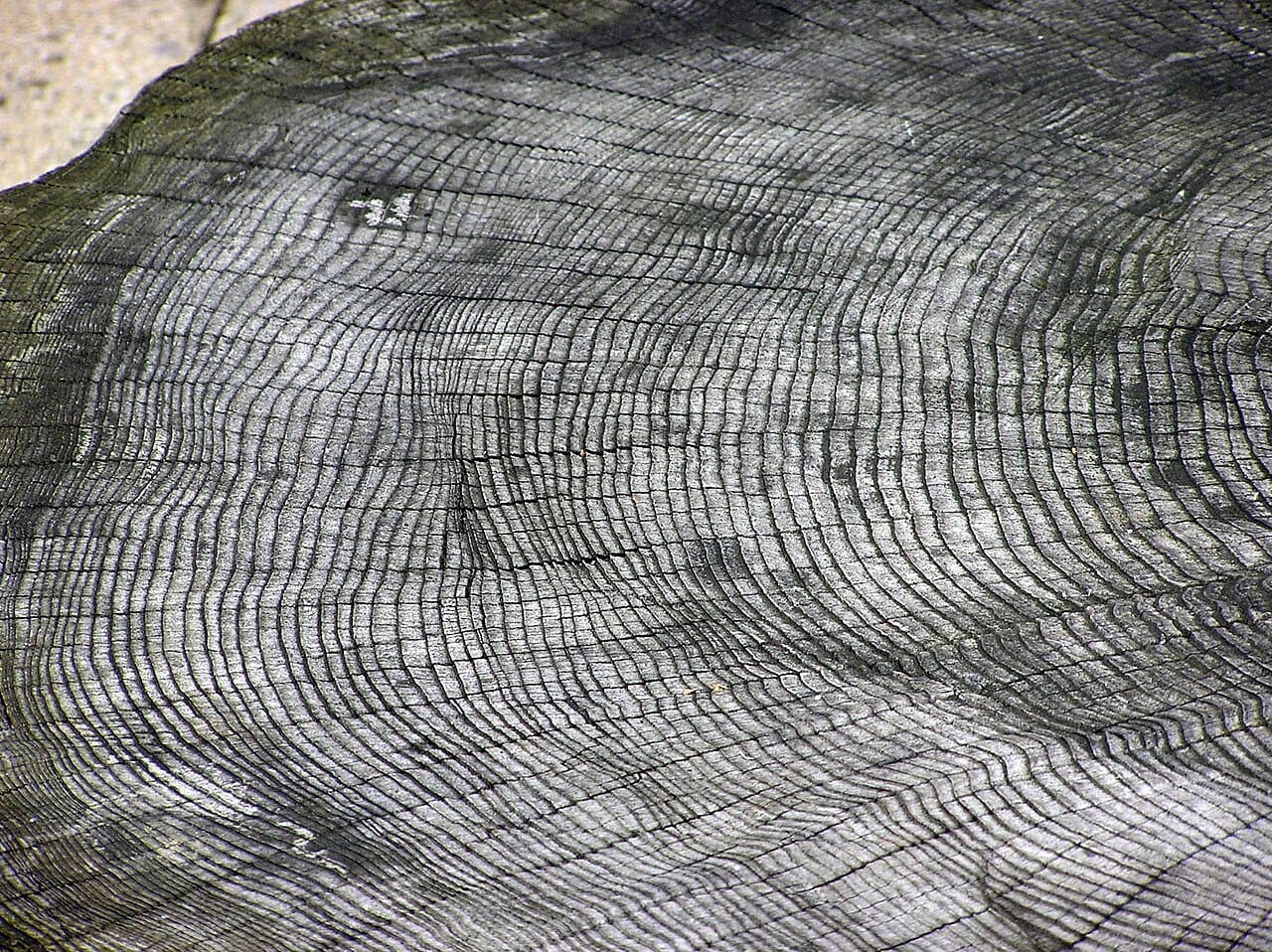
The fix is calibration against material whose age is known independently, above all tree rings, which provide an unbroken year-by-year record extending back more than twelve thousand years, extended further by corals, lake sediments, and cave deposits. Calibration curves are revised as data accumulates, most recently in 2020, which is why a published date can change without anything being wrong with the sample.
The method has a horizon: after about fifty thousand years too little carbon-14 remains to measure, so anything older needs a different technique. It dates the death of an organism, not the event an archaeologist cares about, so a beam reused from an older building gives the date of the tree rather than the house. Marine organisms carry a reservoir effect, appearing centuries older than they are, and people whose diet was largely marine inherit that offset. Contamination by younger or older carbon is the routine practical hazard.
Two disturbances of the twentieth century are now themselves useful. Fossil fuel burning diluted atmospheric carbon-14, and above-ground nuclear testing roughly doubled it before the 1963 test ban, producing a sharp spike whose decline can date recent material to within a year or two.
Before radiocarbon, prehistoric chronology was built from stratigraphy and cross-referencing to literate civilisations, and it was largely relative. An absolute clock overturned several standing narratives, notably by showing that megalithic monuments in Atlantic Europe predated the eastern Mediterranean cultures they had been assumed to derive from, which dismantled the diffusionist assumption that innovation spread outward from a single civilised core.