The claim that human beings use only about ten per cent of their brains, and that the remainder is untapped potential. Every method of examining the brain contradicts it, and it remains among the most widely believed statements about human biology.
The claim has no identifiable origin, which is itself informative: no study is ever cited for it because none exists.
Several plausible sources have been proposed. William James wrote around 1907 that people make use of only a small part of their possible mental and physical resources, which is a remark about achievement rather than about tissue, and it was later quoted as though it were anatomical.
Early localisation experiments contributed. Stimulating or removing parts of the cortex in animals produced no observable change in many regions, which were labelled silent cortex. Those regions are the association areas, which handle integration, language and planning rather than direct movement or sensation, so a crude behavioural measure would not detect their function.
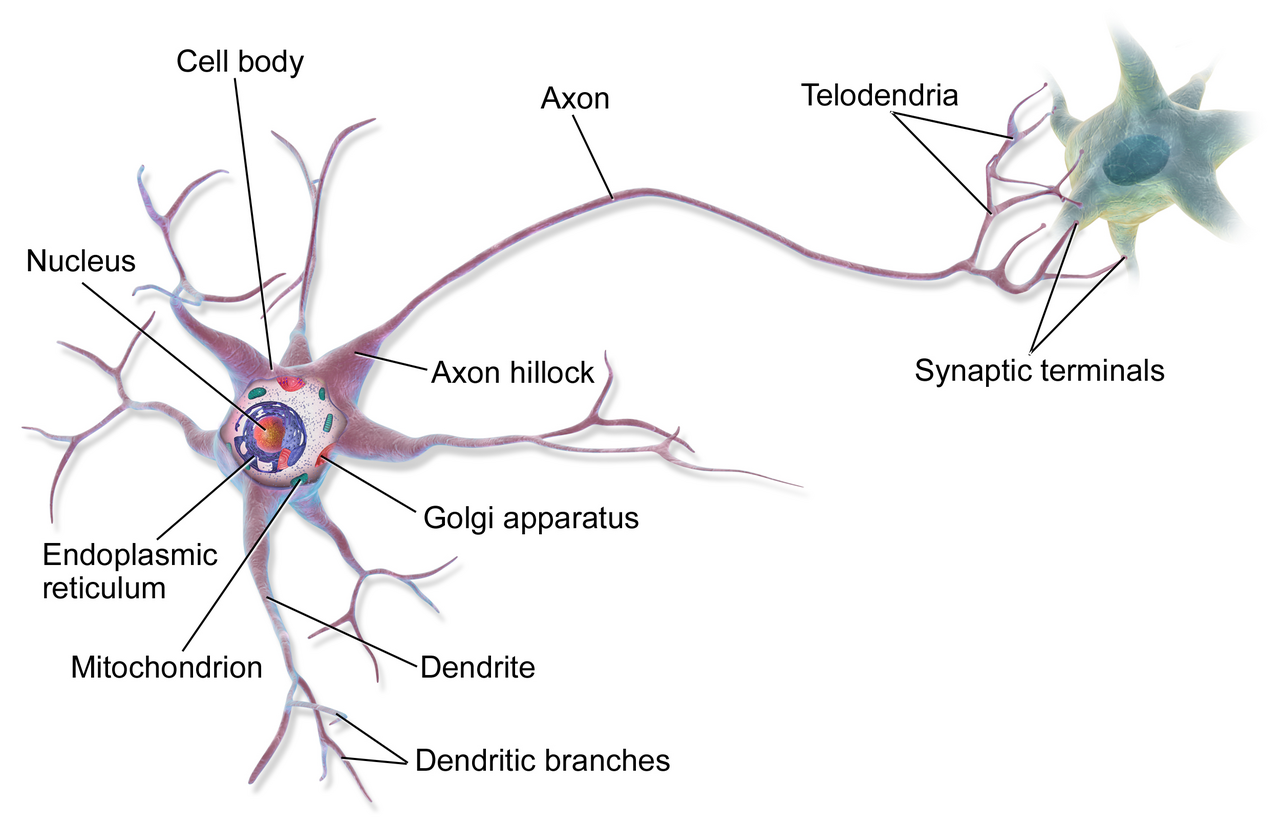
The ratio of glial cells to neurons, roughly comparable in number, has been offered as another source, misread as nine parts inactive to one part working.
Attribution to Albert Einstein is common and entirely unfounded. No such statement appears anywhere in his writings, and the association appears to have been manufactured to lend the claim authority.
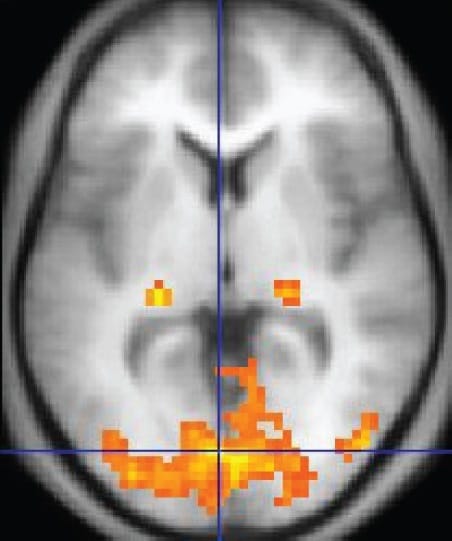
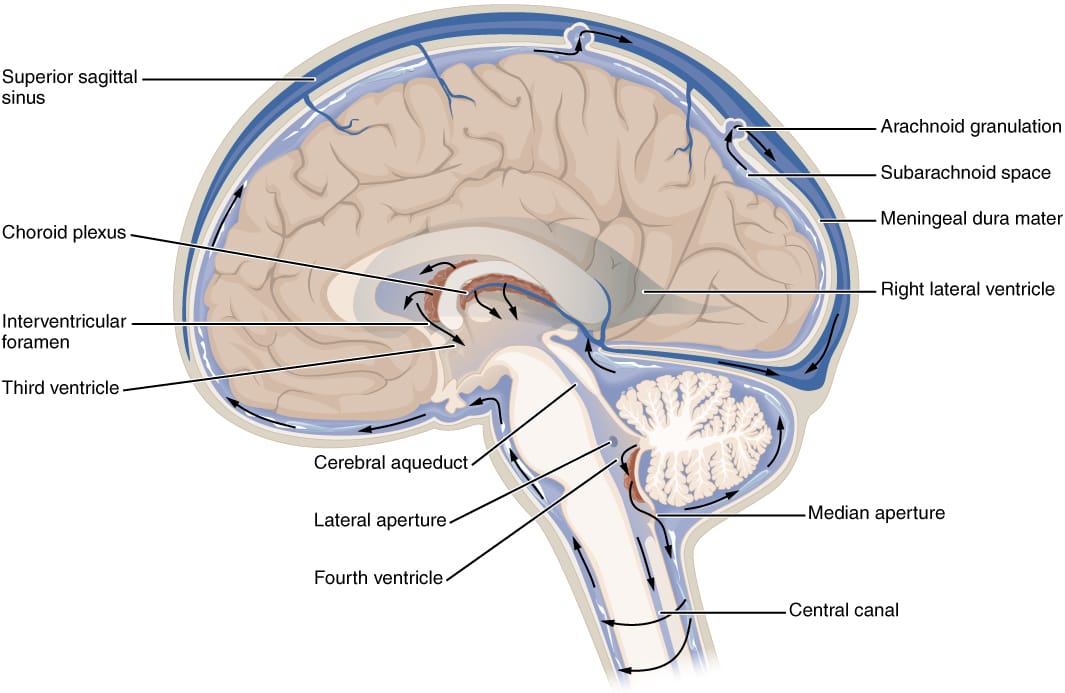
Functional imaging is the most direct refutation. Positron emission tomography and functional magnetic resonance imaging show activity across the whole brain over the course of a day and across a range of tasks, and there is no substantial territory that never activates. Even at rest a consistent network is engaged.
Damage is equally decisive. There is no part of the brain that can be destroyed without effect. Focal injury from stroke, tumour or trauma reliably produces deficits, and clinical neurology consists largely of mapping which lesion produces which loss. If ninety per cent were unused, the majority of brain injuries would be symptomless, and they are not.
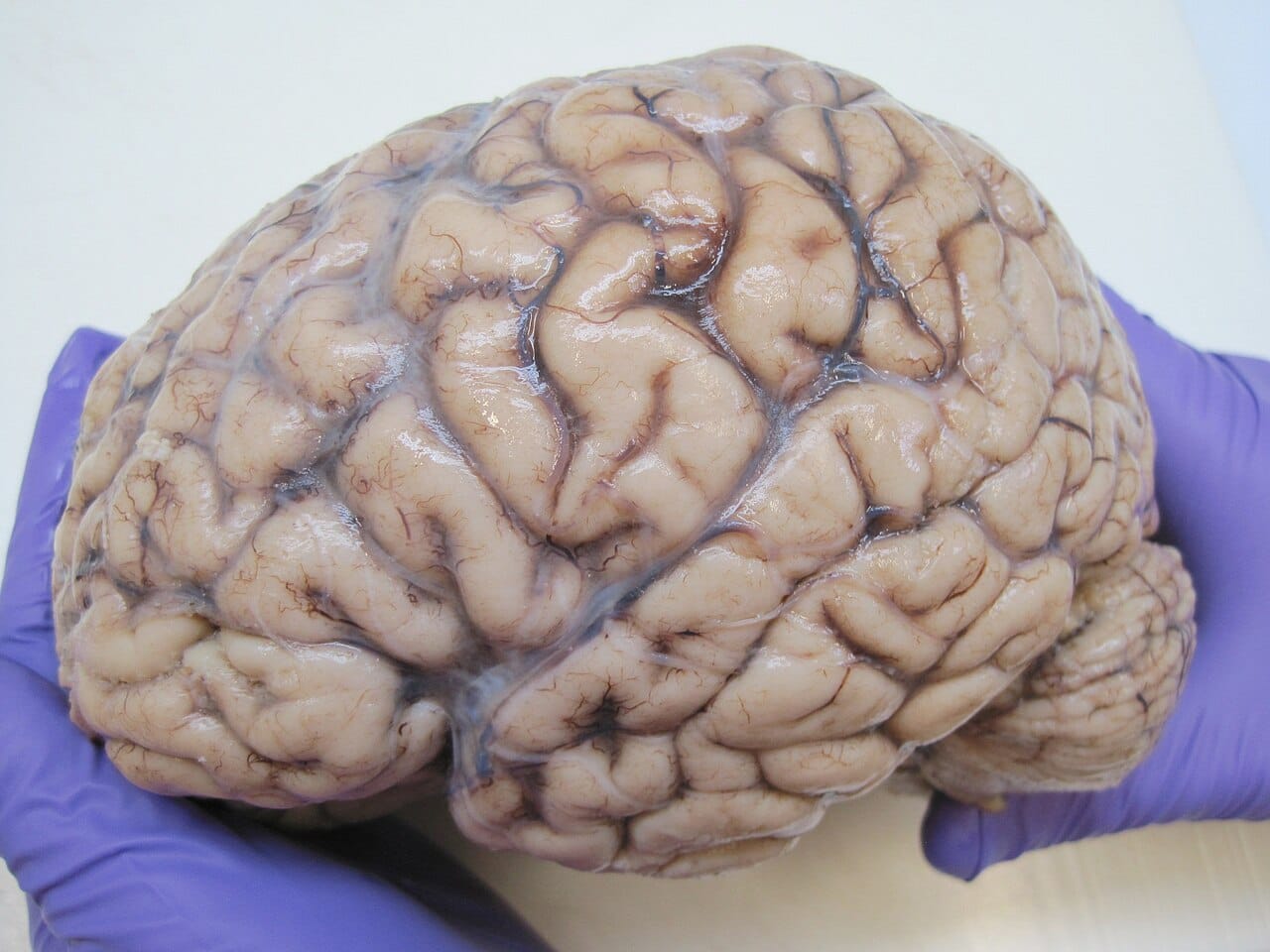
The metabolic argument is the one that closes the matter from an evolutionary direction. The brain is about two per cent of body mass and consumes around twenty per cent of the body's energy at rest. Nervous tissue is extraordinarily expensive to build, run and keep at temperature, and childbirth in humans is difficult and dangerous largely because of head size. Selection does not maintain an organ of that cost with ninety per cent idle.
Degeneration provides a further line. If most of the brain were unused, damage to those areas would show no degeneration of downstream tissue. Neurons deprived of their inputs and targets in fact degenerate, and the pattern indicates that regions are in continuous use.
Microstructural recording confirms it at the level of cells. Sampling from any cortical area finds neurons that respond to something.
One fact is genuinely true and is what allows the myth to survive contact with a partial explanation.
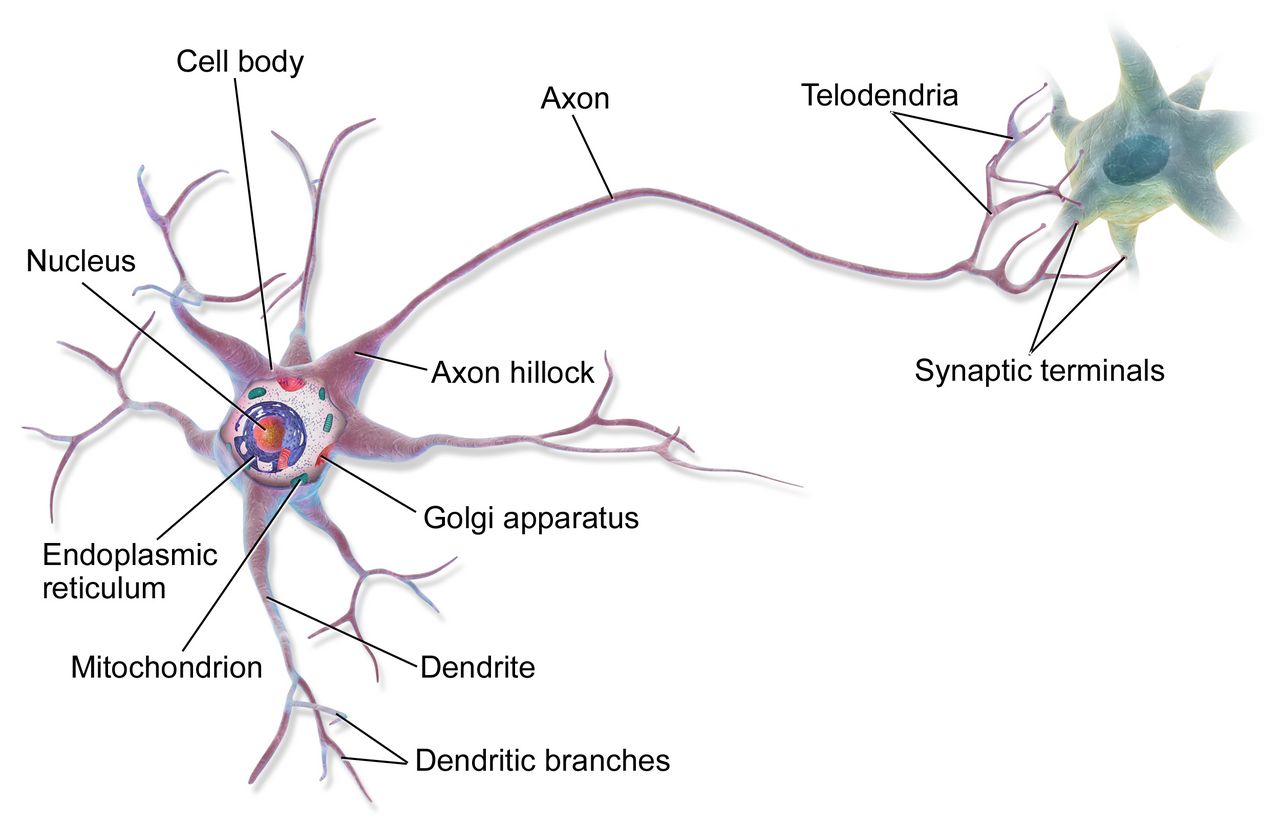
Not all neurons fire simultaneously. At any given instant only a small percentage are actively firing, and this is a design feature rather than a shortfall. Sparse coding is metabolically efficient and carries more information than a system in which everything fires at once. Simultaneous activation of most neurons is not peak performance; it is a seizure.
The distinction is between a moment and a repertoire. All of the brain is used, and not all of it at the same time, in the way that all the words in a vocabulary are used without appearing in a single sentence.
It is also true that people do not operate at the limit of their cognitive capability, which is the sense James actually intended. That is a claim about training and attention, not about anatomy.
Surveys consistently find around half of the public, and a substantial share of teachers, endorsing the claim.
Its appeal is straightforward: it promises that a large improvement is available and already inside you, which supports an entire self-improvement market. It also underwrites claims about psychic ability, by providing a reservoir in which such faculties could reside.
Popular film has kept it in circulation, with premises built directly on it. Once absorbed in childhood it is rarely revisited, and it is repeated by people who have no interest in deceiving anyone.
It belongs to the same family as the belief that people are left-brained or right-brained, which is treated in its own capsule, and both persist for the same reason: they sound like neuroscience, they are simple, and they are almost never checked.
The myth is mostly harmless in itself and it is a good diagnostic. A claim with no source, no citation, and universal recognition is a claim that has propagated on plausibility alone, and being able to notice that pattern generalises to claims where the stakes are higher.
It also displaces something more interesting. The brain's actual organisation, in which vast resources are devoted to prediction, to maintaining a resting network, and to processes that never reach awareness, is stranger than an unused reserve, and it is what the myth prevents people from ever hearing about.