Marshall McLuhan's claim that a communication technology's effects come from the technology itself rather than from what is transmitted through it. Announced in 1964, dismissed in the 1970s, and revived when the internet made it look prescient.
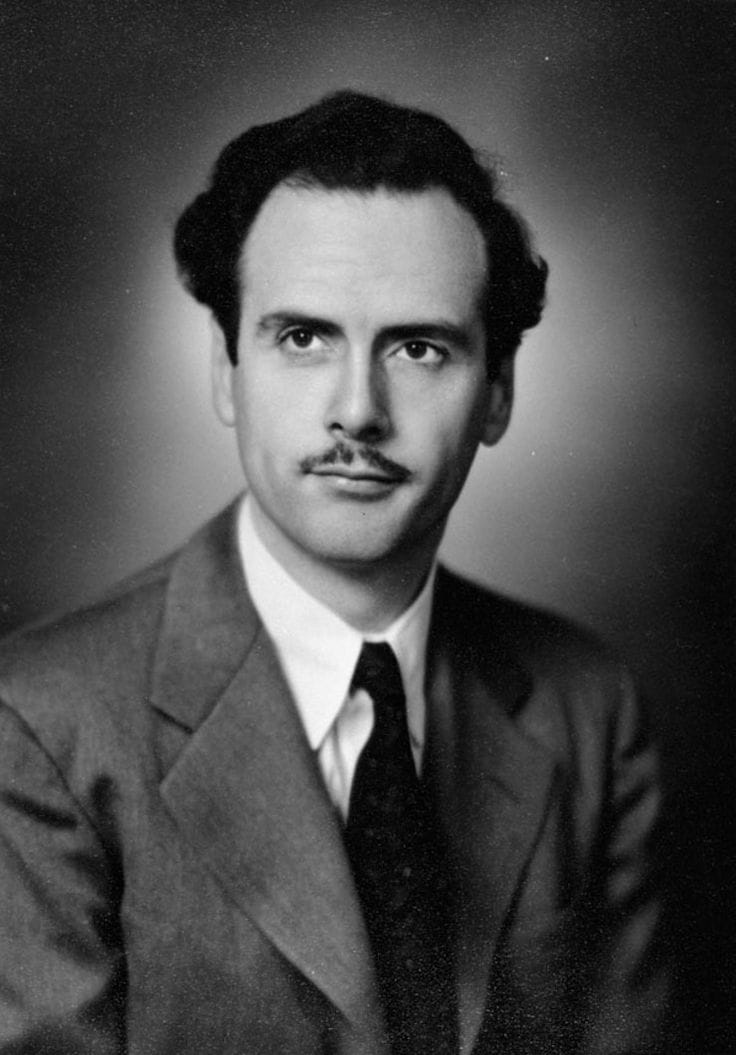
McLuhan's argument is that analysing media by their content misses where the effects are. What matters is how a medium organises attention, alters the relations between the senses, and changes the scale and pace of human affairs, and those effects are the same whatever content it carries.
His illustration was the electric light. It has no content at all, and it restructured social life comprehensively by making the night usable. A medium is, on his account, an environment, and environments are hard to see precisely because everything happens inside them.
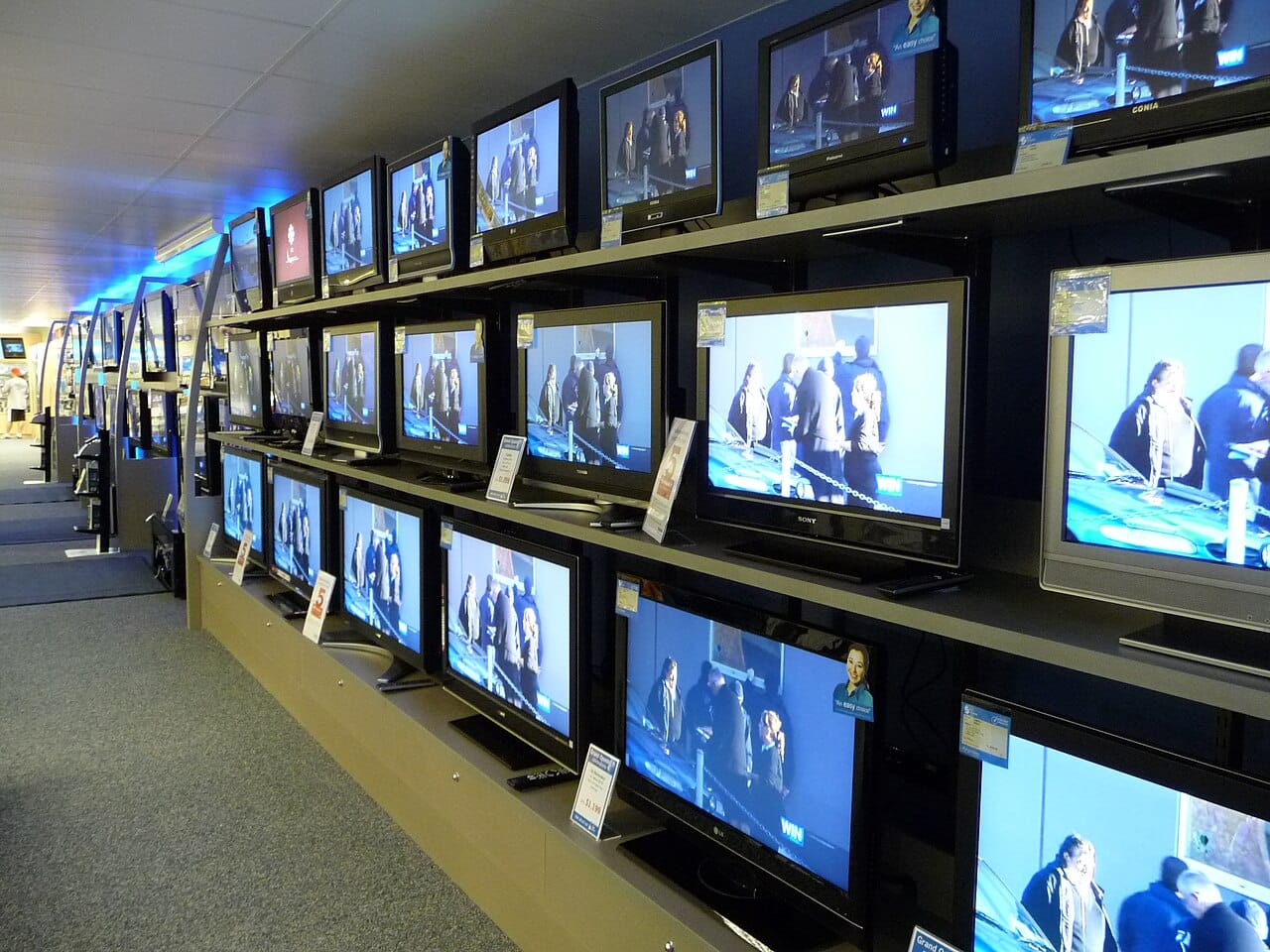
Content, he wrote, is the juicy piece of meat carried by the burglar to distract the watchdog of the mind. Arguing about what is on television keeps attention away from what television is doing.
McLuhan divided history by dominant medium, and the periodisation is where the theory does its work.
Oral cultures, he argued, are acoustic: sound comes from all directions, memory is communal, and knowledge is participatory. The phonetic alphabet made language visual and linear, favouring sequence, abstraction and detachment.

Printing intensified all of it. Identical repeatable text produced standardisation, mass literacy, national vernaculars and eventually nationalism, and it created the private silent reader, which he connected to modern individualism. The Gutenberg Galaxy of 1962 makes this case at length.
Electric media, he argued, reverse the direction. They are instantaneous and involving, they restore something of the acoustic simultaneity that print displaced, and they compress distance into what he called the global village. That phrase is his and is regularly quoted as optimism, which he did not intend: he expected the global village to be abrasive and tribal, since proximity produces friction as readily as sympathy.
Technological determinism is the standard charge, and it is fair to the strong reading. Media do not arrive from nowhere; they are developed, funded, regulated and adopted by societies that shape what they become. Raymond Williams argued in 1974 that television's form was the product of specific institutional and commercial decisions, not of the technology, and that McLuhan had removed human agency from the account.
The hot and cool distinction, which classifies media by how much they demand of the audience, has proved hard to apply consistently and is rarely used now.
The method is impressionistic. McLuhan wrote in aphorism and analogy, offered little evidence, and called his statements probes rather than propositions, which makes them difficult to test and difficult to refute.
The internet made the central claim newly plausible. A platform's effects on attention, on the length of an argument, on the speed of a reaction, appear to be properties of the form rather than of any particular post, which is McLuhan's claim in contemporary terms.
Neil Postman built on it in 1985, arguing that television made public discourse into entertainment regardless of subject, and that the danger was not censorship but triviality. Much subsequent writing on attention and on social media design descends from the same premise.
The moderate version is now close to a working assumption in media research: form shapes use, and studying content alone will miss it. The strong version, that the medium is the only thing that matters and that content is a distraction, remains a minority position, and McLuhan stated it in that strong form on purpose.