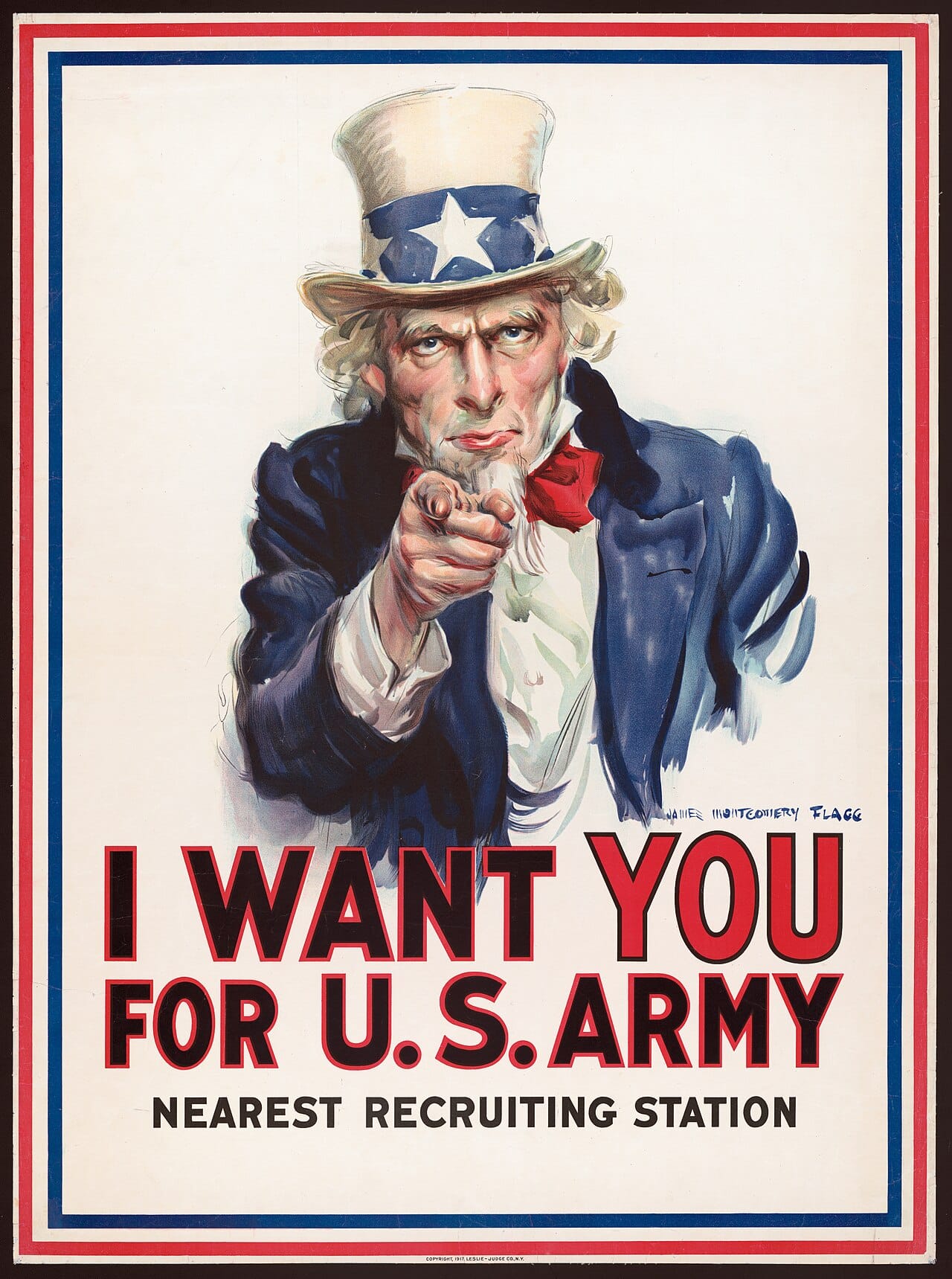
Paid communication intended to promote a product, service or idea. It funds most commercial media, its measured effects are smaller than its cultural presence suggests, and its economics have changed more in twenty years than in the preceding century.
Advertising performs several distinct functions that are frequently conflated.
Informing, by telling people a product exists and what it does. This is its least controversial function and is most important for new products.
Persuading, by arguing that one option is preferable.
Reminding, by maintaining awareness of established products, which is what most spending on well-known brands achieves.
Signalling, in an indirect sense. Expensive advertising itself conveys that a firm expects to remain in business and has confidence in its product, since the expenditure would be wasted otherwise. This argument, developed in economics, explains why advertisements that convey almost no information can still be effective.

Commercial notices are ancient, and printed advertisements appear wherever printing and trade coexist, including in Song dynasty China and Edo period Japan.
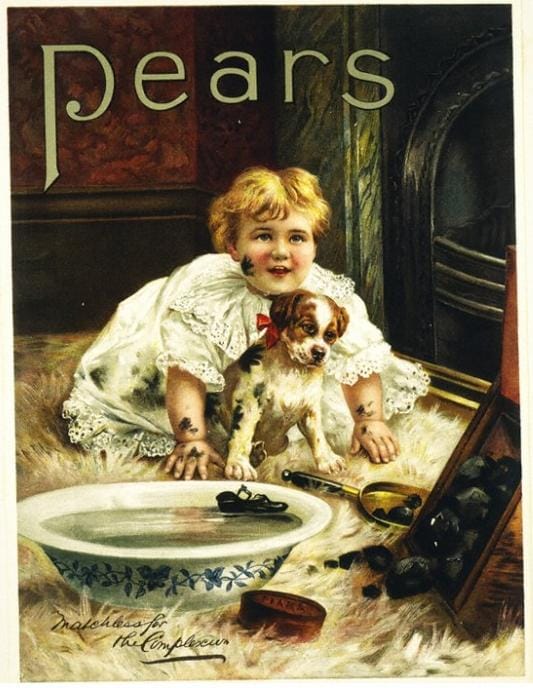
The modern industry followed industrialisation. Mass production created identical goods requiring differentiation, national distribution required national awareness, and mass-circulation newspapers and magazines provided the vehicle.
Branding was the decisive development. A branded product could command a premium over an equivalent unbranded one, which is the commercial basis of the entire enterprise.

The patent medicine era produced both enormous advertising expenditure and claims that were entirely unfounded, and the resulting harm drove the first regulation of advertising content in several countries.
Broadcast media changed the form again. Radio and television were funded by advertising from the outset in the United States, which shaped programming directly, since content existed to deliver audiences to advertisers.
Advertising funds media. Newspapers, commercial broadcasting and most of the internet are paid for by advertisers rather than by audiences, and the journalism capsule describes what happened when that arrangement broke down for print.
The industry's persistent problem is measurement. The remark attributed to John Wanamaker, that half his advertising was wasted and he did not know which half, describes a genuine difficulty that persisted for a century.
Digital advertising promised to solve it through tracking and attribution, and partly did. It also introduced its own measurement problems: attributing a sale to an advertisement seen by someone who would have bought anyway inflates apparent effectiveness, and large controlled experiments have repeatedly found real effects far smaller than platform-reported figures.
Fraud is substantial. Automated traffic generating advertisement views that no person sees is a persistent and costly problem.
Concentration is extreme. A small number of platforms capture the majority of global digital advertising revenue, having displaced the classified and display advertising that funded local media.
The evidence supports smaller and more specific effects than either advocates or critics generally claim.
Advertising is more effective at influencing brand choice within a category than at expanding the category, which means competing advertisers largely redistribute demand between themselves.
Effects decay quickly. Most measured advertising effects on sales dissipate within weeks unless sustained.
Repetition matters more than persuasion. Mere exposure increases familiarity and familiarity increases preference, which is a well-replicated psychological effect and does not require the advertisement to contain any argument.
Claims of unconscious manipulation are largely unsupported. The subliminal advertising capsule records the fabricated study behind the best-known version.
Advertising to children is treated differently in regulation because the capacity to recognise persuasive intent develops with age, and this is one of the areas where restriction is most widely accepted.
Tobacco advertising restrictions are the clearest case where regulation demonstrably reduced consumption, which is also evidence that advertising affects category-level demand under some conditions.
Advertising pays for most of the media people consume, which makes its economics a determinant of what information is produced and who it is produced for.
Its measured effects are also a useful case in reading evidence. An industry whose product is persuasion has strong incentives to overstate how well persuasion works, and the independent experimental literature consistently finds smaller effects than the industry reports.