The gathering, verification and publication of information about current events. It is defined less by its subject than by its method, and the economic basis that supported it for a century has largely collapsed.

Journalism is not simply publishing information. Its distinguishing features are procedural.
Verification, meaning that claims are checked against evidence and sources before publication rather than repeated.
Independence from those being reported on, so that the account is not controlled by its subject.
Accountability, in that errors are corrected publicly and the outlet is identifiable and answerable.
A public interest purpose, in that the intended function is to inform people about matters affecting them.
None of these requires a particular medium or employer. A blogger applying them is doing journalism, and a large news organisation abandoning them is not.

Printed newsbooks and gazettes appeared in Europe from the seventeenth century, initially carrying commercial and diplomatic information.
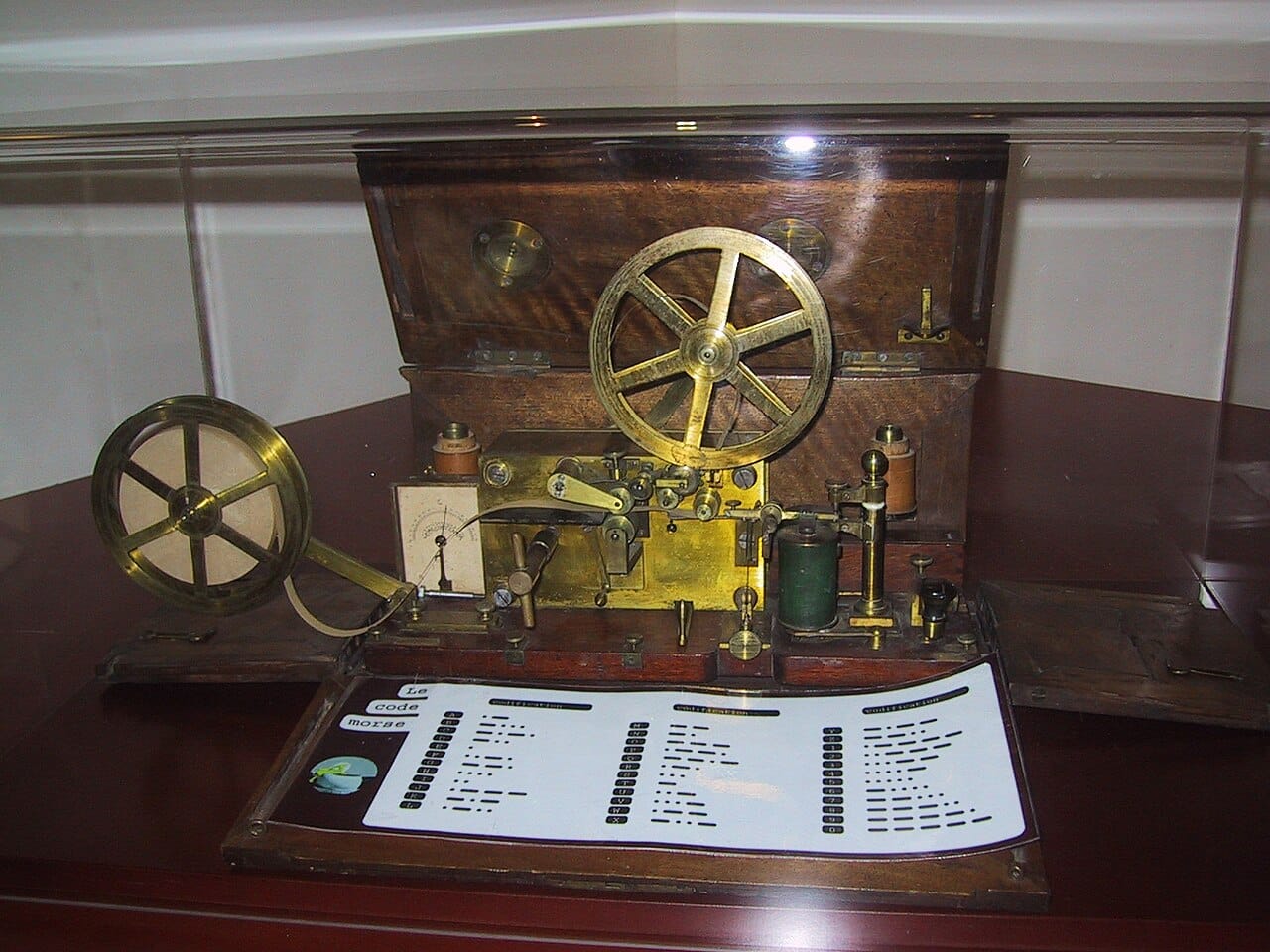
The nineteenth century produced the mass newspaper, made possible by cheap paper, steam presses, rising literacy and the telegraph, which allowed distant events to be reported the next day rather than weeks later. The telegraph's cost per word is often credited with encouraging the compressed style and the practice of putting the most important information first.
News agencies formed to share the cost of gathering news, supplying many outlets from one reporting operation.
Professional norms of objectivity and verification developed in the late nineteenth and early twentieth centuries, partly as a commercial strategy: an outlet selling to a broad audience and to advertisers benefits from not alienating readers of any political persuasion.
Radio and then television added immediacy and reach, and broadcast regulation in many countries imposed impartiality requirements that never applied to print.
For most of the twentieth century, news was funded principally by advertising rather than by readers. Newspapers sold audiences to advertisers, and the classified section in particular was extremely profitable.
That model rested on bundling. A reader bought one paper containing news, sport, listings, classifieds and comment, and advertisers paid to reach that reader because there was no other efficient way.
The internet unbundled it. Classified advertising moved to dedicated platforms, general advertising moved to search and social platforms with far better targeting, and readers could take individual articles without the bundle.
The consequences are documented. Newspaper advertising revenue in many countries fell by a large majority within about fifteen years, employment in newsrooms fell substantially, and local newspapers closed in large numbers, producing areas described as news deserts with no dedicated local coverage.
Local reporting has been affected most, because it was the least substitutable and the most dependent on classified revenue. Research has found measurable effects where local papers close, including reduced coverage of local government and lower civic participation.
Replacement models include subscription and membership, philanthropy and non-profit newsrooms, public funding, and platform payments to publishers. None has restored the previous revenue level, and subscriptions in particular work better for national and specialist outlets than for local ones.
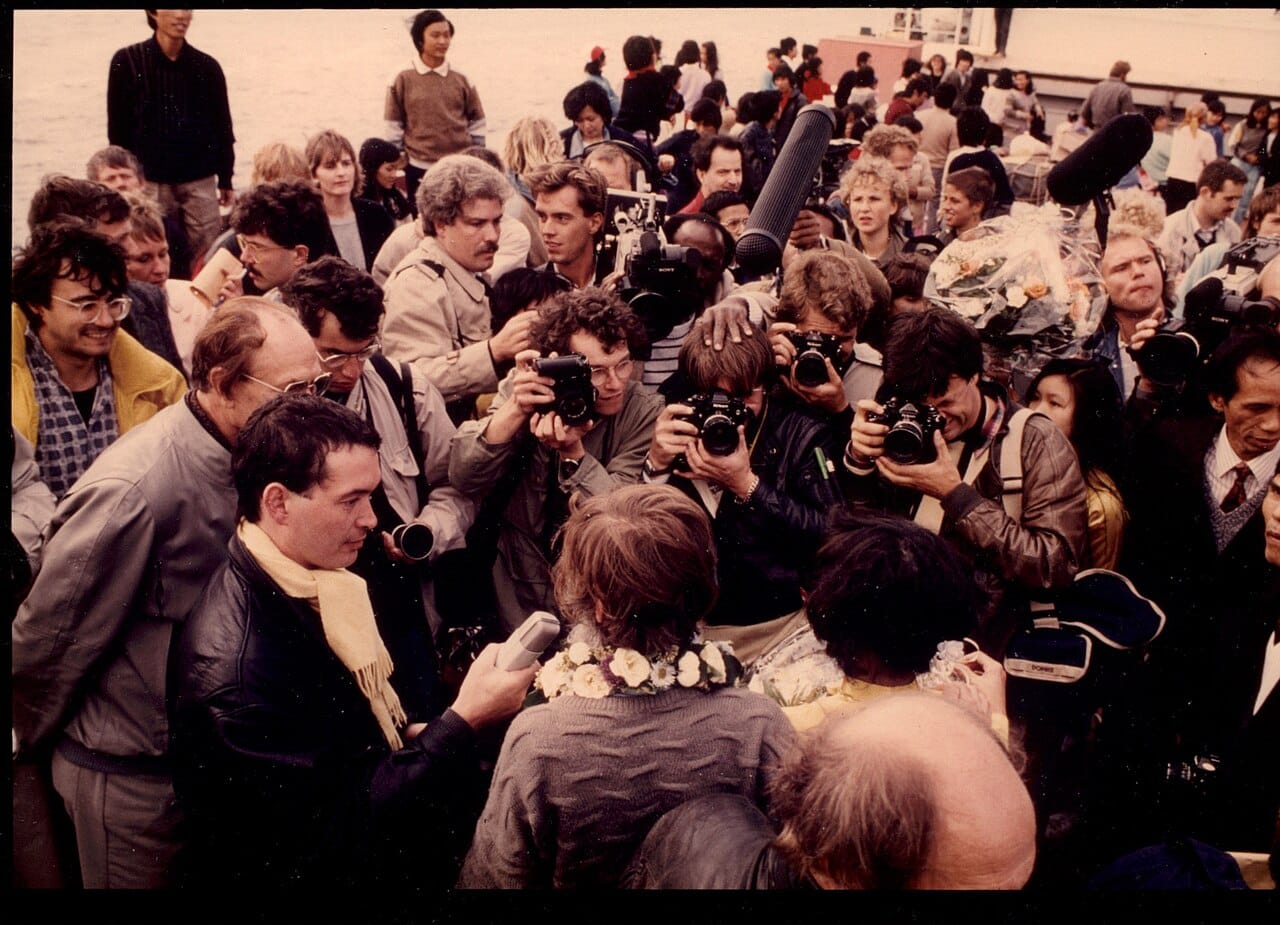
Publication is continuous rather than periodic, which removes the interval in which checking happened and increases pressure to publish before verification is complete.
Distribution is intermediated. Much news reaches readers through platforms whose ranking decisions determine what is seen, and which capture the advertising revenue.
The barrier to publishing has effectively disappeared, which has widened participation and removed the filtering that scarcity previously imposed.
Verification techniques have also improved, with open source investigation using satellite imagery, geolocation and publicly available video producing findings that were not previously obtainable outside intelligence agencies.
Journalism is dangerous in many countries. Press freedom organisations record journalists killed, imprisoned and prosecuted annually, with the largest numbers in conflict zones and in states restricting reporting.
Legal pressure is a further constraint, including defamation actions brought to exhaust resources rather than to win, and in several jurisdictions laws against such actions have been introduced in response.
The argument for journalism is functional rather than sentimental: decisions in a society depend on shared information about what is happening, and gathering that information reliably is expensive, unpopular with those being reported on, and not produced by anyone else.
The current situation is that the practice is understood better than ever and the means of paying for it are not settled, and the difficulty falls hardest on exactly the local reporting for which no substitute exists.