The doctrine that waste retained in the large intestine putrefies and poisons the body, causing a wide range of unrelated diseases. It was mainstream medicine around 1900, it justified removing healthy colons, it was abandoned by the 1930s, and it sells well today under the word detox.
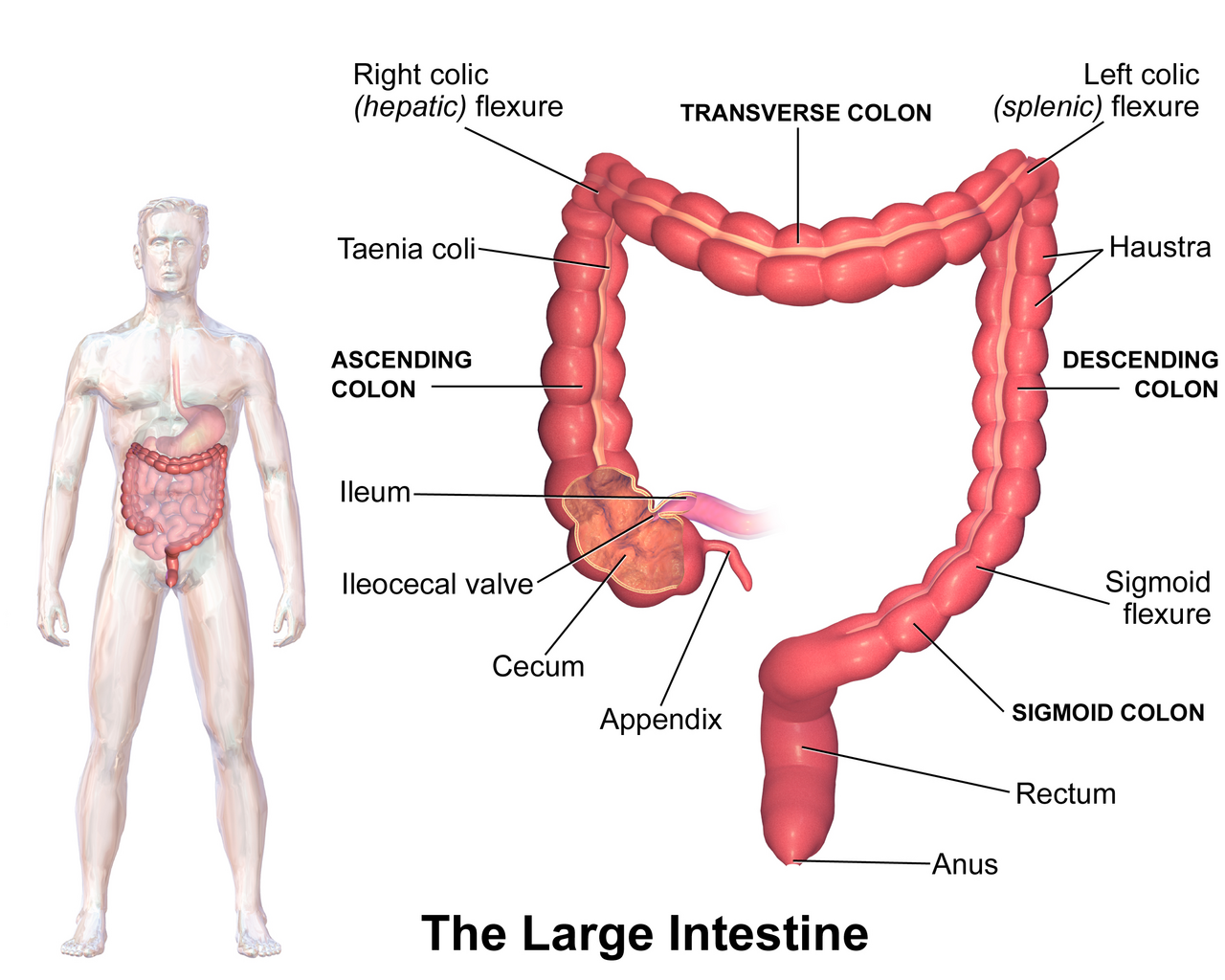
The core claim was that faecal matter lingering in the colon undergoes putrefaction, that the resulting toxins are absorbed into the blood, and that this self-poisoning produces symptoms as varied as fatigue, headache, depression, arthritis, skin disease and premature ageing.
The idea is old, with antecedents in Egyptian and Greek medicine, but it acquired a modern scientific vocabulary in the late nineteenth century, when bacteriology made intestinal bacteria newly visible and newly suspect.
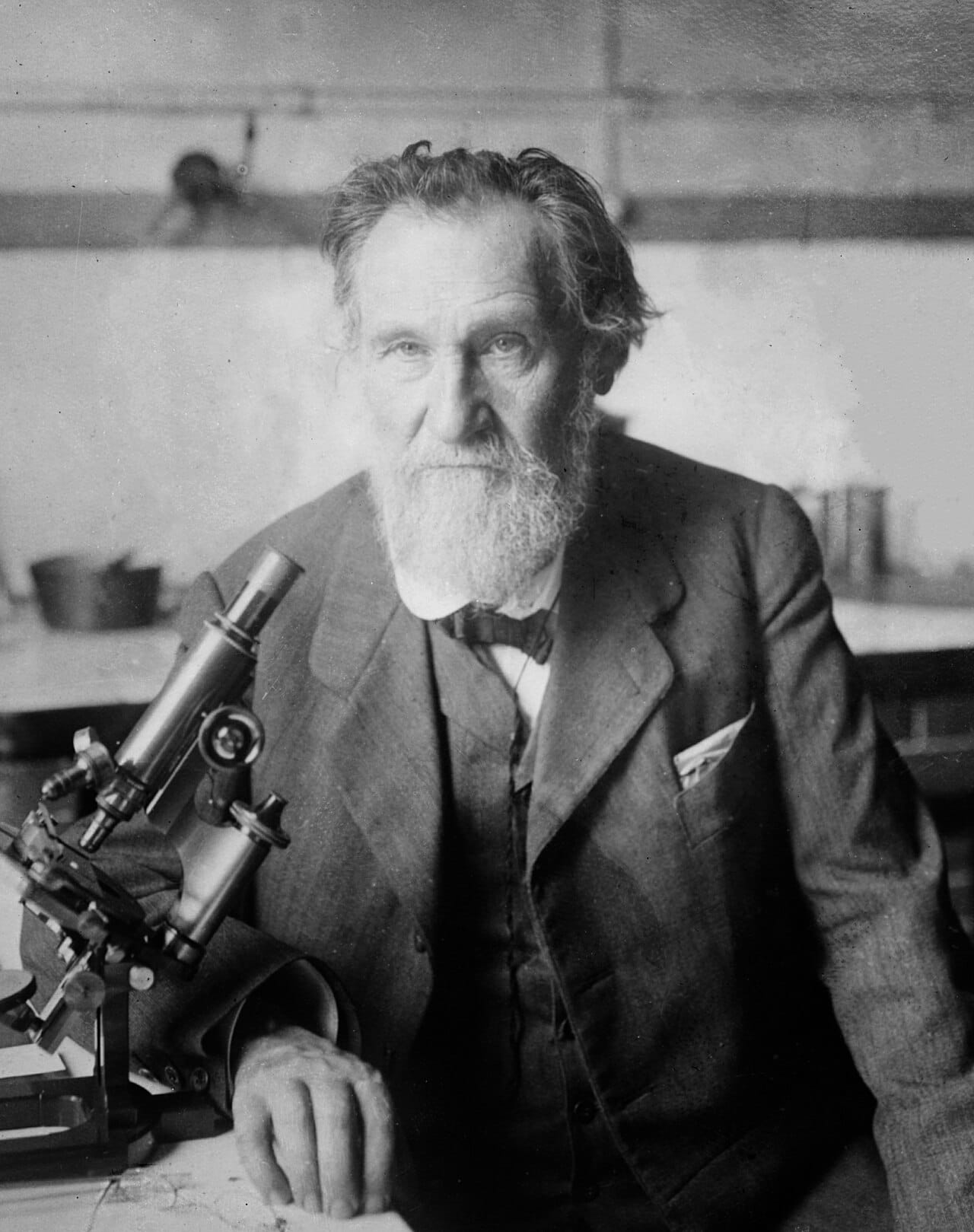
Élie Metchnikoff gave the doctrine its most respectable form. He had won the Nobel Prize for his work on phagocytosis, and he argued that putrefactive bacteria in the large intestine produced toxins that shortened life. He proposed that lactic acid bacteria, taken in soured milk, would displace them, citing the reported longevity of Bulgarian peasants.
The surgical version went much further. Sir William Arbuthnot Lane, a distinguished London surgeon, held that chronic intestinal stasis was a major cause of disease and operated accordingly, dividing adhesions, shortening the bowel and, in the extreme, removing the colon entirely in patients whose complaint was constipation. The operation carried substantial mortality.
Two lines of evidence closed it.
Walter Alvarez showed in the 1910s and 1920s that the symptoms attributed to absorbed toxins could be produced by distension alone. Packing the rectum with inert material, cotton wool, reproduced the malaise, headache and loss of appetite, and the symptoms resolved when the packing was removed. There was no toxin, and the effect was mechanical and reflexive.
Direct search for the toxins failed. Chemical analysis of blood in constipated patients did not show the accumulation of putrefactive products the theory required, and the substances that are absorbed from the colon are handled by the liver in the ordinary course of metabolism.
Radiological studies also undermined the premise that material was stagnating in the way described.
By the 1920s and 1930s the doctrine had been abandoned by mainstream medicine. The Journal of the American Medical Association and the British medical press published critical assessments, and Lane's operation was discredited.
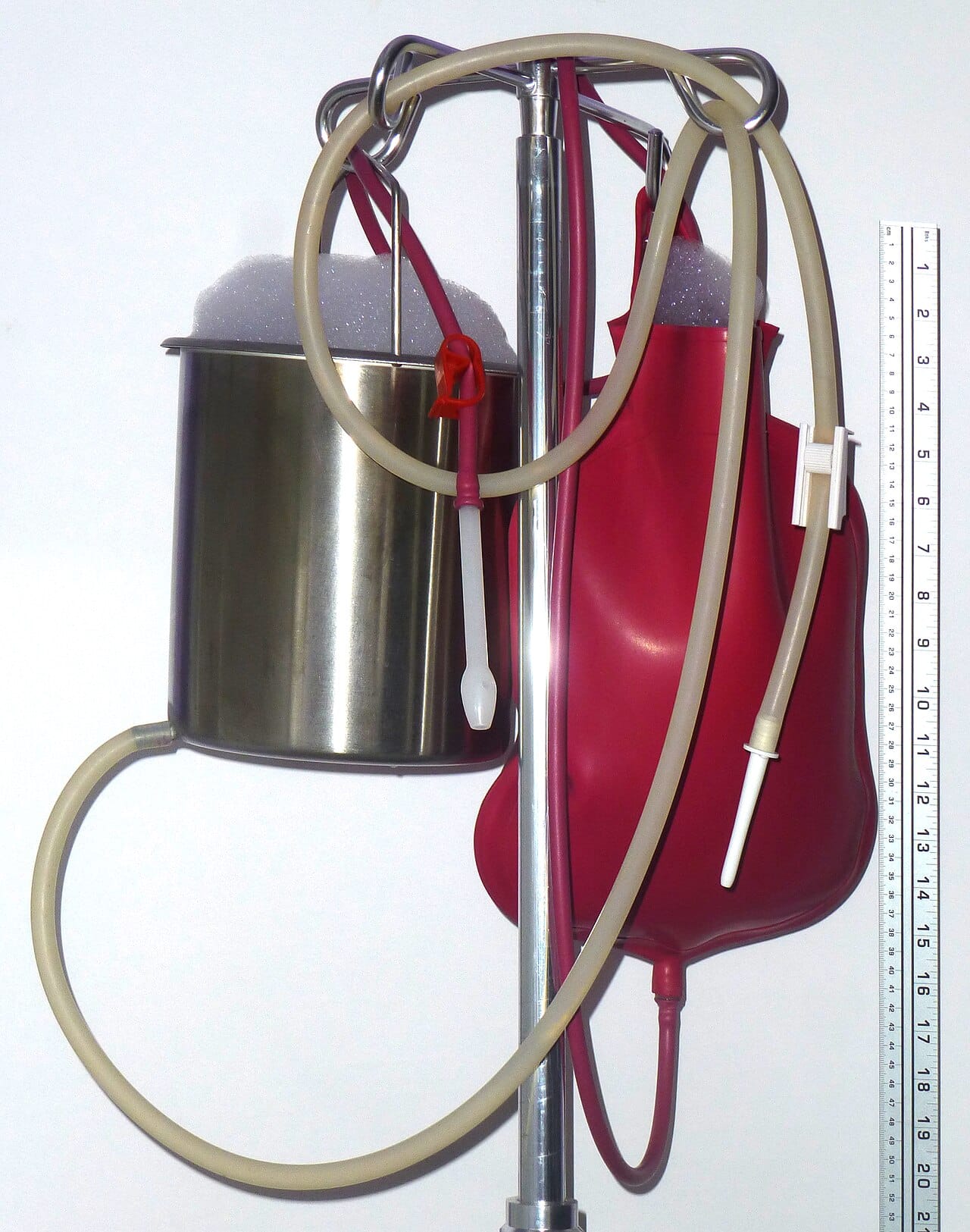
The doctrine never disappeared from commerce. Colonic irrigation, detox teas, cleanses, foot pads and elimination protocols all rest on the same premise, that accumulated waste or unspecified toxins are causing disease and must be flushed out.
None of it is supported. Systematic reviews of colon cleansing find no evidence of benefit and document harms, including electrolyte disturbance, dehydration, infection from inadequately cleaned equipment, and bowel perforation. Deaths have been recorded.
The word toxin does most of the work in modern marketing, and it is almost never specified. A claim that a product removes toxins can be tested only if the toxin is named, and naming one is precisely what these products avoid.
The organs that perform the function actually exist. The liver metabolises and conjugates a vast range of compounds, and the kidneys excrete them, continuously and without assistance.
The gut does influence health beyond digestion, and this must be stated carefully because it is routinely used to relaunch the old doctrine.
The gut microbiota produces metabolites that enter the circulation and affect immune function and metabolism. Some are consequential: trimethylamine N-oxide, derived from bacterial metabolism of dietary compounds, has been associated with cardiovascular risk, and short-chain fatty acids from fibre fermentation have documented beneficial effects. Communication between gut and brain is a real research area, treated in the gut-brain axis capsule.
This does not vindicate autointoxication. The modern findings concern the metabolic activity of a resident microbial community, not poisons leaching from retained stool, and nothing in them supports flushing the colon. If anything they point the other way, since the microbiota is a functioning system that aggressive cleansing disrupts.
Autointoxication is the clearest example of a discredited medical theory surviving as a consumer product. The theory was tested and abandoned a century ago, and the practices it generated were never re-examined by the industry that sells them because they no longer depend on the theory being true.
It also shows how a vague pathological mechanism can absorb any symptom. A doctrine that explains fatigue, arthritis, depression and skin complaints equally well is not making a claim precise enough to fail, which is what allowed it to persist while the specific version, Lane's operation, was decisively refuted.