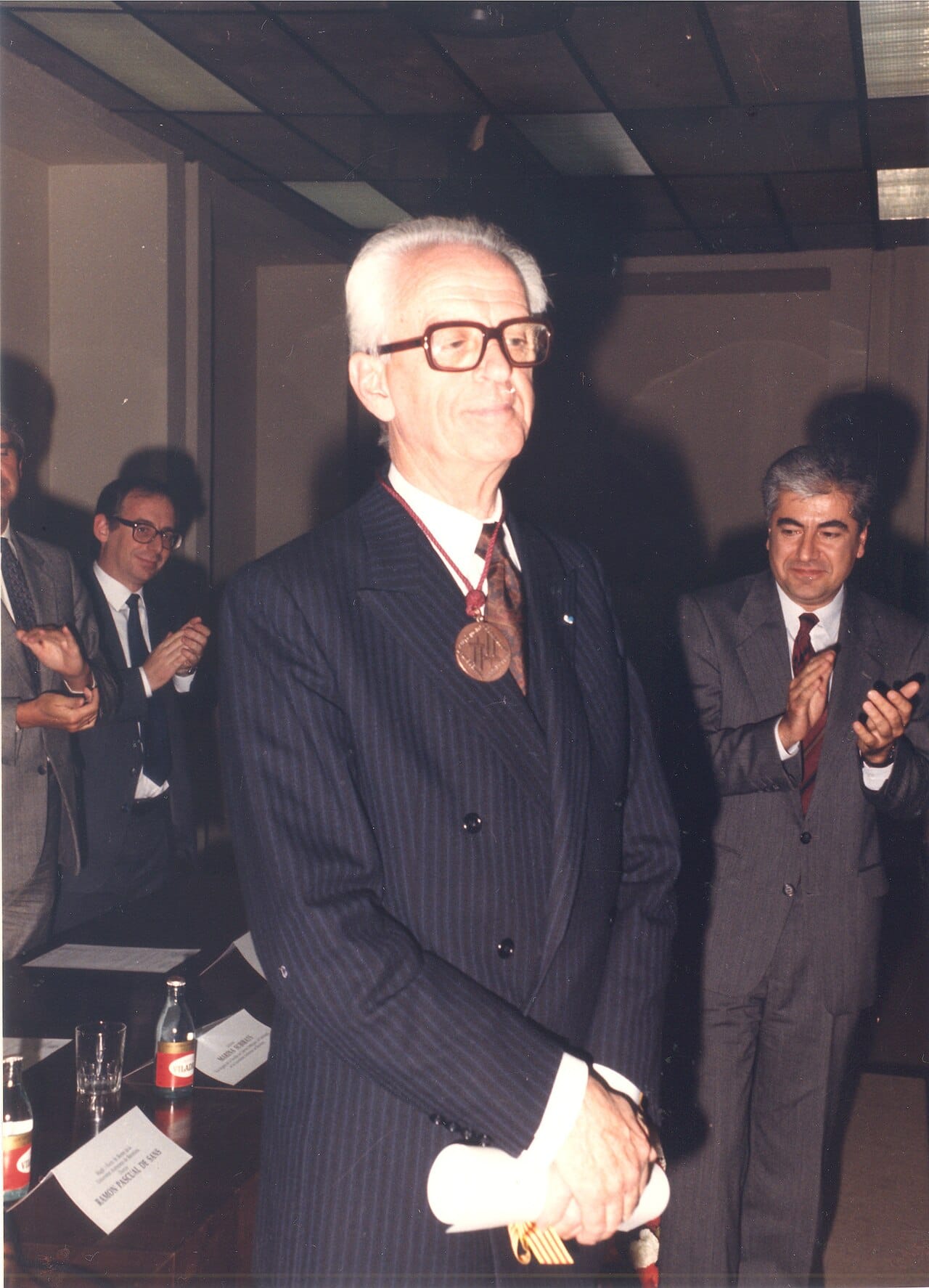
Rule by the people, in practice meaning a system in which political authority derives from citizens through regular competitive elections, exercised under constraints on what any majority may do.

The word combines the Greek terms for people and rule. Its content has changed enormously.
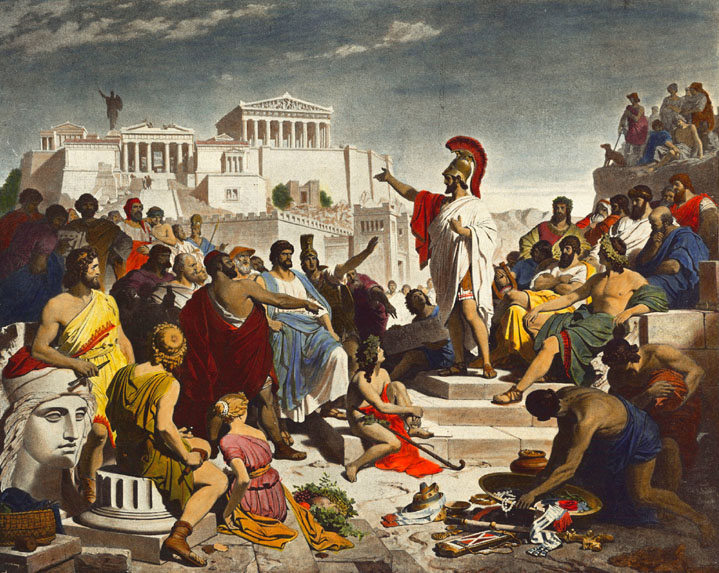
Direct democracy has citizens decide matters themselves. Athens in the fifth century BCE used it, with an assembly open to citizens and many offices filled by lottery rather than election, on the reasoning that selection by lot prevents the wealthy and well-connected from monopolising office.
Athenian democracy excluded women, enslaved people and resident foreigners, which was the majority of the adult population. The system was direct because it was small and because the excluded majority did the work that gave citizens time for politics.
Representative democracy, which is what the term now normally denotes, has citizens elect others to decide on their behalf. It scales to large populations and introduces the problem of whether representatives are delegates carrying out instructions or trustees exercising judgement.
Liberal democracy adds constraints on majority power: individual rights, an independent judiciary, and limits on what may be enacted regardless of how many favour it. The addition is deliberate, since elections alone do not prevent a majority from removing the rights of a minority.
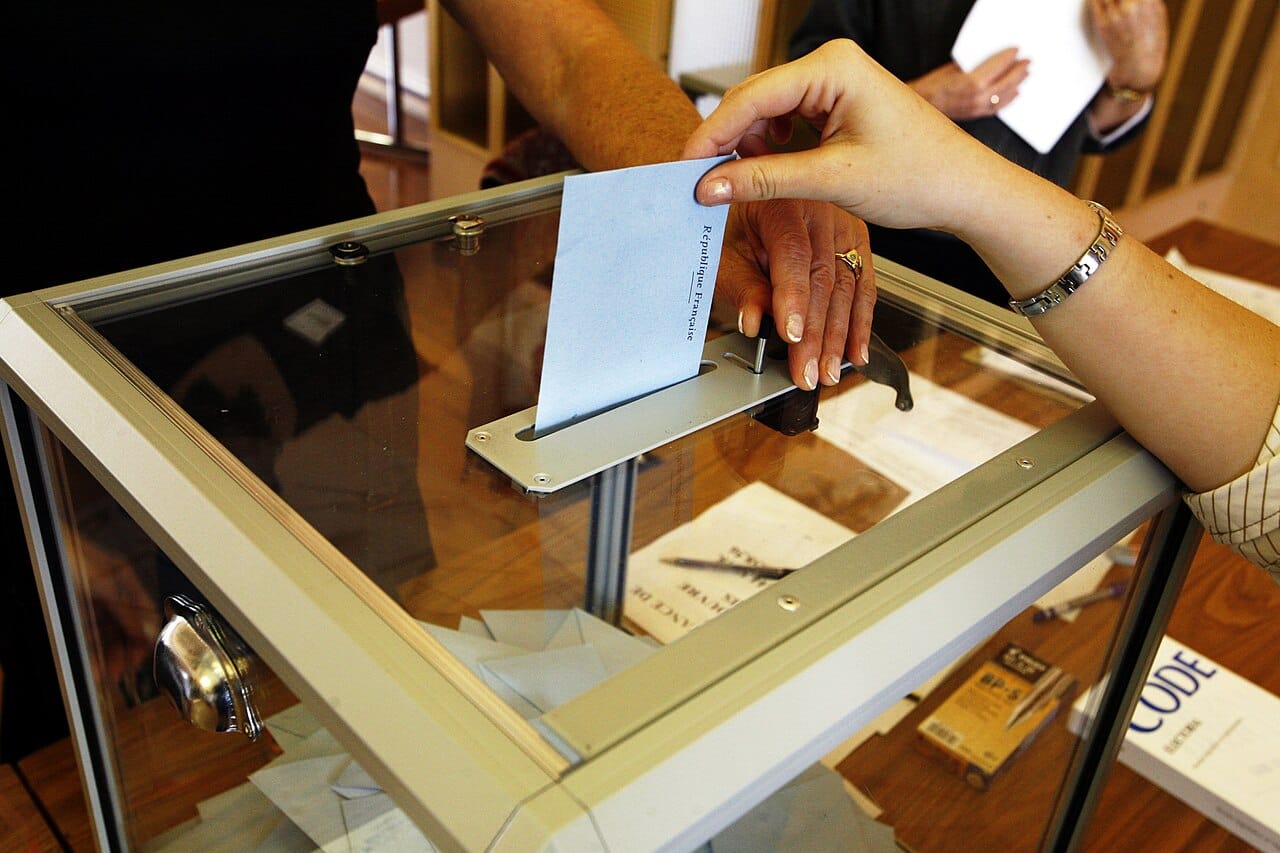
Elections that are free, fair, regular and genuinely competitive, with a real possibility that the government loses.
Universal adult suffrage, which is recent almost everywhere. Property, race and sex restrictions were removed gradually, and full female suffrage arrived in most democracies during the twentieth century.
Freedom of expression, assembly and association, without which competition is nominal.
Rule of law, so that the government is bound by rules it cannot alter at will.
Independent institutions, including courts, election administration and press, that are not controlled by the incumbent.
The transfer of power. Many observers treat a peaceful handover following defeat as the single clearest test, since it demonstrates that the outcome binds those who lose.
Assemblies and councils appear in many societies, and the specific institutional line that produced modern democracy runs through European parliaments that constrained monarchs.
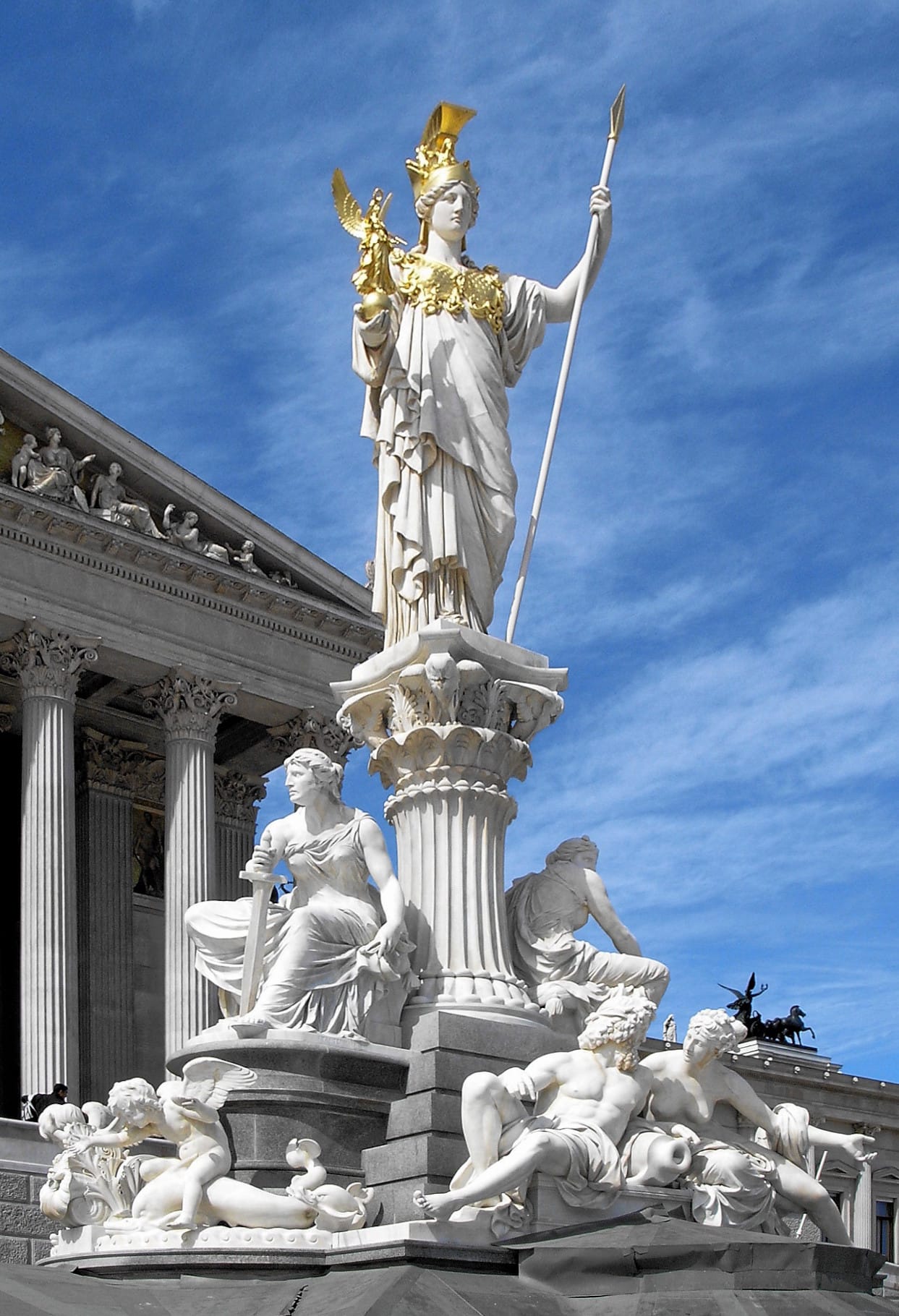
Magna Carta in 1215 established that a ruler is subject to law. Parliaments emerged as bodies whose consent was required for taxation, which gave them leverage that grew over centuries.
The English settlement of 1688, the American constitution and the French revolution established written constraints, separated powers and, in principle, popular sovereignty, while restricting participation to a small propertied minority.
The nineteenth and twentieth centuries extended the franchise, generally after sustained campaigning and often after conflict.
Counts of democracies show three broad expansions, after the First World War, after the Second, and after 1989, each followed by partial reversal.
Several organisations that classify regimes have reported a period of decline, with more countries moving away from democratic practice than toward it over the past two decades, though the measures differ and the size of the decline is disputed.
The characteristic pattern identified is not the coup but gradual erosion by elected governments: courts brought under control, election administration altered, media ownership concentrated, and opponents pursued through legal process. Each step is individually defensible and the accumulation is not, which is what makes it difficult to resist.
Hybrid regimes, which hold elections that are not genuinely competitive, are now common enough that binary classification is inadequate, and most indices score countries on continuous scales instead.
The competence objection, made by Plato, is that political questions require expertise and that the general public lacks it. Empirical work on how little the average voter knows about policy is frequently cited in support, and the standard reply is that expertise does not confer legitimate authority over others and that experts have interests of their own.
The tyranny of the majority objection is that fifty one per cent may oppress forty nine. Constitutional rights and judicial review are the standard response, and they in turn raise the question of why unelected judges should override elected majorities.
The capture objection is that formal political equality coexists with large inequalities of wealth and organisation, so influence is not equal even where votes are.
The standard defence is comparative rather than idealised. It is that democracies have avoided the worst outcomes: mass famines have not occurred in functioning democracies with a free press, and the mechanism proposed is that a government facing removal must respond to visible suffering.
Democracy is the only widely held basis for political legitimacy that does not rest on force, inheritance or claimed divine authority, which is why even governments that do not practise it generally claim to.
Its practical case is less about producing correct decisions than about producing correctable ones. The distinguishing feature is a mechanism for removing a government without violence, and that mechanism is what erosion targets first.