Organisations that seek to place their members in government, generally by contesting elections. They are not mentioned in most founding constitutional documents and emerged despite explicit hostility, and no large democracy operates without them.
Parties perform functions that a legislature of unaffiliated individuals could not.
They aggregate interests, combining many specific demands into a manageable number of programmes, which is what makes an election a choice rather than an unreadable list.
They recruit and select candidates, which is a substantial screening function performed before voters see any names.
They organise government, providing the stable majorities that allow an executive to legislate, and organising opposition so that scrutiny is systematic rather than occasional.
They simplify voting. A party label conveys a great deal of information cheaply, which allows voters to make reasonable choices without researching every candidate.
They provide accountability at scale, since a voter can hold a party responsible for a record in a way that is impractical for hundreds of individuals.
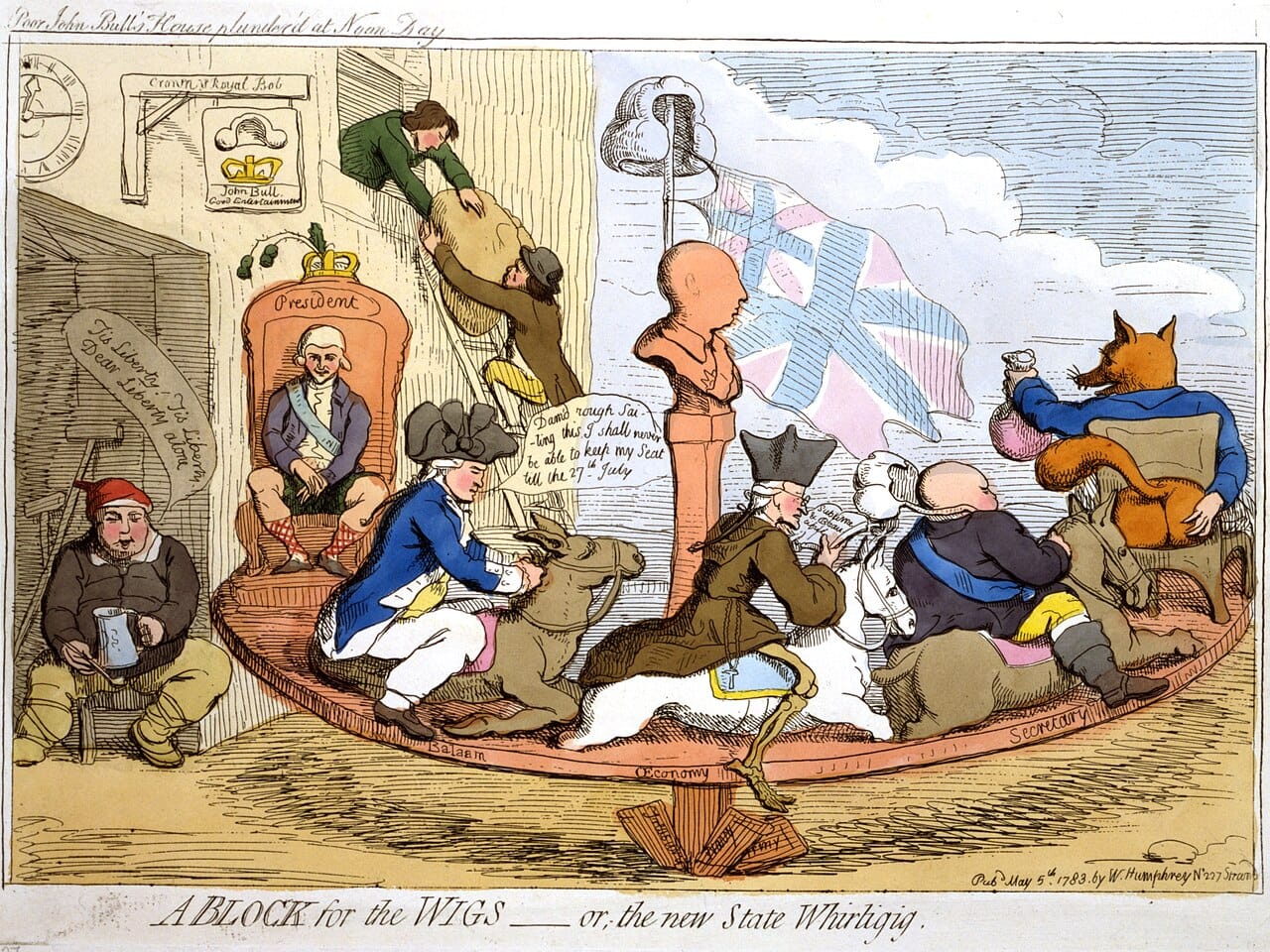
Parties were not designed and were generally deprecated by the people who founded the systems they now dominate.
They developed from parliamentary factions in Britain, with the Whig and Tory groupings emerging in the late seventeenth century.
The United States constitution makes no provision for them, and Washington warned against the spirit of party in his farewell address. Organised parties nonetheless formed within a decade, because coordinating votes in a legislature and mobilising voters in an election both reward organisation.
The extension of the franchise in the nineteenth century made mass organisation necessary, since reaching a large electorate required permanent machinery rather than temporary alliances.
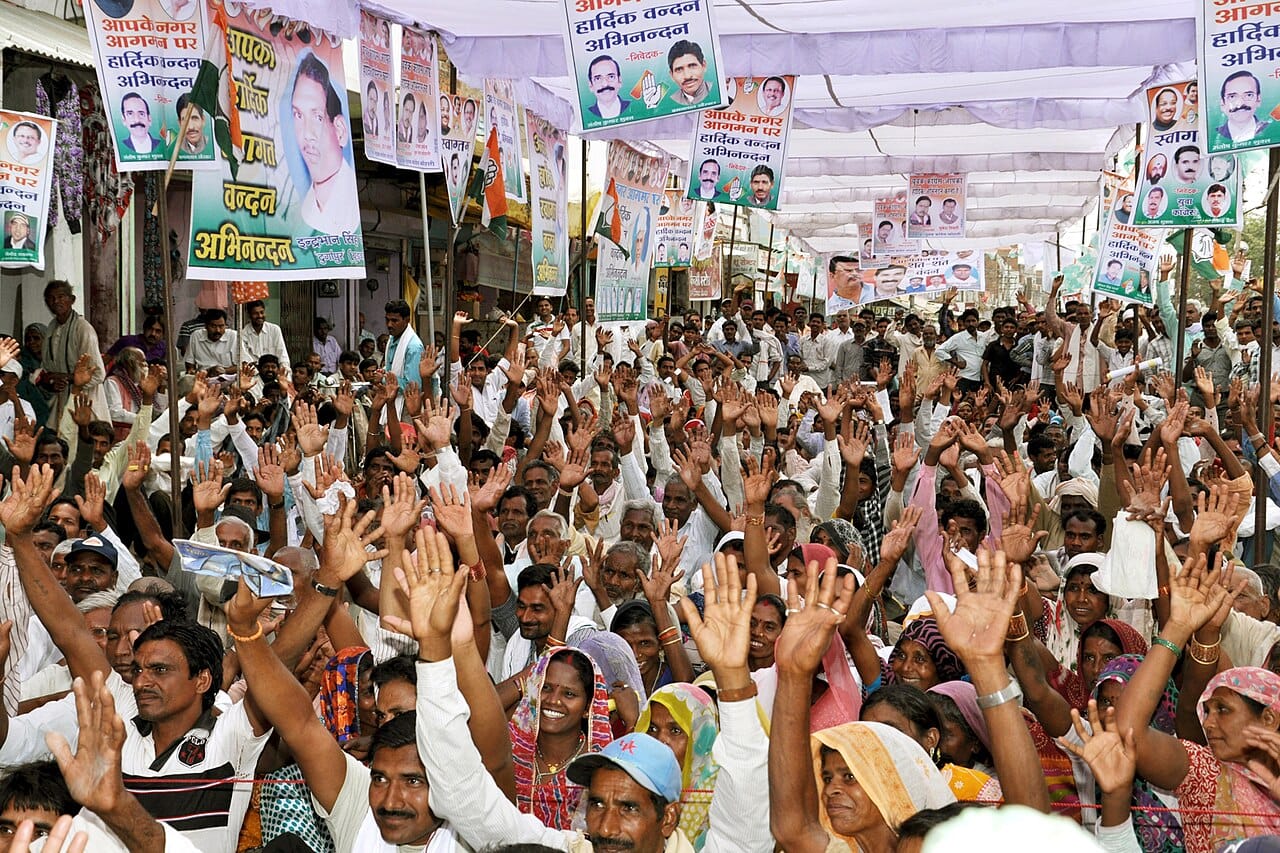
Twentieth century parties developed mass membership, professional staff and formal programmes. Membership has since declined substantially across most established democracies, with parties increasingly funded by the state or by large donors and staffed by professionals rather than volunteers.
The number of parties in a system is strongly influenced by the electoral rules, as the elections and Duverger's law capsules describe.
Single-member district systems with plurality winners tend toward two significant parties, because voters abandon candidates who cannot win locally and smaller parties are squeezed.
Proportional systems sustain more parties, since a party with modest nationwide support wins seats rather than nothing.
Social divisions also matter. Where a society has several cross-cutting cleavages, whether religious, linguistic, regional or class-based, more parties are sustained if the electoral system permits them.
The interaction is what determines outcomes. Proportional representation in a homogeneous society produces fewer parties than in a divided one.
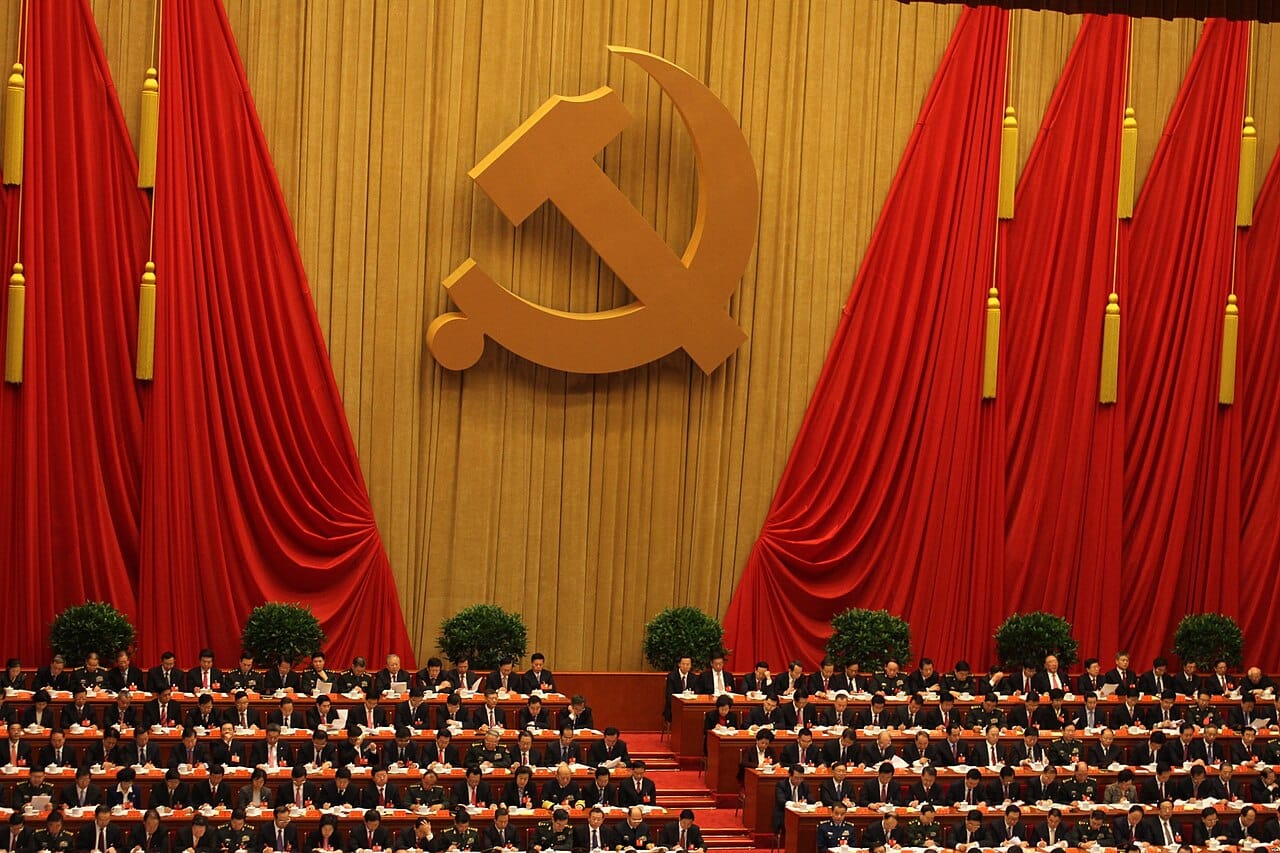
Candidate selection is arguably the most consequential activity and the least visible. In safe seats, selection determines the outcome, and it is decided by a small number of members or officials.
Leadership selection methods vary widely and have generally moved toward wider participation, which has weakened the influence of legislators over their own leaders.
Discipline is the mechanism converting a party into a governing instrument. Systems where leaders control candidacy produce cohesive voting; systems with independent candidate selection produce more defection.
Factions exist within essentially all significant parties, and the boundary between a broad party and a coalition is often a matter of electoral rules rather than of internal unity.
Membership decline is documented across established democracies, with parties that once had millions of members now having a fraction of that.
Partisan identification has weakened in some countries and hardened in others, and affective polarisation, meaning hostility toward supporters of other parties rather than disagreement about policy, has risen measurably in several.
New parties have entered systems that were long stable, and established parties have lost vote share in much of Europe.
Whether parties are being replaced by other forms of political organisation, including movements and personal vehicles for individual leaders, is argued. The counter-observation is that these generally become parties if they wish to govern, because the functions listed above still need performing.
Parties are the institution through which democratic choice is made practical, and the absence of a constitutional provision for them in most systems is a reminder that the most important political institutions are frequently not the designed ones.
Their internal processes also matter more than is generally recognised. What voters are offered has already been narrowed by selection procedures involving far fewer people than any election, which is where a substantial part of political power actually sits.