Language organised for its sound and rhythm as well as its meaning. It is older than prose literature, older than writing, and its formal constraints were originally practical rather than decorative.
Poetry uses the physical properties of language deliberately: rhythm, repetition, sound patterning and line breaks.
The line is the defining unit. Prose runs to the margin; poetry breaks where the poet decides, and that decision creates emphasis and pace that punctuation alone cannot.
Compression is characteristic. Poetry generally says less on the page and implies more, relying on image, association and what is left out.
Sound carries meaning alongside sense. Rhyme, alliteration, assonance and metre are not ornament; they create expectation and its fulfilment or frustration, which is part of how a poem produces its effect.
None of these is exclusive to poetry, and the boundary with prose is genuinely blurred by prose poetry and by free verse.
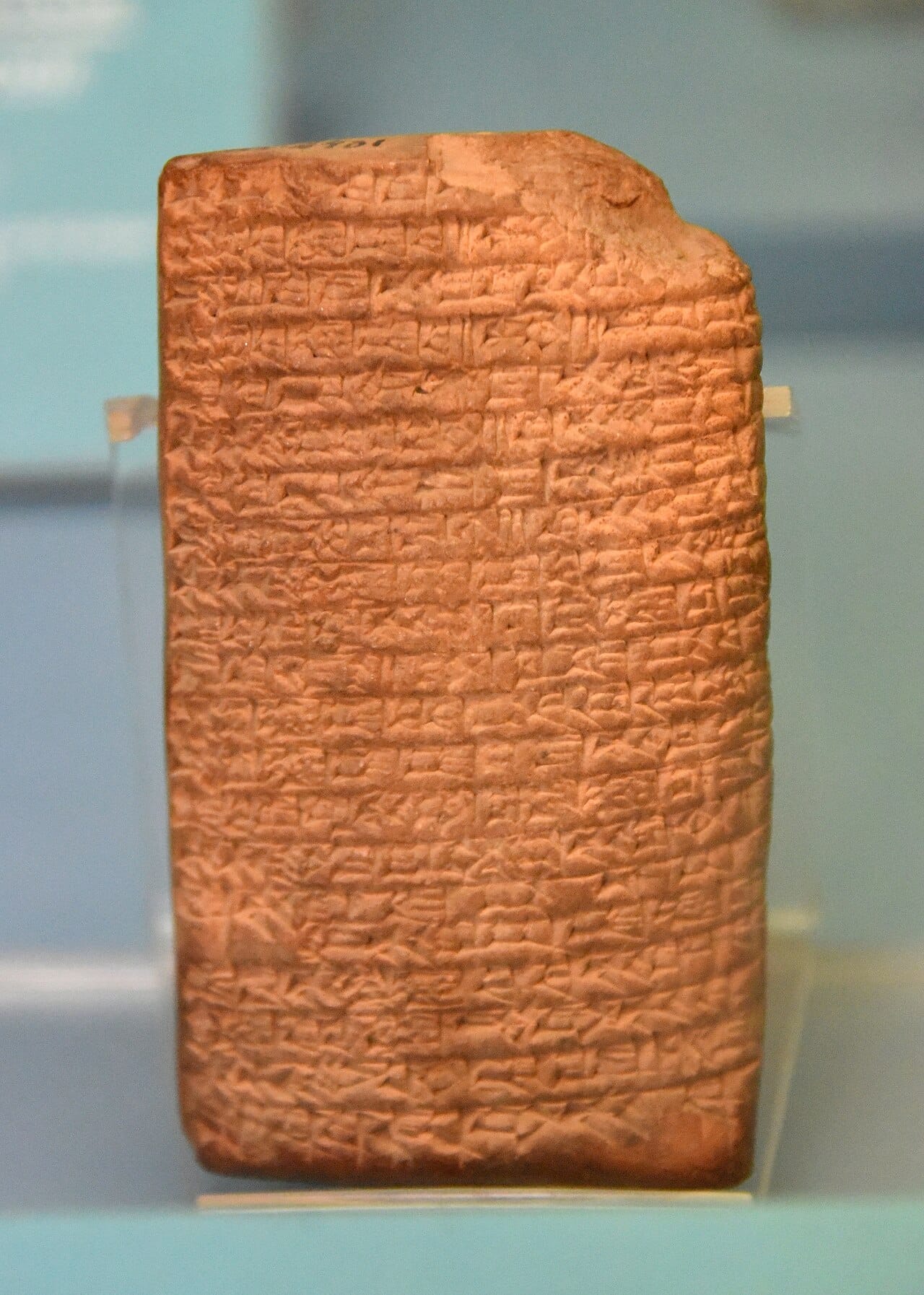
The formal features were originally functional. Poetry developed in oral cultures, and metre, rhyme and formulaic phrasing are memory technologies.
A line with a fixed rhythm resists corruption, because a substituted word that does not fit is immediately audible. Rhyme constrains the possibilities at the end of a line. Repeated formulas give a performer building blocks that can be assembled in performance.
This is why oral epic is in verse everywhere it is found and why the Homeric poems, the Vedas and the Epic of Manas were transmitted accurately for centuries without writing. The oral tradition capsule sets out the mechanisms.
Once writing removed the need for memorisation, the forms persisted because they had become the art rather than the aid.
Metre organises rhythm and works differently in different languages, because languages differ in what is rhythmically salient.
English and German use stress, counting patterns of stressed and unstressed syllables. Iambic pentameter, five units of unstressed followed by stressed, is the dominant English line.
Classical Greek and Latin used length, distinguishing long and short syllables rather than stress.
French counts syllables, since French stress is regular and carries no rhythmic information.
Classical Chinese poetry uses tone patterns alongside syllable count, exploiting a feature English does not have.
Arabic and Persian use quantitative systems of considerable complexity.
The general point is that verse form is built on whatever the language makes audible, which is why metrical systems do not transfer and why translating poetry is the hardest case of the problem described in the translation capsule.
Fixed forms recur across traditions. The sonnet, ghazal, haiku, villanelle and sestina each impose constraints, and poets have consistently reported that constraint is generative rather than limiting, forcing choices that unconstrained writing would not produce.
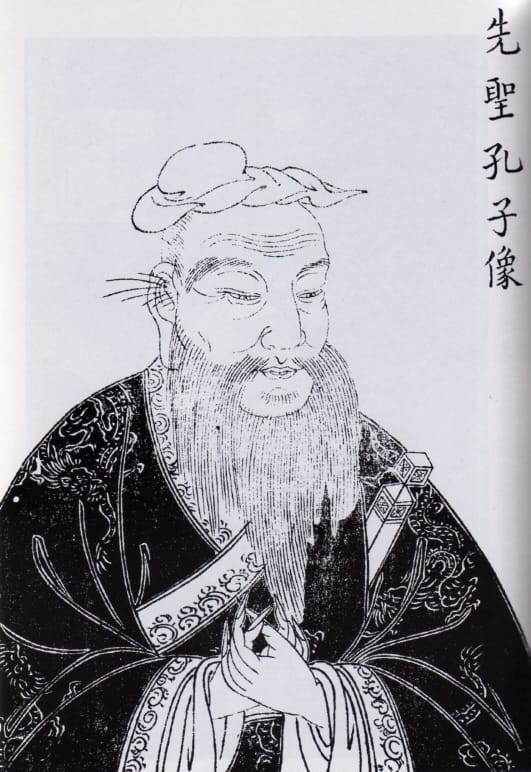
Poetry has carried functions that later moved elsewhere.
Religious and ritual language is very often verse, including psalms, hymns, sutras and liturgy, partly for memorability and partly because heightened language marks a heightened occasion.
Law and genealogy were transmitted in verse in several oral cultures, again for accuracy.
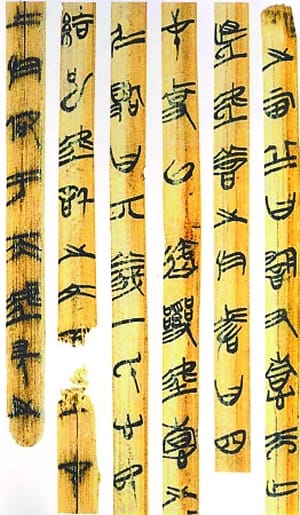
Education used poetic canons as core curricula. The Book of Songs in China and the Homeric poems in Greece were memorised as the foundation of an educated person's formation.
Praise and political argument were delivered in verse, and court poets held formal positions with attendant obligations.
Free verse, which abandons regular metre and rhyme, became dominant in Western poetry during the twentieth century.
The change was deliberate and argued for, on the grounds that inherited forms had become automatic and that rhythm should follow the movement of thought and speech rather than a pre-existing pattern.
It did not remove form so much as replace fixed forms with ones invented for each poem, and the line break remained.
Formal verse has continued alongside it, and the argument between the two has been running for over a century without resolution, which is normal for questions of this kind.
Performance has also returned. Spoken word and recorded performance have restored the oral dimension that print had made secondary, and poetry now reaches large audiences through performance and recording as well as through books.
Poetry is the oldest surviving form of composed language, and its formal features are a direct record of what was required to transmit anything accurately before writing.
It also does something no other use of language attempts systematically, which is to make the sound of a statement part of its meaning. That is why poems resist paraphrase: restating the content in other words changes the thing itself in a way that summarising an argument does not.