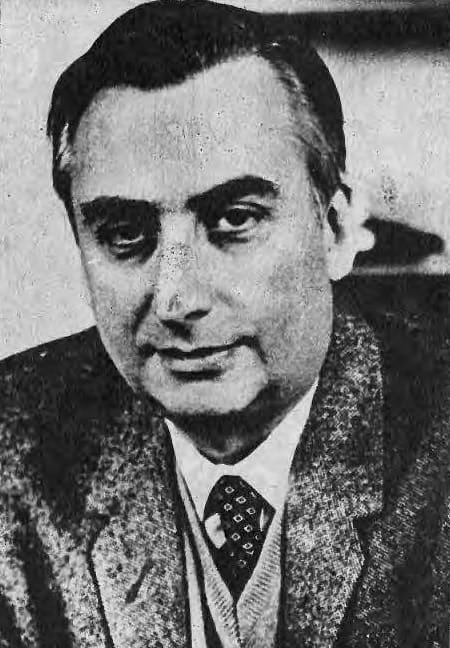
The claim that the works attributed to William Shakespeare were written by someone else. It has attracted eminent supporters for a hundred and seventy years, more than eighty candidates have been proposed, and the documentary evidence against it has never seriously been in doubt among scholars who work on the period.
The contemporary evidence attributing the works to Shakespeare of Stratford is ordinary and abundant by the standards of the period.
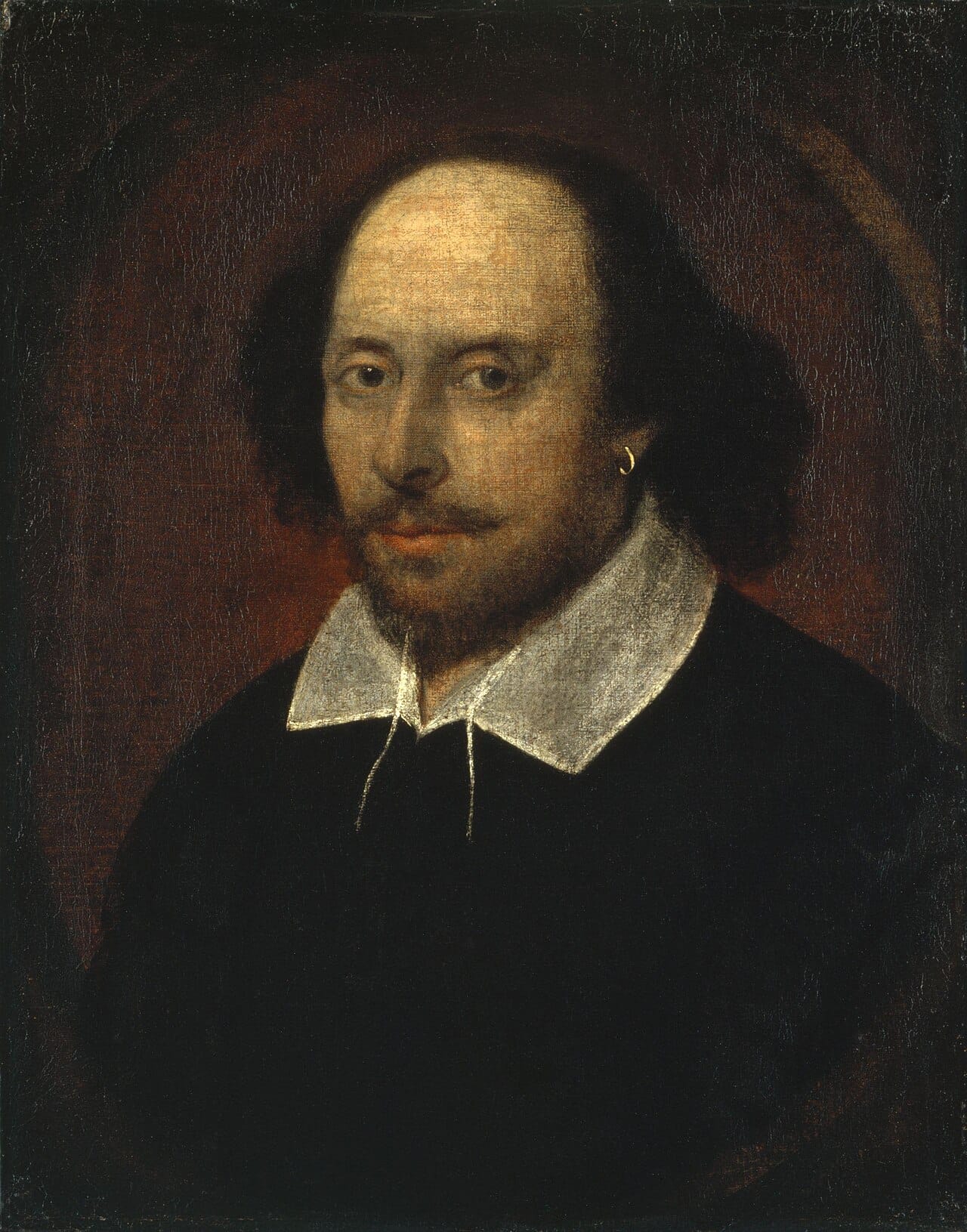
His name appears on the title pages of published plays and poems during his lifetime. He is named in the records of the King's Men, the company that performed the plays, and he was a shareholder in it. Contemporaries wrote about him as a writer: Francis Meres listed him among England's best playwrights in 1598, and Robert Greene attacked him in print in 1592 in terms making clear he was both actor and author.
The First Folio of 1623 was assembled by two of his fellow actors, John Heminges and Henry Condell, who had worked beside him for two decades. Ben Jonson, who knew him personally and was not given to flattery, wrote its dedicatory poem and called him the Swan of Avon, which locates him at Stratford unambiguously. Shakespeare's will leaves money to Heminges, Condell and Richard Burbage to buy memorial rings.
No contemporary of any kind expressed doubt about the authorship.
The question is first raised in the mid-nineteenth century, more than two hundred years after his death. Delia Bacon published the first sustained argument in 1857, proposing a group led by Francis Bacon.
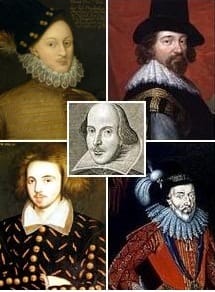
The candidates have accumulated since: Francis Bacon, Christopher Marlowe, the Earl of Derby, the Earl of Rutland, the Countess of Pembroke, Queen Elizabeth I, and more than eighty others. Notable people have supported the doubt, among them Mark Twain, Henry James, Sigmund Freud and several Supreme Court justices, which is the strongest thing that can be said for it.
The recurring premise is that a glover's son from a provincial town, without a university education, could not have written works displaying knowledge of law, court manners, foreign geography and classical literature.
This does not survive contact with the period. The Stratford grammar school gave a rigorous classical education in Latin, and Shakespeare's classical references are consistent with a grammar school syllabus rather than a university one. His contemporaries Ben Jonson and Christopher Marlowe came from comparable backgrounds, Jonson from a bricklaying family. The legal and geographical knowledge in the plays is at the level available from printed sources and conversation, and the plays contain geographical errors, including giving Bohemia a coastline, which a well-travelled aristocrat would be less likely to make.
Underneath the argument is an assumption about who is capable of genius. That assumption is the whole case, and stating it plainly is most of the refutation.
Edward de Vere, the seventeenth Earl of Oxford, was proposed in 1920 by J. Thomas Looney and is now the most supported alternative.
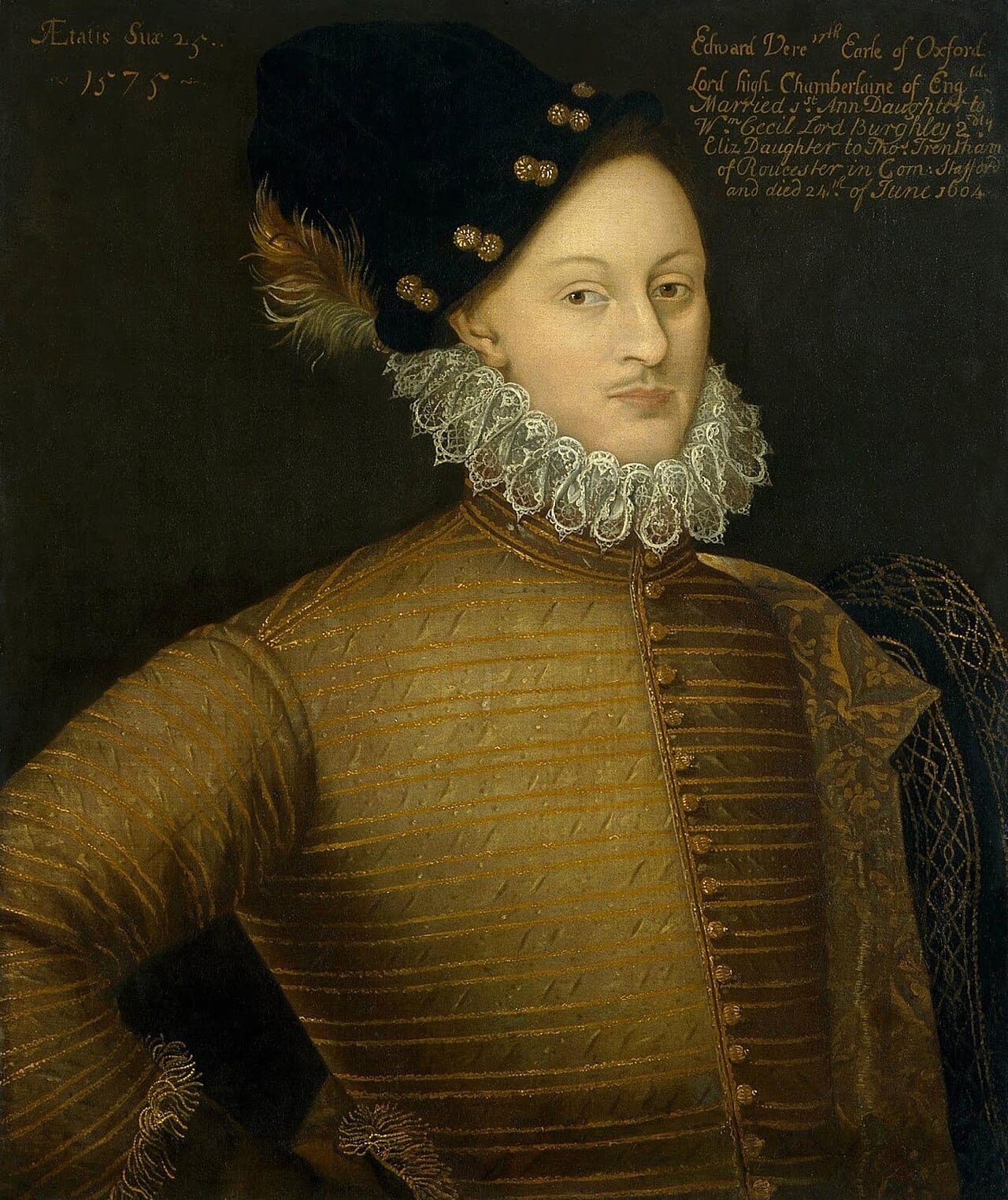
He died in 1604. At least ten plays, including King Lear, Macbeth, Antony and Cleopatra and The Tempest, were written after that date on the standard chronology, which rests on printing records, performance records, and topical references. The Tempest draws on an account of a 1609 shipwreck in Bermuda. Macbeth reflects the Gunpowder Plot of 1605.
The response is to redate the plays earlier, which requires rejecting the independent evidence that fixes them, and to suggest the later plays were held back and released posthumously, for which there is no evidence.
There is no debate within Shakespeare studies. Surveys of academics specialising in the period find effectively unanimous support for the traditional attribution, and the peer-reviewed literature contains no serious anti-Stratfordian case.
Computational stylometry has repeatedly confirmed a single distinctive authorial hand across the canon, and has separately identified collaborators, Thomas Middleton, George Wilkins, John Fletcher, in specific plays. Those methods find the collaborations they are looking for and do not find Oxford, Bacon or Marlowe.
The question remains interesting as a study in how doubt is manufactured and sustained, which is a different subject from Elizabethan literature.