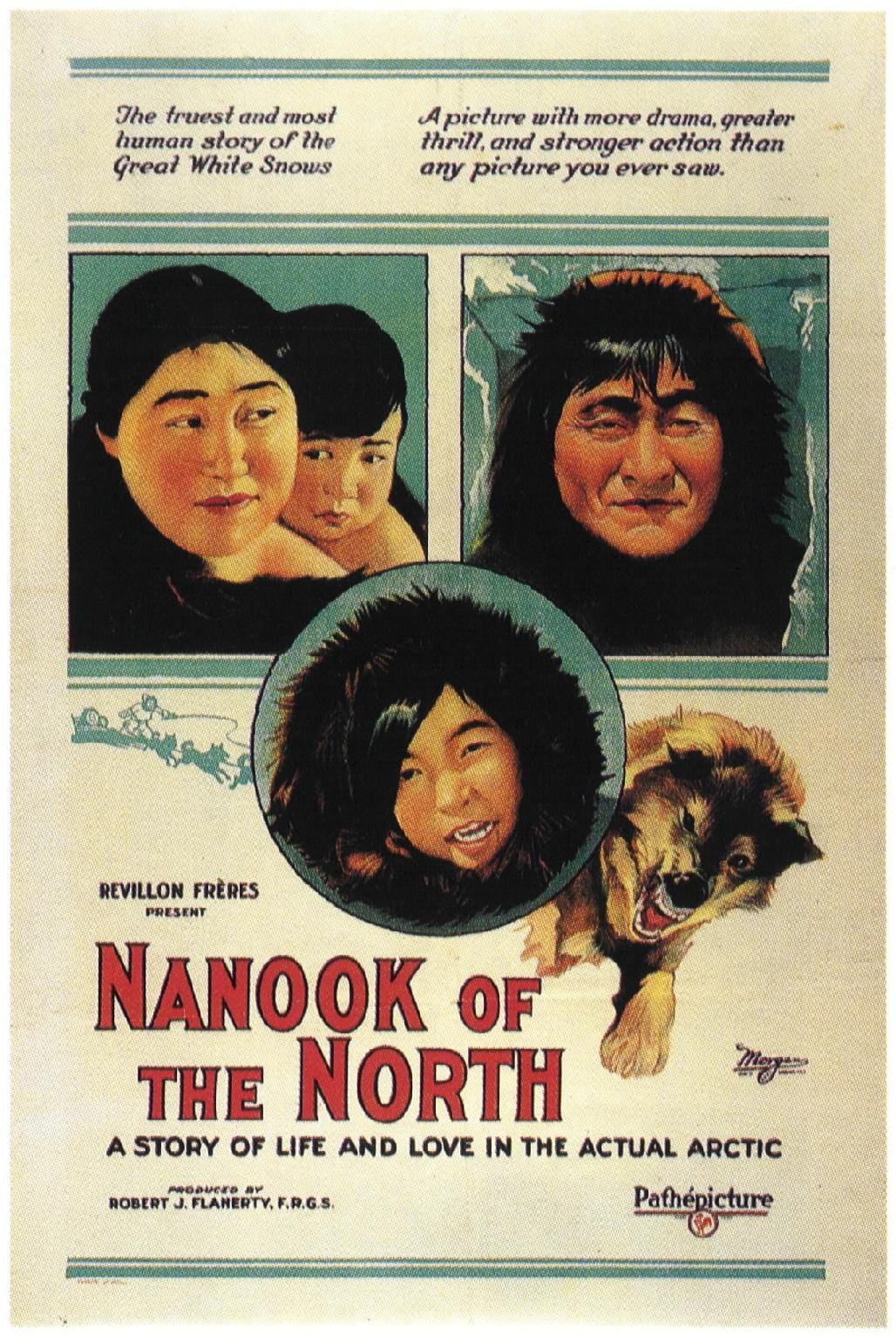
The position that a film's director is its author, and that the best directors impress a consistent personal vision across their work even within commercial constraints. It transformed how films are discussed and valued, and its central claim has been contested since it was made.
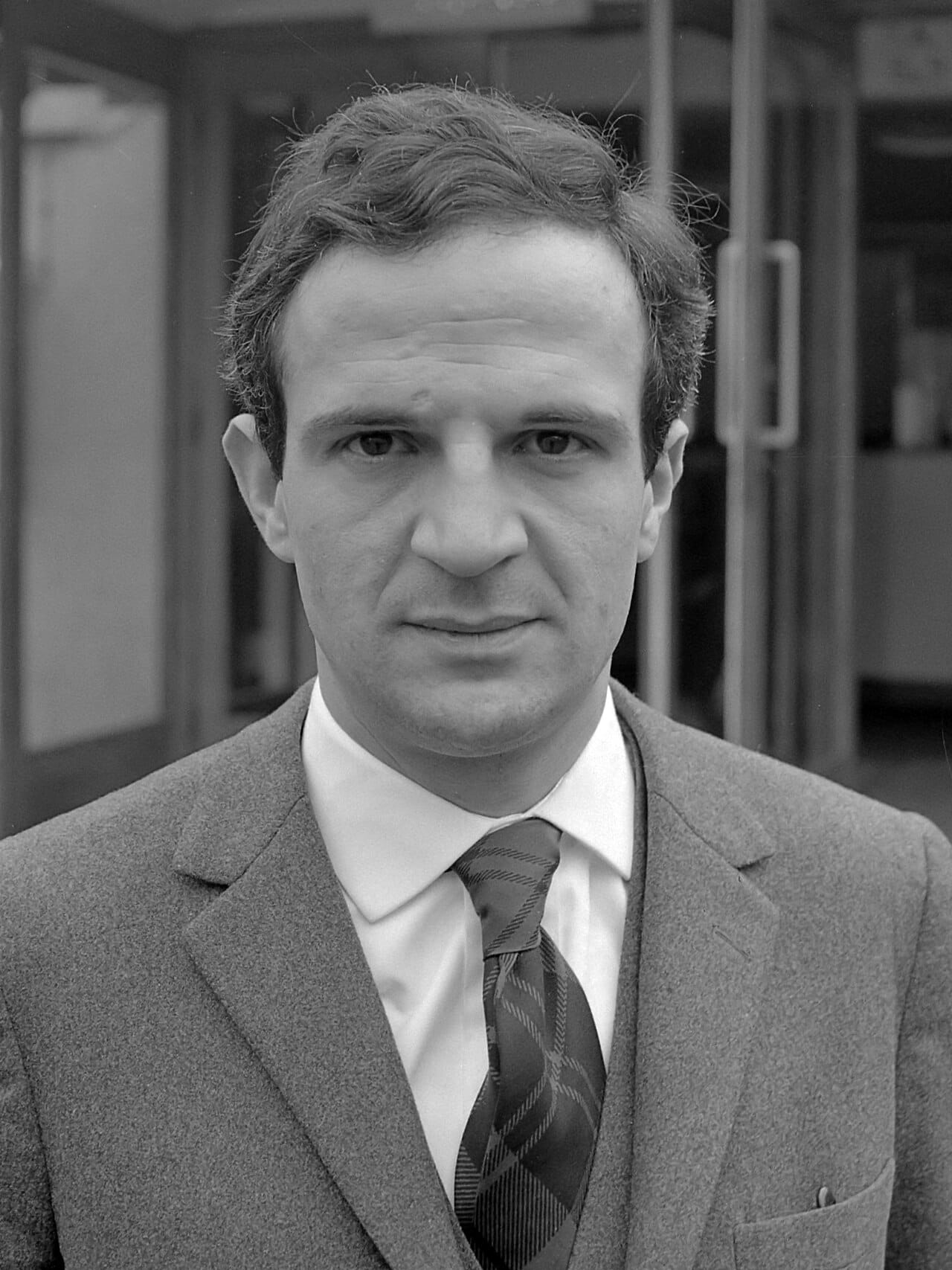
The argument was made at the French journal Cahiers du Cinema in the 1950s. Francois Truffaut's 1954 article A Certain Tendency of French Cinema attacked what he called the tradition of quality: literary adaptations in which the director illustrated a screenwriter's work.
Against that, the Cahiers critics, Truffaut, Jean-Luc Godard, Eric Rohmer, Claude Chabrol, promoted directors whose films carried a recognisable signature. Most of them subsequently became directors, and the French New Wave is in part the theory put into practice.
Their most provocative move was where they looked. Rather than European art cinema, they championed Hollywood studio directors working within genre and under commercial constraint, arguing that the constraint made the personal signature more visible rather than less.
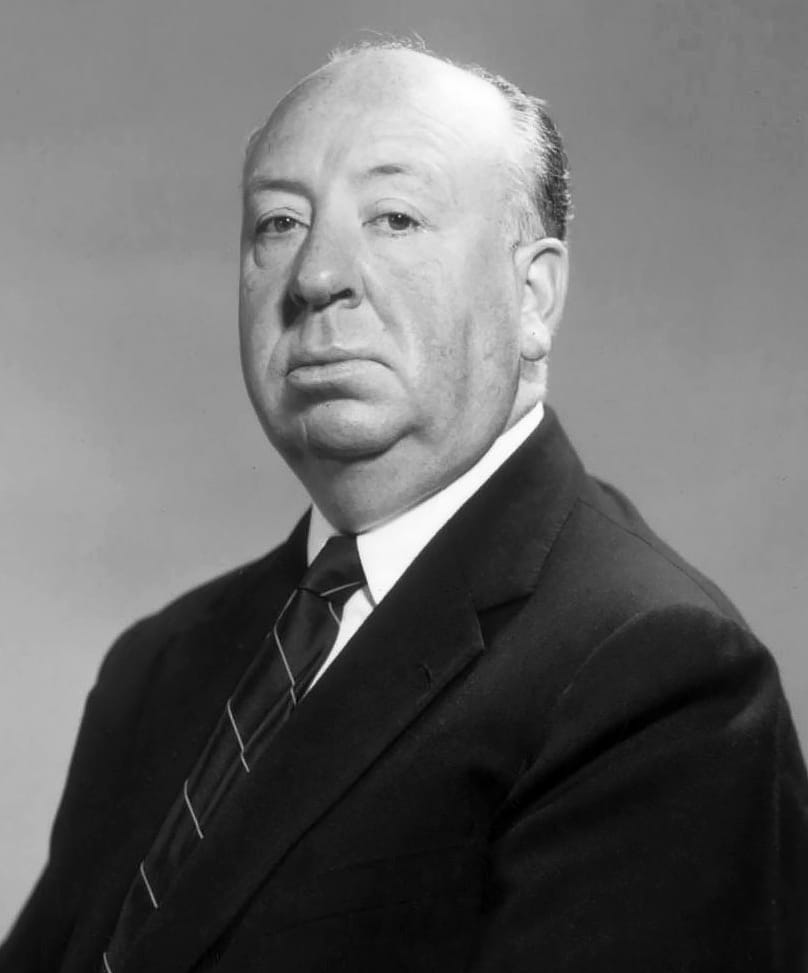
Alfred Hitchcock is the central case. He was regarded as a skilled entertainer, and the Cahiers critics argued he was a major artist with consistent moral and formal preoccupations. Truffaut's book-length interview with him, published in 1966, made the case at length and largely won it. Howard Hawks, John Ford, Nicholas Ray and Samuel Fuller were re-evaluated on the same grounds.
Andrew Sarris introduced the argument to American criticism in 1962 as the auteur theory, and built rankings of directors from it, which sharpened both its influence and the objections to it.
Pauline Kael's 1963 reply, Circles and Squares, is the best known attack and its central point is hard to answer: film is collaborative, and crediting the director with everything misdescribes how films are made.
The specific difficulties are concrete. Cinematographers shape the look of a film decisively, and directors known for a visual style have often worked repeatedly with one. Editors determine rhythm and frequently structure. Screenwriters determine what happens. Producers in the studio system chose projects, imposed casts and ordered recuts, and in some cases the recognisable style belongs to the studio rather than to any director.
Kael also objected to the ranking, arguing that treating consistency as the mark of quality rewards directors who repeat themselves and penalises those who do something different each time. A director who makes the same film well eight times scores higher than one who makes eight different good films.
The theory's critics have also noted that its canon was almost entirely male and Western, and that the criteria for recognising a signature were vague enough to find one wherever a critic wished to.
Whatever its merits as a theory, its effects are large and mostly permanent.
Directors are now the names attached to films in criticism, marketing and awards, and possessory credit is standard for those with sufficient standing. Film studies as an academic discipline was built substantially on the study of directors' bodies of work. Retrospectives, home video collections and streaming categories are organised the same way.
It also rescued a great deal of work. Popular genre film had been dismissed as beneath serious attention, and reading it for authorship was the route by which westerns, thrillers and melodramas entered the canon. Whether or not the theory is correct, that reassessment has held.
Few scholars now defend the strong version, that the director is the sole author. Most work in the field treats film authorship as distributed, and studies producers, studios, stars, cinematographers and screenwriters as shaping forces in their own right.
The moderate version survives and is widely used: some directors do exert enough control that their films are usefully read together, and doing so reveals patterns that reading each film alone would miss. That is a claim about a useful critical method rather than about who made what.
The strong version persists most in popular film culture and in marketing, where a director's name is the simplest available way to signal what a film will be, and where the collaborative reality is inconvenient rather than unknown.