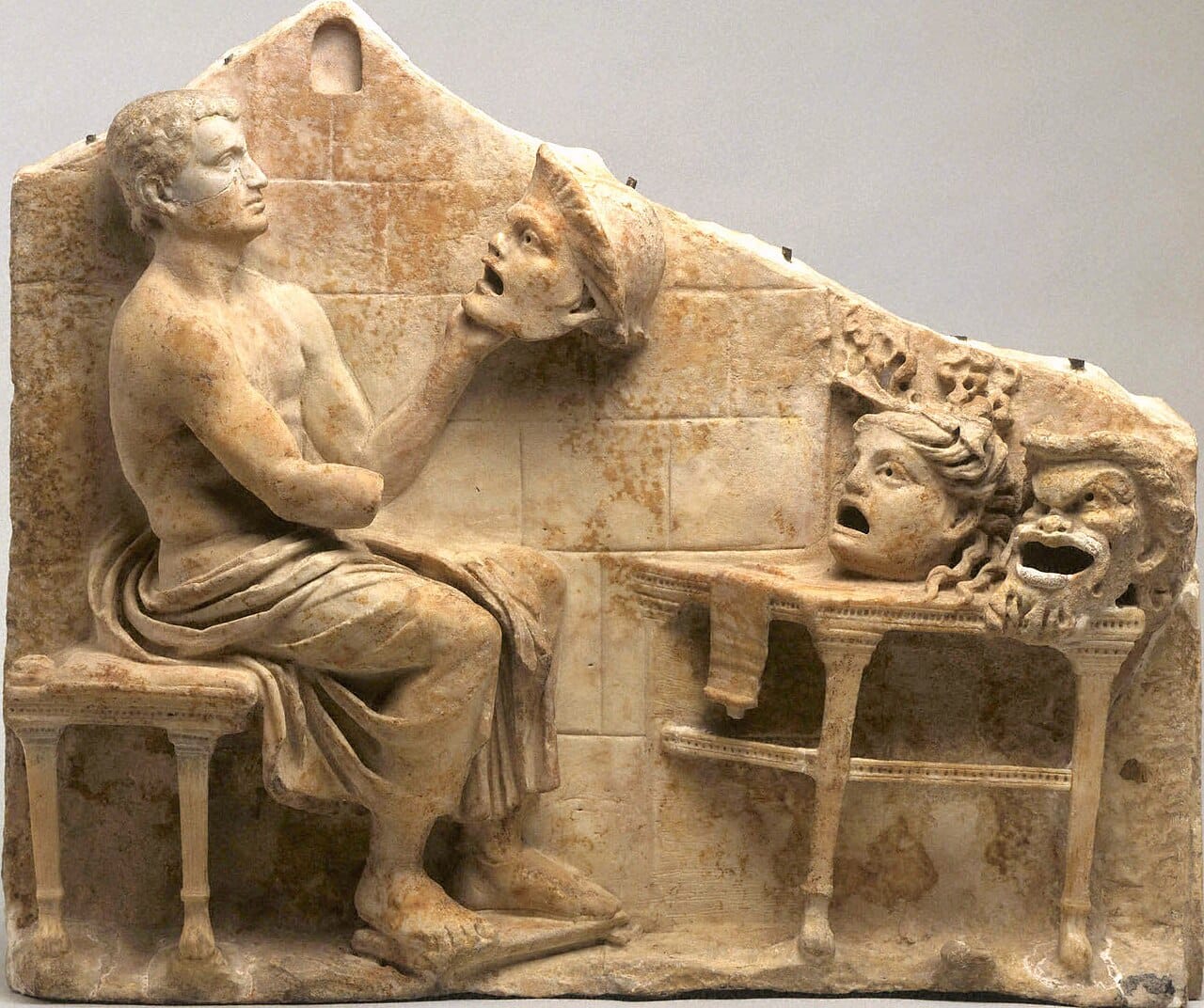
The study, interpretation and evaluation of literature. Its central question is what a text means and who decides, and the answers offered have changed the discipline repeatedly.
Criticism performs several distinct activities that are frequently conflated.
Interpretation asks what a work means.
Evaluation asks whether it is good, by some stated or unstated standard.
Analysis describes how a work is constructed, without necessarily judging it.
Contextualisation places a work in relation to its period, its author's life, its genre or its politics.
Theory asks what literature is and what interpretation can legitimately claim, which is a philosophical activity rather than a critical one and has dominated the field's disputes.
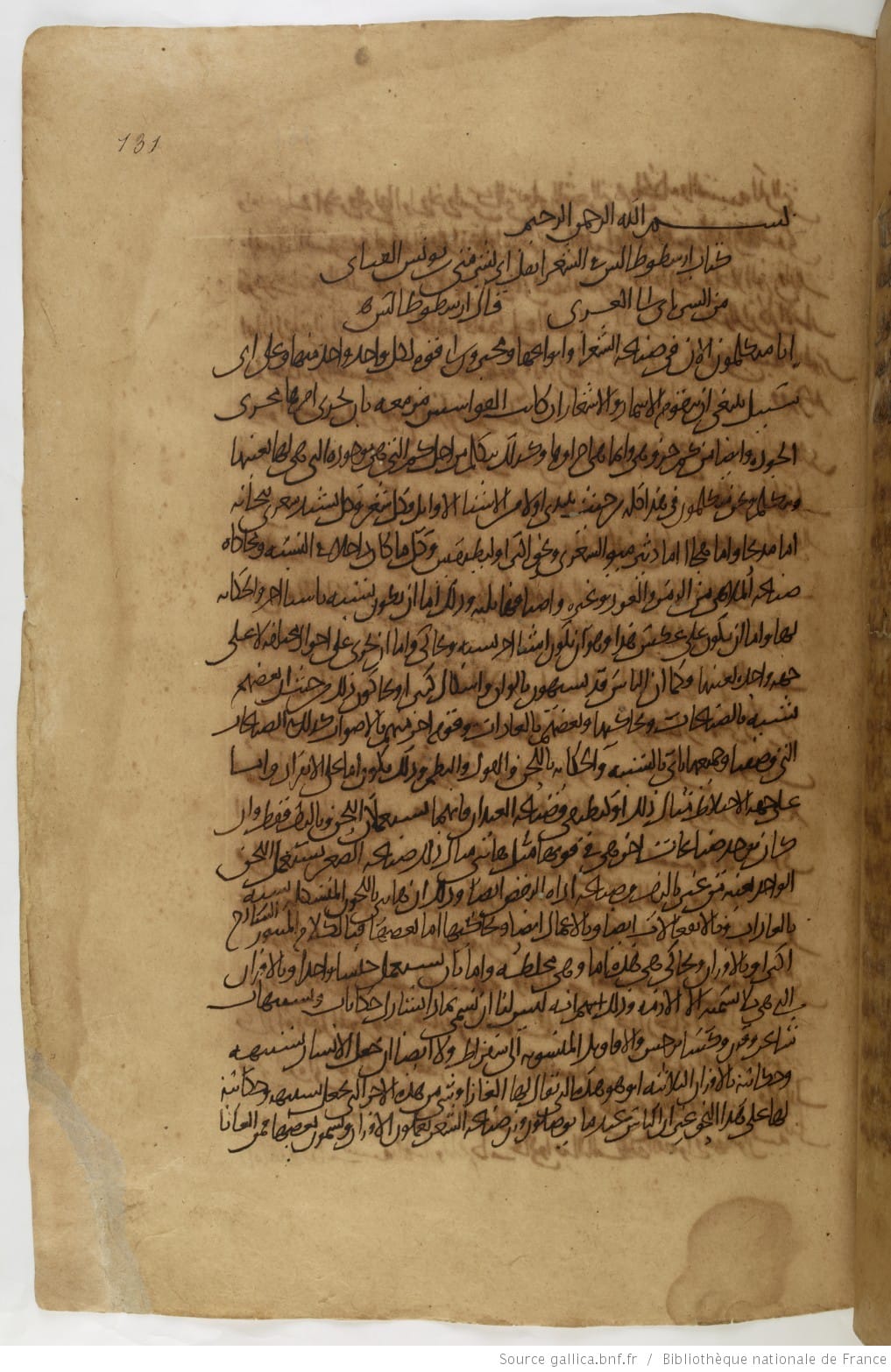
Aristotle's Poetics, from the fourth century BCE, is the founding text of Western criticism. It analyses tragedy structurally, identifying plot as primary, and describes the effect a tragedy should produce on an audience.
Its influence is difficult to overstate, and it reached medieval Europe substantially through Arabic transmission and commentary.
Horace and Longinus added further classical frameworks, concerned with instruction and pleasure, and with the sublime.
Classical criticism was largely prescriptive, concerned with what a work should do, and this orientation persisted through neoclassical criticism into the eighteenth century.
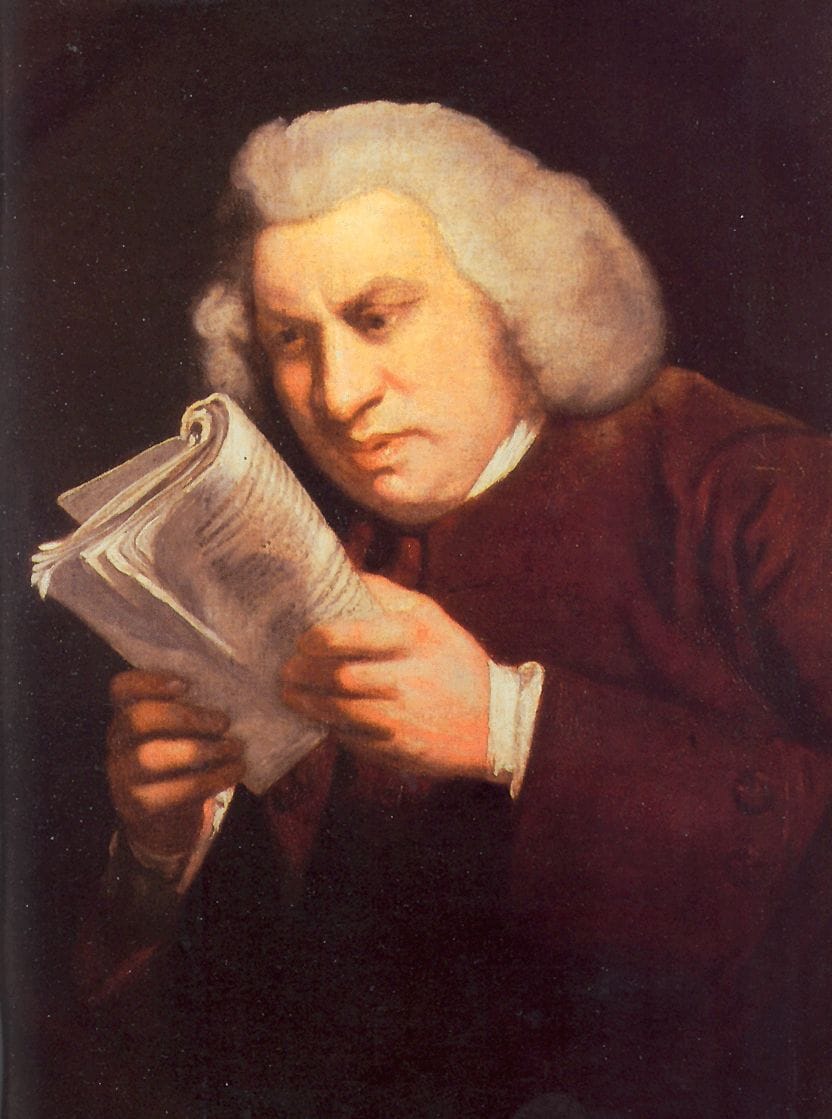
Biographical and historical criticism reads a work in light of its author's life and period. It was the dominant nineteenth century approach and remains standard in general discussion.
Formalism and New Criticism, from the early twentieth century, rejected that. They held that a work should be analysed as a self-contained object, and that appealing to the author's intention was a fallacy, as was judging a work by its emotional effect on a reader. Close reading of the text itself was the method.
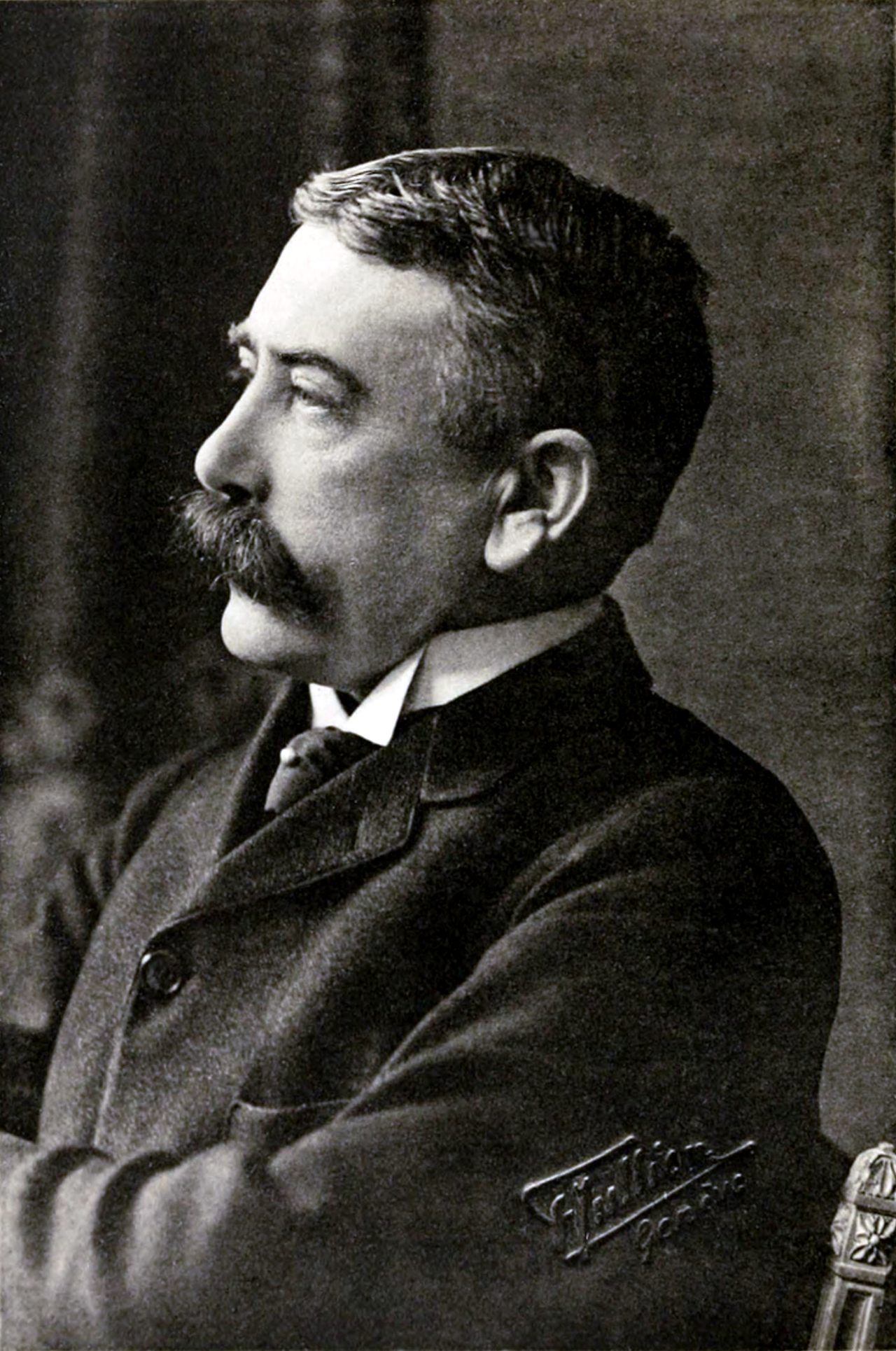
Structuralism applied Saussure's linguistics, treating literature as a system of conventions and looking for underlying structures shared across texts rather than for the meaning of an individual work.
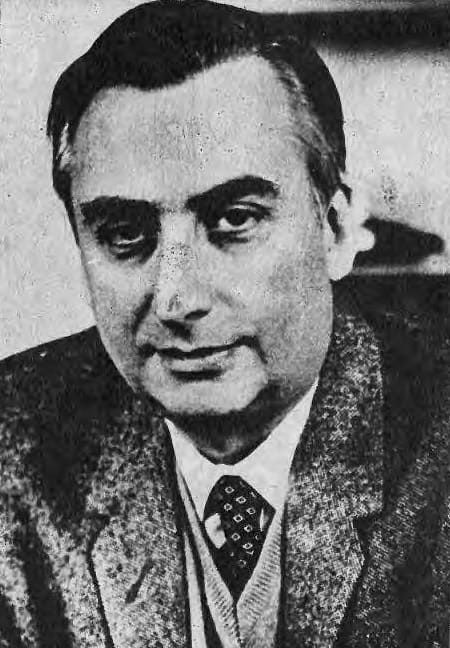
Post-structuralism and deconstruction, associated with Derrida and with Barthes, questioned whether stable meaning is available at all, arguing that texts contain tensions that undermine any single reading. Barthes's argument that meaning is made by the reader rather than fixed by the writer is treated in the death of the author capsule.
Marxist criticism reads literature in relation to class and material conditions. Psychoanalytic criticism reads it in relation to unconscious processes. Feminist criticism examines how gender is represented and how the canon was formed. Postcolonial criticism examines literature in relation to empire, and Edward Said's Orientalism was particularly influential.
Reader-response criticism locates meaning in the encounter between text and reader rather than in the text alone.
Recent approaches include ecocriticism, cognitive approaches drawing on psychology, and computational methods analysing large corpora statistically.
Whether the author's intention governs meaning has been argued since the New Critics declared it irrelevant, and ordinary readers generally assume it does.
Whether evaluation is possible or merely the expression of taste divides the field. The formation of a canon of great works has been examined as a historical process reflecting who held institutional power, which does not by itself establish that no evaluative distinctions can be made.
Whether theory has helped is disputed within the discipline. Critics of the theoretical turn argue that it displaced attention from works to frameworks, and its defenders argue that reading without an explicit theory means reading with an unexamined one.
Whether criticism should be political is a live disagreement, with one position holding that literature is inseparable from the conditions producing it and another that treating works primarily as political documents impoverishes them.
Literary criticism is where the general question of how a text is to be understood has been worked out most explicitly, and its arguments about intention, context and reader have been taken up in law, history and theology, where the same problem arises with higher stakes.
Its institutional role also matters. What is taught, anthologised and preserved is determined substantially by critical judgement, so criticism shapes not only how literature is read but which literature survives to be read at all.