A domain of single-celled organisms distinct from both bacteria and eukaryotes. Their recognition as a separate branch of life in 1977 restructured the tree of life, and the ancestor of all complex cells is now thought to have come from among them.
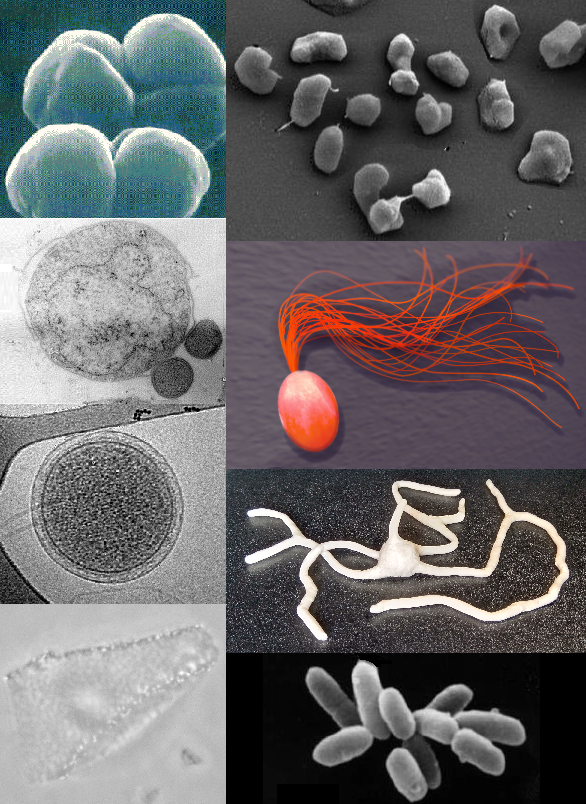
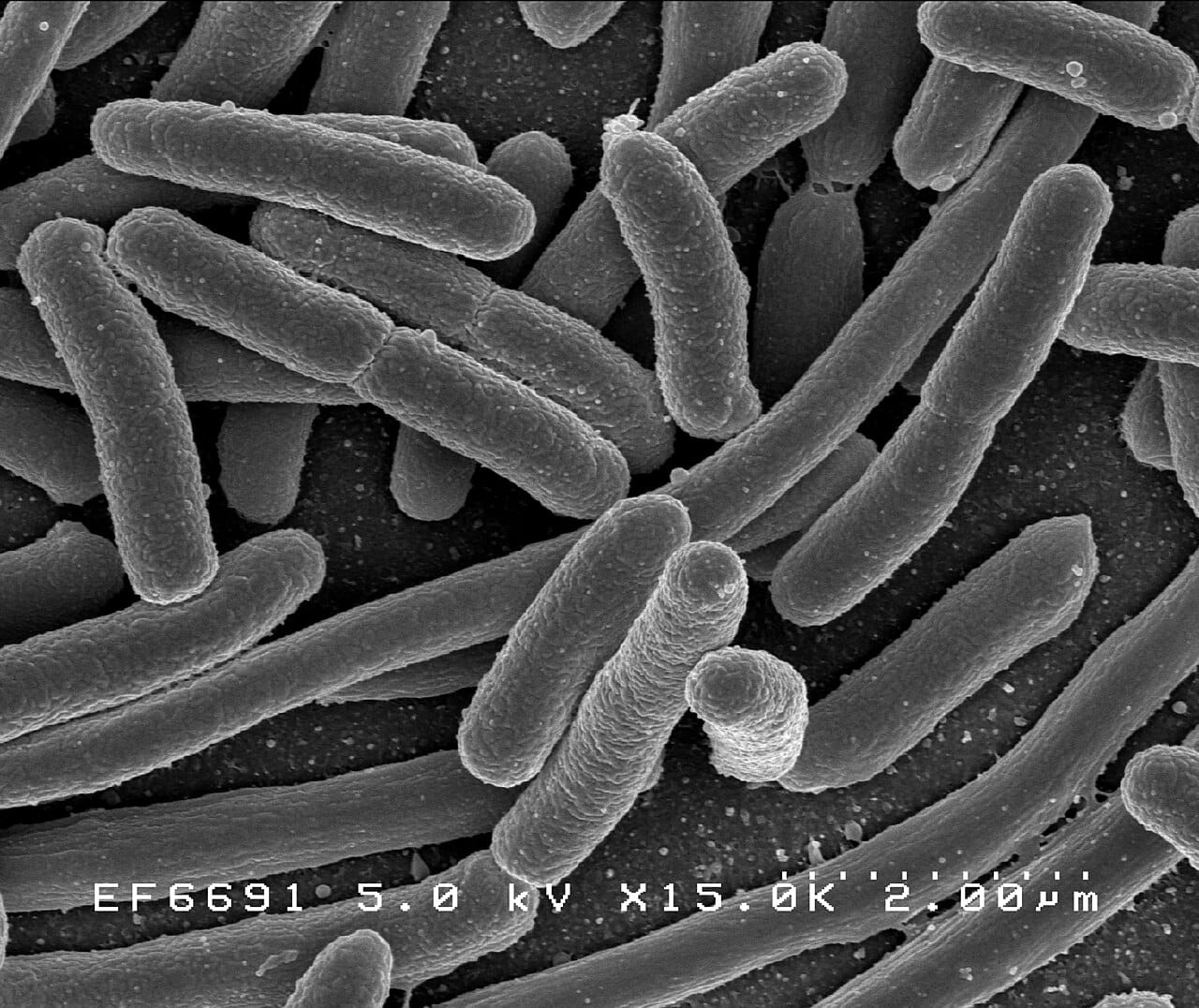
Archaea look like bacteria. They are similarly sized, lack a nucleus, and were classified as bacteria for as long as classification depended on appearance and staining.
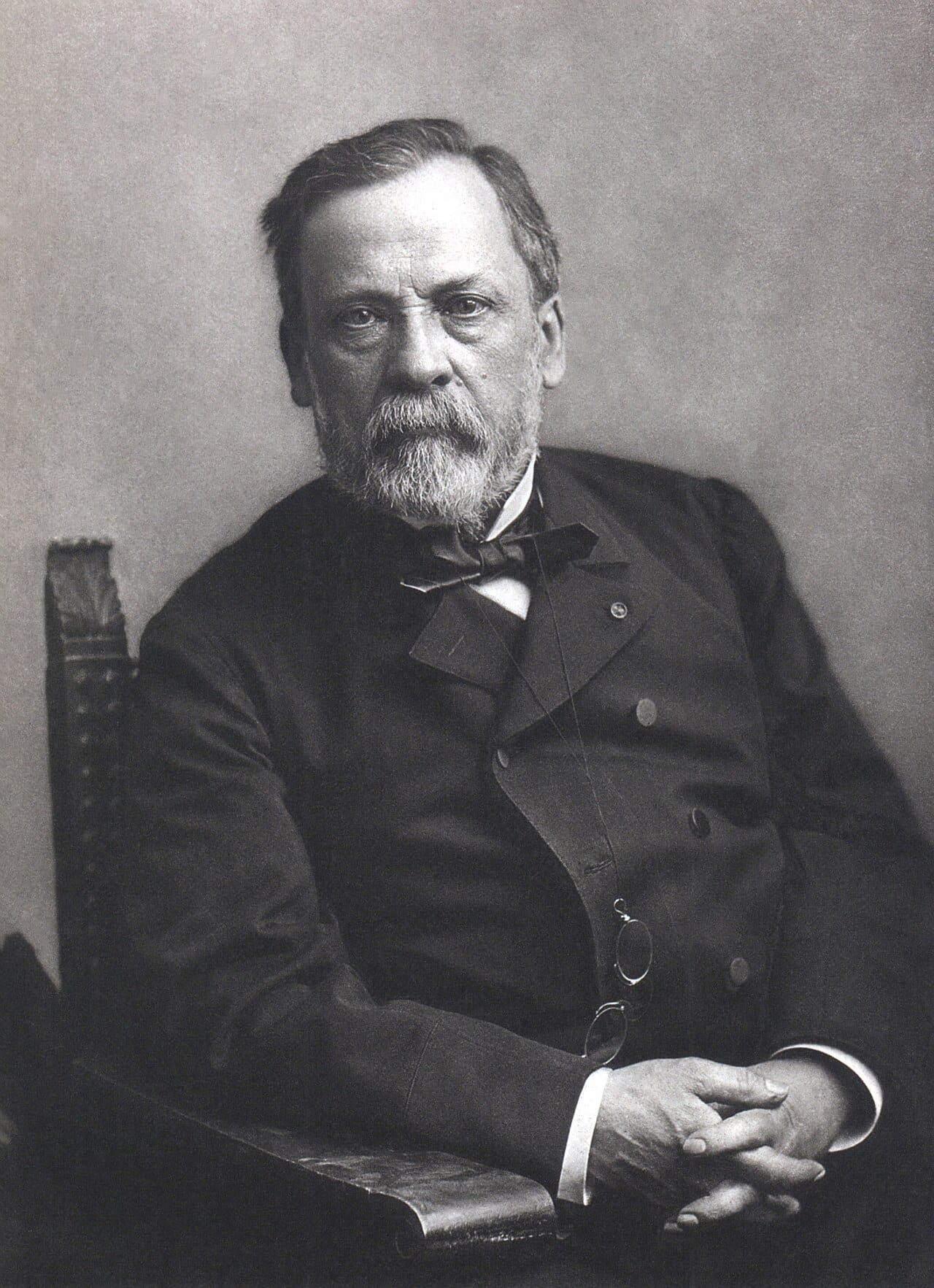
Carl Woese took a different approach in the 1970s, comparing sequences of ribosomal RNA, on the reasoning that a molecule present in all cells and central to their function would record deep relationships.
The result, published in 1977, was that a group of organisms then called methanogens differed from bacteria as much as bacteria differ from eukaryotes. Woese proposed a third domain.
The claim was resisted for years, since it overturned the division of life into prokaryotes and eukaryotes that had organised biology for decades. It was accepted as sequencing accumulated, and the three-domain arrangement of Bacteria, Archaea and Eukarya became standard.
The episode is frequently cited as a case where a molecular method revealed a relationship that no amount of morphological study could have found.
The differences are chemical and genetic rather than visible.
Membrane lipids are the clearest. Archaeal membranes use ether linkages between the head group and the hydrocarbon chains, where bacteria and eukaryotes use ester linkages, and archaeal chains are branched isoprenoids rather than straight fatty acids. Some archaea have a single-layer membrane rather than a bilayer, which is stable at high temperature.
Cell walls contain no peptidoglycan, the polymer that defines bacterial walls. This is why antibiotics targeting peptidoglycan synthesis, including penicillin, have no effect on archaea.
Information processing machinery resembles that of eukaryotes more than that of bacteria. Archaeal RNA polymerase, transcription factors, DNA replication proteins and ribosome structure are closer to the eukaryotic versions, which was the first indication of the relationship described below.
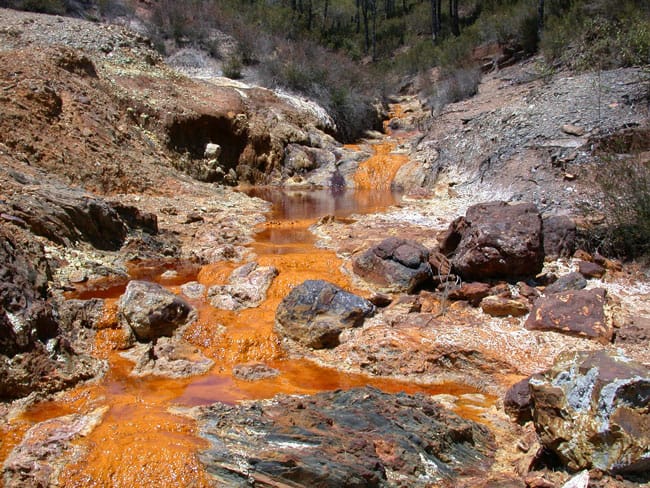
Archaea were initially associated with extreme environments, and several groups do dominate them: hot springs and hydrothermal vents, hypersaline lakes, acidic drainage, and anoxic sediments.
That association turned out to be a sampling artefact. Archaea are now known to be abundant in ordinary environments including soil, ocean water and the human gut.
Marine ammonia-oxidising archaea are among the most abundant organisms in the ocean and perform a substantial share of nitrogen cycling, which was not recognised until molecular surveys revealed them.
Methanogens are unique to the domain. No bacterium or eukaryote produces methane biologically, and archaeal methanogens are responsible for essentially all biological methane, including that from wetlands, rice paddies, landfill and ruminant digestion, which makes them directly relevant to the greenhouse gas budget.
Notably, no archaeon is known to cause disease in humans, which is unexplained and is among the more interesting open questions about the domain.
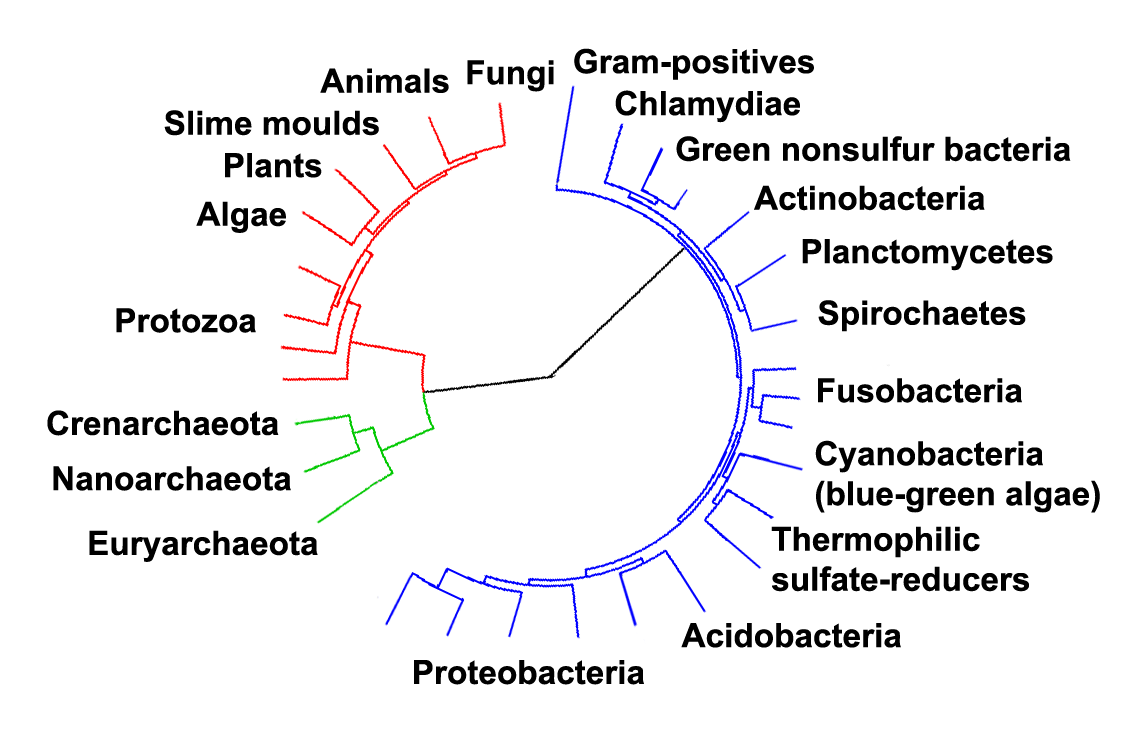
The three-domain picture has been revised by evidence that eukaryotes arose from within the archaea rather than as a sister group.
The Asgard archaea, identified from environmental sequences from 2015 onward and later cultured, carry genes previously thought exclusive to eukaryotes, including those for cytoskeletal proteins and membrane trafficking.
The current understanding is that an archaeal host cell acquired a bacterium that became the mitochondrion, as the endosymbiotic theory capsule describes, and that the resulting lineage became the eukaryotes.
On this account complex life, including plants, fungi and animals, is a branch within the archaea, which makes the domain's ancestry more consequential than its present abundance.
The details are actively researched and the broad conclusion is well supported.
Archaea demonstrate that a fundamental division of life was invisible to every method available before molecular sequencing, which is a caution about classification based on appearance.
They also occupy a central position in two separate stories: they run global nitrogen and methane cycles at scales that affect climate, and they appear to be the lineage from which every complex organism descends.