Communication designed to shape opinion and behaviour in the interest of the party producing it, rather than to inform. It is defined by purpose and method rather than by whether its content is true.
The word comes from the Congregatio de Propaganda Fide, a body established by the Catholic Church in 1622 to propagate the faith. It was descriptive rather than pejorative for its first three centuries.
The negative sense hardened during and after the First World War, when systematic state persuasion campaigns became visible and their methods were documented afterwards.
Propaganda is not synonymous with falsehood. Much of it is accurate, and it is characterised instead by selection, emphasis, omission and framing in service of a predetermined conclusion. A campaign presenting only true facts, chosen entirely to support one side, is propaganda by any working definition.
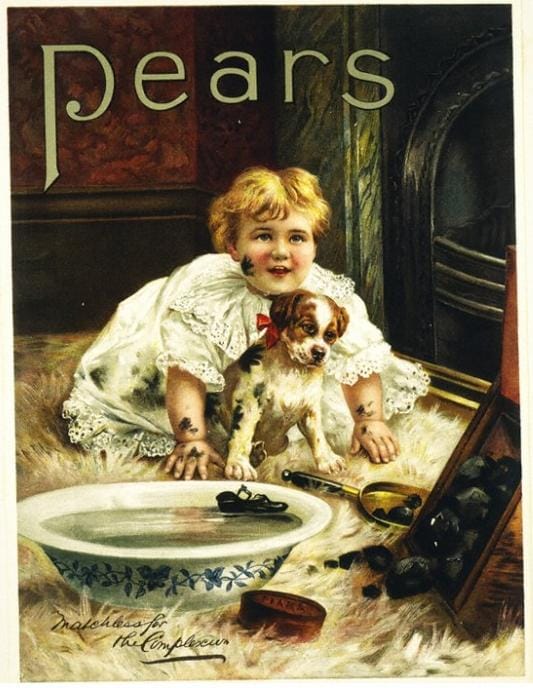
This is why the boundary with advertising, public relations and political campaigning is contested. Practitioners of each use similar techniques, and the label is generally applied by opponents rather than adopted.
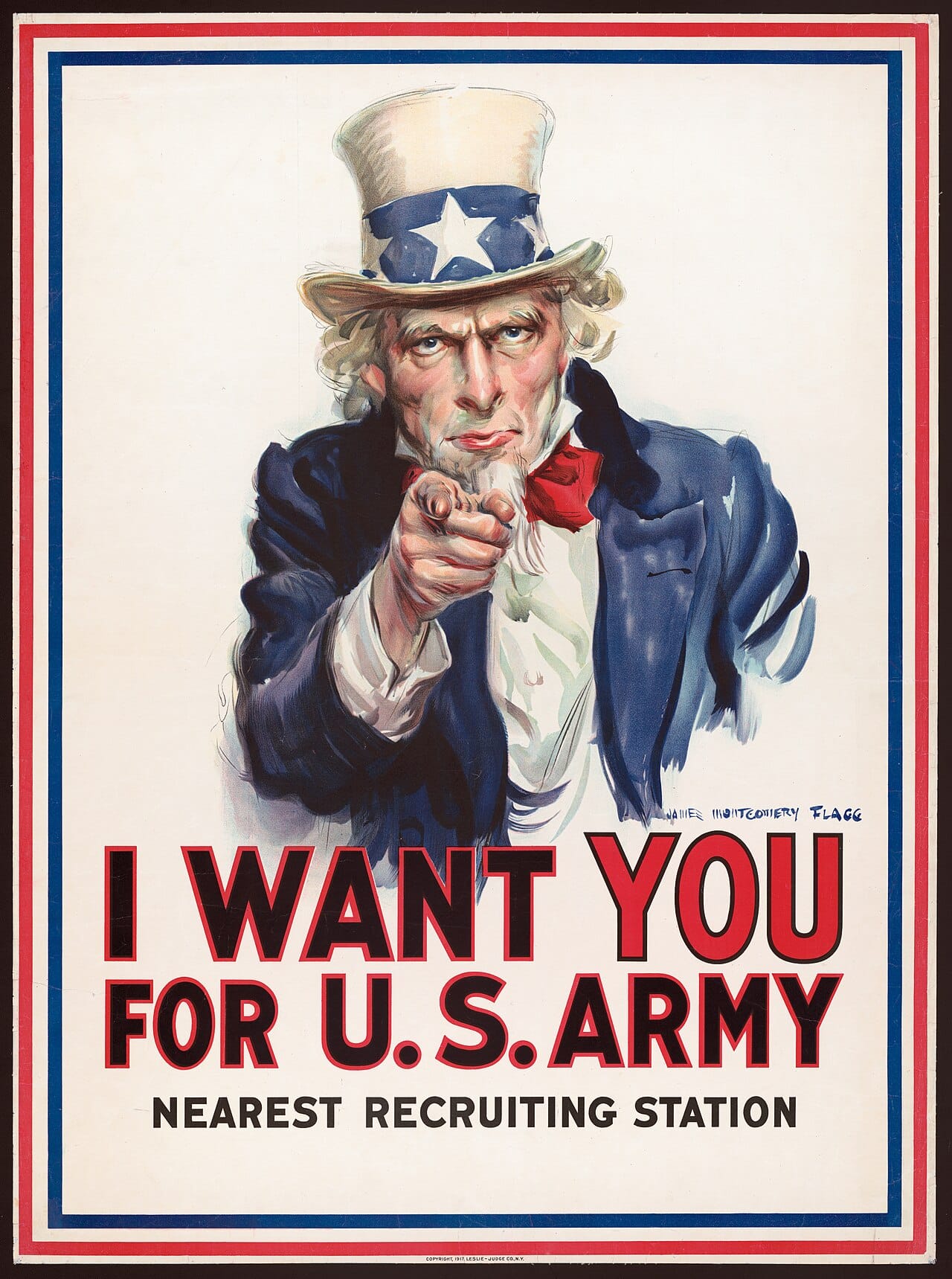
Simplification reduces complex situations to a single choice, usually binary.
Repetition establishes familiarity, which is reliably mistaken for truth. The illusory truth effect, in which repeated statements are rated more likely to be true regardless of accuracy, is well replicated in psychology and is exploited directly.
Emotional appeal, particularly to fear, pride, disgust and belonging, bypasses deliberate evaluation.
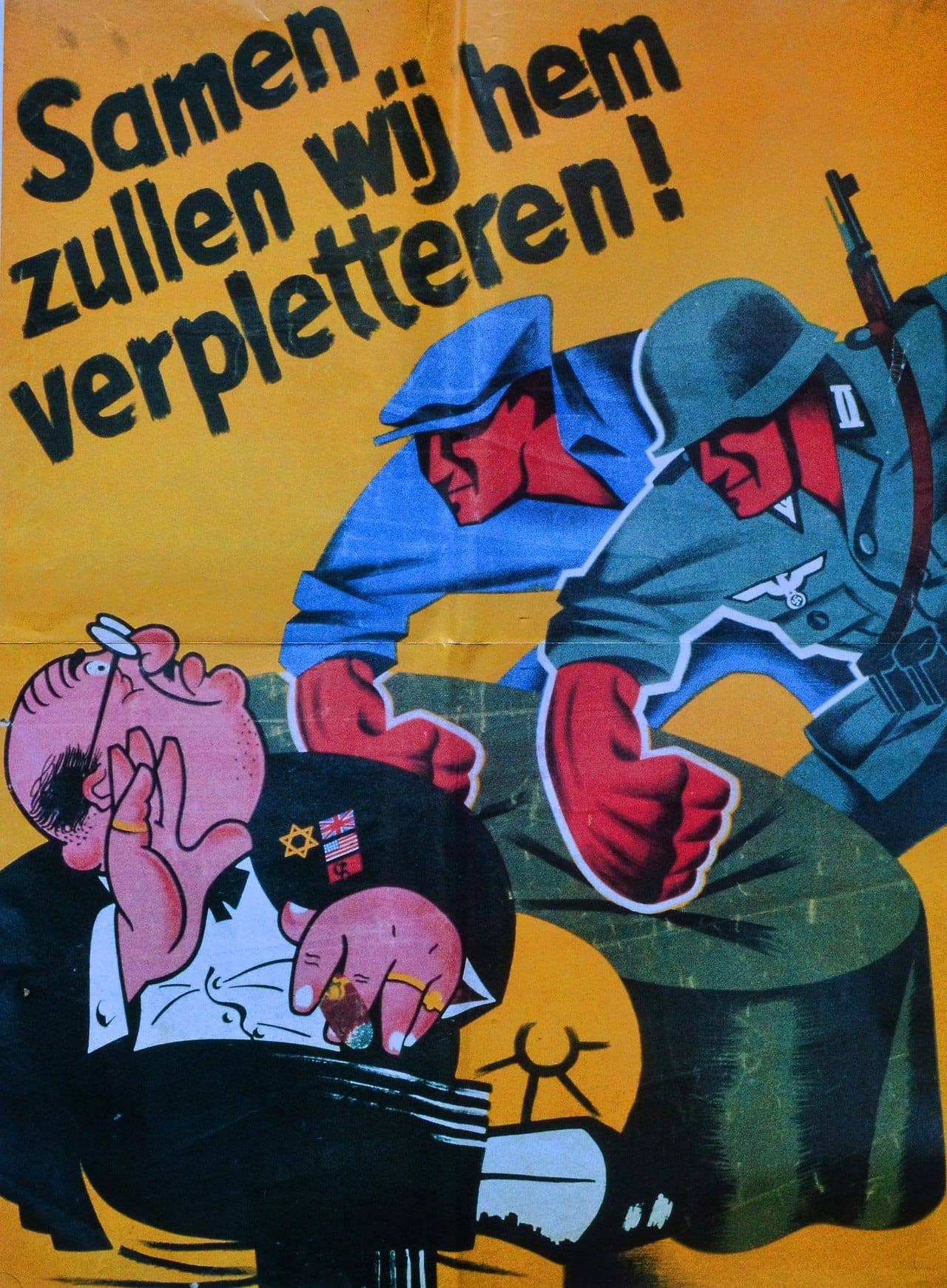
Dehumanisation of an out-group removes the constraints ordinarily applying to how people may be treated, and is the technique most consistently present before mass violence.
Bandwagon appeals present a position as already held by most people, exploiting conformity.
Authority and testimonial borrow credibility from a trusted figure.
Selective presentation of accurate material is the least visible technique and often the most effective, since nothing in it can be refuted.
Rulers have used monuments, coinage and public ritual to project power for as long as records exist, and Roman imperial imagery is a well-studied case.
Printing made mass persuasion possible, and the Reformation was fought partly through pamphlets.
The First World War produced the first industrial-scale state campaigns, including Britain's Wellington House and the American Committee on Public Information. Their effectiveness prompted reflection afterwards: Edward Bernays, who had worked on the American effort, applied the methods commercially and wrote a book titled Propaganda in 1928 arguing that the deliberate manipulation of public opinion was a normal feature of democratic society.
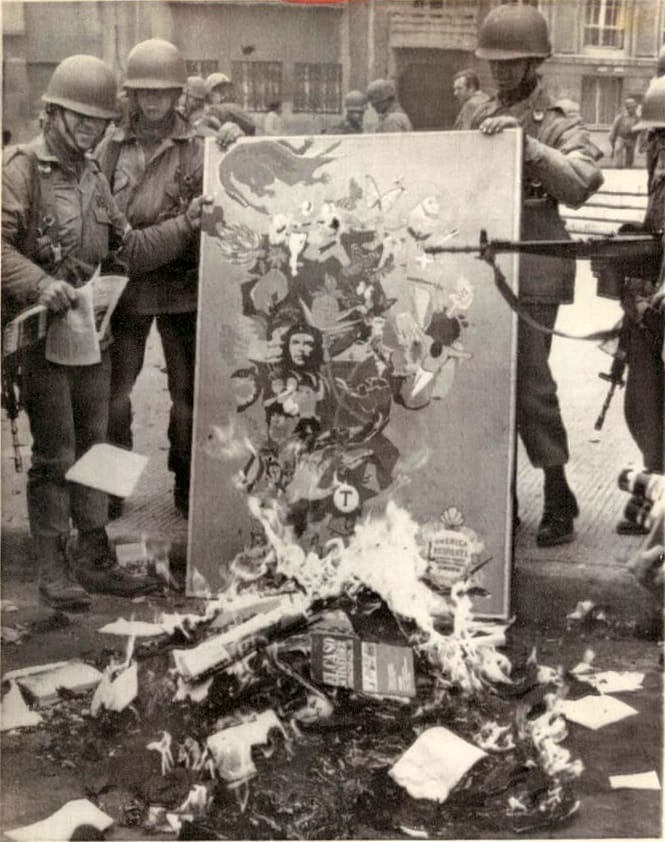
Totalitarian states in the twentieth century built propaganda into the machinery of government, with dedicated ministries controlling press, film, radio and education.
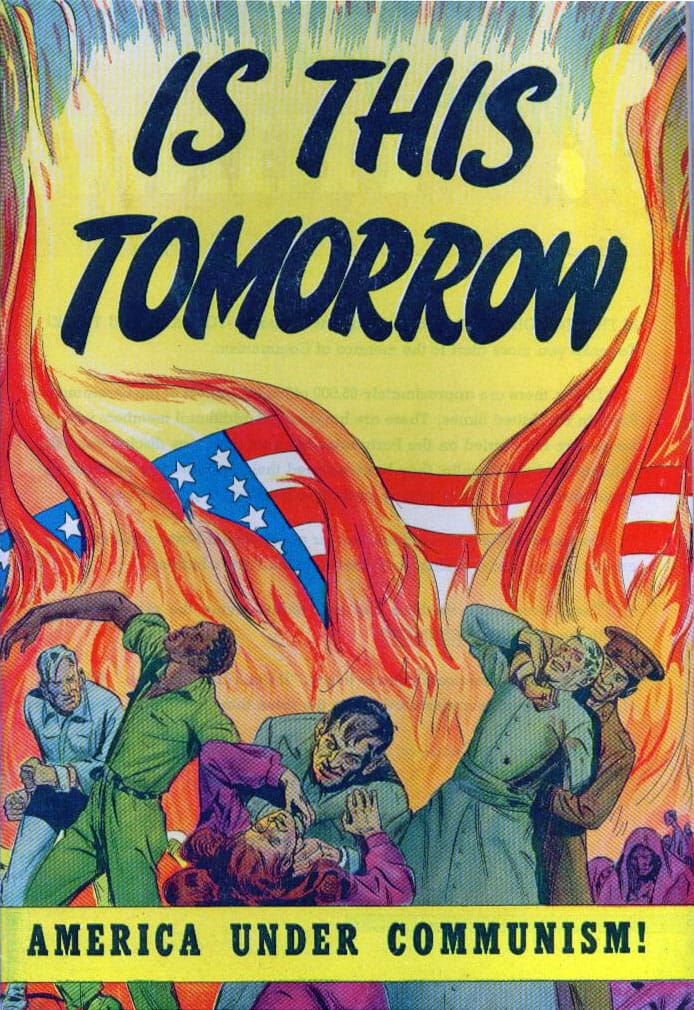
The Cold War saw sustained campaigns on both sides, including international broadcasting, covert funding of publications, and cultural programmes.
The evidence is more qualified than either its practitioners or its critics generally suggest.
Direct persuasion of settled opinion is difficult. People resist messages contradicting existing beliefs, and campaigns aimed at changing minds frequently fail.
Reinforcement of existing views is easier and is where most effect is found. Propaganda more often mobilises those already sympathetic than converts opponents.
Agenda setting is a robust effect: media may not determine what people think and reliably influences what they think about, which shifts the terms of debate without changing anyone's position on a given question.
Repetition over long periods, in an environment without competing information, is the condition under which large attitude change is observed, which is why control of the information environment matters more than the persuasiveness of any message.
The subliminal advertising capsule records a case where a claimed mechanism of persuasion was fabricated and believed for decades, which is a useful caution against overestimating any particular technique.
Digital platforms changed distribution rather than technique. Targeting allows different messages to different audiences, which makes campaigns harder to observe as a whole, since no single viewer sees the full picture.
Coordinated inauthentic behaviour, in which networks of accounts simulate independent grassroots support, is documented by platforms and researchers, and is the modern form of what was called astroturfing.
Volume-based approaches have been described in which the aim is not to establish a particular belief but to produce enough contradictory material that audiences disengage from the question of what is true. This is a different objective from classical propaganda and is harder to counter, since refutation adds to the volume.
Propaganda is the deliberate use of communication to produce belief without evidence, and its techniques are stable enough across centuries and political systems that they can be recognised independently of content.
The most useful practical point is that its defining feature is not falsehood. Learning to identify selection, framing and emphasis is more protective than fact-checking alone, because the most effective propaganda contains nothing that a fact-check would flag.