The suppression of speech, writing or images by an authority. It is as old as writing, its methods have changed with each communication technology, and the arguments for and against it have remained substantially the same for four centuries.
Prior restraint prevents publication in advance, through licensing, official approval or injunction. It is the most complete form and is prohibited or strictly limited in many legal systems.
Post-publication punishment allows material to appear and penalises those responsible afterwards, which produces self-censorship in anticipation.
Suppression removes material already circulating, through seizure, destruction or takedown.
Access restriction blocks material without removing it, through filtering, blocking or removal from indexes.
Economic pressure operates through advertising, distribution and ownership rather than through law, and is generally more effective than prohibition because it is less visible.
Self-censorship is the most consequential in practice. Where the consequences of publication are uncertain and severe, people decline to publish, and no authority need act at all.
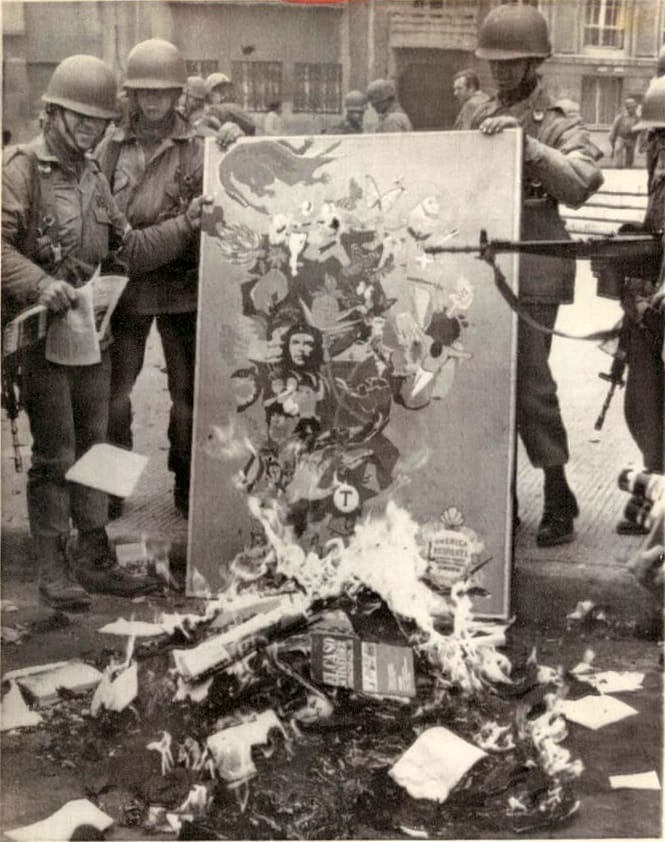
Book burning and destruction of texts is recorded from antiquity, and the destruction of libraries has repeatedly removed works permanently.
Printing prompted the first systematic licensing systems, because it made unauthorised reproduction feasible for the first time. The Catholic Church's Index of Prohibited Books ran from 1559 to 1966, and secular licensing operated across Europe.
John Milton's Areopagitica of 1644 argued against licensing on grounds that remain the standard case: that truth emerges from open contest, that licensers are fallible, and that suppression is ineffective in any event.
The Enlightenment produced the constitutional protections that followed, and the American First Amendment and the French declaration both address speech directly.
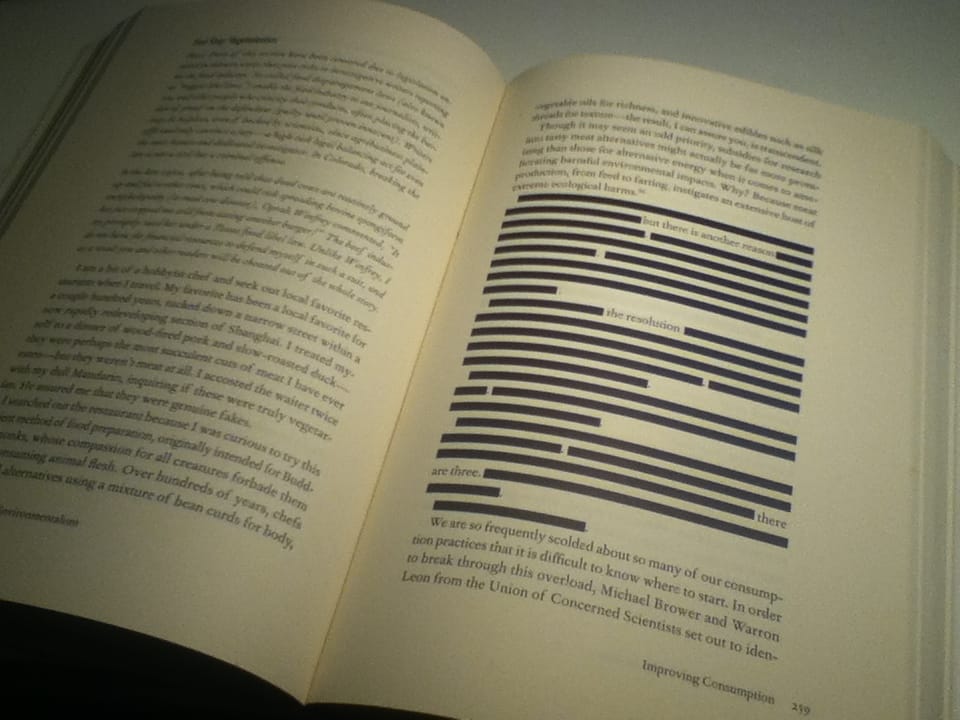
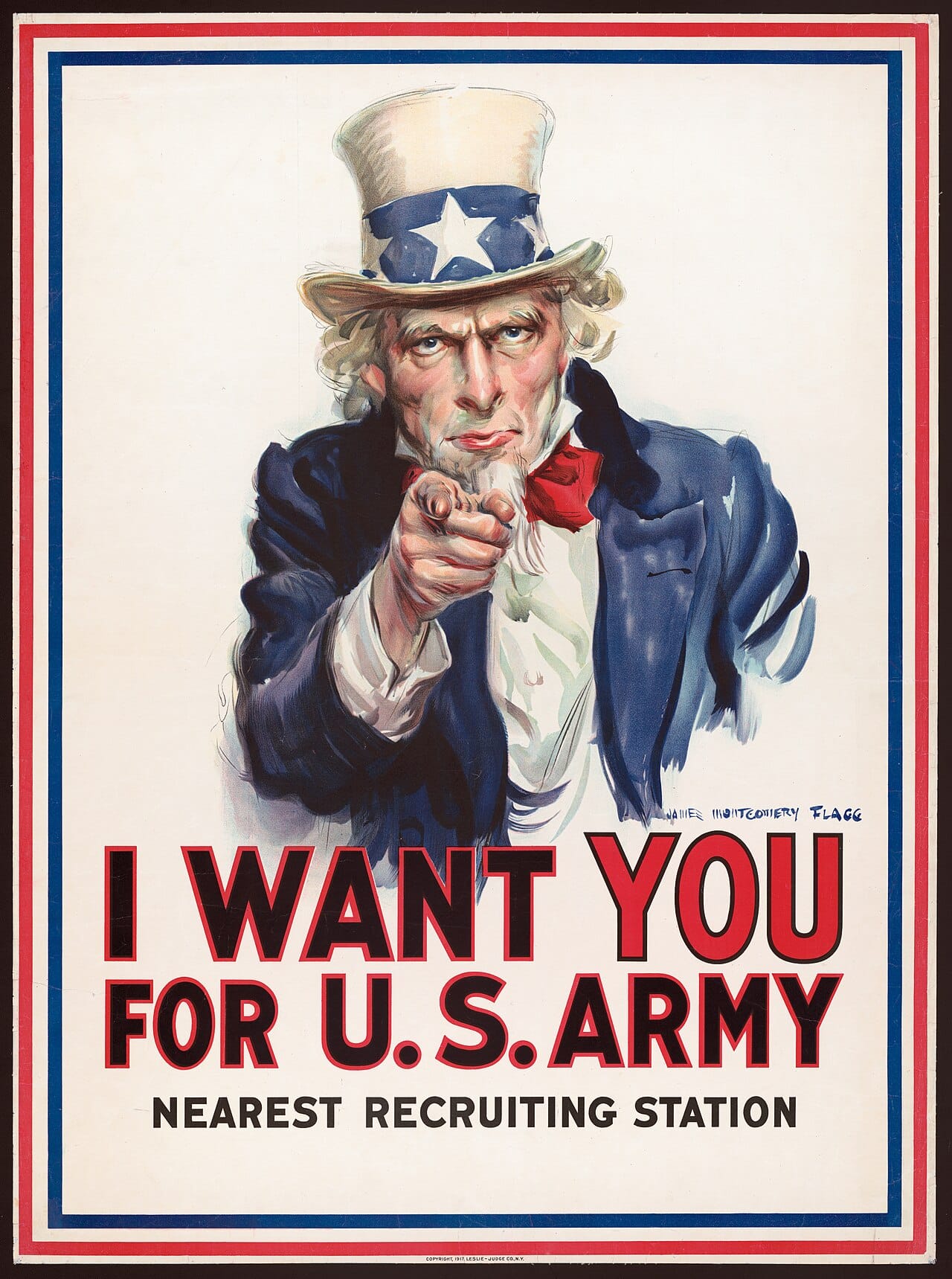
Totalitarian states in the twentieth century combined prohibition with the positive production of approved content, which the propaganda capsule treats, and the combination is more effective than prohibition alone.
Digital distribution made copying and transmission essentially costless, which broke the licensing model entirely, since there is no press to license.
The response has been to shift the point of control. Blocking at the network level, requiring platforms to remove material, and pressuring intermediaries including payment providers and hosting services are the principal methods.

The Streisand effect describes a recurring pattern: attempts to suppress information draw attention to it and increase its circulation. It is named after a 2003 case in which an attempt to remove a photograph of a residence from a public archive resulted in enormous distribution of the previously ignored image.
Platform moderation is a form of control by private companies rather than by states, operating at a scale no state ever achieved, and it raises questions the traditional framework does not address well, since the entities involved are not governments and the material is on their property.
The case for restriction rests on identifiable harms: incitement to violence, defamation, material depicting the abuse of children, disclosure of information endangering people, and fraud. Almost every legal system restricts at least some of these, and disagreement concerns scope rather than existence.
The case against restriction has several strands. That authorities are poor judges of what is true, demonstrated repeatedly by later reversal. That restriction is applied unevenly and tends to protect the powerful. That suppression lends credibility to what is suppressed. And that the ability to say what is wrong is a precondition for correcting it.
Where lines are drawn varies substantially between democracies. Holocaust denial is criminal in several European countries and constitutionally protected speech in the United States, and both positions are held by states with strong civil liberties traditions.
Hate speech, misinformation and material harmful to minors are the areas of most active current disagreement, and the evidence on whether restriction reduces the underlying harm is thinner than the confidence of argument on either side suggests.
Press freedom organisations record journalists imprisoned and killed annually, and the numbers have not improved over the past decade.
Internet shutdowns, in which governments disable connectivity regionally or nationally, have become a routine instrument and are documented in dozens of countries annually, frequently around elections and protests.
Legal harassment, including defamation actions brought to exhaust resources rather than to win, is a growing method, and several jurisdictions have legislated against it.
Censorship is the mechanism by which what a society can know is limited, and the historical record on it is consistent in one respect: the material suppressed has frequently turned out to be correct, and the authorities doing the suppressing have frequently been wrong.
Its modern form is also less visible than its historical one. Removal from an index, demonetisation, or a platform rule affects circulation without any prohibition being announced, which makes it harder to identify and to contest than a banned book.