A sheet of matted plant fibre. It replaced every earlier writing surface because it was far cheaper, and the consequences of cheap writing material ran through literacy, administration, science and money.
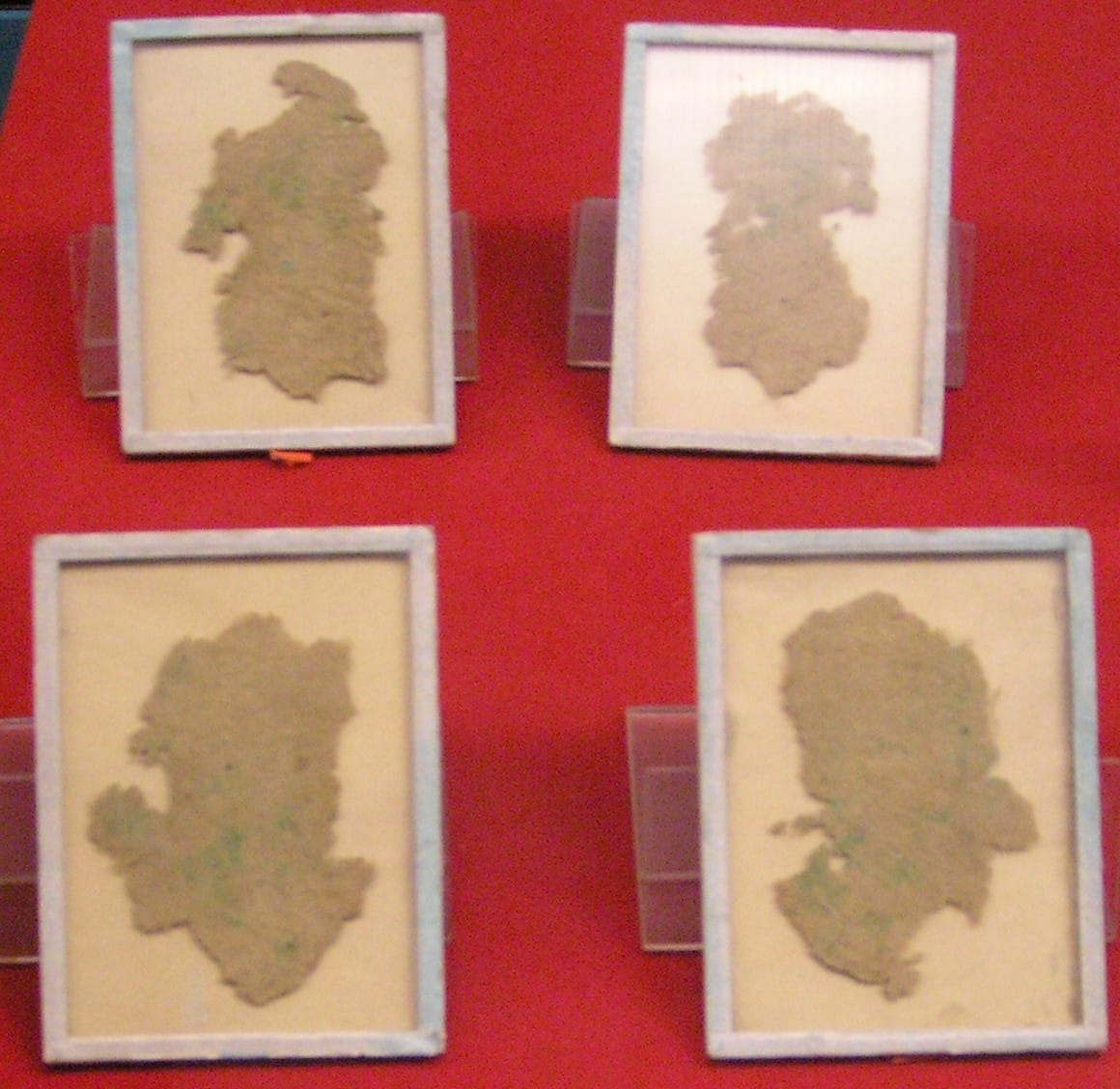
Paper is made by suspending plant fibres in water, draining the suspension through a screen so the fibres mat together, and pressing and drying the result.
The fibres are cellulose, the structural polymer of plant cell walls. They bond to each other through hydrogen bonding as the water leaves, which is why paper holds together with no adhesive.
This distinguishes paper from its predecessors. Papyrus is made by laying strips of a plant's pith across each other and pressing, so it is a laminate rather than a matted sheet. Parchment is prepared animal skin. Neither involves reducing the material to individual fibres.
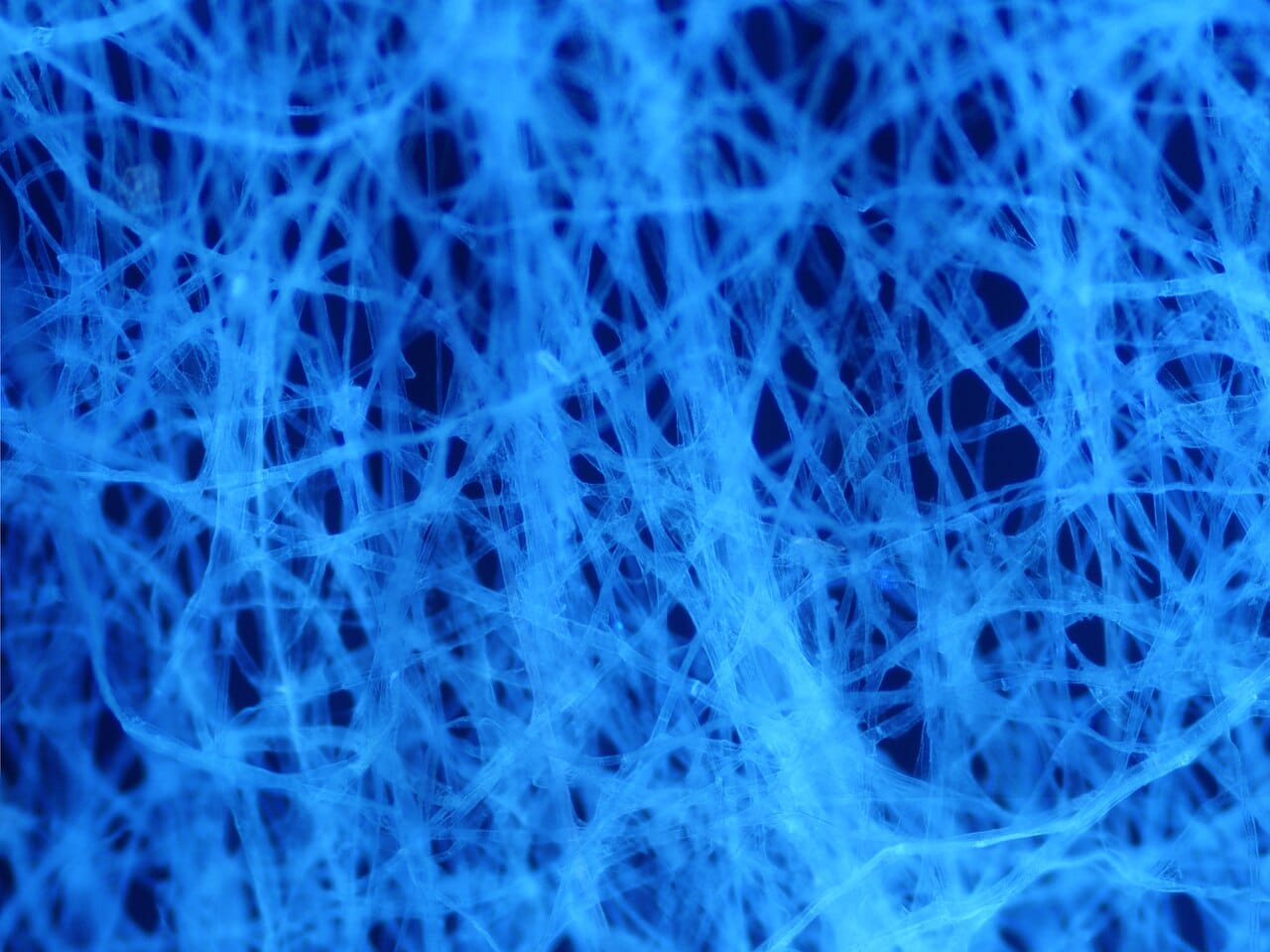
Fibre orientation is not fully random in machine-made paper, because the fibres align with the direction of flow. This is the grain, and it is why a sheet tears cleanly one way and raggedly the other.
Paper is a Chinese invention, conventionally credited to Cai Lun around 105 CE, though archaeological finds of paper predate him by up to two centuries, so his contribution was more likely improvement and promotion than invention.
Early Chinese paper used hemp, rags, bark and fishing nets, which is to say waste fibre, and that is the economic point: it was made from material with no other value.
The technique moved west slowly. It reached the Islamic world by the eighth century, with Samarkand and then Baghdad becoming centres of production, and the availability of cheap paper is closely associated with the scale of book production and scholarship in that period.
It reached Europe through Spain and Italy by the twelfth and thirteenth centuries and was initially distrusted, with some authorities forbidding its use for official documents on the grounds that parchment was more durable, which was correct.
Cheap paper is what made printing worth doing. A press can produce far more sheets than scribes can, and the saving is meaningless if the writing surface remains expensive, so the printing press capsule's story depends on this one.
Rags were the raw material in Europe for centuries, and demand outstripped supply so badly that rag collection became an organised trade and several countries prohibited their export.
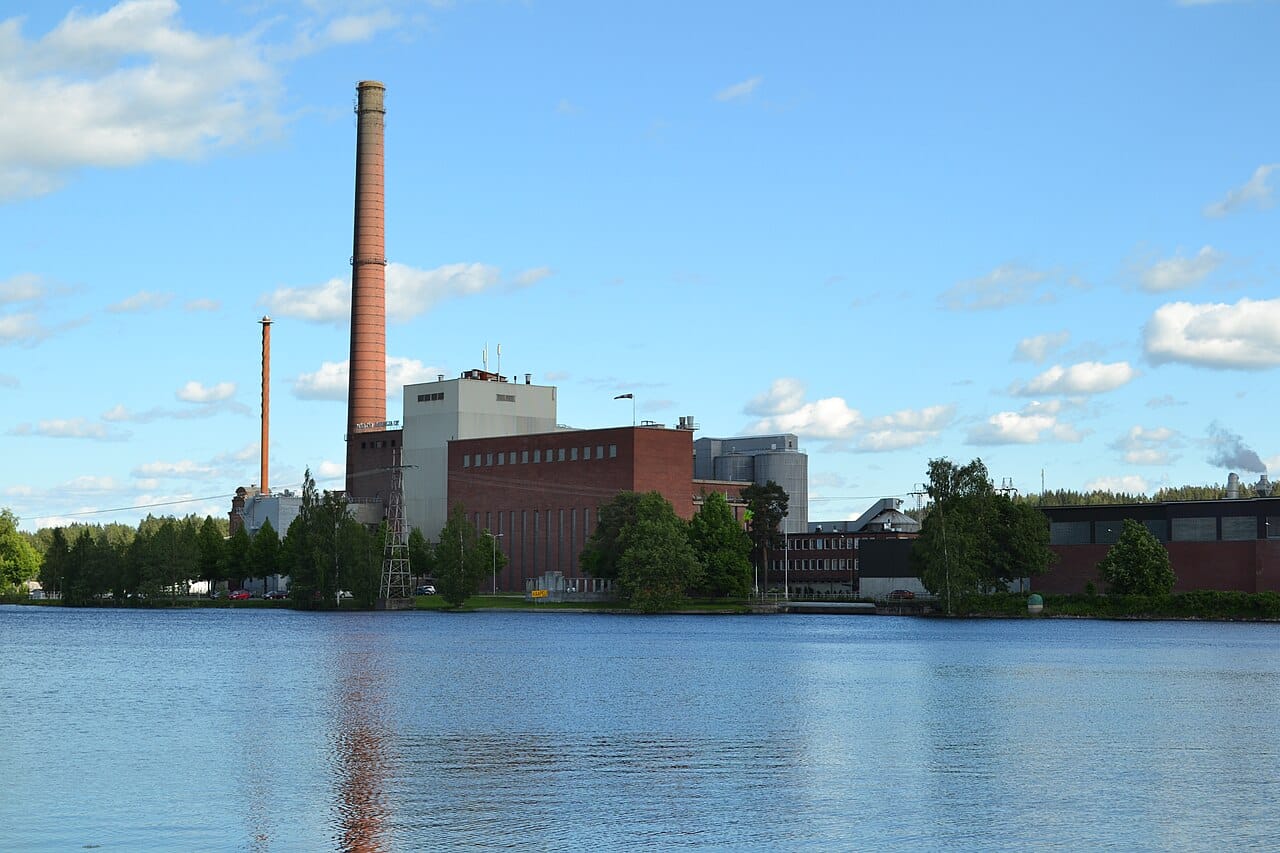
The Fourdrinier machine, from the early nineteenth century, made paper as a continuous web rather than one sheet at a time, and modern machines produce a web many metres wide at high speed.
Wood pulp replaced rags from the mid nineteenth century, which removed the raw material constraint permanently and made newspapers and mass publishing economic.
It also introduced a defect. Mechanical wood pulp contains lignin, which yellows and embrittles with light and age, and the acidic sizing used in the same period accelerated it. The result is that a great deal of material printed between roughly 1850 and 1990 is physically deteriorating in libraries, and considerably more slowly for books printed centuries earlier on rag paper. Acid-free paper is now standard for anything intended to last.
Writing and printing account for a minority of paper produced. Packaging is the largest category by a wide margin, and tissue and hygiene products are substantial.
Currency paper is generally not paper in the wood pulp sense but cotton and linen, which is why banknotes survive washing.
Specialised papers include filter, insulating, abrasive backing and photographic base, and the properties are engineered by fibre choice, pressing and coating.
Predictions of the paperless office were confident and wrong for several decades. Office paper consumption rose alongside computing for years, because printing became easier.
Consumption of graphic paper has now been declining in industrialised countries for around two decades, and newsprint has fallen steeply, while packaging has grown with online retail, so total production has not fallen the way the graphic category has.
Whether paper or screen is better for reading comprehension has been studied extensively with mixed results. The better-supported findings are that reading on screen tends to be faster and shallower, and that the difference narrows for skilled readers and for short texts, which is a modest effect rather than the strong claim frequently made.
The environmental comparison is genuinely complicated. Paper is renewable, recyclable and biodegradable, and its production is water and energy intensive; digital delivery has no physical object and depends on devices and data centres. Neither is straightforwardly better, and the answer depends on how often a document is read and on how long a device lasts.
Paper made writing cheap, and everything that depends on writing being cheap, including record-keeping, bureaucracy, mass literacy, printed books and paper money, followed from a manufacturing process that turns waste fibre into a usable surface.
It is also a case of an invention travelling slowly and transforming each place it reached. A thousand years separated its Chinese origin from its European adoption, and its arrival is associated with an expansion of written culture in every region that received it.