Intervals in which a large proportion of species disappeared worldwide in a geologically short time. Five are conventionally recognised in the past 540 million years, their causes differ, and the recovery from each reshaped what followed.
Extinction is continuous. Species disappear at a background rate throughout the record, and a mass extinction is a departure from that rate large enough to be visible globally.
The conventional criteria are that a large proportion of species is lost, across many unrelated groups, worldwide, within a short interval.
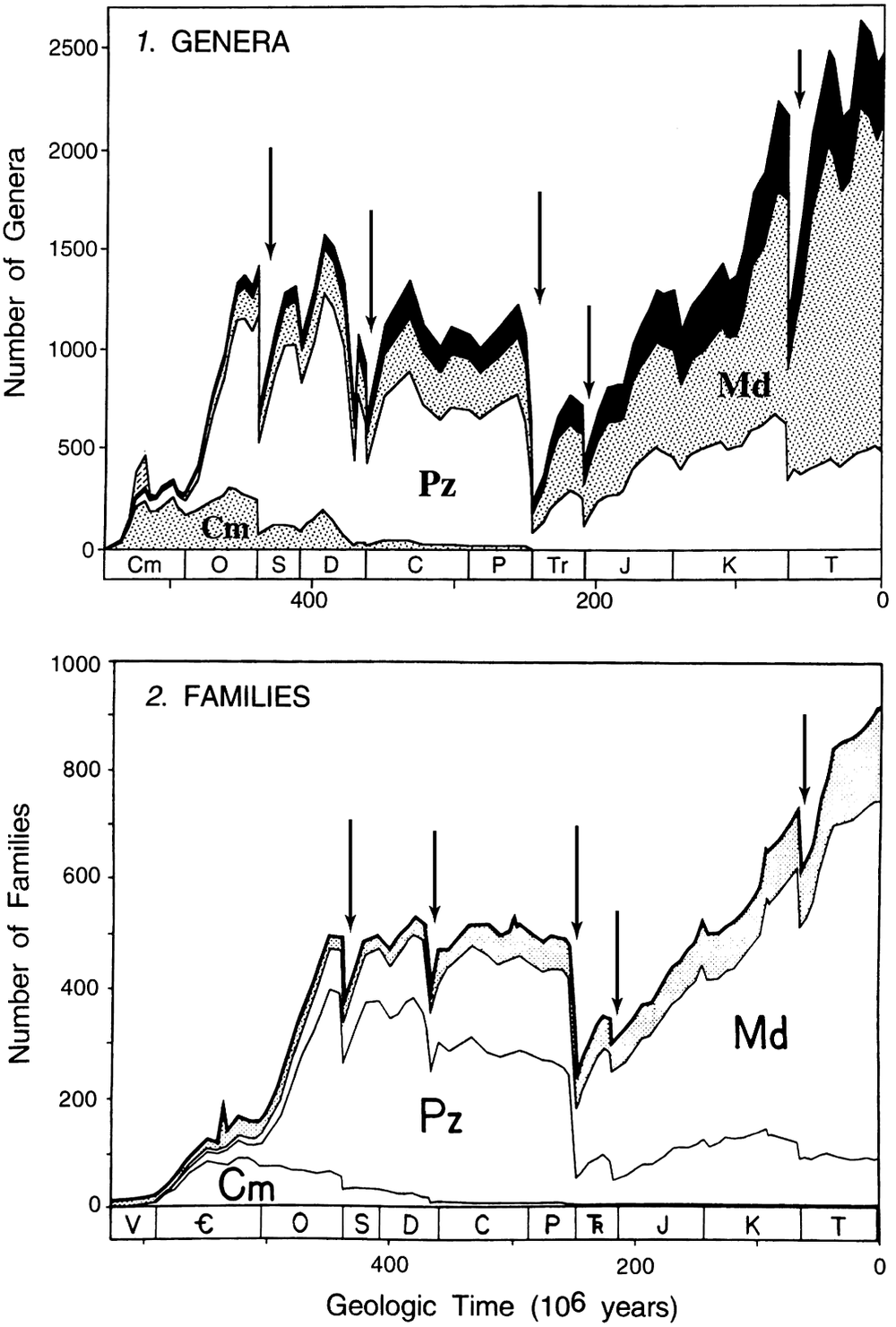
The five were identified quantitatively by David Raup and Jack Sepkoski in 1982, from a compilation of marine fossil genera, which distinguished them statistically from background turnover rather than by impression.
Losses are usually quoted as percentages of genera, since species-level counts are unreliable in the fossil record, and estimated species losses are inferred from those figures.
The end-Ordovician, around 444 million years ago, removed roughly eighty five per cent of species. It occurred in two pulses associated with a glaciation and subsequent warming, with sea level falling and then rising sharply, and life was almost entirely marine at the time.
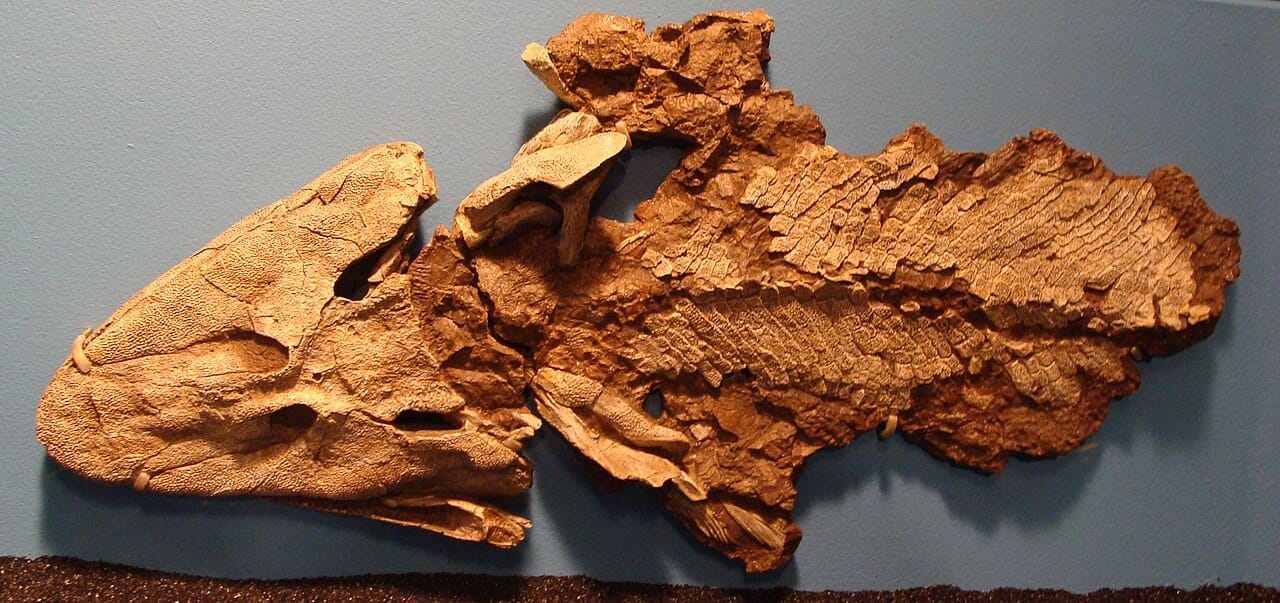
The Late Devonian, around 372 million years ago, was a prolonged interval of elevated extinction rather than a single event, hitting reef systems particularly hard. Proposed causes include anoxia and the effects of newly evolved land plants on weathering and nutrient runoff.
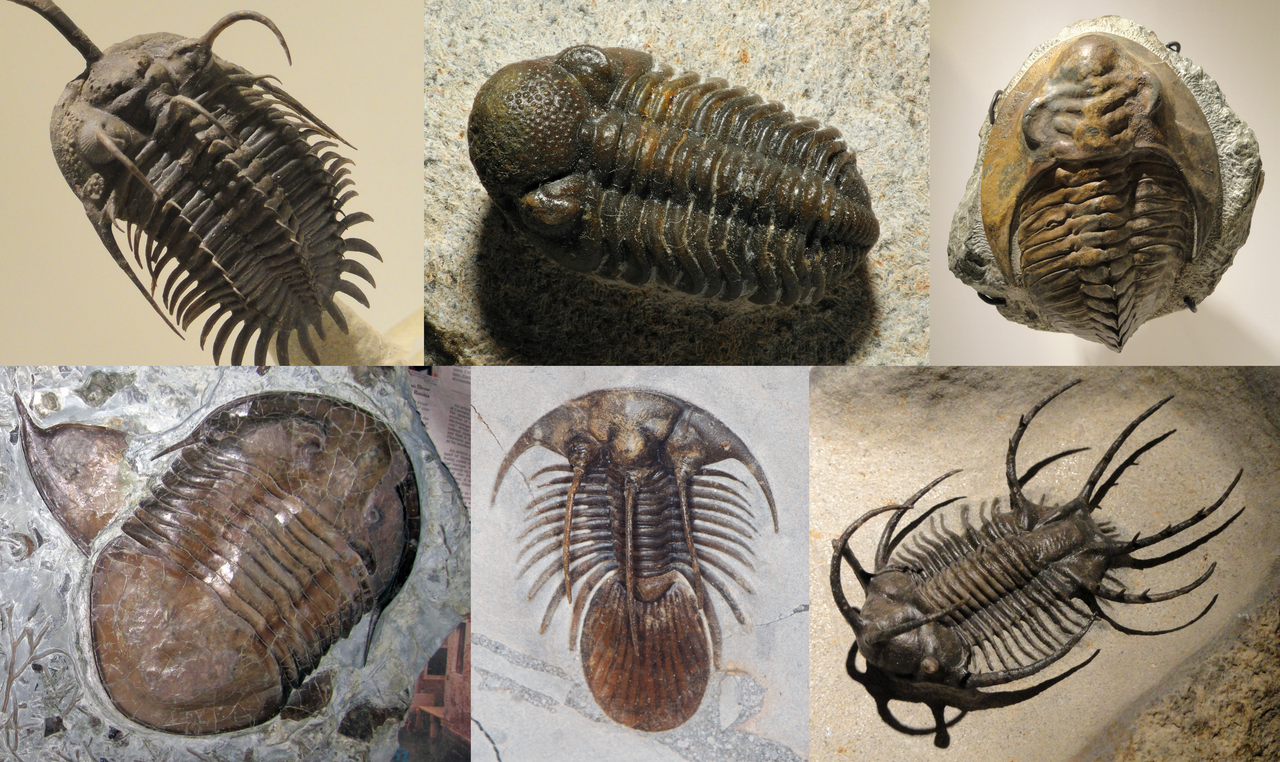
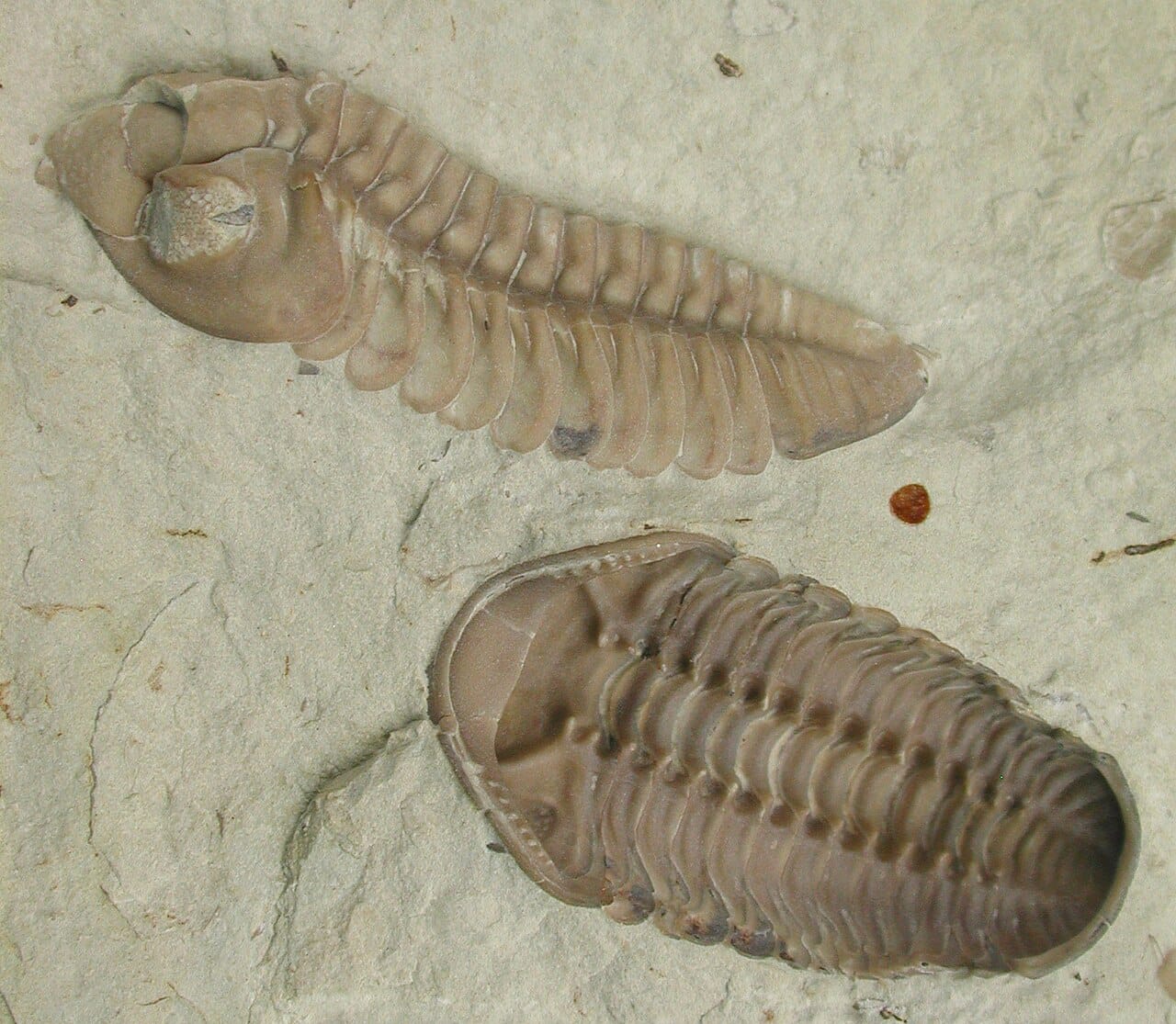
The end-Permian, around 252 million years ago, was the most severe, removing an estimated ninety per cent or more of marine species. The cause most supported is the Siberian Traps, an enormous volcanic province whose eruptions released carbon dioxide and other gases, producing warming, ocean acidification and widespread anoxia. Trilobites were among the groups eliminated.
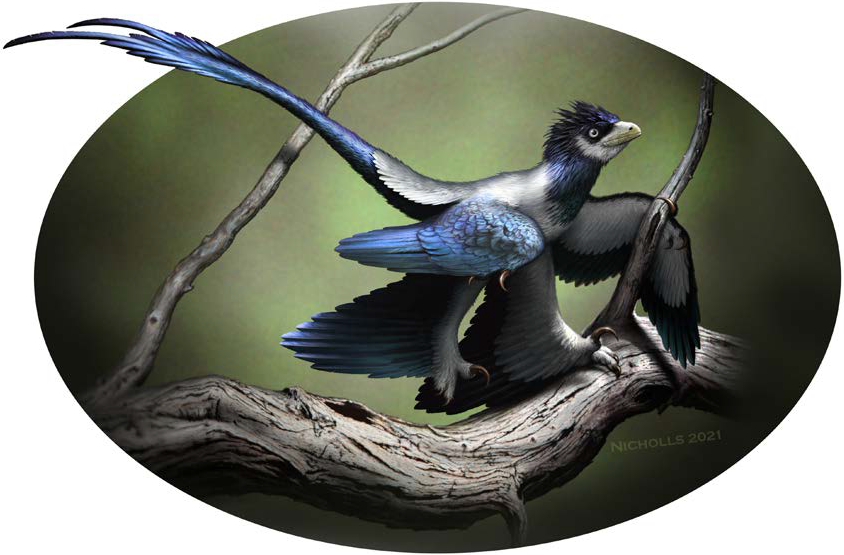
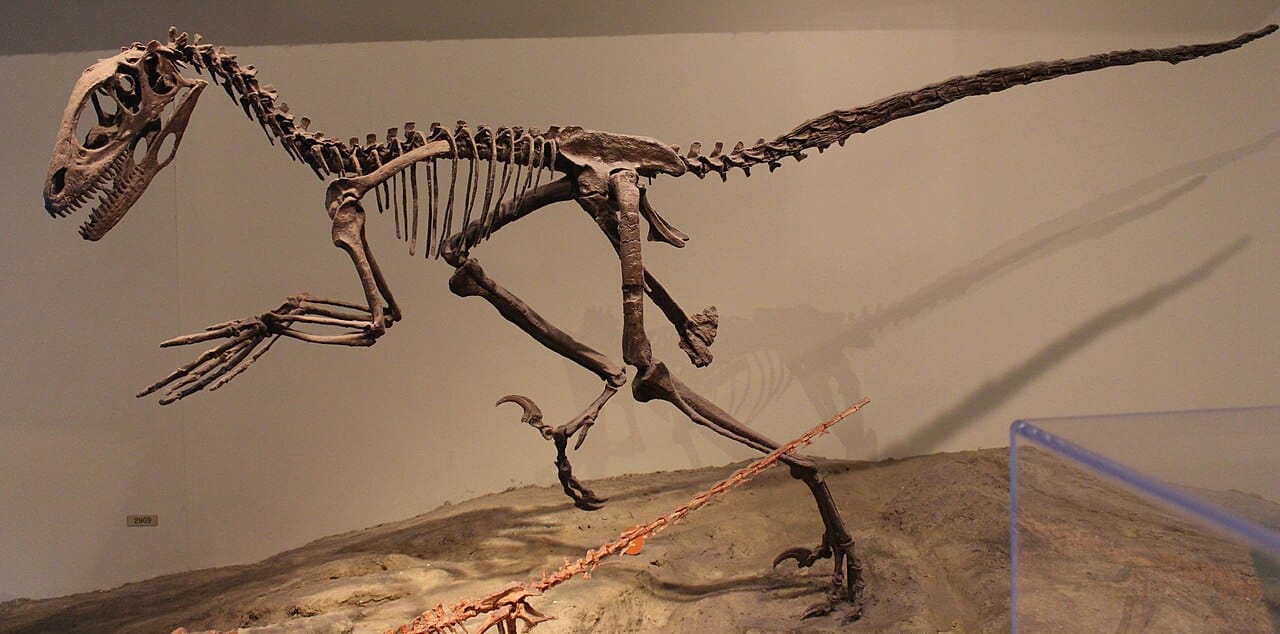
The end-Triassic, around 201 million years ago, is associated with volcanism accompanying the opening of the Atlantic, and it removed competitors that had constrained the dinosaurs.
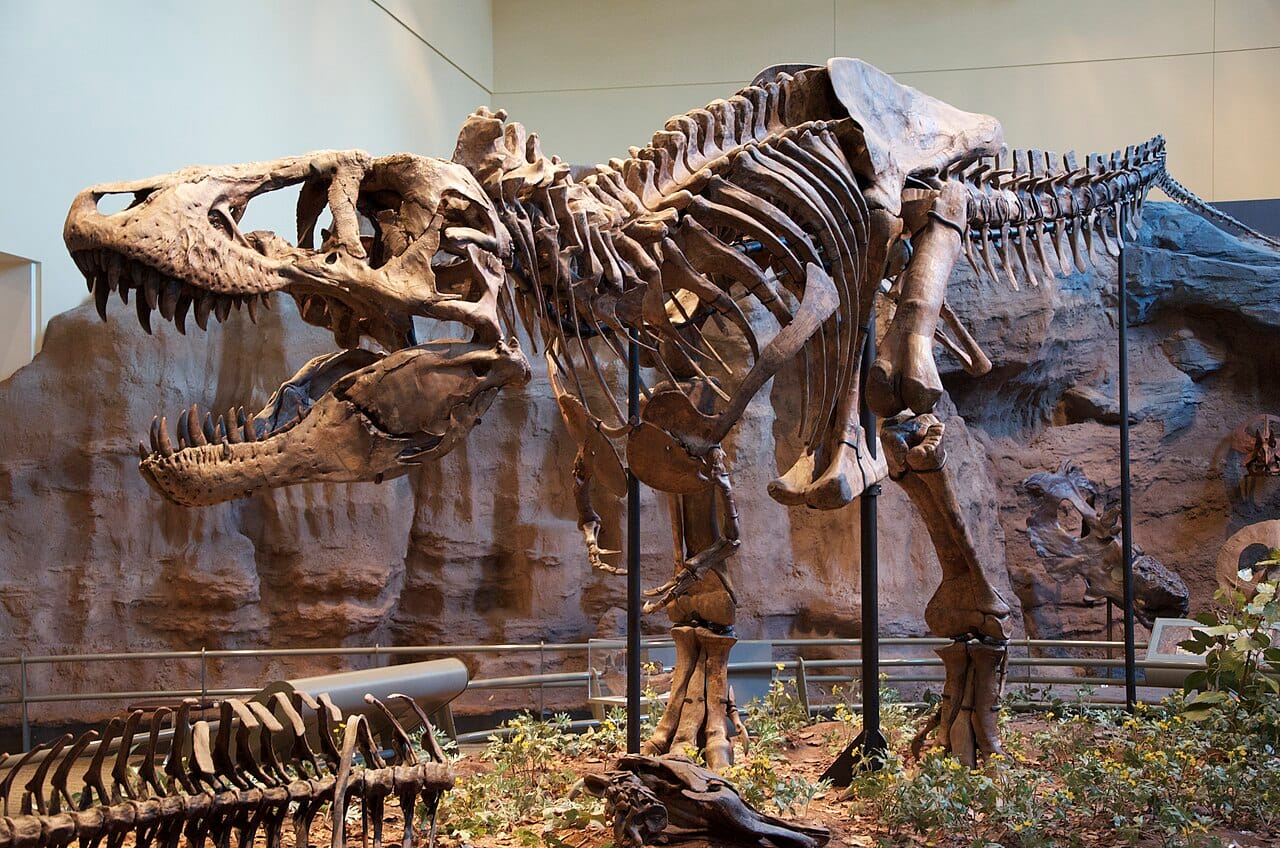
The end-Cretaceous, 66 million years ago, removed around seventy five per cent of species including all non-avian dinosaurs. The evidence for an asteroid impact is strong: a global iridium-rich layer, shocked quartz, and the Chicxulub crater of the right size and age. Whether the Deccan Traps volcanism, active at the same period, contributed is argued, and the dinosaur extinction capsule treats the dispute.
The common factor is rapid environmental change on a global scale, and the specific mechanisms recur.
Large igneous provinces, meaning eruptions of enormous volume over short geological intervals, are associated with several events. Their effect is chemical rather than physical: carbon dioxide release causing warming and ocean acidification, and sulphur causing short-term cooling.
Ocean anoxia follows warming, since warm water holds less oxygen and stratification reduces mixing, and it appears in several events.
Impact is well established for one event and not for the others, despite extensive searching.
Sea level change accompanies several, destroying shallow marine habitat where most fossilisable diversity lived.
The pattern that emerges is that the rate of change matters as much as its magnitude. Organisms tolerate conditions they can adapt or migrate to; the events that cause mass extinction are those that change conditions faster than populations can respond.
Recovery takes millions of years. Diversity returns to pre-extinction levels over intervals estimated at several million to tens of millions of years, and the end-Permian recovery was the slowest.
The composition of the recovered biota differs. Groups that dominated before are frequently not those that dominate afterwards, and extinction is therefore a principal driver of long-term change in what life looks like.
Disaster taxa proliferate immediately afterwards, being generalist organisms that tolerate disturbed conditions, and are then displaced as ecosystems reassemble.
The most cited consequence is the end-Cretaceous. Mammals existed for over a hundred million years as small animals, and their diversification into large-bodied forms follows the removal of the dinosaurs, which is the clearest available example of extinction opening opportunity.
Current extinction rates are estimated to be far above background, with figures of tens to hundreds of times commonly reported, and the question is whether this constitutes a sixth mass extinction.
The case for is that rates are elevated, drivers are global and simultaneous, and the changes are rapid in geological terms.
The case for caution is that recorded species losses so far, while substantial, remain well below the seventy five per cent threshold characterising the five, and that comparing a few centuries against events spanning tens of thousands of years is methodologically difficult.
The more careful framing in the literature is that current rates, if sustained, would produce a mass extinction on the geological definition, which is a statement about trajectory rather than about a completed event. The biodiversity capsule treats the evidence.
Mass extinctions are the largest discontinuities in the history of life, and the composition of the modern biosphere is substantially a consequence of which lineages happened to survive them.
They also provide the only empirical record of how ecosystems respond to rapid global environmental change, which is why they are studied intensively by people whose interest is in the present rather than the past.