Whether dinosaurs generated their own body heat, like mammals and birds, or depended on the environment, like modern reptiles, has been argued for fifty years. The current answer is that most were neither, and that the question was poorly framed.
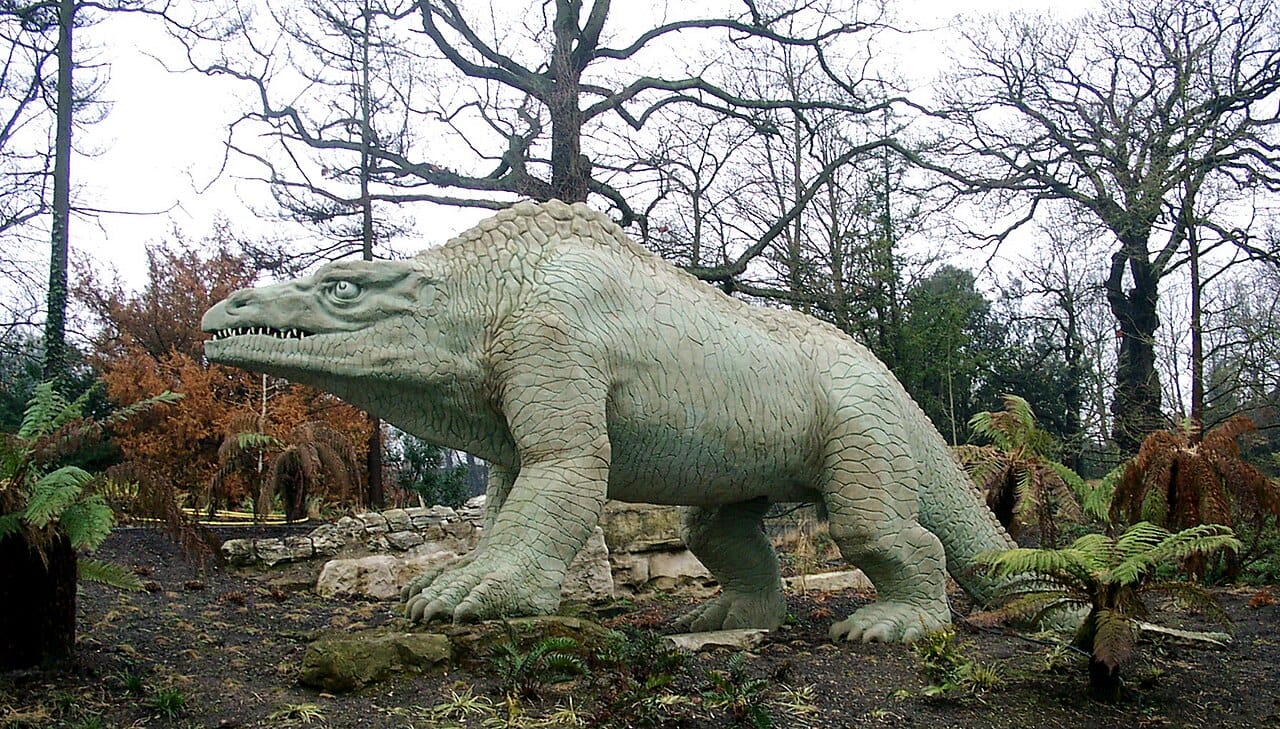
The first reconstructions, the Crystal Palace sculptures of the 1850s, show dinosaurs as scaled-up lizards: sprawling, heavy, slow. That understanding held for a century. Dinosaurs were reptiles, reptiles are cold-blooded, and the conclusion followed without much examination.
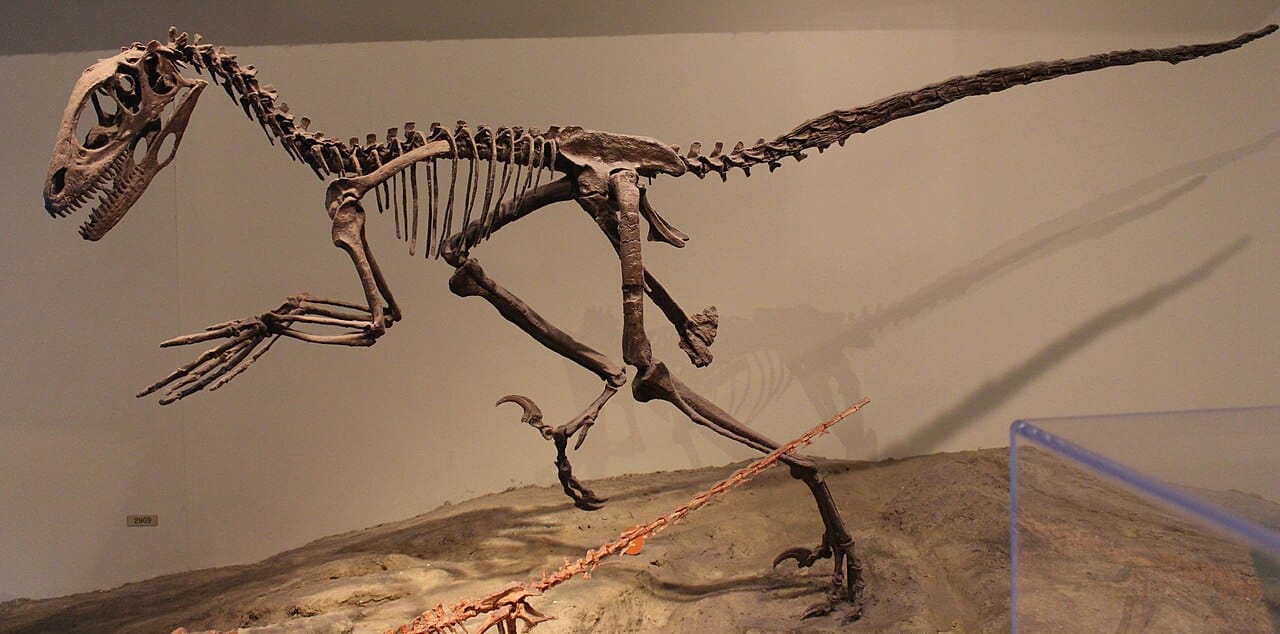
John Ostrom's description of Deinonychus in 1969 broke it. The animal was built like nothing sluggish: long legs, a stiffened tail for balance, a large sickle claw on each foot, and a skeleton consistent with fast active predation.
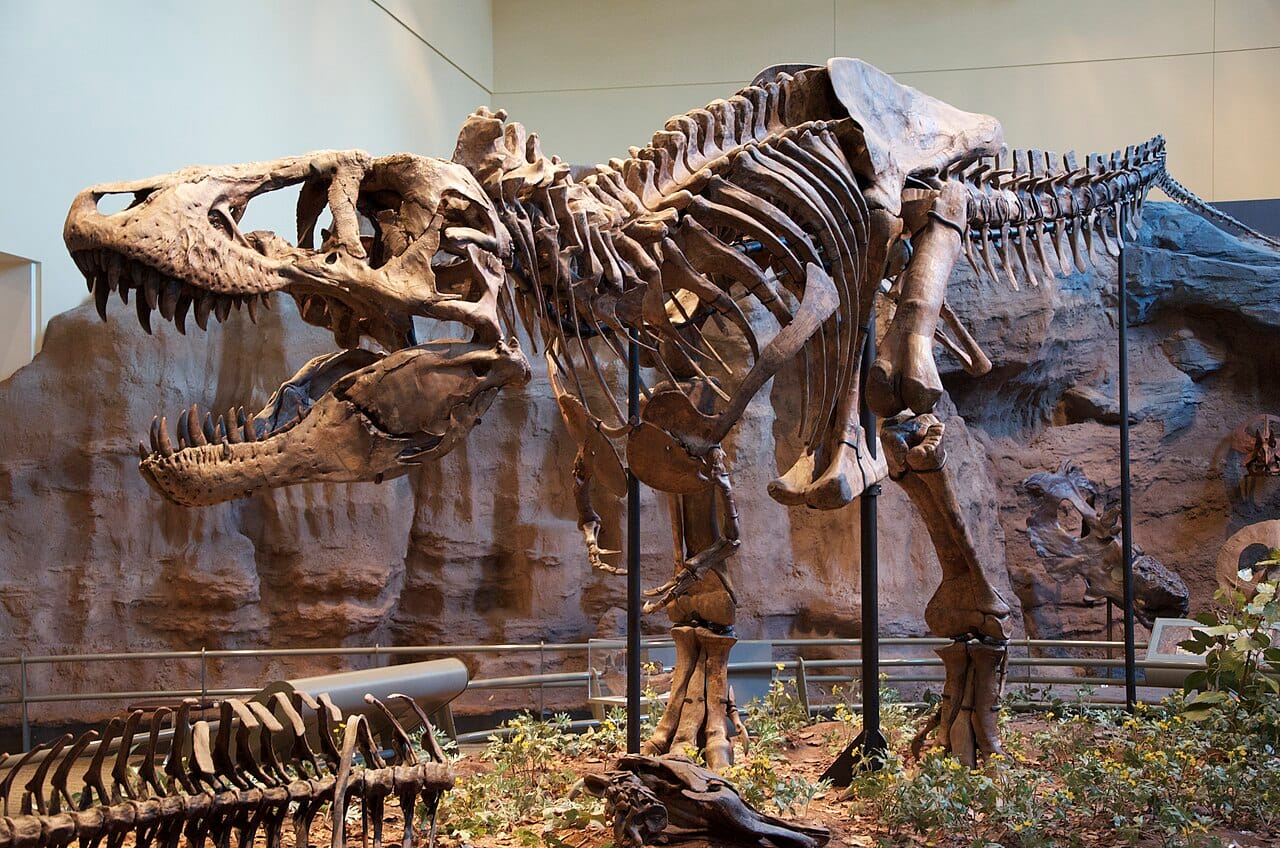
Ostrom's student Robert Bakker pressed the argument into a full case for warm-bloodedness, citing upright posture, growth rates, predator to prey ratios, and the bone structure of dinosaurs, which resembles that of fast-growing mammals rather than reptiles. The resulting period of reappraisal is usually called the Dinosaur Renaissance, and it changed the public image of dinosaurs permanently.
Several independent measurements now bear on the question, and they do not all point the same way.
Bone histology shows growth rings and vascular structure. Many dinosaurs grew fast, more like mammals than reptiles, and large ones reached adult size in a couple of decades. Growth rate is related to metabolism but does not determine it.
Oxygen isotope ratios in bone record body temperature during life. Measurements suggest large dinosaurs held temperatures in the mammalian range, though a large animal does this partly by being large.
Predator to prey ratios in fossil assemblages are lower than expected for cold-blooded predators, which need less food. The samples are small and the taphonomy is difficult, so the argument is suggestive rather than decisive.
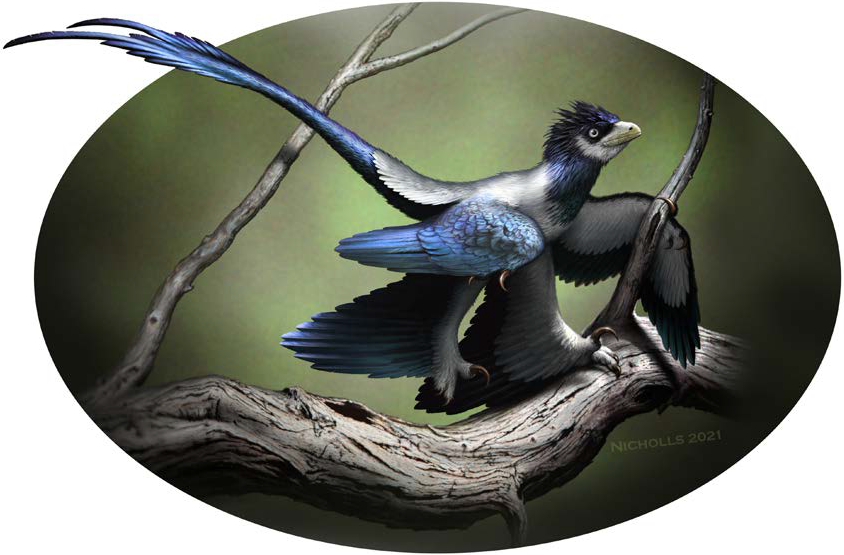
Feathers on many theropods indicate insulation, which is only useful to an animal producing heat worth retaining.
The framing has largely shifted. Warm-blooded and cold-blooded are not two options but ends of a range, and several intermediate strategies exist among living animals.
Mesothermy is the current leading description for many dinosaurs: elevated metabolism above reptilian levels, but below that of birds and mammals, with body temperature partly regulated internally and partly through size. Living tuna, some sharks and the leatherback turtle work this way.
Gigantothermy complicates it further. An animal of great size loses heat slowly simply because its volume grows faster than its surface, so a large sauropod would maintain a stable warm temperature with little internal heat production. Disentangling that from genuine endothermy is the central difficulty, and it means the same measurement can support either reading in the largest species.
Birds are dinosaurs and birds are unambiguously warm-blooded, so endothermy exists within the group and arose somewhere in it. Small feathered theropods close to bird ancestry were almost certainly endothermic.
The disagreement concerns the rest, and particularly whether elevated metabolism is ancestral for dinosaurs generally, with some lineages reducing it, or arose later within theropods. A 2022 analysis of molecular markers of oxygen use in bone argued for the first, which would push the origin of endothermy back to the base of the group. It is one study, and the question remains open.