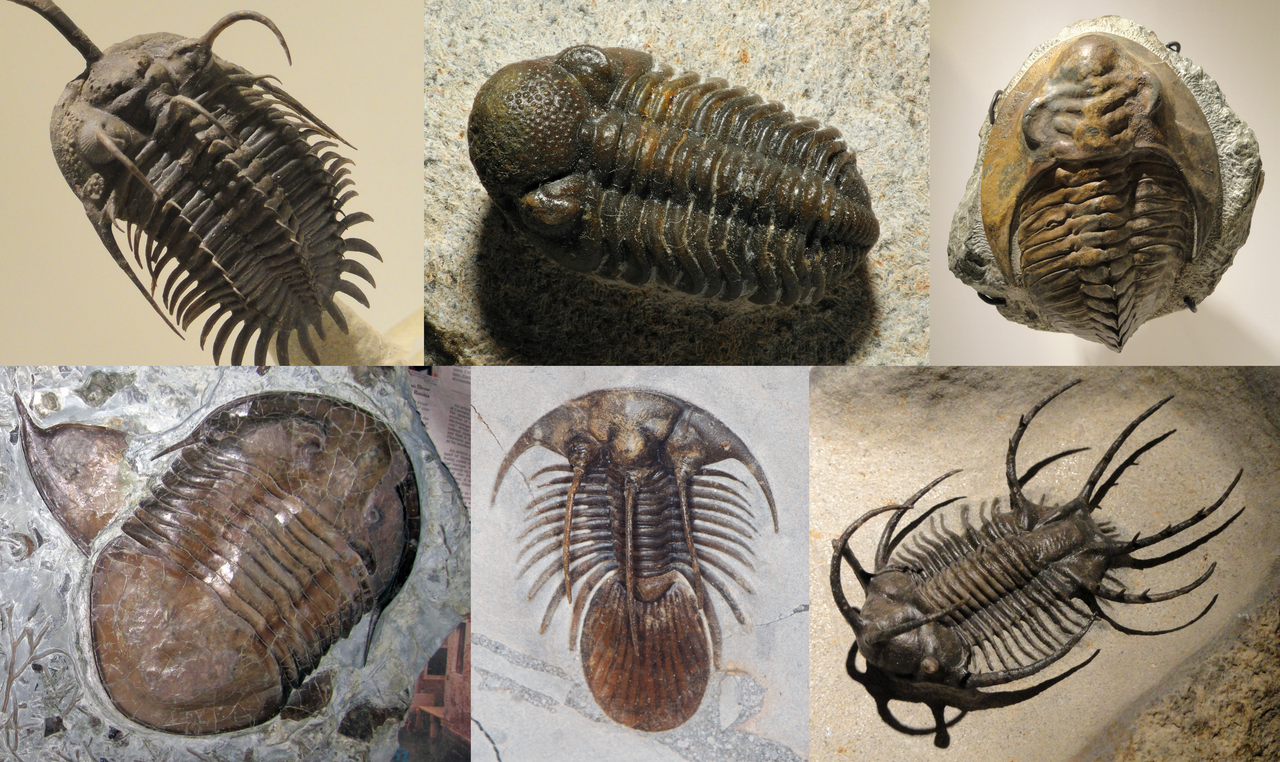
The preserved remains or traces of past life. They are the direct evidence for the history of life on Earth, and the record they form is systematically incomplete in ways that are understood well enough to correct for.
Fossilisation is rare. The normal fate of a dead organism is to be eaten, decomposed and dispersed, and preservation requires unusual circumstances.
Rapid burial is the most important, which is why aquatic and coastal environments dominate the record: sediment accumulates continuously and covers remains before they are destroyed.
The commonest mode is permineralisation, in which mineral-rich water percolates through porous remains and deposits minerals in the spaces, reinforcing the structure. Petrified wood forms this way.
Replacement substitutes original material with minerals, sometimes preserving microscopic detail.
Moulds and casts preserve shape rather than substance: the original dissolves leaving a cavity, which may then fill.
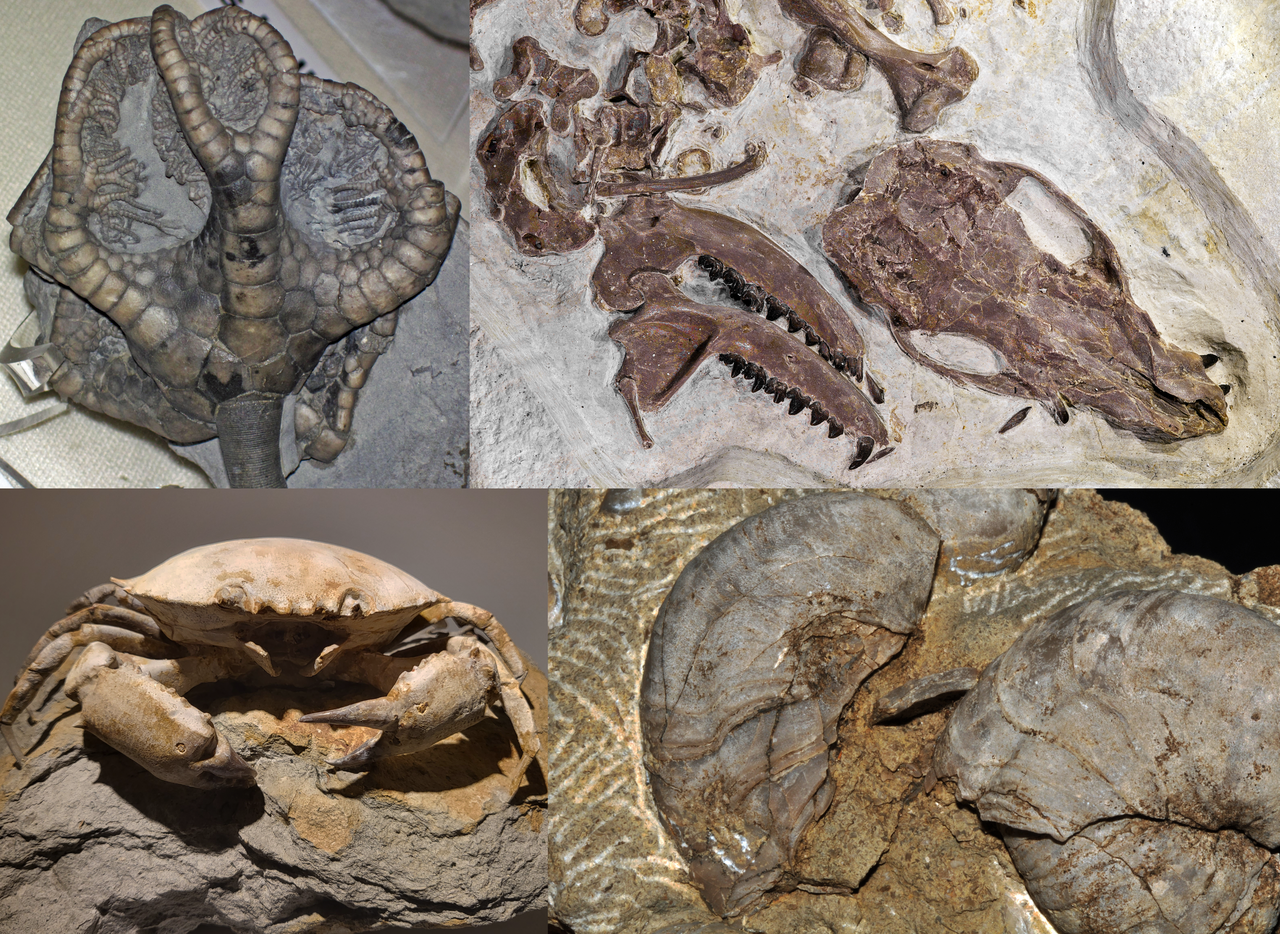
Compression preserves flattened material as a carbon film, which is how most plant fossils and many soft-bodied organisms survive.
Exceptional preservation occurs in amber, permafrost, tar, and certain fine-grained sediments where oxygen was absent. Deposits of this kind, including the Burgess Shale, preserve soft tissue and are disproportionately important because they show what the ordinary record omits.
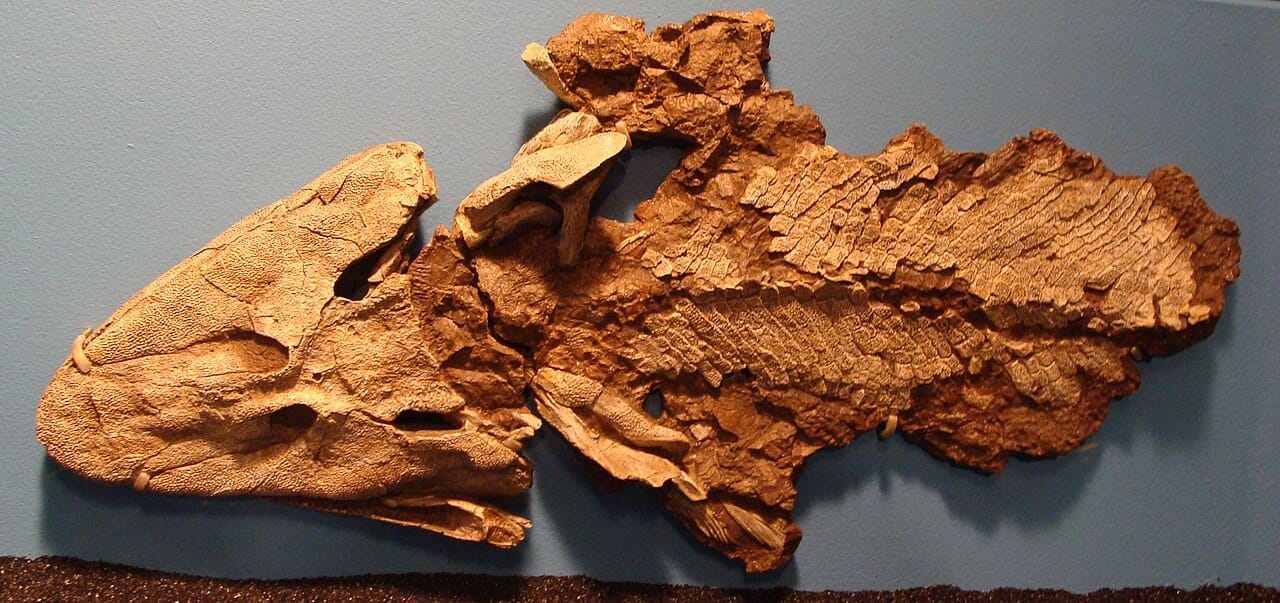
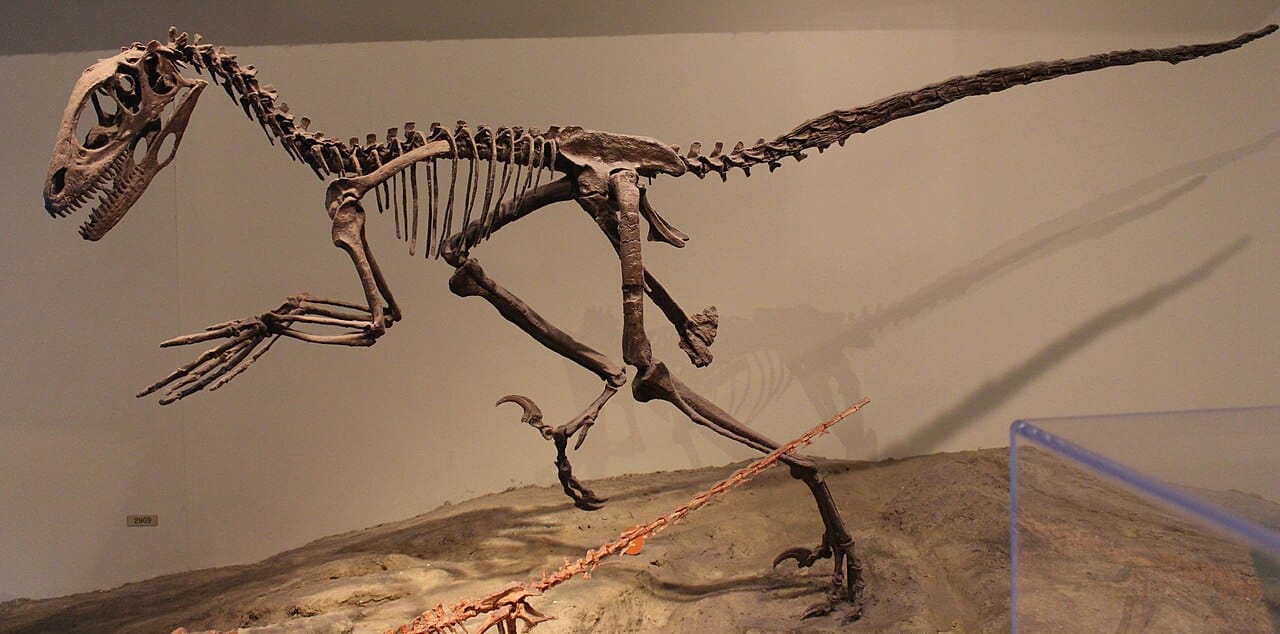
Body fossils are remains of the organism itself, including bones, shells, teeth and wood. Hard parts dominate, which is why organisms with skeletons are far better represented.
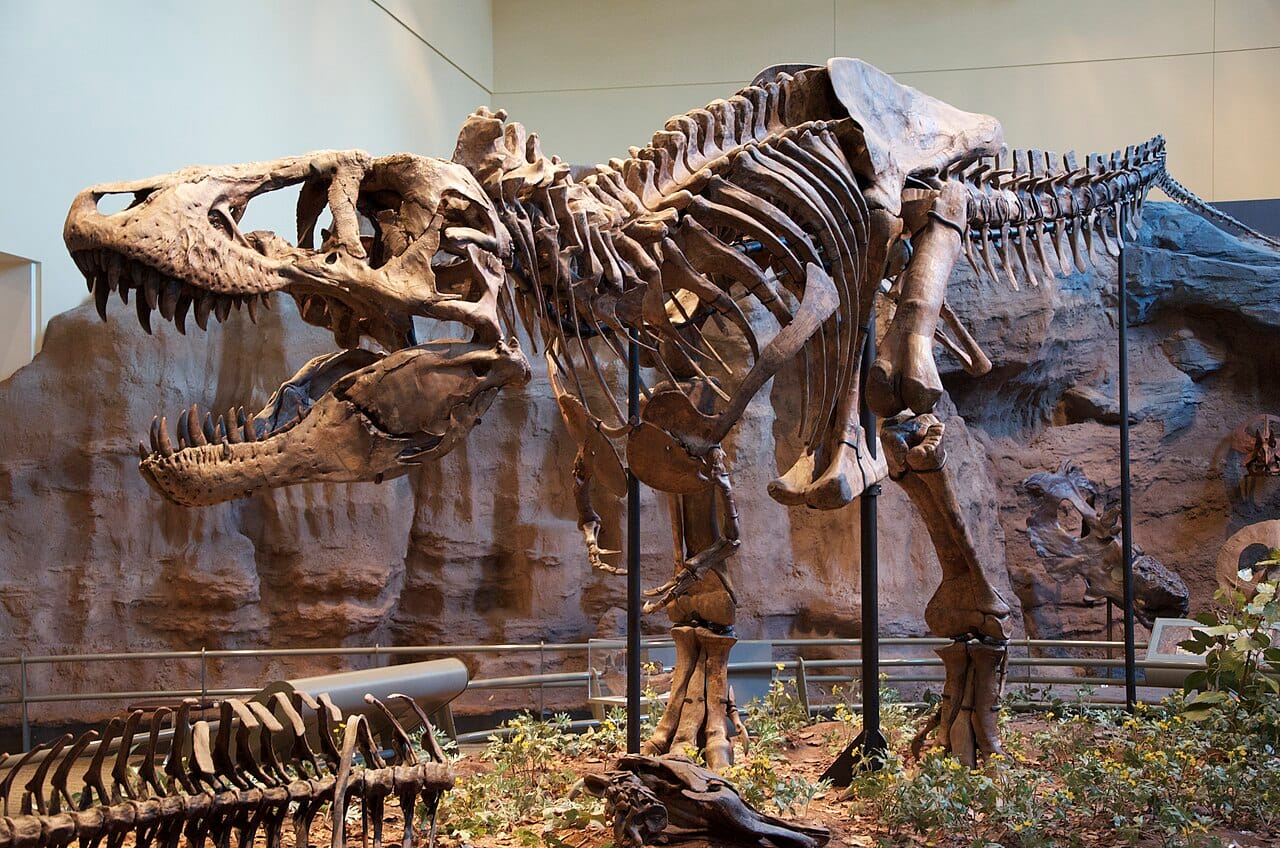
Trace fossils record activity rather than anatomy: footprints, burrows, borings, nests and coprolites, which are fossilised faeces. They are valuable because they record behaviour, which body fossils cannot, and because they are preserved where the organism itself is not.
Chemical fossils are molecules characteristic of particular organisms, used to detect life in rocks far too old for structural preservation.
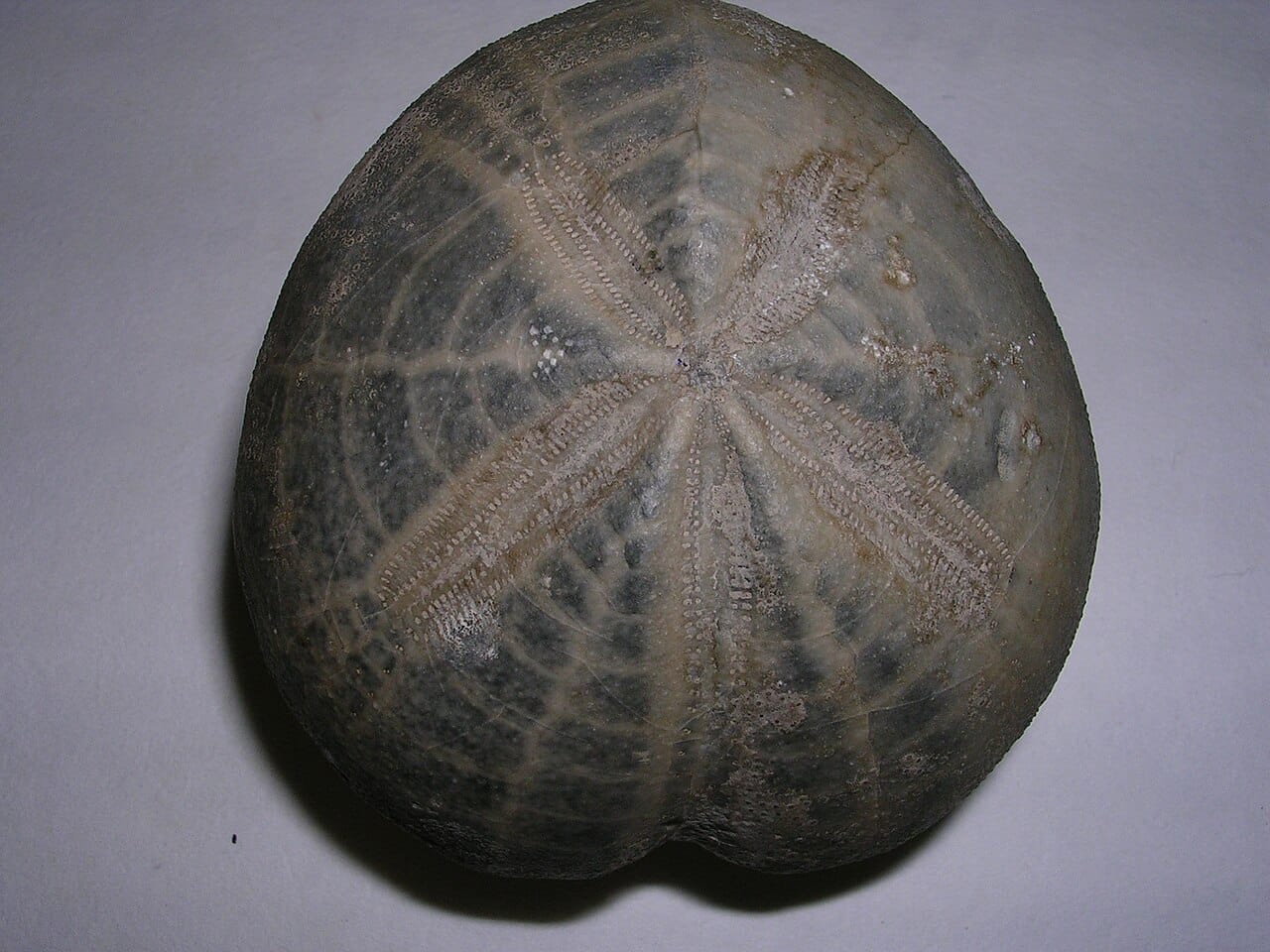
Index fossils are species that were widespread, abundant and short-lived. Their presence dates a rock layer relative to others, which is the basis of biostratigraphy and was used to construct the geological timescale before radiometric dating existed.
The incompleteness is severe and is not random, which matters more than the incompleteness itself.
Soft-bodied organisms are heavily under-represented, so a record dominated by shells and bones understates the diversity of animals without them.
Terrestrial environments preserve less well than marine ones, and mountainous and eroding regions preserve almost nothing.
Small populations and geographically restricted species are less likely to be sampled, which biases the record toward common and widespread forms.
Rocks of some ages are far better exposed than others, so apparent diversity partly reflects how much rock of that age is available to examine.
These biases are why an apparent absence in the record is weak evidence of absence in life, and why sudden appearances may reflect a change in preservation conditions rather than in the organisms.
The Cambrian explosion, treated in its own capsule, is exactly this dispute: how much of the apparent rapid appearance of animal groups is a change in the animals and how much a change in whether they could be preserved.
Fossils supply the only direct record of what lived, when, and where.
They provide the evidence for evolutionary change over time, including sequences documenting transitions between major groups, which are treated in the transitional fossils capsule.
They date rocks, both relatively through index fossils and absolutely through radiometric dating of associated material.
They reconstruct past environments. The organisms present indicate climate, water depth, salinity and vegetation, and isotopes in shells and teeth record temperature and diet directly.
They record the five mass extinctions and the recoveries that followed, which is the main empirical basis for understanding what happens to ecosystems after large losses.
The fossil record is the only direct observation available of the history of life, and everything known about extinct organisms comes from it or from inference constrained by it.
Its incompleteness is also instructive beyond palaeontology. The record is a sample produced by a process that favours some outcomes over others, and reasoning from it requires understanding that process rather than treating what survived as a fair representation of what existed.