Literature written to be performed by actors representing characters. It is distinguished from other literary forms by being incomplete on the page: a play is a set of instructions for an event.
A novel is finished when written. A play is a script, and the performance is the work, which means every production is an interpretation and no two are identical.
The text carries dialogue and stage directions, and it omits a great deal that must be decided: pace, gesture, staging, design, and everything conveyed by how a line is delivered rather than by what it says.
Drama is also constrained by time and physical presence. An audience watches continuously in real time and cannot reread, so exposition must be delivered within the action, and everything must be conveyed through what characters say and do.
Aristotle's Poetics, written in the fourth century BCE, is the earliest surviving analysis and remains influential, identifying plot as the primary element and describing tragedy as producing pity and fear in an audience.
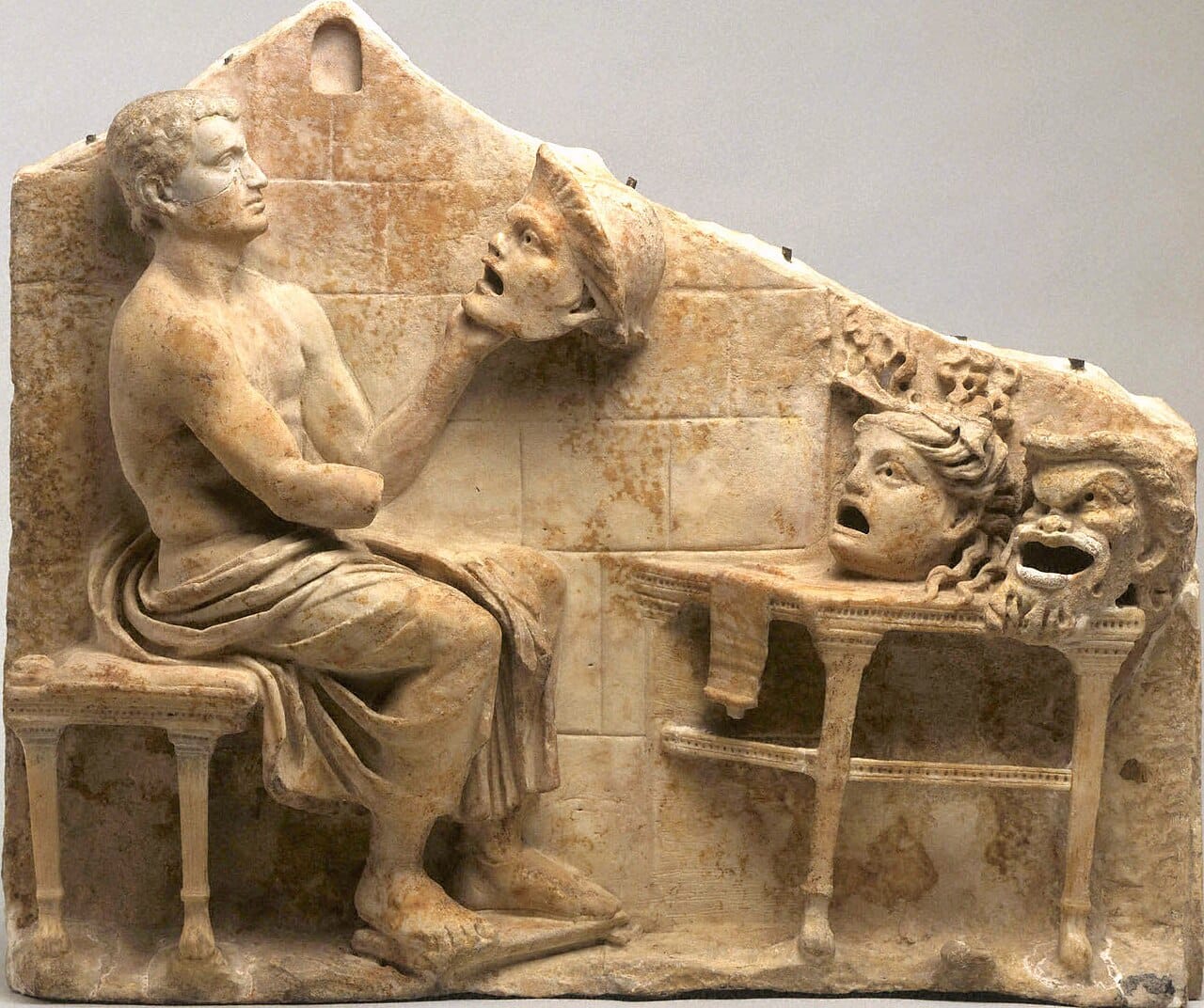
Greek drama emerged from religious festivals in Athens in the sixth and fifth centuries BCE, performed in competitions at festivals of Dionysus.
The structure is well documented. A chorus commented on the action, a small number of actors played all speaking roles by changing masks, and performances took place in daylight in open-air theatres holding many thousands.
Tragedy took its material from myth and concerned figures of high status whose situation ends badly. Aeschylus, Sophocles and Euripides are the tragedians whose work survives in quantity.
Comedy was topical and frequently obscene, and Aristophanes attacked living Athenians by name.
The physical conditions determined the conventions. Masks and stylised gesture were necessary for visibility at distance, and violence occurred offstage and was reported, partly by convention and partly because it could not be staged convincingly.
Sanskrit drama in India developed alongside a detailed theoretical treatise, the Natyashastra, which analyses performance including the emotional states a production should evoke in an audience.
Chinese opera traditions combine speech, song, movement and acrobatics, with role types indicated by costume and painted face.
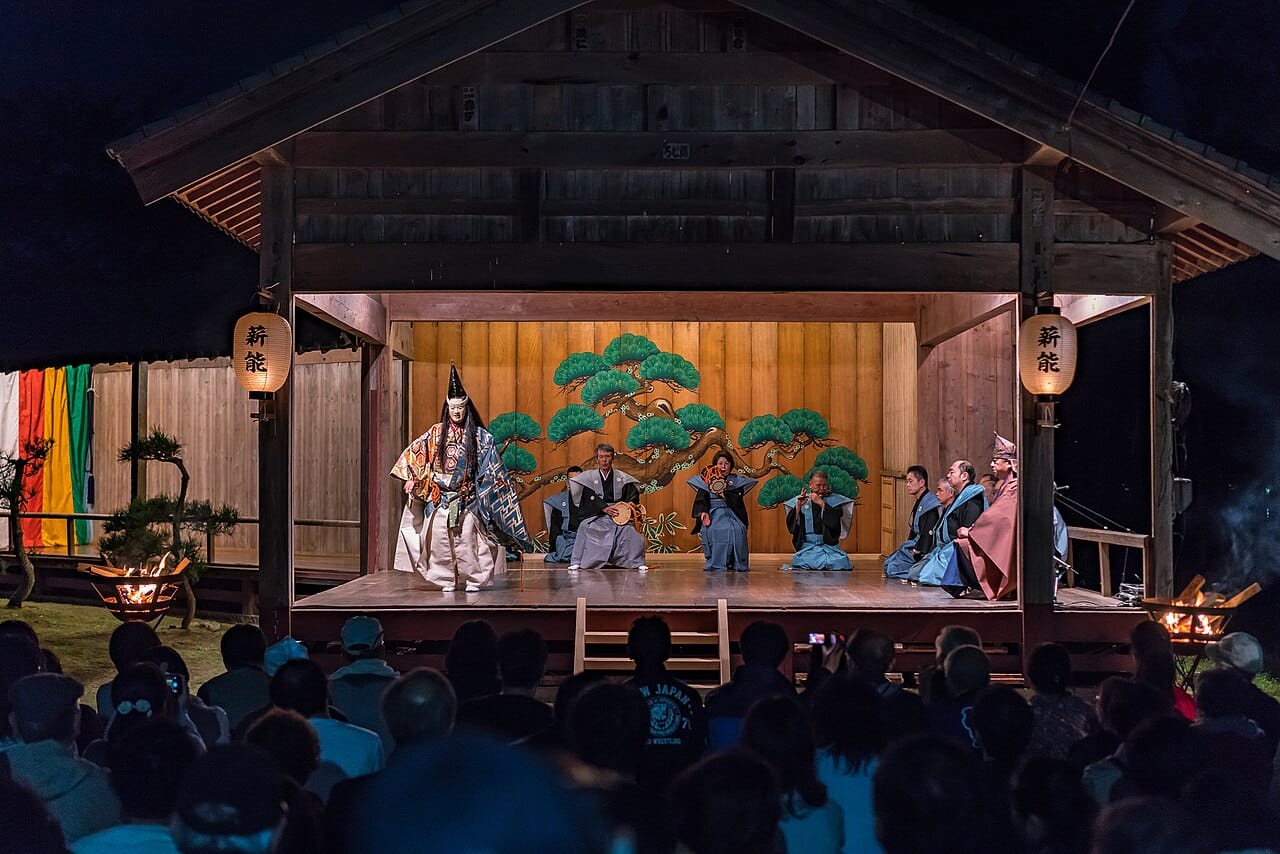
Japanese Noh, formalised in the fourteenth century, uses masks and highly stylised movement, and its repertoire has been performed continuously since. Kabuki developed later as a more popular form.
These traditions are not versions of the Western one. They developed independently, with different relationships between text and performance, and in several the written text is a smaller part of the whole than in European drama.
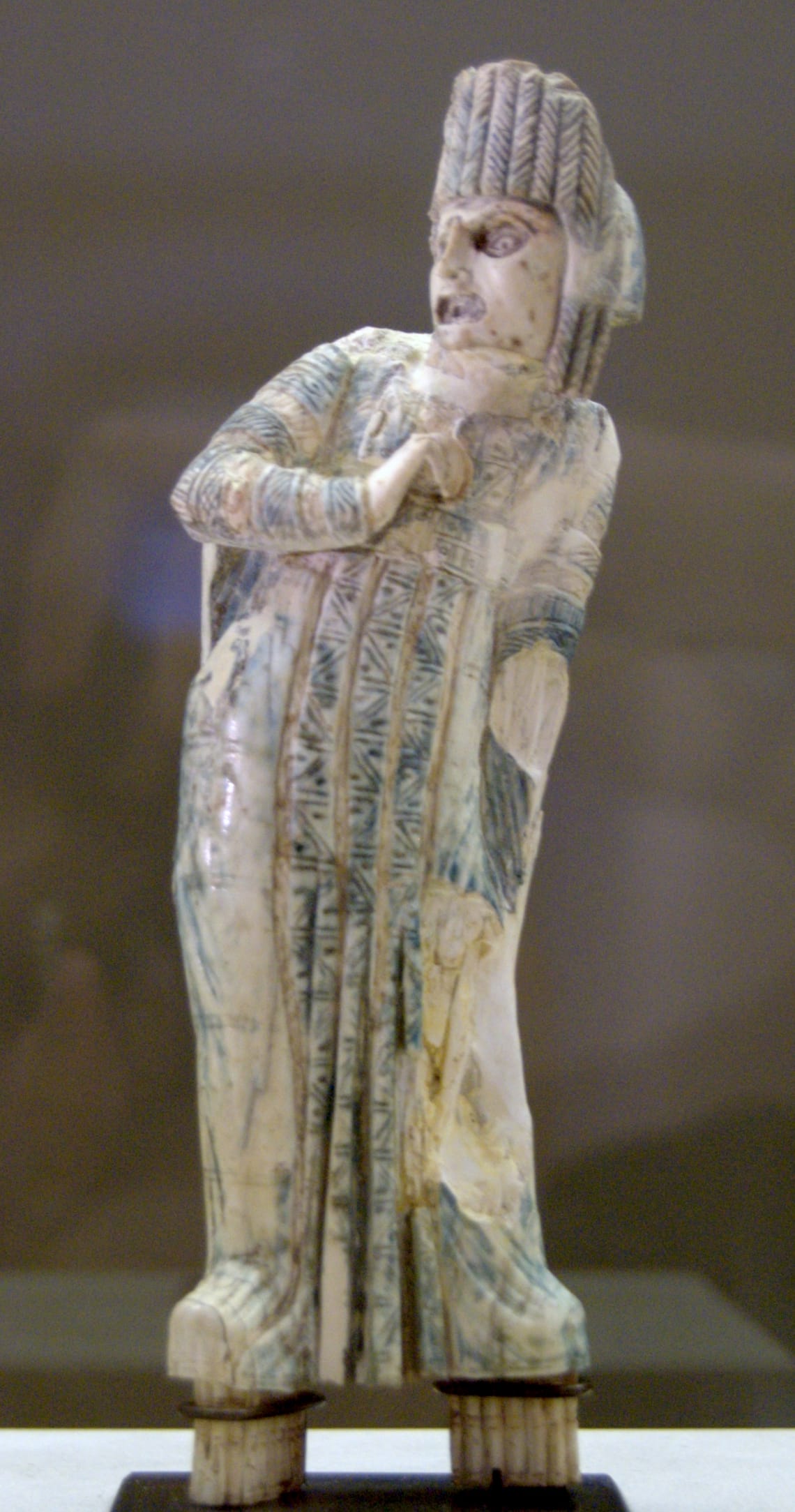
Medieval European drama was largely religious, with mystery and morality plays performed by guilds.
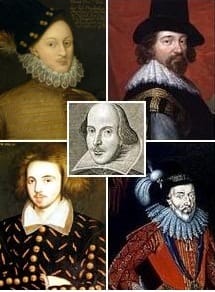
The Elizabethan and Jacobean theatre produced the body of work in English that has remained central. Its conditions shaped the writing: daylight performance, minimal scenery, an audience partly standing and close to the stage, and no actresses, with women's roles played by boys. Scene changes were signalled in the language because there was no way to show them.
Neoclassical drama in France applied rules derived from Aristotle, particularly the unities of time, place and action, which Shakespeare had disregarded entirely.
Realism from the late nineteenth century, in Ibsen, Chekhov and Strindberg, brought ordinary domestic and social subjects onto the stage and treated dialogue as approximating actual speech.
Twentieth century movements rejected realism in various directions, including Brecht's insistence that an audience should remain aware it is watching a play rather than being absorbed, and absurdist drama that abandoned conventional plot.
Film and television absorbed much of drama's audience and a large part of its function, and they can do things the stage cannot, including close-up, location and editing.
The stage retains what recording removes: the performance is live, unrepeatable, and occurs in the same room as the audience, whose response affects it.
Screenwriting inherited dramatic structure directly, and the analytical vocabulary applied to film plots descends from Aristotle by way of nineteenth century dramatic theory.
Drama is the oldest surviving form of narrative literature in the Western tradition, and the Greek plays are the earliest scripts anywhere that are still regularly performed rather than only studied.
It is also the literary form that most clearly demonstrates that a text can be a set of instructions rather than a finished object, which is why the same play can be produced for four centuries and continue to yield results its author did not anticipate.