Organisms that live in conditions that would destroy most life. They are mostly microorganisms, they have substantially widened the definition of a habitable environment, and they are the main empirical basis for expecting life elsewhere.
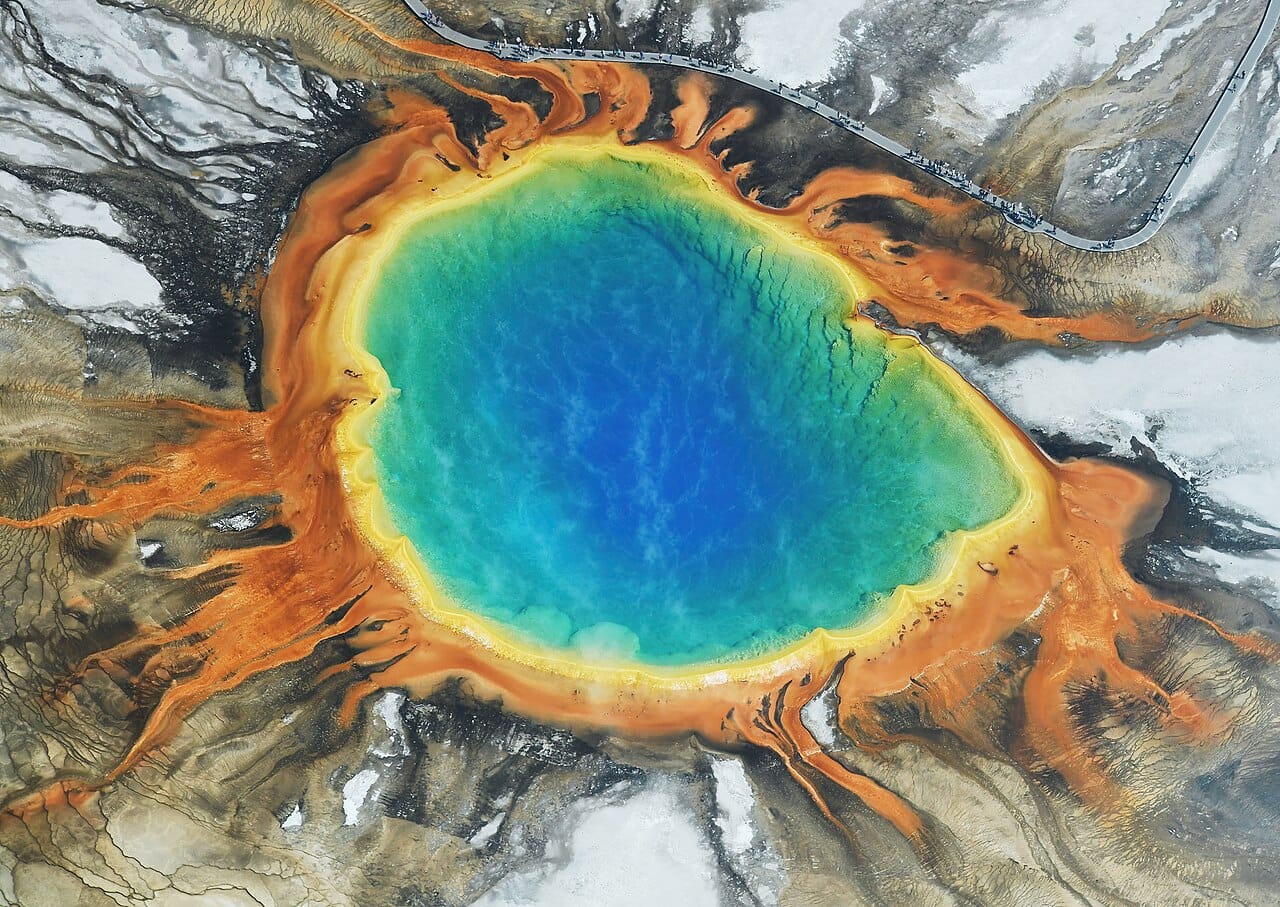
Thermophiles grow at high temperature, and hyperthermophiles above eighty degrees Celsius. The current record holder grows at around 122 degrees under pressure sufficient to keep water liquid.
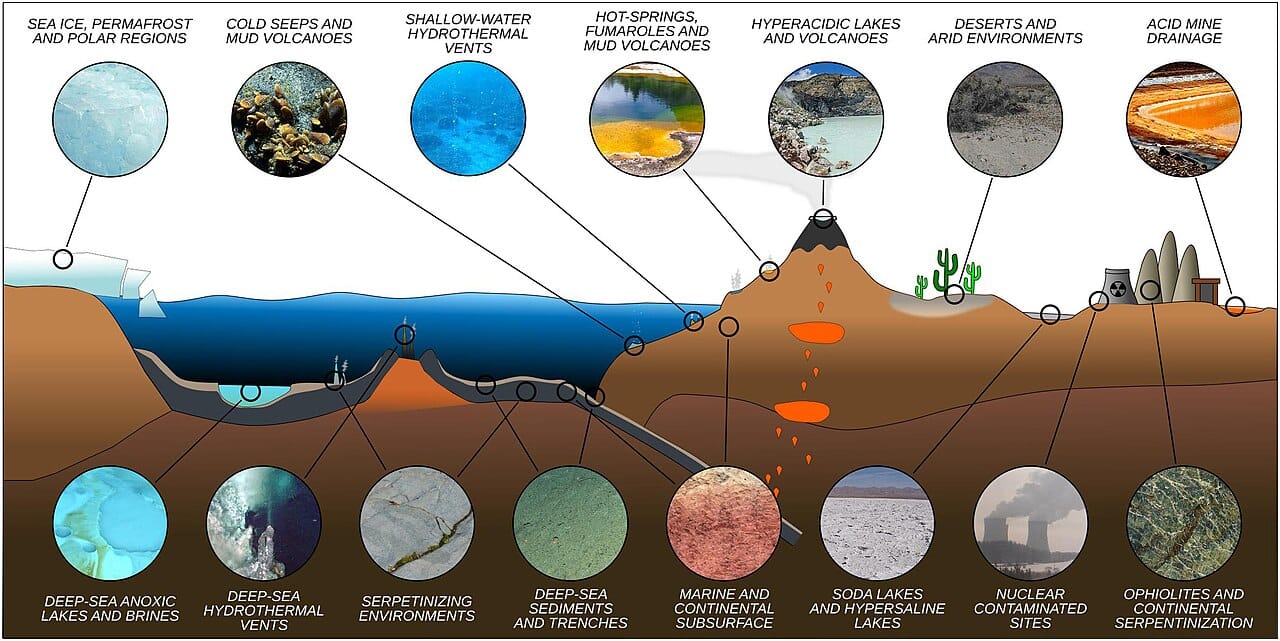
Psychrophiles grow in cold, including within sea ice and in polar soils, remaining active below freezing where dissolved salts keep water liquid.
Acidophiles live below pH 3 and alkaliphiles above pH 9. Some acidophiles thrive around pH 0, in conditions comparable to battery acid.
Halophiles require high salt, and some grow in saturated brine where most cells would be destroyed by water loss.
Barophiles live under the pressure of the deep ocean, and radiation-resistant organisms such as Deinococcus radiodurans survive doses thousands of times what would kill a human.
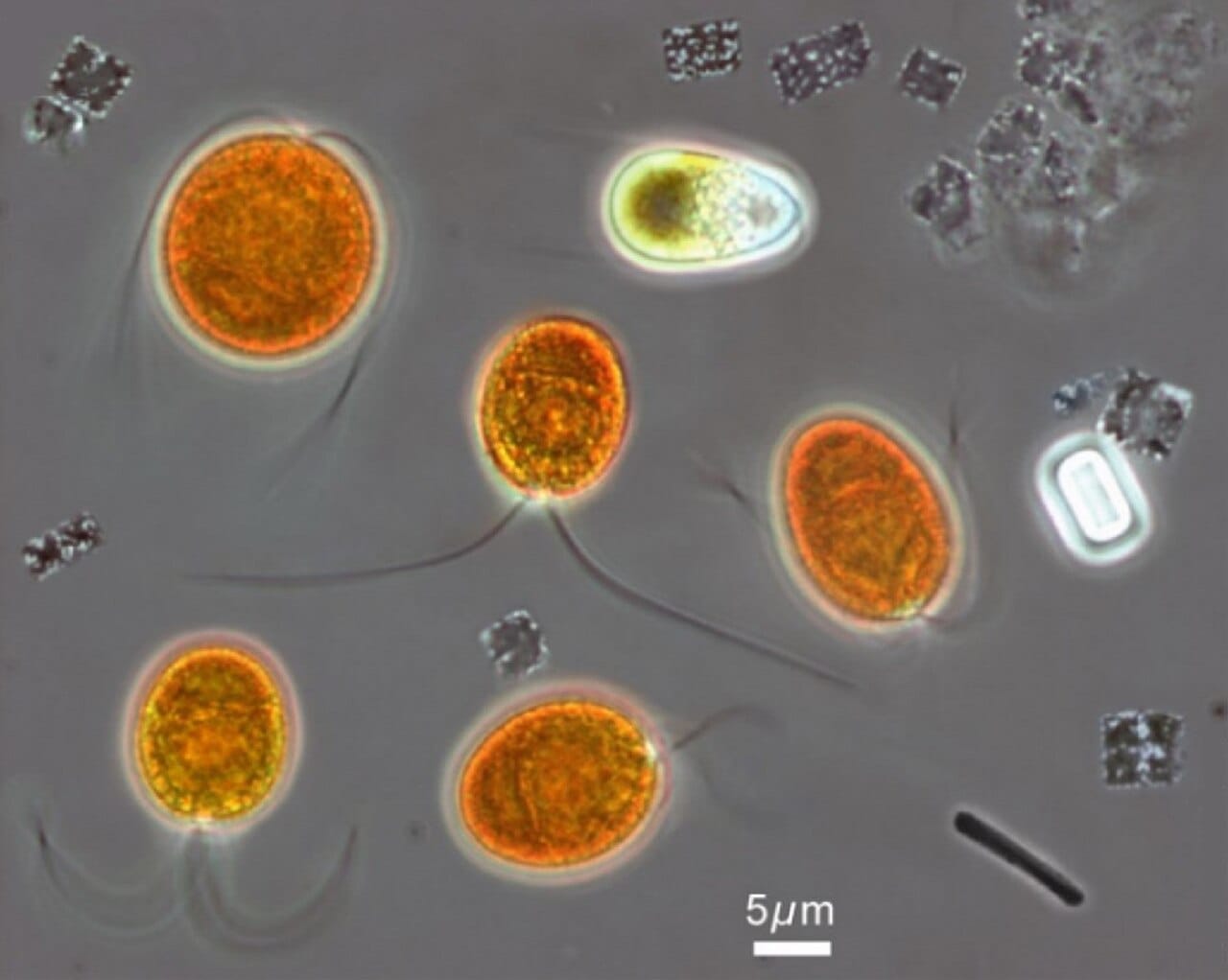
Most extremophiles are archaea or bacteria, though some eukaryotes and a few animals qualify.
The adaptations are specific and identifiable, which is what makes the group scientifically useful rather than merely curious.
Heat-adapted organisms have proteins with additional stabilising interactions, membranes with more rigid lipid structures, and repair systems that maintain DNA at temperatures where it would otherwise break down.
Cold-adapted organisms have the reverse: flexible enzymes that function when molecular motion is slow, membranes that stay fluid, and antifreeze proteins that bind ice crystals and prevent them growing.
Acidophiles do not tolerate acid internally. They maintain a near-neutral interior and pump protons out, so the adaptation is in the membrane and the pumps rather than in the cell's chemistry.
Halophiles either accumulate compatible solutes to balance the external salt, or, in some archaea, adapt their entire protein complement to function at high internal salt concentration.
Deinococcus radiodurans survives radiation not by preventing DNA damage but by reassembling its genome afterwards from multiple copies, which is a repair strategy rather than a resistance one.
The practical significance is that the boundaries of habitability turned out to be far wider than assumed.
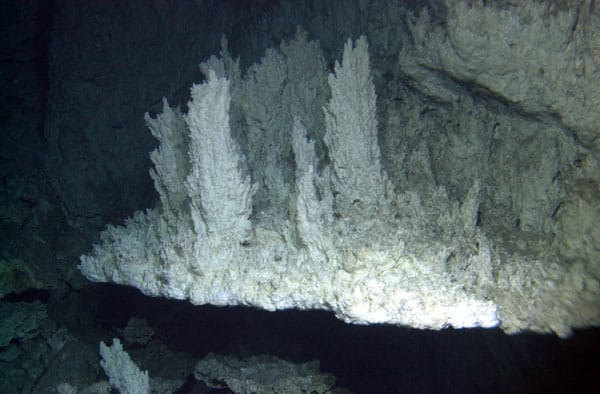
Before the discovery of hydrothermal vent communities in 1977, the standard assumption was that life required sunlight. Vent ecosystems are built on chemosynthesis, with organisms deriving energy from chemical reactions involving vent fluids, entirely independent of the sun.
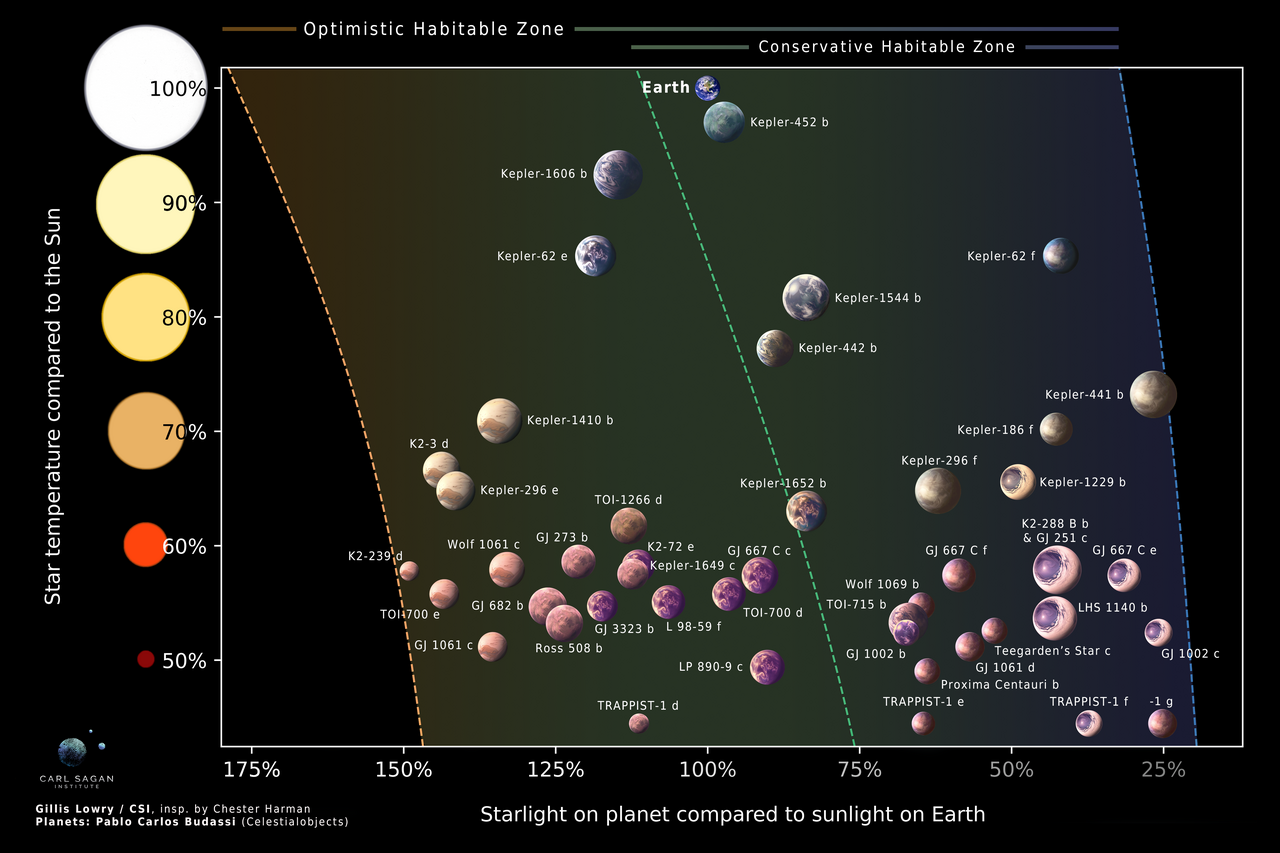
That reframed the question. If life requires only liquid water, an energy source and the necessary elements, the candidate environments in the solar system expand considerably: the subsurface oceans of Europa and Enceladus, the subsurface of Mars, and possibly the clouds of Venus.
Ice-covered Antarctic lakes, deep subsurface rock, and hypersaline brines have all been found to be inhabited, and the number of environments on Earth confirmed to be genuinely sterile is very small.
The caution is that this establishes a possibility rather than a probability. Extremophiles show that life can persist in extreme conditions once established; they say nothing about how readily it originates.
Taq polymerase, an enzyme from Thermus aquaticus found in a Yellowstone hot spring, tolerates the repeated heating required by the polymerase chain reaction. The whole of modern DNA amplification, and therefore much of genetics, forensics and diagnostics, rests on an enzyme from a thermophile.
Cold-adapted enzymes are used in detergents that work at low wash temperatures, saving energy.
Extremophile enzymes are used in industrial processes that run hot, acidic or alkaline, where ordinary enzymes would be destroyed.
Bioleaching uses acidophiles to extract copper and gold from low-grade ore, and organisms from acid mine drainage are used in treating it.
The term is anthropocentric, and specialists point this out regularly. Conditions are extreme relative to the human range, and to an organism that requires boiling acid, ordinary surface conditions are lethal.
Since most of Earth's biomass by some estimates lives in the deep subsurface, in the dark under pressure, the ordinary case may be closer to what is labelled extreme than to the conditions humans occupy.
Extremophiles removed the assumption that life requires conditions resembling those humans need, which was the main constraint on where it was worth looking. They also supplied the enzymes on which a substantial part of modern biotechnology depends, from a hot spring nobody was searching for commercial products in.