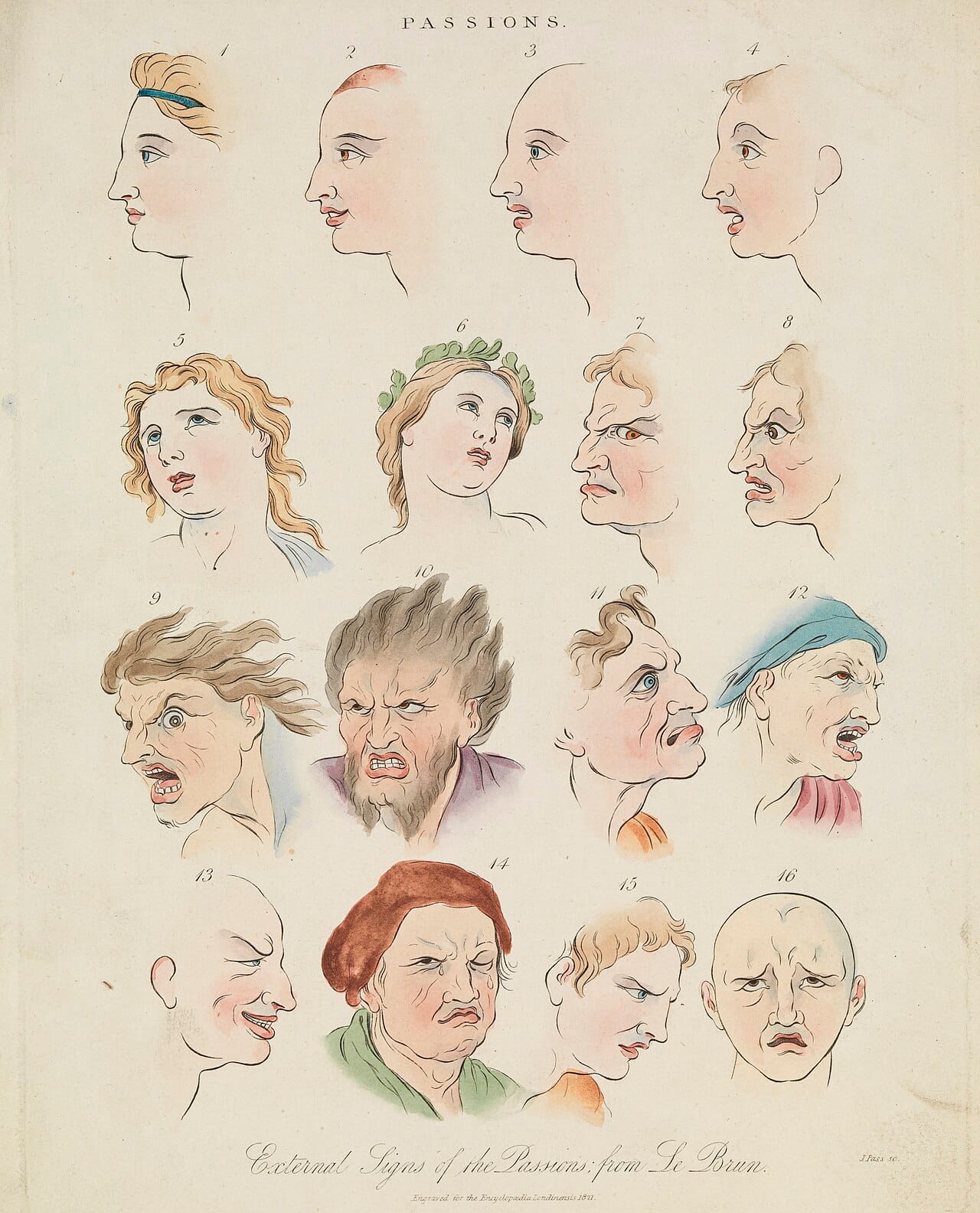
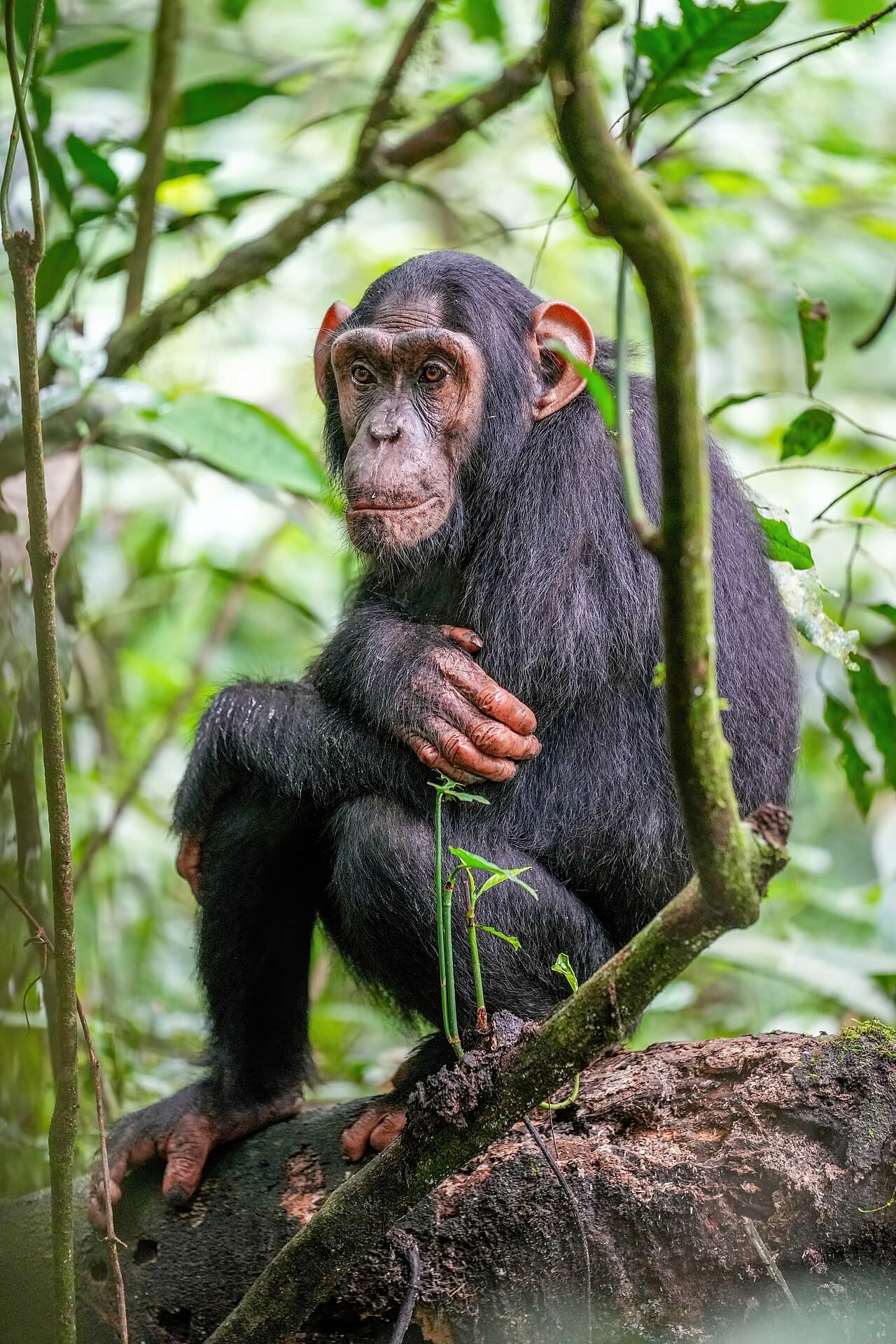
Evolutionary psychology proposes that the human mind, like the human body, was shaped by natural selection, and that many features of thought and behaviour are adaptations to the environments in which our ancestors lived. The general claim that the brain evolved is not disputed by anyone. What is disputed, sharply and at length, is how much of specific human psychology can be explained this way and how such claims can be tested.
The brain is a biological organ produced by evolution, and some psychological traits clearly have evolutionary explanations. Fear of snakes and heights is acquired more readily than fear of more dangerous modern hazards such as electrical sockets, which fits an evolutionary account. Infants show early attention to faces. Disgust responses track sources of contamination. Basic emotional expressions are recognised across cultures. None of this is seriously contested.
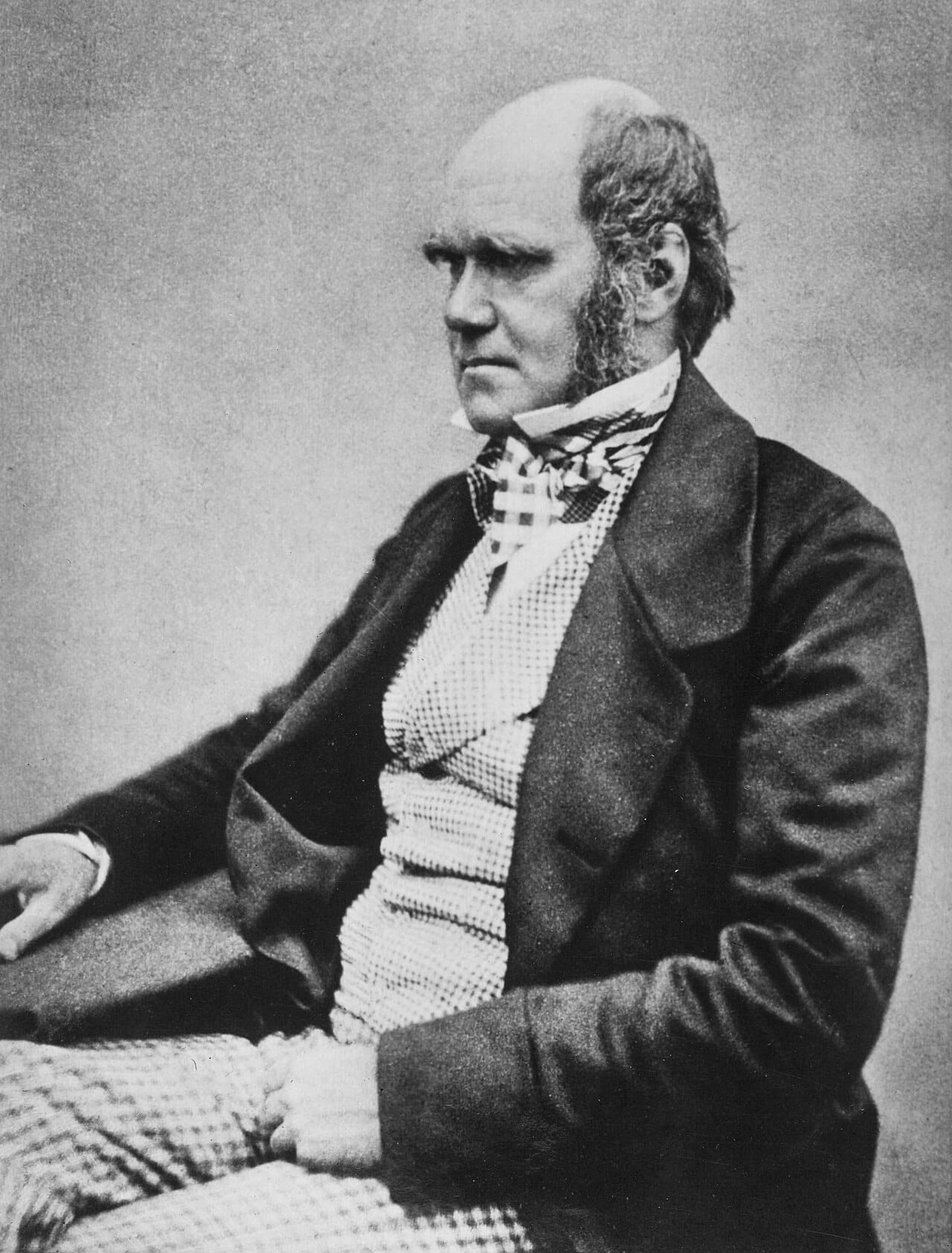
The field as a research programme, developed from the 1980s by Leda Cosmides, John Tooby, David Buss, and others, makes stronger claims. It proposes that the mind is composed of many specialised modules, each shaped to solve a particular ancestral problem, and that these were fixed during a long period of hunter-gatherer life sometimes called the environment of evolutionary adaptedness. Research has applied this to mate preference, jealousy, kin altruism, cheater detection, spatial ability, and aggression.
Untestable storytelling. The most persistent criticism, associated with Stephen Jay Gould and Richard Lewontin, is that adaptive explanations can be constructed for almost any trait after the fact, and that a hypothesis which cannot fail is not doing scientific work. Defenders respond that good work in the field generates predictions tested against data, and that the criticism applies to weak examples rather than to the method.
Not every trait is an adaptation. Gould and Lewontin argued that features can arise as by-products of other changes, or persist without conferring advantage. Reading and mathematics are certainly not adaptations, since writing is a few thousand years old, yet they are central to modern cognition, which shows the mind is not limited to what selection specifically built.
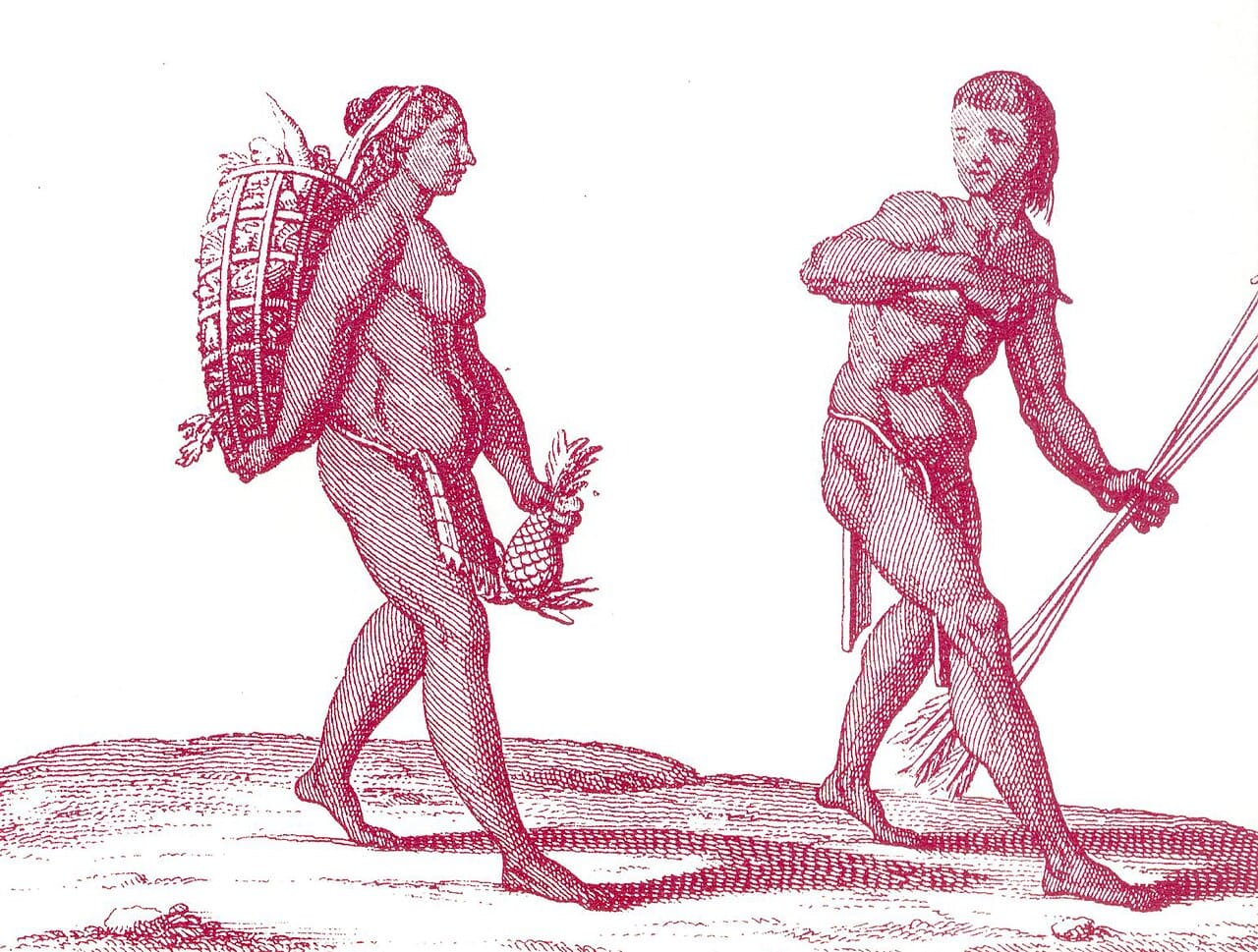
The ancestral environment is largely inferred. Claims about the psychology suited to it depend on reconstructions from limited archaeological evidence and from contemporary foraging peoples, who are themselves modern populations with their own histories rather than living fossils.
Cultural variation. Critics argue the field underestimates how much of the behaviour it explains varies across societies, and that much psychological research has drawn on unrepresentative Western samples while generalising to the species.
Political misuse. Because claims about evolved differences have historically been used to justify inequality, this work attracts scrutiny that other fields do not. Practitioners argue that the origin of a trait carries no implication about what ought to be, and that inferring otherwise is a straightforward logical error; critics respond that the inference is nonetheless commonly drawn in public.

There is broad agreement that evolution shaped the mind and broad disagreement about the explanatory reach of that claim for particular behaviours. Much current work has moved toward gene-culture coevolution, which treats culture as itself an evolutionary force acting on human biology rather than as a separate layer, and which both camps find more defensible than the stronger modular programme of the 1990s.