States combining physiological change, expressive behaviour and subjective feeling, arising in response to events that matter to the organism. What emotions are for is reasonably clear; what they are, and how many there are, is not settled.
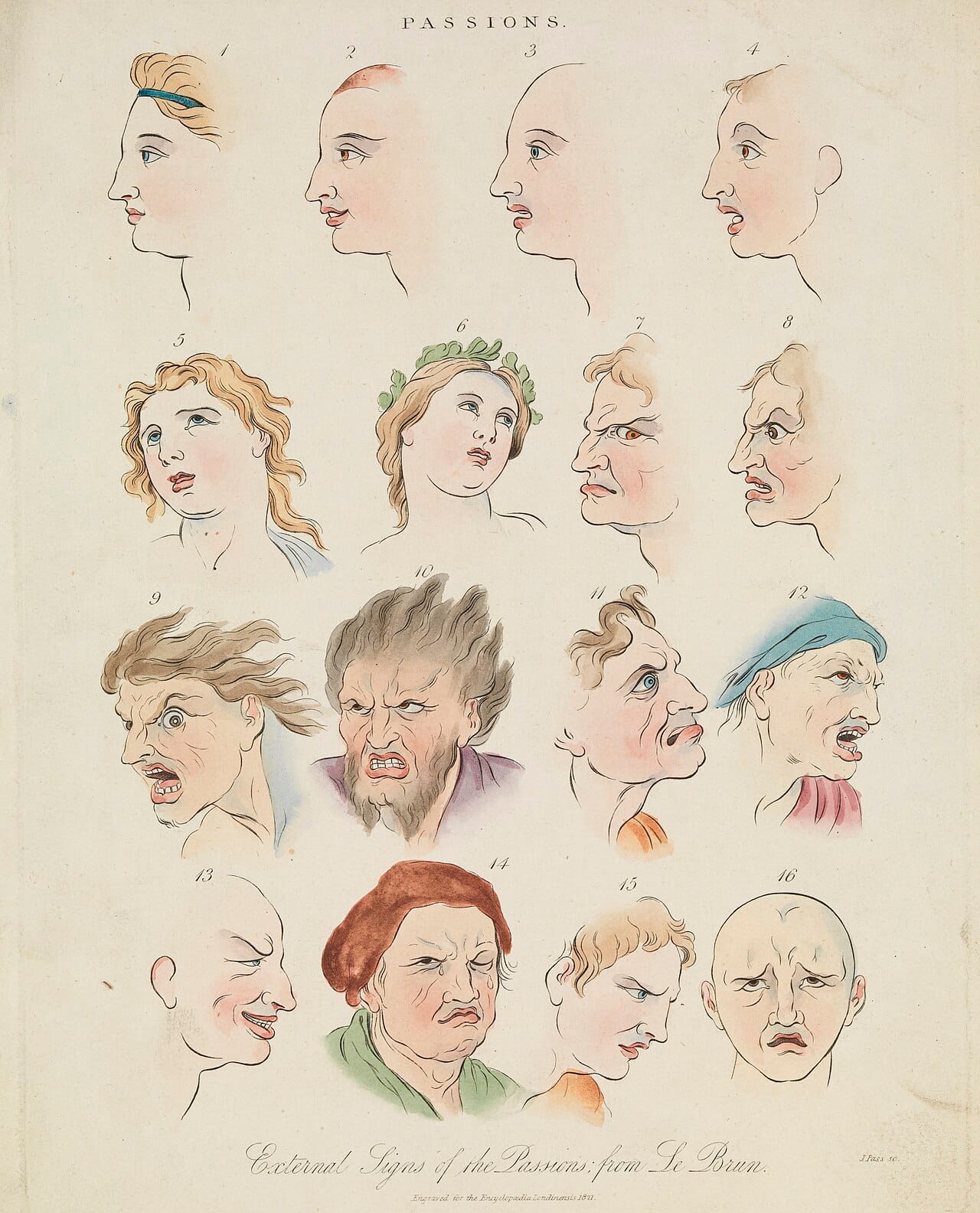
An emotion is conventionally analysed into several parts that can be measured separately.
Physiological change, including heart rate, respiration, skin conductance and hormone release.
Expressive behaviour, principally facial expression, posture and vocal quality.
Action tendency, meaning the behaviour the state prepares: approach, avoidance, attack.
Subjective feeling, the experience itself, which is accessible only by report.
Appraisal, the evaluation of the situation that produces the state.
These components do not correlate as tightly as the everyday concept implies. A person can show the physiology without the expression, or report the feeling without the behaviour, which is one reason defining emotion has proved difficult.
The functional account is the least contested part of the subject.
Emotions prepare the body for action. Fear produces changes suited to escape; anger produces changes suited to confrontation.
They prioritise. An organism with many possible actions and limited time needs a mechanism that interrupts current behaviour when something important occurs, and emotion performs that interruption.
They communicate. Expressions signal internal state to others, which coordinates behaviour in social species.
They guide decisions. Work on patients with damage to regions involved in emotional processing found that reasoning ability could be preserved while decision-making in ordinary life collapsed, which is evidence that emotion is part of practical reasoning rather than an interference with it.
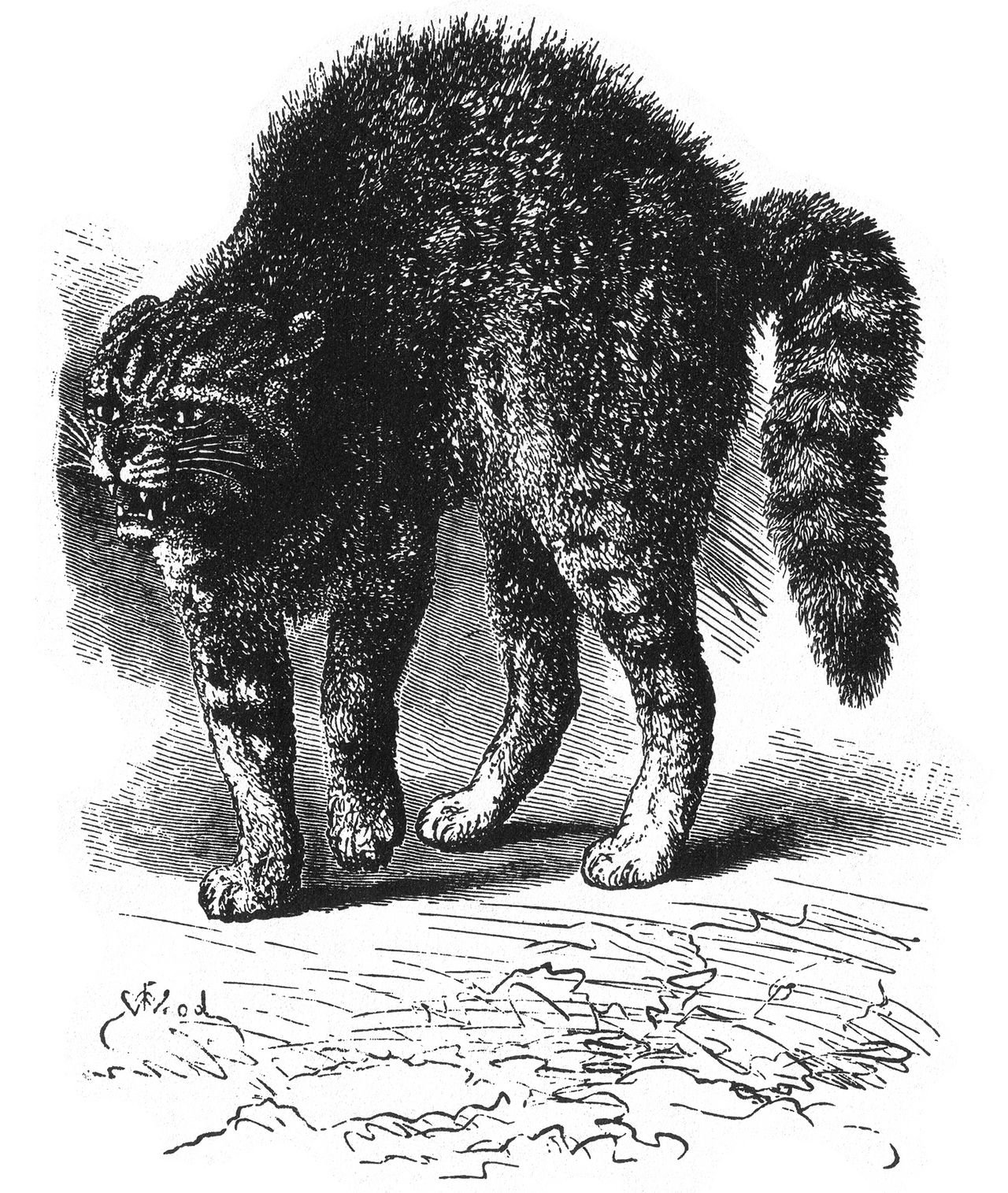
The long-running dispute is whether there is a small set of discrete, biologically given emotions or whether emotional categories are constructed.
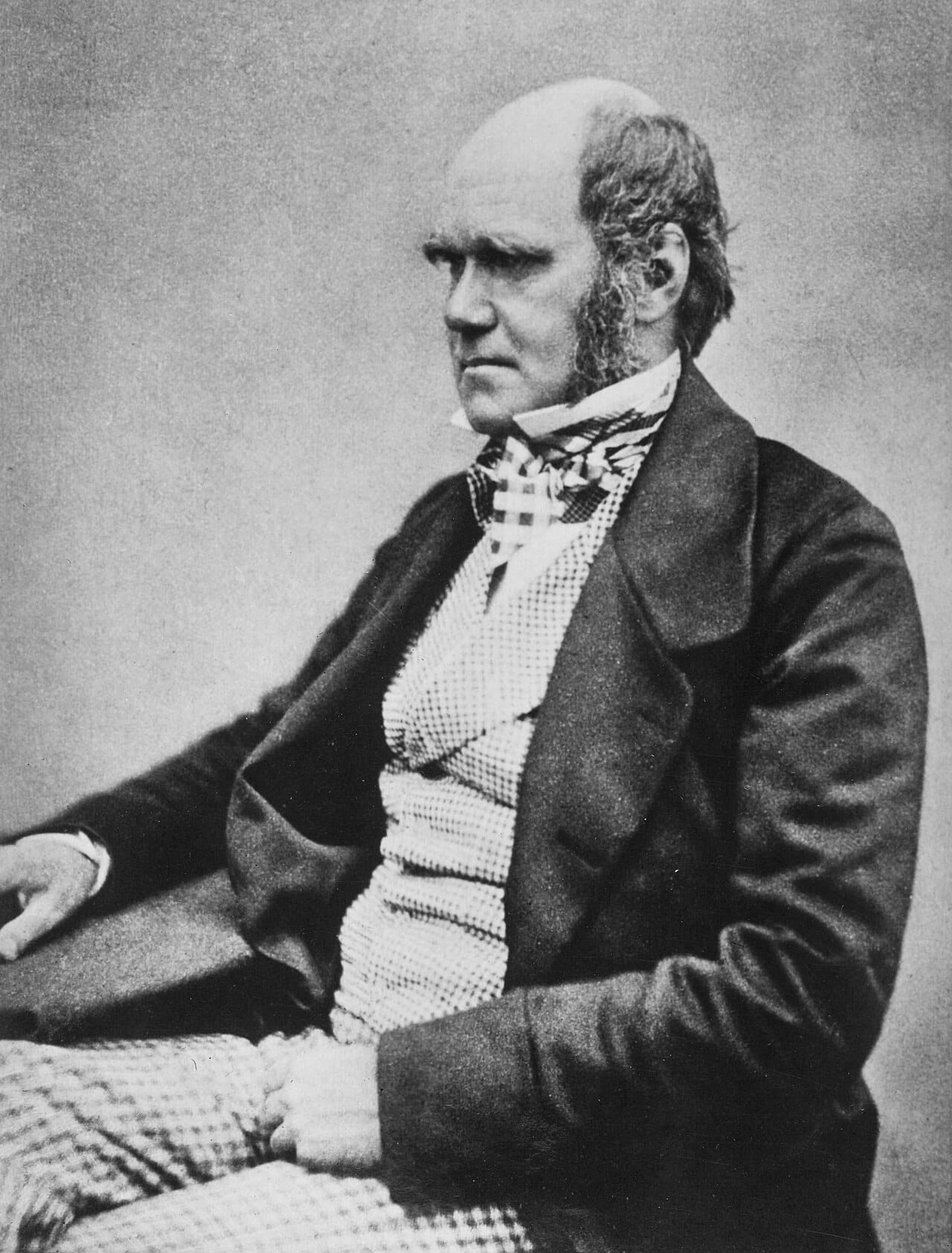
The basic emotions position, developed by Paul Ekman from the 1960s and descending from Darwin, holds that a small number of emotions, commonly listed as happiness, sadness, fear, anger, surprise and disgust, have distinct facial expressions recognised across cultures and distinct physiological signatures.
The supporting evidence was cross-cultural recognition studies, including work with populations having little exposure to Western media.
The constructionist position, argued most prominently by Lisa Feldman Barrett, holds that emotions are not natural kinds. On this account the brain constructs an emotional experience from general-purpose ingredients, principally bodily arousal and learned concepts, and the categories vary with language and culture.
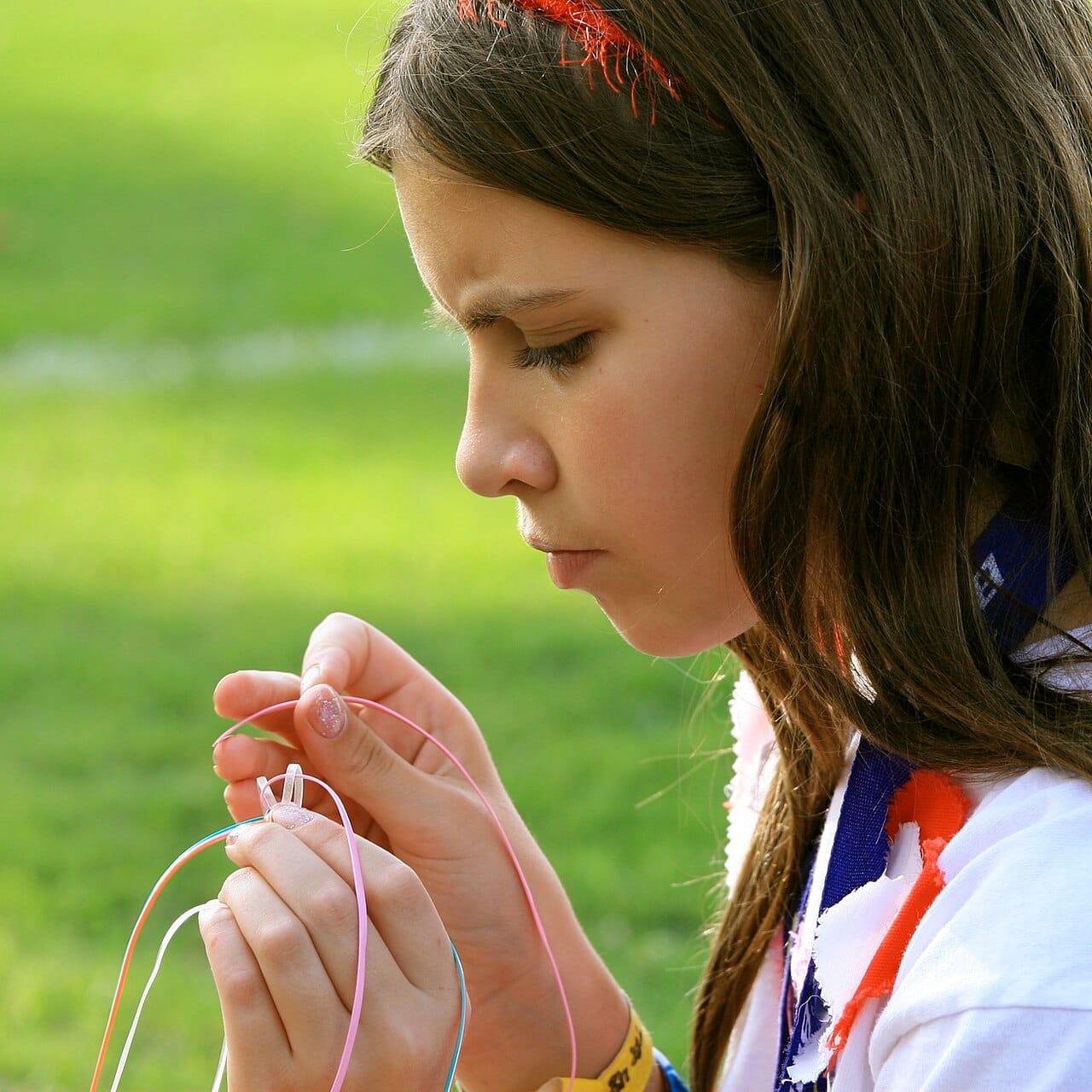
The evidence for it includes meta-analyses finding that proposed emotions lack consistent physiological or neural signatures, that facial expressions correspond to emotional states far less reliably than assumed, and that cross-cultural recognition results weaken substantially when the method does not supply participants with a list of words to choose from.
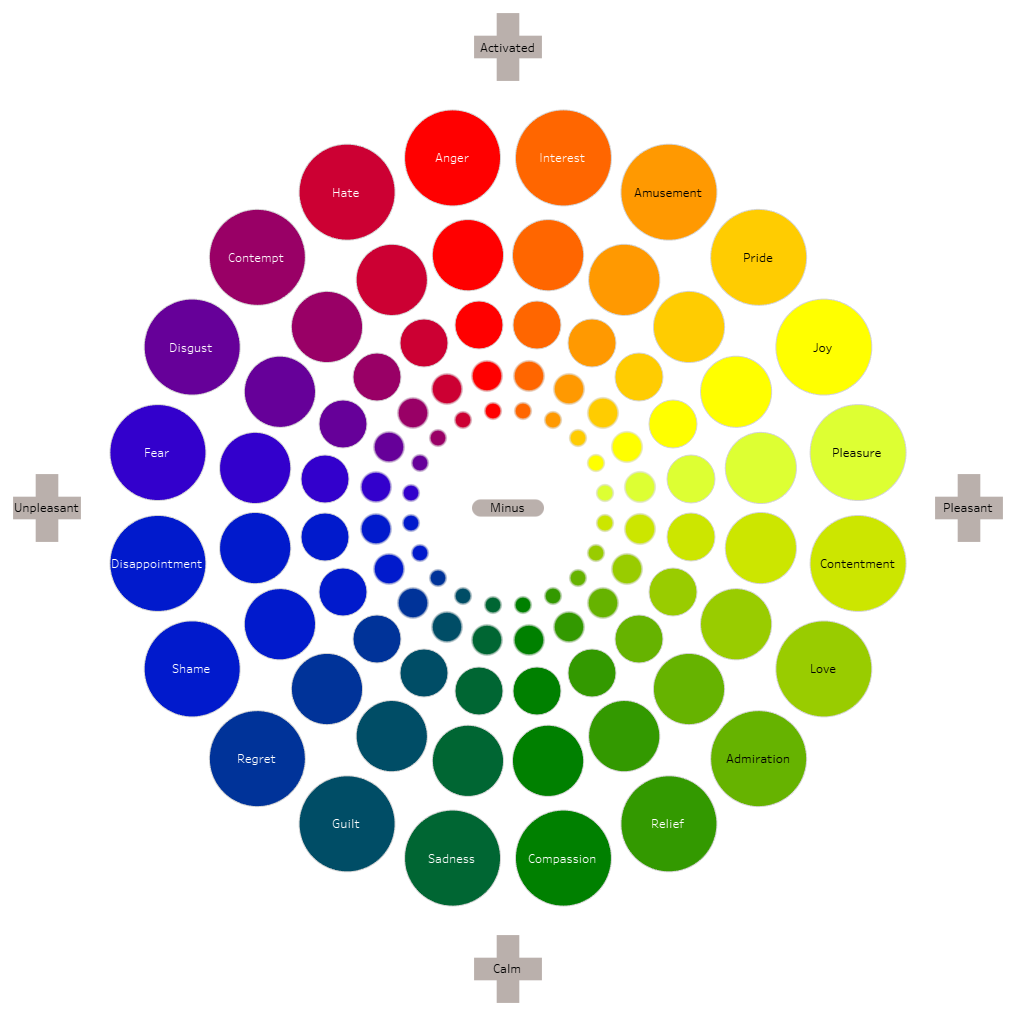
Dimensional models offer a third approach, describing emotional states by position along continuous axes, usually valence from pleasant to unpleasant and arousal from calm to activated, rather than by category.
The current position is genuinely unsettled. The strong basic-emotions claim, that each emotion has a distinct universal signature, is not well supported; the strong constructionist claim, that categories are wholly cultural, is also disputed, and cross-cultural regularities exist.
Some findings hold across the dispute.
Emotional states affect memory. Emotionally significant events are remembered better, though not necessarily more accurately, as the human memory capsule describes.
The amygdala is involved in processing threat-related stimuli, though it is not a fear centre and participates in much else.
Autonomic arousal accompanies intense emotional states, and this is measurable and reliable even where the specific pattern is not diagnostic of a particular emotion.
Regulation is possible and effective. Reappraising a situation changes the emotional response measurably, and this is the mechanism underlying several effective psychological therapies.
Emotional expression is partly voluntary and partly not, and the distinction between genuine and posed expressions has measurable correlates, though not as reliably as popular accounts of lie detection suggest.
Emotion is the mechanism by which an organism's state is matched to its circumstances, and disorders of it, including depression and anxiety, are among the largest causes of disability worldwide.
The dispute about its nature is also a good example of a mature scientific disagreement. Both positions have substantial evidence, the disagreement is about how to interpret a shared body of findings, and the honest summary is that a question which sounds elementary, how many emotions there are, has no agreed answer.