Cultural relativism is the principle that a culture should be understood on its own terms rather than judged against the standards of another. It began as a methodological correction and became an ethical claim, and the distance between those two things is where the argument lives.
The idea was developed by Franz Boas and his students in the early twentieth century, in direct opposition to the evolutionary anthropology then dominant, which ranked societies on a ladder from savagery to civilisation with Europe conveniently at the top. Boas argued that this ranking was not a finding but an assumption, that traits acquire meaning only inside the system they belong to, and that comparing them out of context produces nonsense dressed as science.
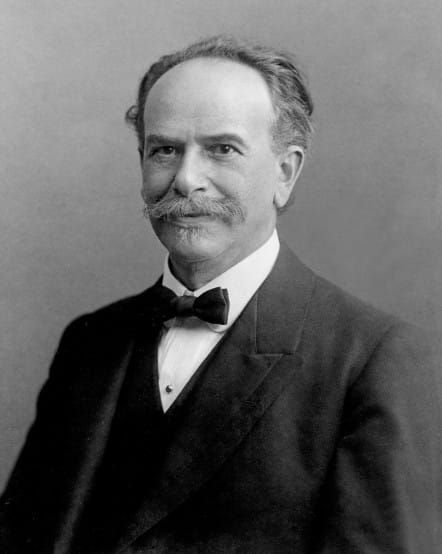
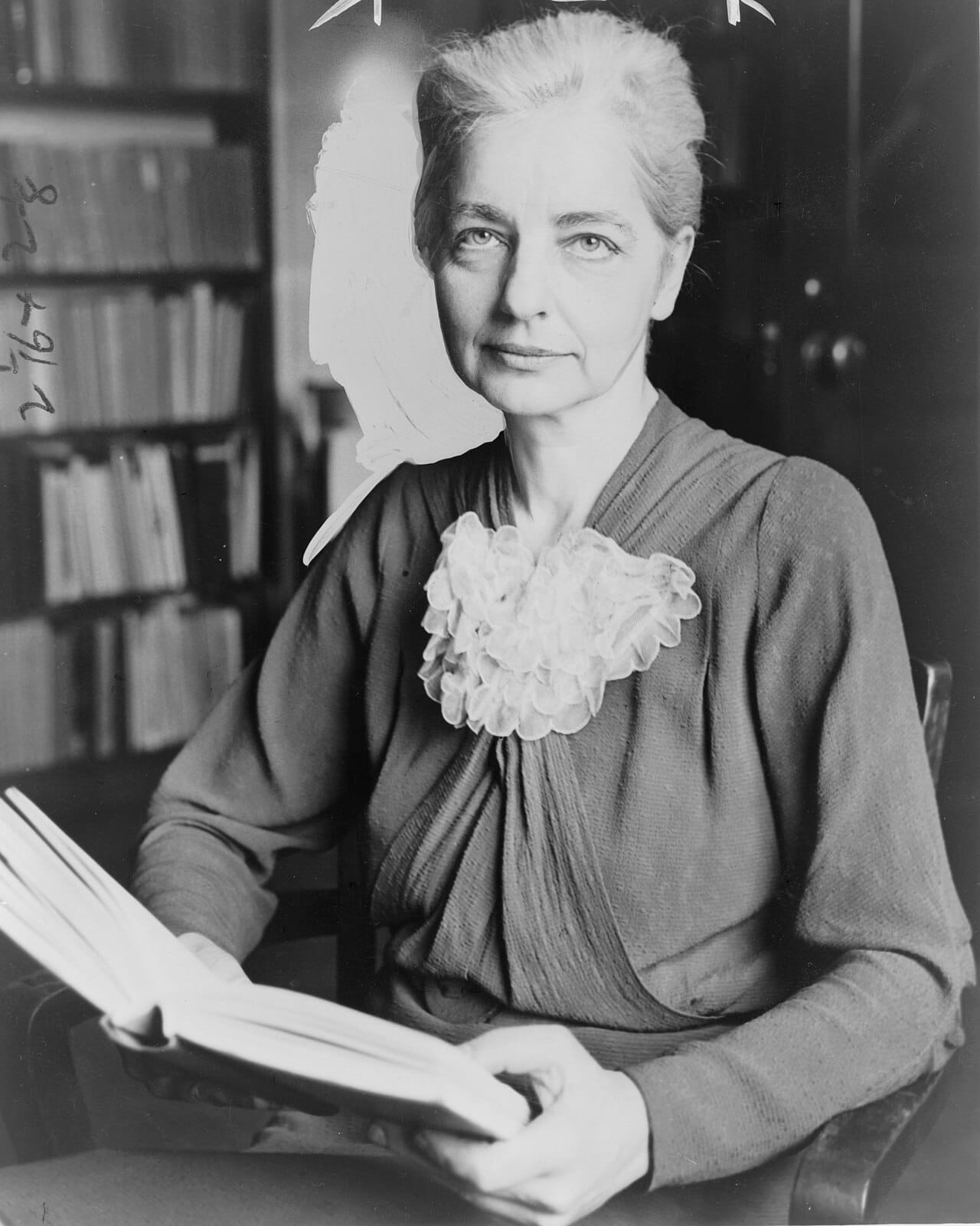
Boas trained a generation who carried the approach into the wider culture, among them Margaret Mead and Ruth Benedict, whose work made the argument that human behaviour varies enormously with upbringing and social arrangement rather than following from a fixed nature.

In its methodological form the principle is close to uncontroversial and remains standard practice. A researcher describing an unfamiliar practice suspends judgement long enough to understand what it means to the people doing it, because a description written from the outside in the vocabulary of disapproval explains nothing. This is a rule about how to investigate, not a claim about what is true or good, and almost no one in the field disputes it.
The disputed form is stronger: that moral standards are only ever internal to a culture, so there is no ground from which to judge another. The objections are substantial.
The self-refutation objection. The claim that no standard is universal is itself asserted as universally true, and the demand for tolerance across cultures is itself a moral standard being applied to everyone.
The reformer objection. If right just means what a culture approves, then a person arguing for change within their own society is by definition wrong, which makes moral progress incoherent rather than merely difficult.
The human rights objection. This is the practical one. The American Anthropological Association declined to endorse the draft Universal Declaration of Human Rights in 1947, warning that a standard drawn from Western traditions would be imposed on everyone, a position the association substantially revised decades later. Critics point to practices involving serious harm and ask what relativism can say about them. Defenders reply that abuses have very often been justified by claims of universal standards held by whoever had the power to enforce them, and that the objection assumes the judge is disinterested.
Whose culture? A further objection is that the position treats cultures as bounded, internally agreed units, when in practice they are contested from within, and the account offered to an outsider is usually the account of whoever holds authority.
Most anthropologists today keep the methodological principle and reject the strong ethical one, occupying a middle position that takes cultural context seriously without concluding that nothing can be criticised anywhere. That middle is easier to state than to apply, and where exactly it lies is not settled.