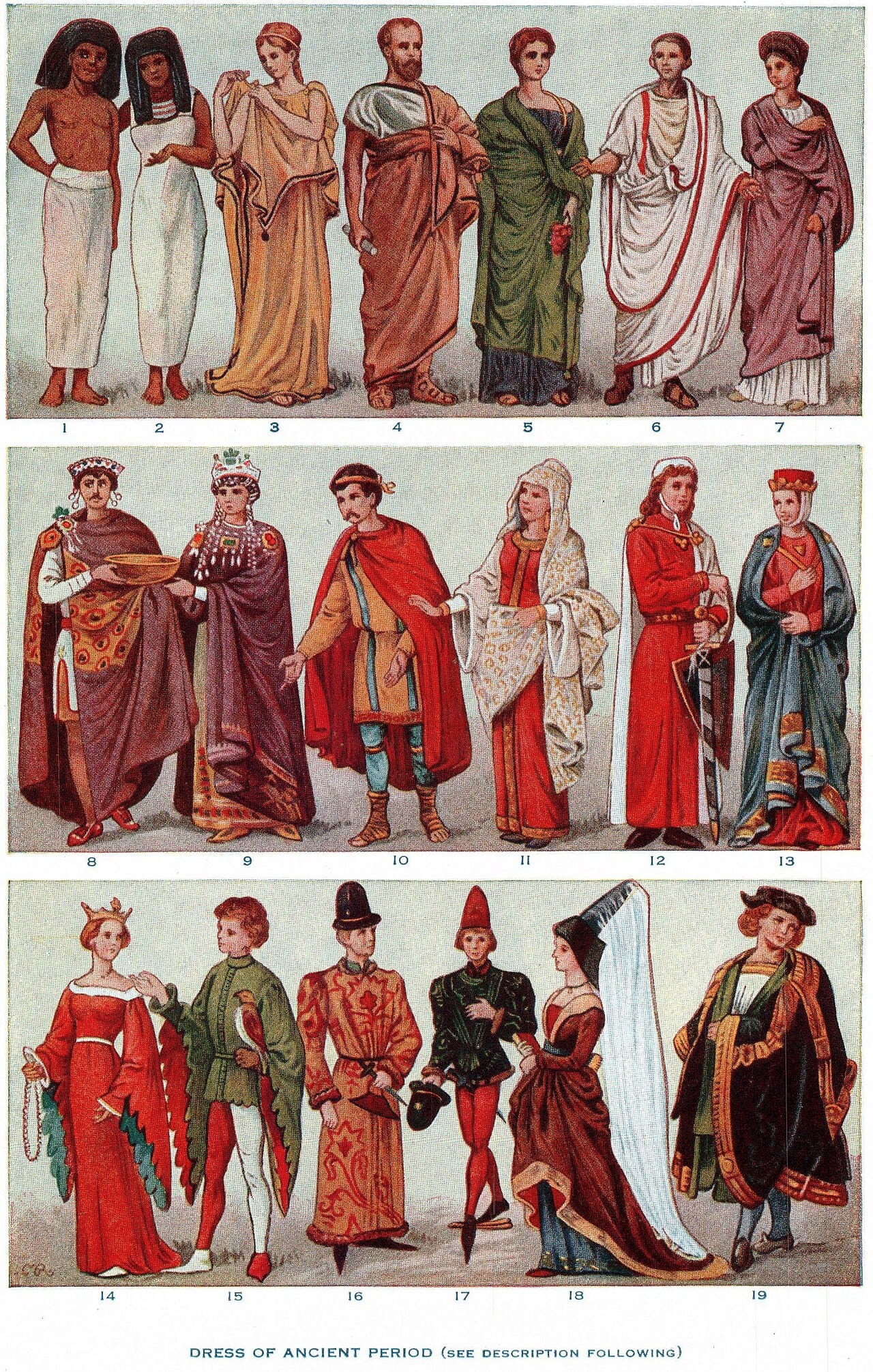
Coverings worn on the body. Clothing is functional, and its functions are only partly physical: almost everywhere it also signals identity, status and group membership, and those signals are frequently the more consequential.
Thermal regulation is the most obvious function. Clothing traps air, and the insulating value comes from that trapped air rather than from the material itself, which is why loose layers insulate better than one thick one.
Protection from sun, abrasion, insects and hazards, which is the basis of specialised working clothing.
Modesty, which varies enormously in what it requires and is culturally specific rather than given.
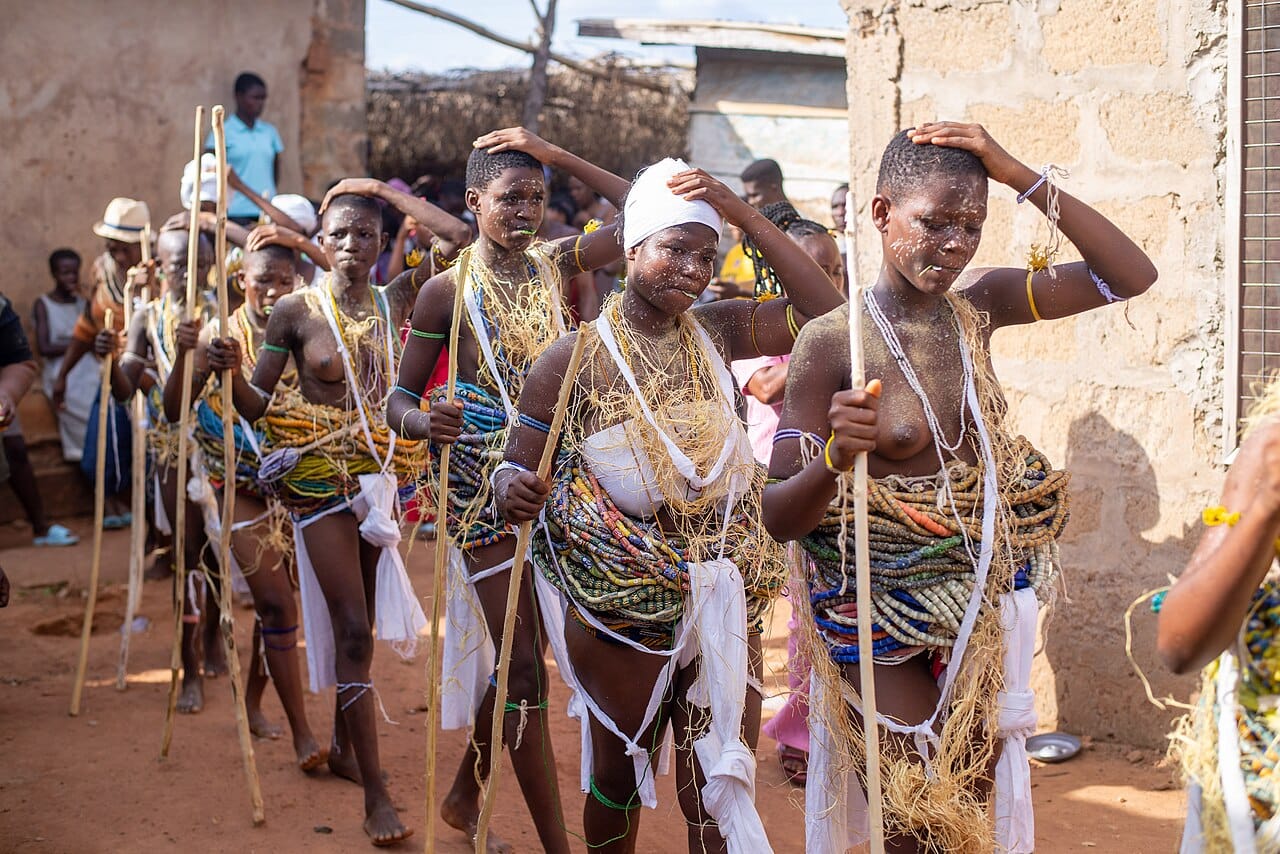
Identity and status. Clothing signals occupation, rank, wealth, religious affiliation, group membership and age, and it does so immediately and at a distance.
The signalling function is not secondary. Sumptuary laws, which restricted particular fabrics, colours or garments to particular ranks, were enacted repeatedly across Europe and Asia, which indicates that dress was understood as a claim about social position that the state considered worth regulating.
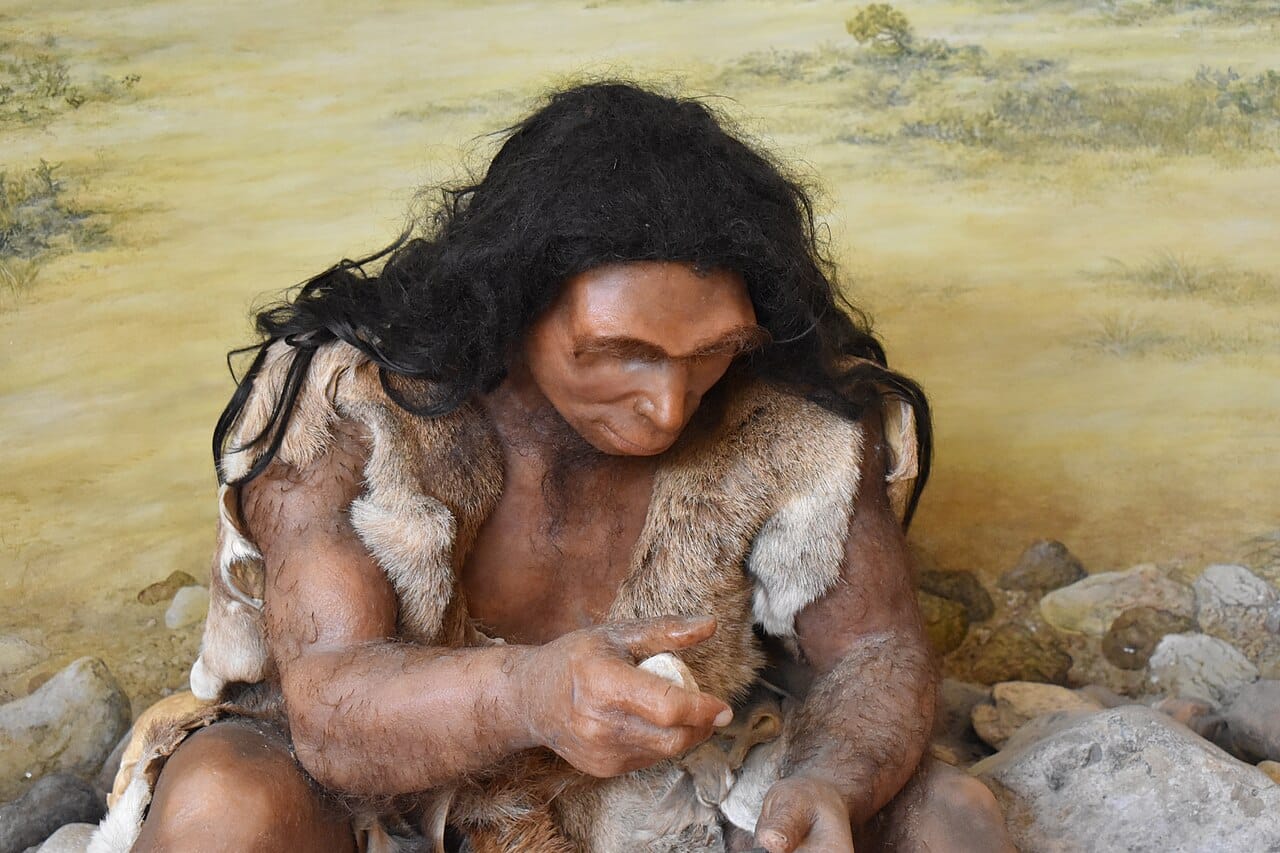
Direct evidence is nearly absent, since textiles and hides decay. The earliest surviving fragments of woven cloth are only a few thousand years old.
Indirect evidence is better. Genetic analysis of clothing lice, which live in garments rather than on the body and diverged from head lice, gives an estimate for when clothing became habitual, with published figures ranging from roughly seventy thousand to over a hundred thousand years ago.
Bone needles appear in the archaeological record from around forty thousand years ago, which indicates tailored rather than merely draped clothing.
Tailored clothing is what permitted occupation of cold regions. Draped hides insulate poorly compared with fitted garments, and the settlement of northern latitudes is associated with the ability to make clothing that fits.
Materials follow from what is locally available, and the textiles capsule describes the fibres.
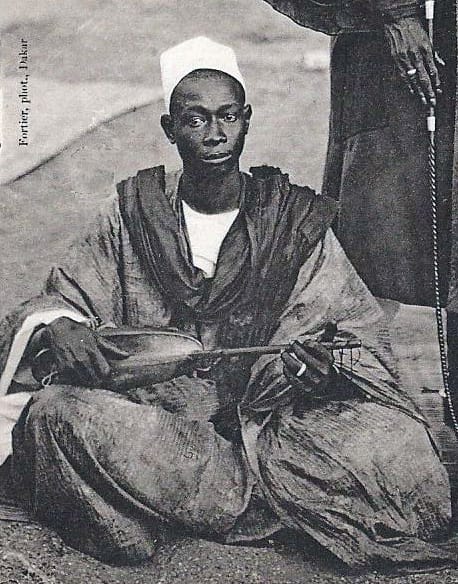
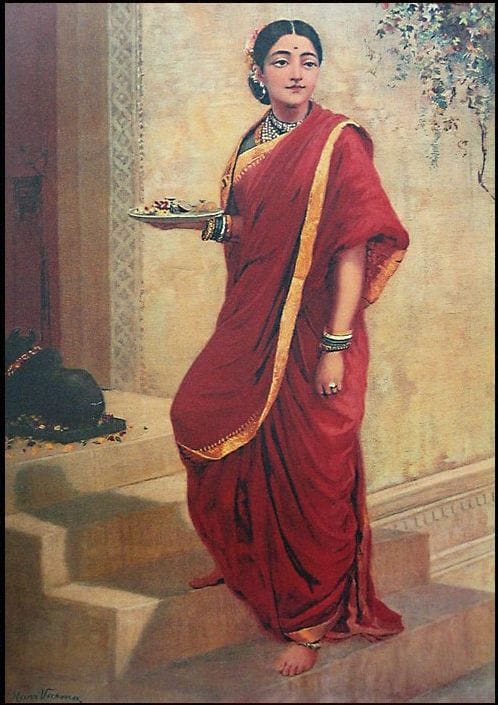
The structural division is between draped and tailored traditions. Draped garments are wrapped or pinned lengths of cloth, including the sari, the toga and the kilt in its older form. Tailored garments are cut and sewn to shape.
Draping wastes no cloth, since the fabric is used as woven, which matters where cloth is expensive. Tailoring fits closely, which matters where cold or activity demands it.
Leather, fur, bark cloth, felt and, from the twentieth century, synthetic fabrics extend the range.
Fashion in the sense of rapid deliberate change in style is not universal. Many societies maintained stable dress conventions over long periods, and rapid cyclical change is associated with commercial societies with a substantial middle class.
Mechanised textile production, described in the textiles capsule, made cloth cheap. The sewing machine from the mid nineteenth century made garment assembly fast, and ready-to-wear clothing in standard sizes followed, replacing the previous arrangement in which most clothing was made to measure or at home.
Standard sizing required measurement of populations, and the earliest systems derived from military uniform production.
Twentieth century dress converged internationally to an unusual degree. Trousers, shirts and industrially produced footwear are worn across most of the world, which is historically anomalous, and the convergence followed trade, media and the association of Western dress with modernity.
Regional and religious dress persists alongside it, and the relationship between the two is frequently political.
Clothing is regulated more often than its practical importance would suggest, which is evidence for how much it signals.
Sumptuary laws restricted dress by rank, and their repeated re-enactment indicates they were repeatedly evaded.
Religious dress requirements exist in several traditions, and state regulation of religious dress, in both directions, is a live legal and political dispute in a number of countries.
Workplace and school dress codes are contested, particularly where they have differential effects by sex, race or religion, and litigation on hair and headwear has produced changes in several jurisdictions.
The garment industry's labour and environmental record is treated in the textiles capsule and is a substantial part of any current account of clothing.
Clothing is one of very few technologies present in essentially every human society, and its development permitted occupation of climates the unclothed body cannot survive.
Its social function is the part most often underestimated. A garment communicates position, affiliation and intent before anything is said, which is why societies regulate it, why it is contested, and why changes in dress reliably accompany changes in who holds status.