Ceremonies marking a person's movement from one social position to another. They appear in every documented society, and they share a three-part structure that was identified over a century ago and has held up.
Arnold van Gennep set out the pattern in 1909 and it remains the standard framework.
Separation removes the person from their previous status and often physically from the community. Ordinary clothing, name, hair or possessions may be taken away, marking that the former identity no longer applies.
Transition, which van Gennep called the liminal phase, is the period between statuses. The person is neither what they were nor yet what they will become. This phase is where ordeal, instruction, seclusion and inversion of normal rules typically occur.
Incorporation returns the person to the community in their new position, usually with a public act that makes the change visible: new clothing, a new name, a mark, or a feast at which others acknowledge the change.
Victor Turner developed the middle stage further, arguing that the suspension of ordinary status produces a temporary equality among participants that he called communitas, and that this is part of what makes the experience binding.
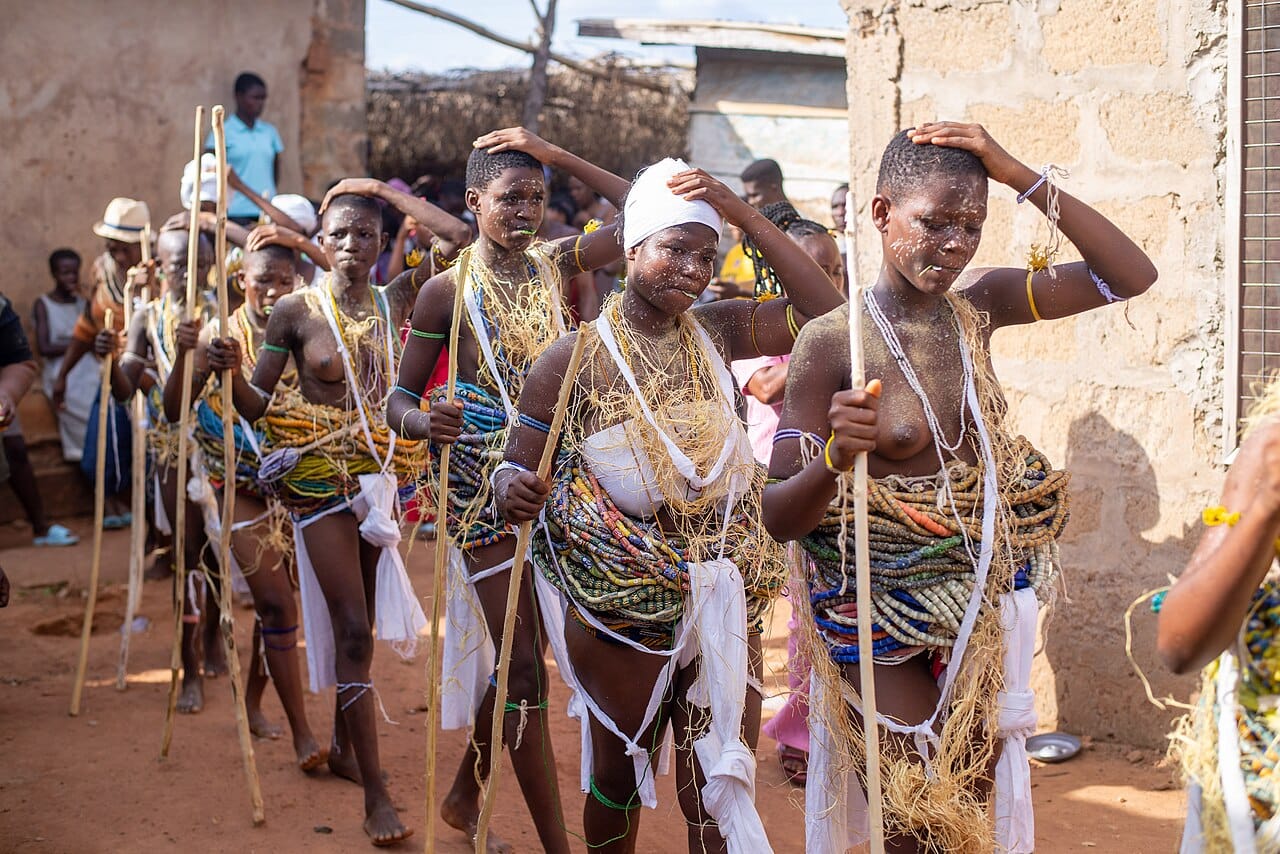
Birth and naming, which admit a child to the community and often to a kinship group.
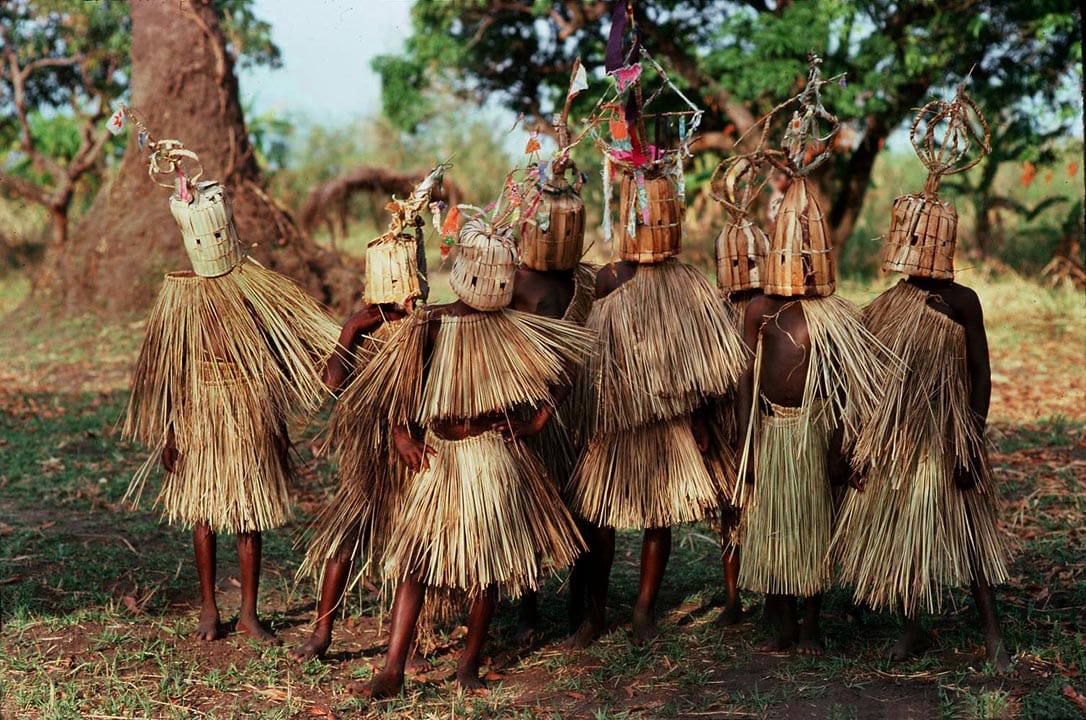
Initiation into adulthood, the most elaborate category, frequently involving instruction in adult responsibilities and knowledge restricted to initiated members.
Marriage, which changes the status of both parties and usually creates a relationship between two kin groups rather than only two individuals.
Entry to an occupation or order, including ordination, graduation, military induction and professional admission.
Death and mourning, which move the deceased to a new status and simultaneously move the survivors, since a widow or an heir occupies a different position afterwards.
The explanation generally offered is functional rather than mystical.
A change of social position must be known to everyone affected, not merely to the person changing. A public ceremony accomplishes this in one act, which is why the transition is marked rather than allowed to occur quietly.
The intervening period gives time for instruction and for the community to adjust. It also makes the change costly, and a costly transition is harder to reverse or dispute afterwards.
The ordeal element, common in initiation, has been interpreted as a commitment device: an experience that is difficult and shared binds the group that underwent it together, which is why it appears in military, religious and fraternal contexts as well as in the societies anthropologists first described.
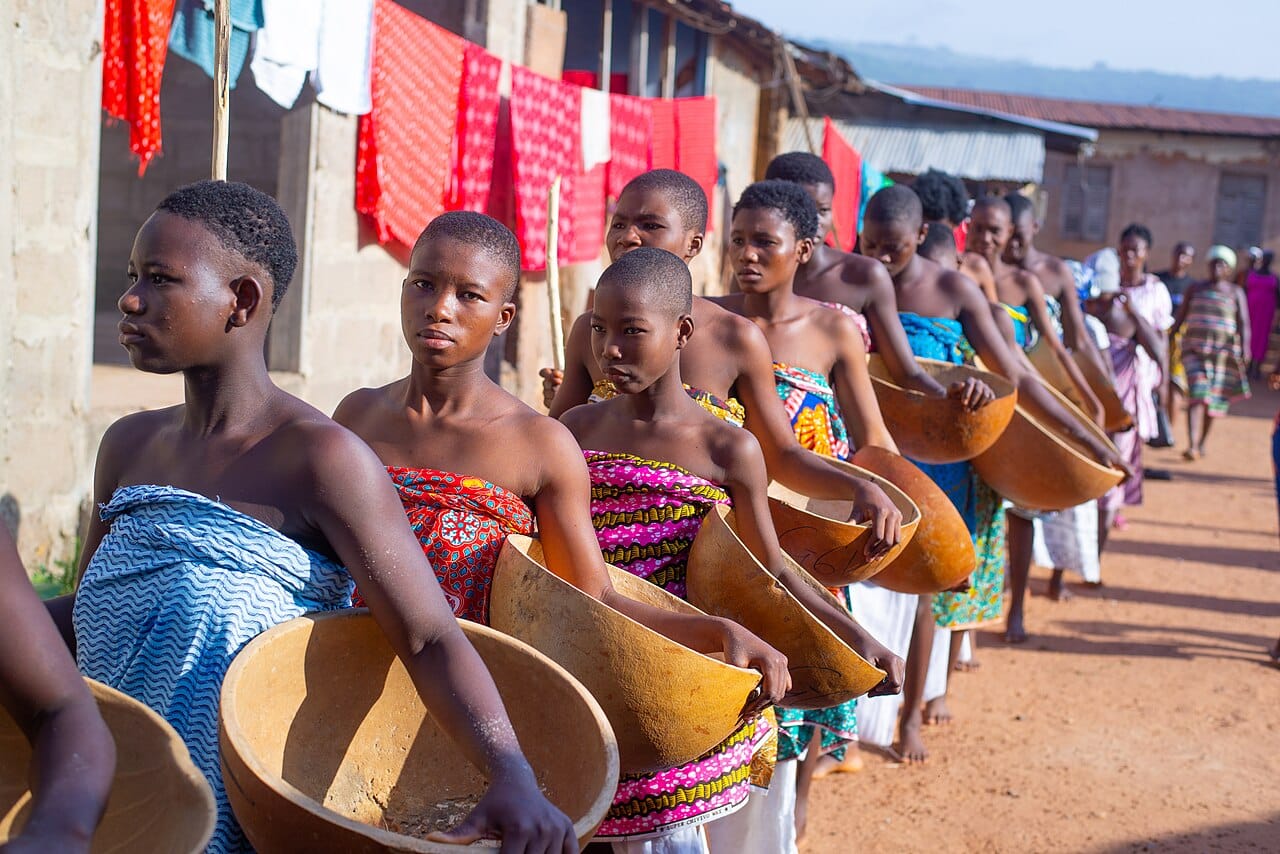
Industrial societies are sometimes described as lacking rites of passage, and the claim is overstated.
Graduation ceremonies, weddings, funerals, religious confirmations, bar and bat mitzvahs, and coming-of-age celebrations all follow the pattern. So do less formal markers such as a first job, a driving licence or leaving home.
What has changed is that the transitions are less synchronised. Where a society initiates a cohort together at a set age, industrial societies spread transitions over a wide range of ages and allow them in different orders, which weakens the shared cohort experience.
Some researchers have argued that adolescence in industrial societies is extended and ambiguous partly because the transition to adulthood is marked by many small events rather than one decisive one. The argument is plausible and difficult to test.
Some rites involve practices that are the subject of serious dispute, including female genital cutting, which is defended in some communities as an initiation requirement and is opposed by international health bodies and by campaigners within those communities on grounds of harm and consent.
Hazing in military, sporting and student contexts follows the same structural logic and has produced injuries and deaths, and institutions have generally moved to prohibit it while the underlying practice persists informally.
Recording these is part of an accurate account. The structure van Gennep identified is descriptive, and describing it does not endorse every practice built on it.
Rites of passage are one of the clearest cross-cultural regularities in anthropology: independent societies with no contact arrived at the same three-part structure for handling the same problem.
They also make visible something that industrial societies handle implicitly, which is that social identity is conferred by other people rather than adopted individually. A person is an adult, or married, or qualified, because a community treats them as such, and the ceremony is the moment that treatment begins.