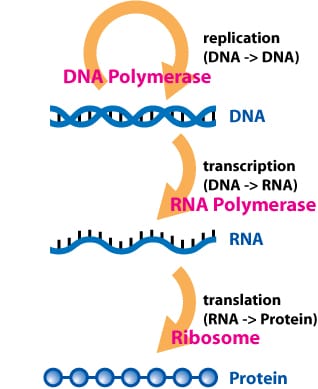
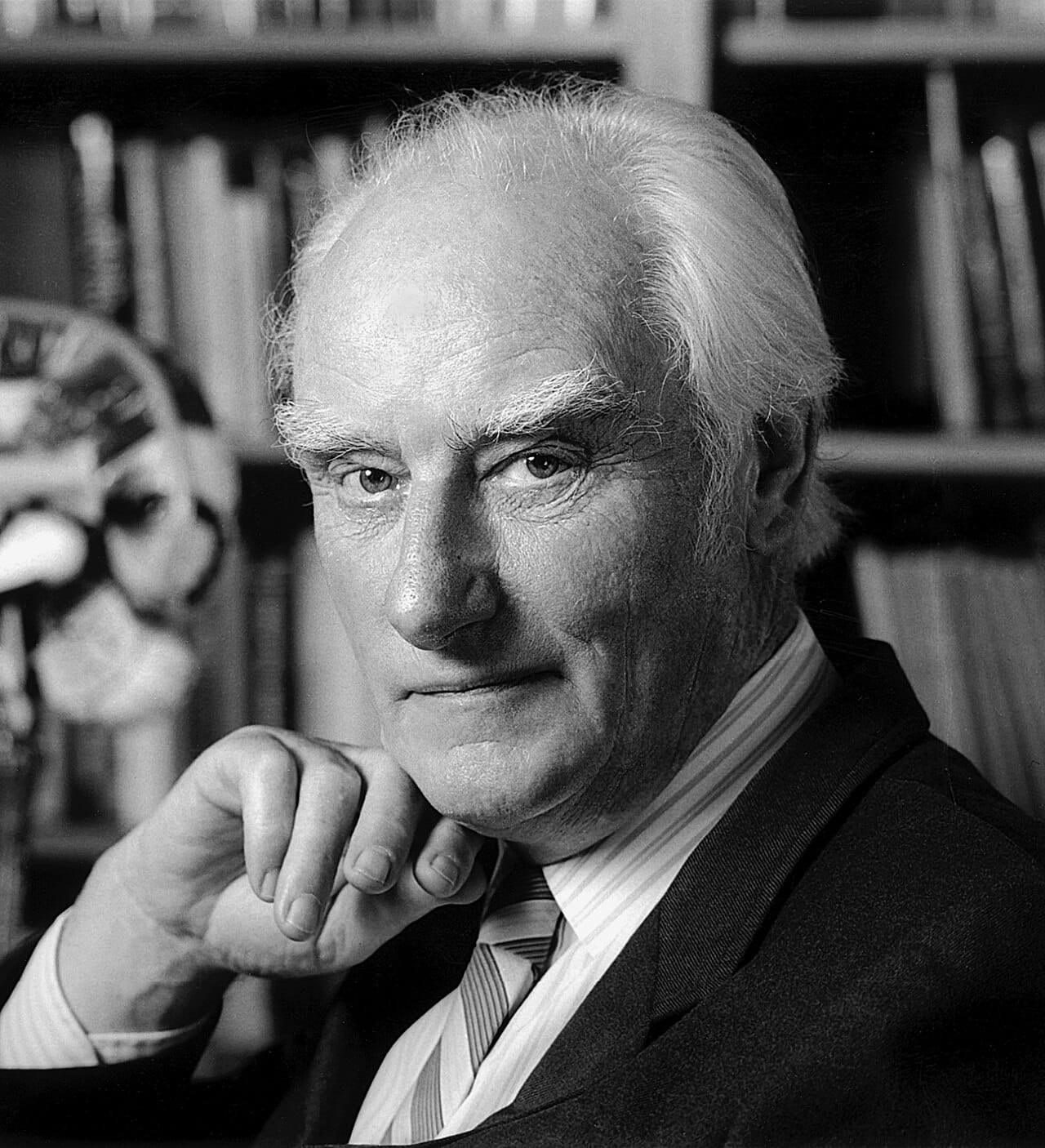
The central dogma states that sequence information flows from nucleic acid to protein, and never back out of a protein into nucleic acid. Francis Crick proposed it in 1957, and it remains the organising principle of molecular biology, though it is routinely described in a form Crick never intended.
Crick's statement was about the impossibility of one specific transfer: once information has passed into a protein, it cannot pass back out again into DNA or RNA. The reason is mechanical. There is machinery to read a nucleic acid sequence and build a protein from it, and no machinery anywhere that reads an amino acid sequence and writes a nucleic acid from it.
The popular version, DNA makes RNA makes protein, is a summary of the usual case rather than the claim itself. Crick objected to it in print in 1970, because the summary is easy to falsify and the actual claim is not.
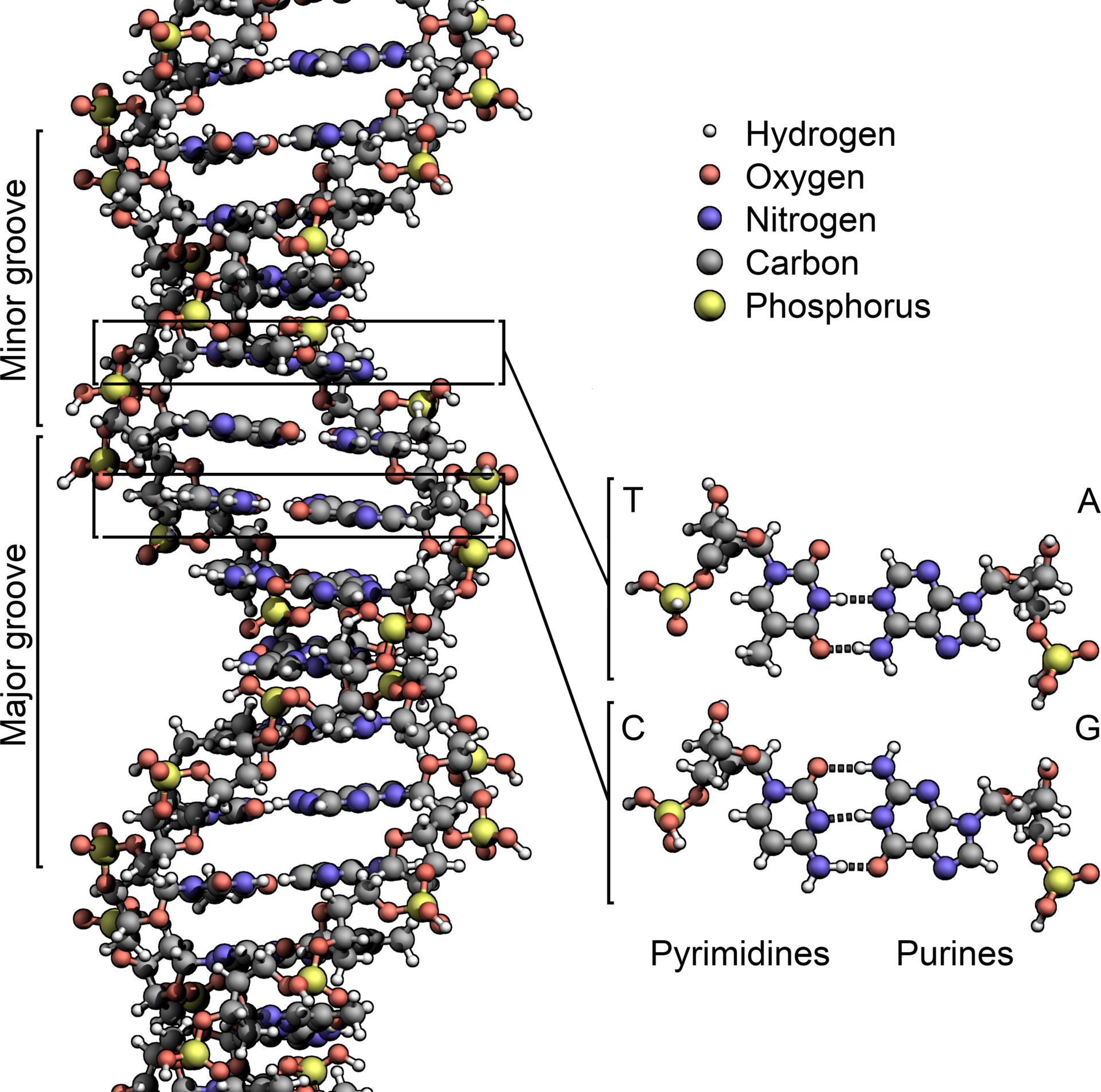
DNA to DNA is replication. DNA to RNA is transcription. RNA to protein is translation. These happen in essentially every cell that has been examined, and the machinery is deeply conserved: the genetic code that maps three-base codons onto amino acids is nearly identical across bacteria, plants and animals, which is among the strongest evidence that all known life shares an ancestor.
Three further transfers were listed by Crick as possible but unusual, and all three have since been demonstrated.
RNA to RNA replication occurs in many viruses. RNA to DNA is reverse transcription, discovered independently by Howard Temin and David Baltimore in 1970 and shared in the 1975 Nobel Prize. Retroviruses including HIV carry an enzyme that writes DNA from an RNA template, and the resulting DNA integrates into the host genome.
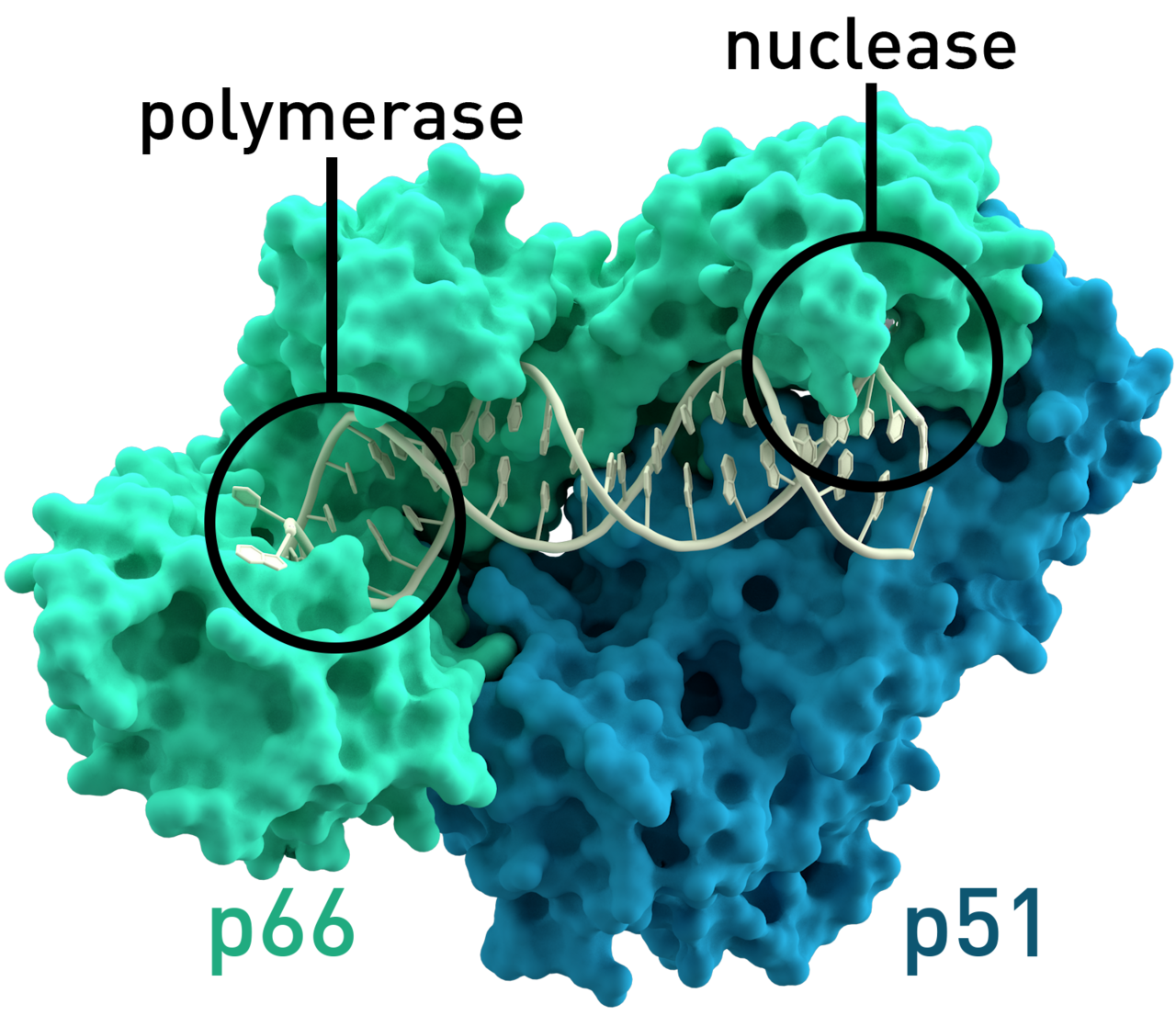
Reverse transcription was announced in the press as the overthrow of the central dogma. It was not. Crick had explicitly allowed it. What his statement forbids is protein to nucleic acid, and no instance of that has ever been found.
The dogma governs sequence information, and a great deal of biologically consequential information is not sequence. Prions are proteins that propagate a conformation: a misfolded form induces the same misfolding in normal copies, and the trait is heritable through generations of cells with no nucleic acid involved. Stanley Prusiner received the 1997 Nobel Prize for the work. This transmits information from protein to protein without violating Crick's letter, since no sequence is written back, but it does complicate the idea that nucleic acids hold everything worth calling inheritance.
Epigenetic marks raise the same difficulty. DNA methylation and histone modification are heritable across cell divisions and sometimes across generations, and they alter which genes are read without altering sequence.
The dogma is not a claim that nothing else matters. It is a claim about one direction being closed, and that claim has held for nearly seventy years across every organism examined. Its practical weight is in what it rules out: acquired characteristics cannot be written back into the genome, which is why Lamarckian inheritance in its original sense has no molecular route.