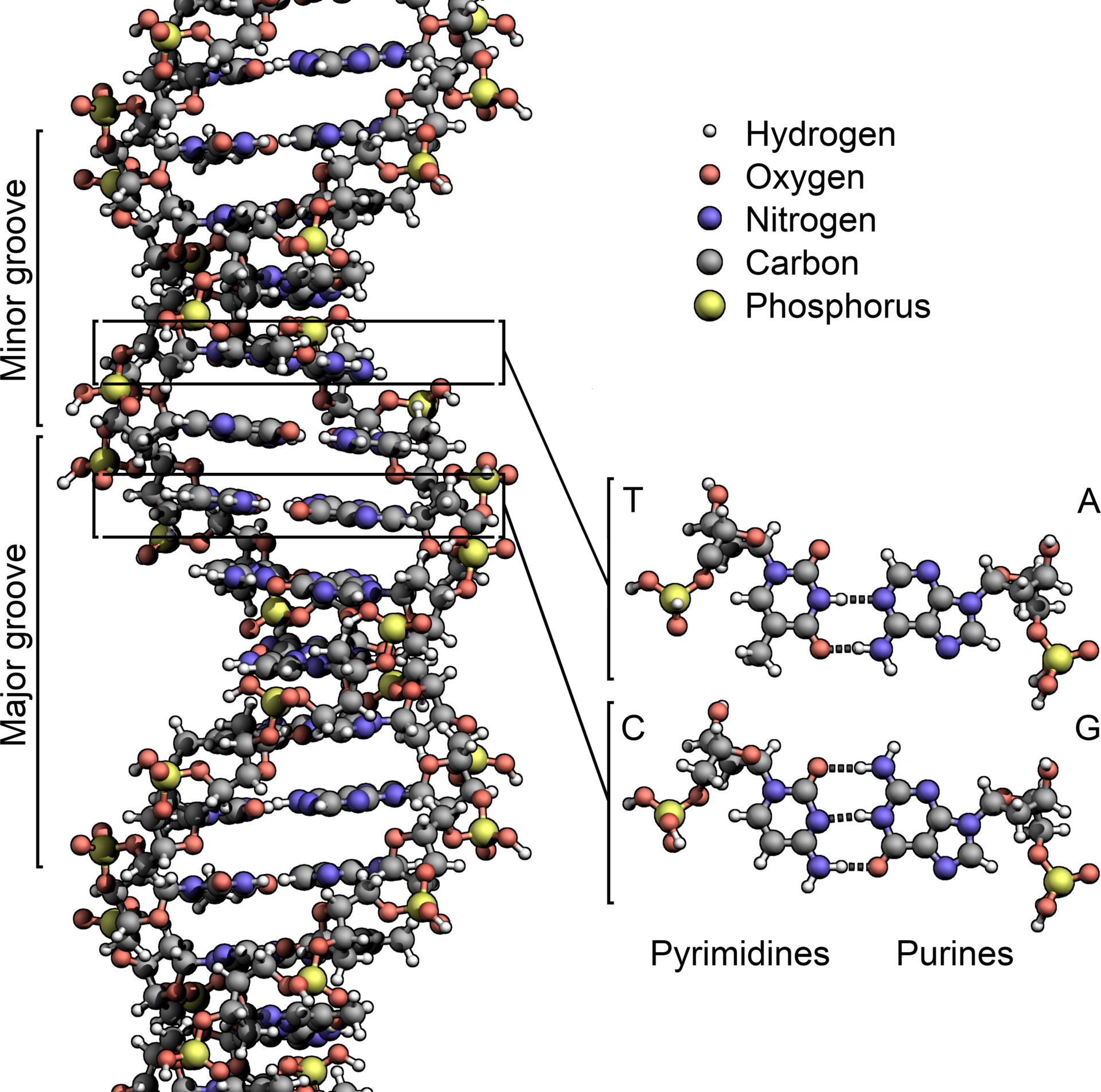
The molecular machine that reads genetic messages and builds proteins from them. It is present in every living cell, it is largely made of RNA rather than protein, and it is the target of a substantial share of antibiotics.
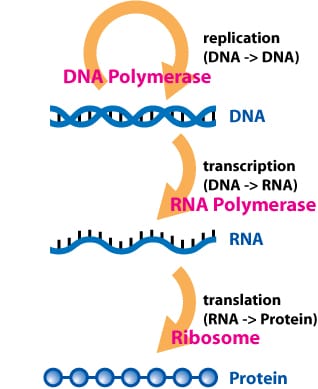
A ribosome takes a messenger RNA and produces the protein it specifies.
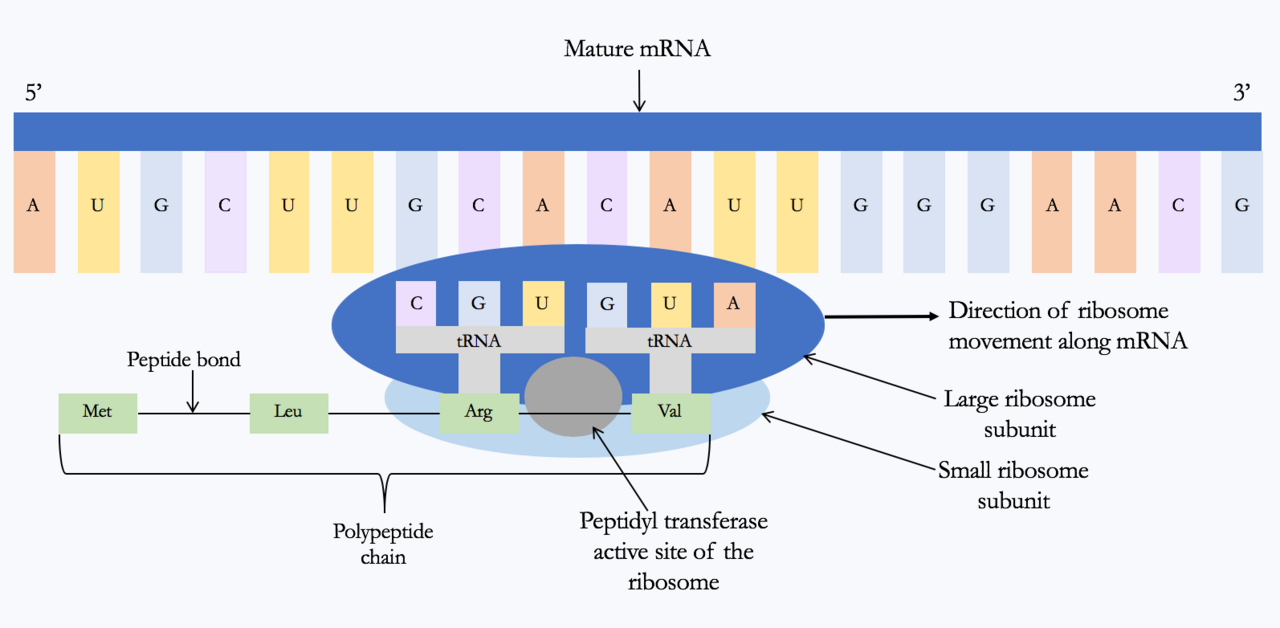
It reads the message three bases at a time. Each triplet, called a codon, corresponds to one amino acid, and the correspondence is the genetic code. Transfer RNAs deliver the amino acids, each carrying a triplet that pairs with the codon on the message.
The ribosome holds the message and the incoming transfer RNAs in position, checks that the pairing is correct, forms the bond between successive amino acids, and moves along by exactly three bases to the next codon.
The rate is roughly ten to twenty amino acids per second in bacteria, slower in human cells. A protein of three hundred amino acids therefore takes well under a minute to build.
Accuracy is high. The error rate is around one incorrect amino acid in ten thousand, achieved through proofreading steps that reject incorrect pairings before the bond is formed.
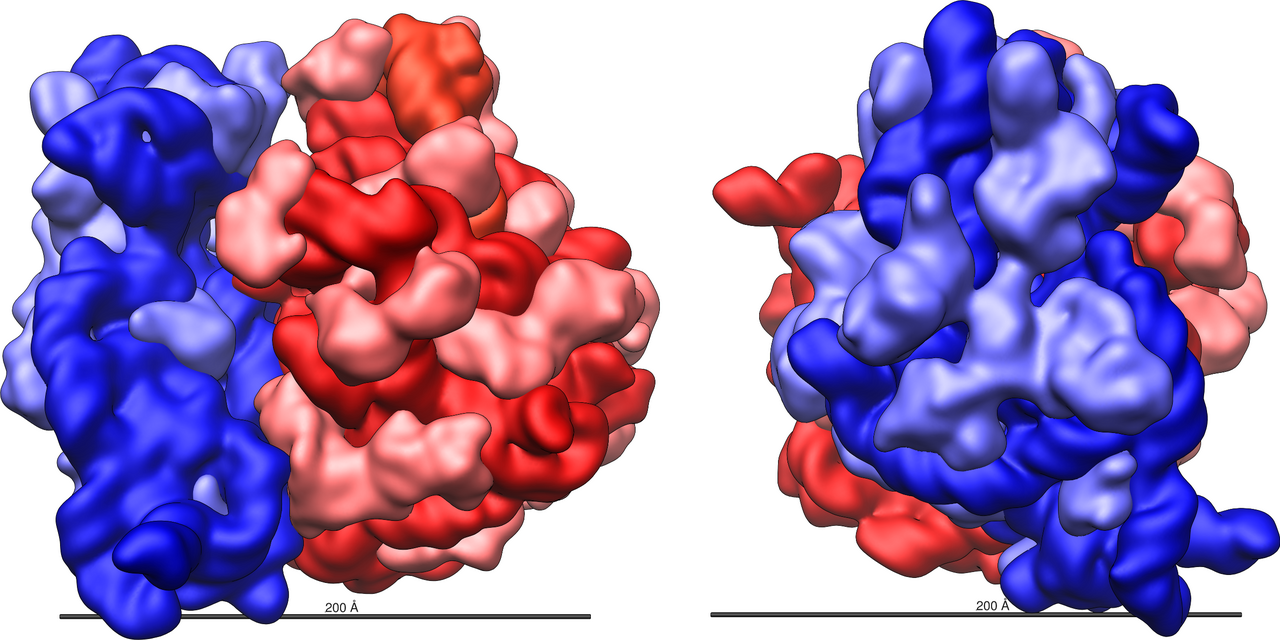
A ribosome has two subunits of unequal size, which come together on a message and separate afterwards.
The small subunit holds the messenger RNA and is where codon and anticodon pairing is checked. The large subunit contains the catalytic site and a tunnel through which the growing protein chain emerges.
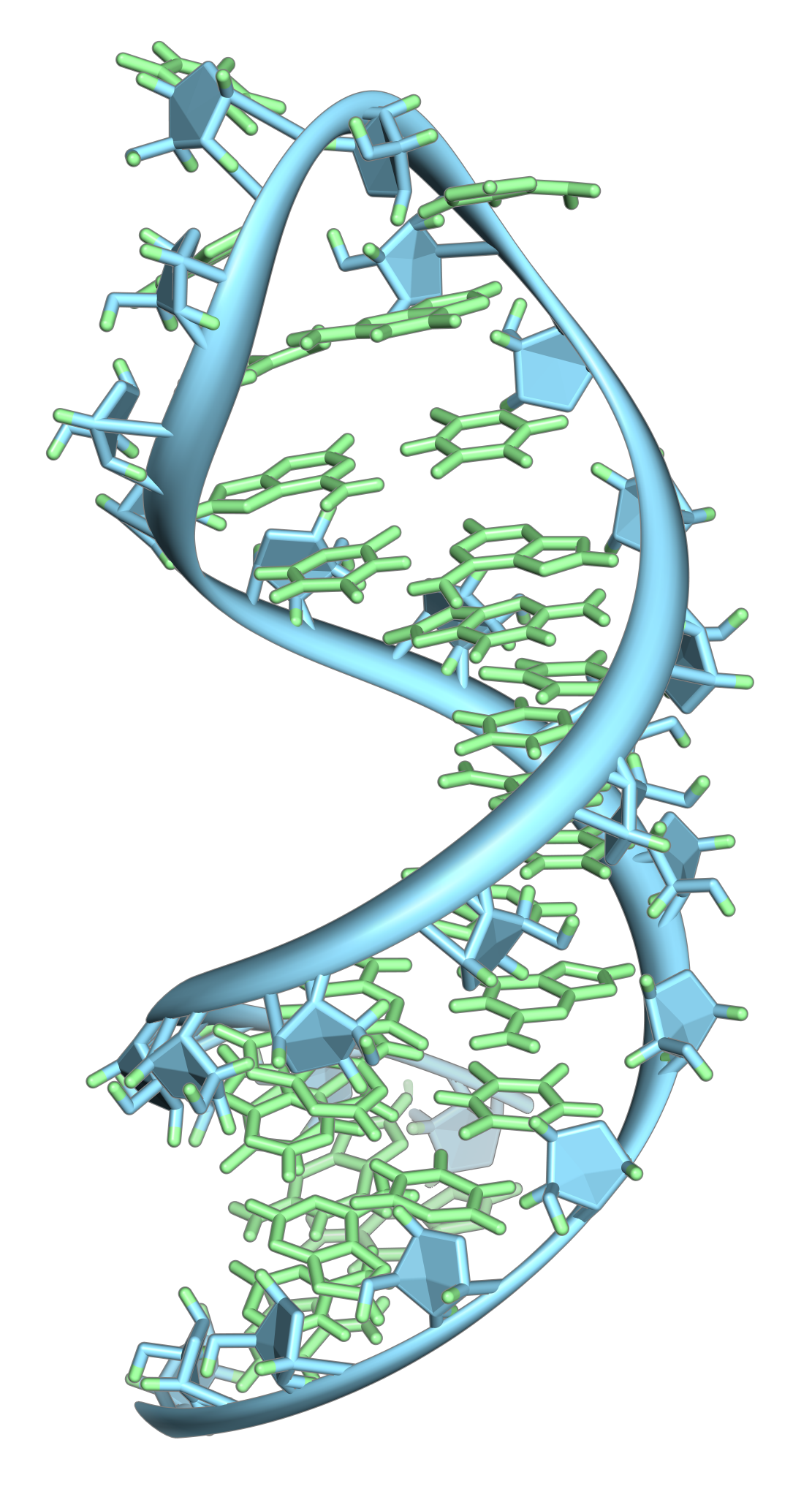
By mass, a ribosome is roughly two-thirds RNA and one-third protein. The RNA is not scaffolding: the catalytic centre where peptide bonds are formed contains no protein within reach of the reaction.
The ribosome is therefore a ribozyme, an RNA enzyme. This was established when the structure was solved at atomic resolution, and it was a significant result, since it means the machine that makes all proteins is itself catalysed by RNA and not by protein.
That finding is a substantial part of the case for the RNA world hypothesis, treated in its own capsule, because a protein-making machine that does not require proteins to function could have existed before proteins did.
Ribosomes are large and complex, and determining their structure took decades.
Crystallising them was extremely difficult, and progress required both technical persistence and material from organisms whose ribosomes crystallise more readily, including a halophilic archaeon and a thermophilic bacterium.
Structures at atomic resolution were published around 2000, and Venkatraman Ramakrishnan, Thomas Steitz and Ada Yonath shared the 2009 Nobel Prize in Chemistry for the work.
Cryo-electron microscopy has since made ribosome structures far easier to obtain, including ribosomes caught in the act of translating, which has revealed the sequence of movements involved.
Bacterial ribosomes differ from those in the cytoplasm of human cells in size and in detail, and the differences are large enough to be exploited.
A drug that binds the bacterial ribosome and blocks translation kills or arrests the bacterium while leaving the patient's protein synthesis largely intact. This is selective toxicity, the principle every useful antibiotic depends on.
Several major antibiotic classes work this way, including tetracyclines, macrolides, aminoglycosides and chloramphenicol, each binding a different site and interfering with a different step.
The structural work has practical consequence here: knowing exactly where each drug binds explains how resistance mutations work and allows new compounds to be designed for the same sites.
Human mitochondria contain their own ribosomes, which resemble bacterial ones because mitochondria descend from bacteria. This is why some antibiotics in this class have side effects attributable to interference with mitochondrial protein synthesis.
A rapidly growing bacterial cell contains tens of thousands of ribosomes, and a mammalian cell may contain millions.
Producing them is a major share of a cell's energy budget, and the rate of ribosome production is closely tied to growth rate, which is why it is tightly regulated and why the machinery controlling it is frequently altered in cancer.
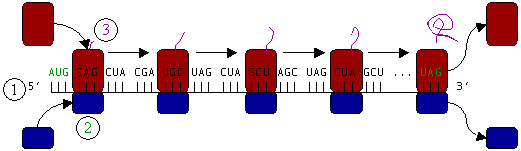
Several ribosomes typically translate a single message at once, spaced along it in a structure called a polysome, so one transcript yields many copies of the protein.
The ribosome is the point at which genetic information becomes a physical molecule that does something, and it performs the same function using the same code in every organism, which is among the strongest pieces of evidence for common ancestry.
It is also of direct clinical importance out of proportion to its obscurity, since a large fraction of the antibiotics in use work by binding it, and the atomic structures that explain how are what make new ones designable.