Extreme event attribution is the field that answers the question people ask after every flood, heatwave, and storm: did climate change cause this? The honest answer is that the question is badly formed, and the field exists to replace it with one that can be answered.
No single weather event has a single cause. Attribution therefore asks a different question: how much more likely, or how much more intense, has this kind of event become because of the warming that has already occurred?
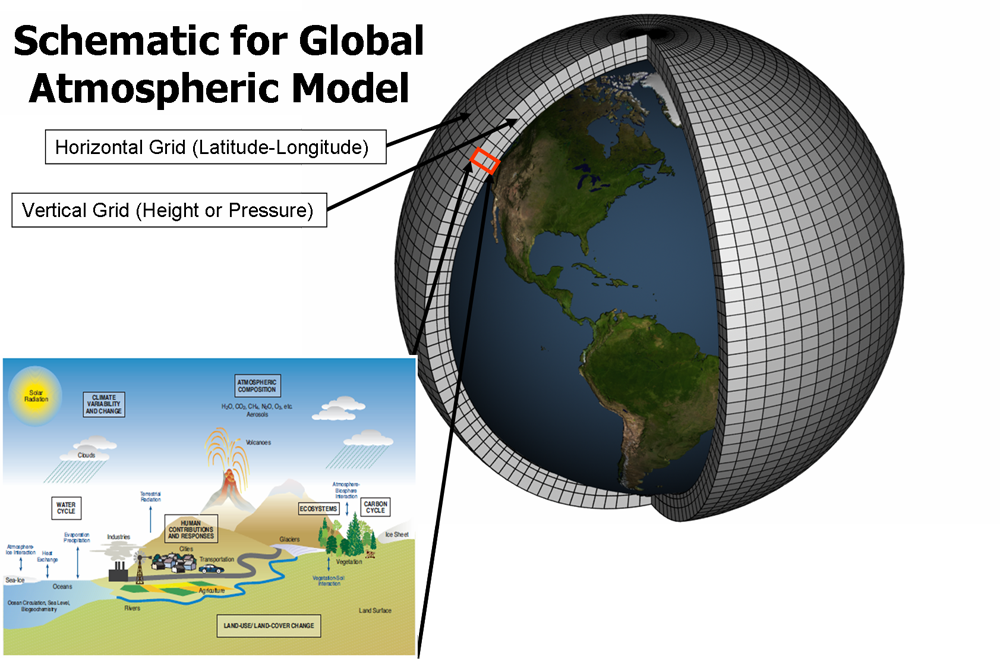
The standard method runs large ensembles of climate model simulations twice, once with the observed atmosphere and once with a counterfactual atmosphere without human emissions, then compares how often an event of the observed severity appears in each. The result is a probability ratio. Saying an event was made ten times more likely is a claim about the distribution, not about that particular storm.
Confidence varies sharply by event type, and this is the part most often lost in reporting.
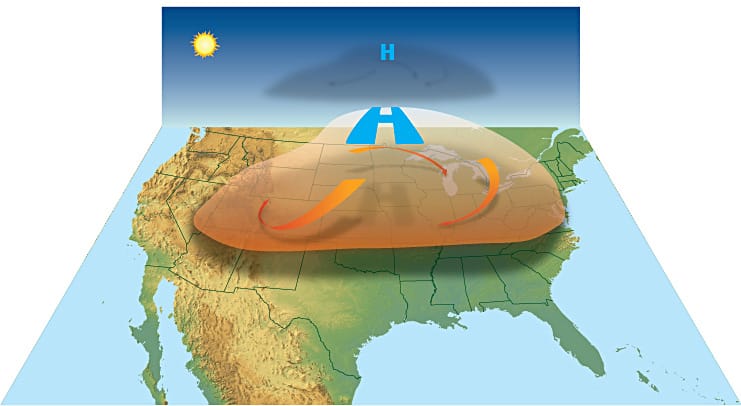
Heatwaves are the strongest case. The physical mechanism is direct, the signal is large relative to natural variability, and results are typically robust, sometimes finding that an event would have been essentially impossible without warming. Heavy rainfall is next: warmer air holds roughly seven per cent more moisture per degree, which is a firm physical basis, though local factors complicate it.
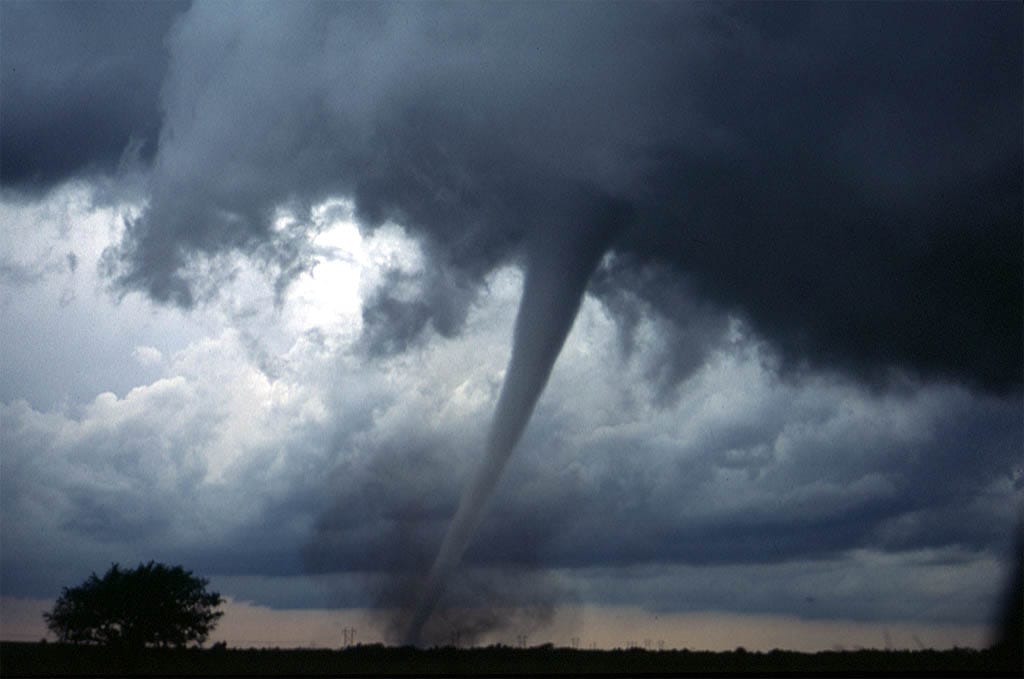
Drought is harder, because it depends on rainfall, evaporation, soil, and land use together. Tropical cyclones are harder still: intensity and rainfall show clearer links than frequency does. Tornadoes and hail remain the weakest, because they form at scales models cannot resolve.
The field is usually dated to a 2004 study by Peter Stott and colleagues on the 2003 European heatwave, which concluded human influence had at least doubled the risk. The World Weather Attribution initiative, founded in 2014, made the work rapid, publishing assessments within days of an event rather than years, which changed its public role entirely.
Speed came at a cost that the field acknowledges: rapid studies are often released before peer review, using pre-validated methods to compensate. Whether that trade is worth it is debated within the field, with the argument for it being that an assessment published a year later has no bearing on how an event is understood.
Three things. Model dependence: results rest on models reproducing the relevant dynamics, which is better established for thermodynamic effects than for circulation changes. Framing: the answer depends on how the event is defined, and reasonable choices about area, duration, and threshold can move a probability ratio substantially. And the use of the results in litigation and in loss-and-damage negotiations puts a scientific method under adversarial pressure it was not designed for, which some researchers welcome as impact and others regard as a risk to the field's credibility.