Yukon is the westernmost of Canada's three northern territories, a rugged, mountainous land in the country's far northwest, bordering Alaska. Named for the great Yukon River that runs through it, and holding Mount Logan, the highest peak in Canada, it is a place of wilderness, wildlife, and a small, hardy population of around 45,000. Above all it is remembered for the Klondike Gold Rush of the 1890s, one of the most famous stampedes for gold in history, which first brought the wider world rushing to the north.

Yukon's history runs from the ancient peoples of the ice-age north, through the frenzy of the Klondike Gold Rush that put it on the map, to its modern life as a self-governing territory.

The First Nations of Yukon have lived in the region for thousands of years, hunting and fishing across a land that, during the last ice age, was part of Beringia, the unglaciated region linking Asia and North America by which the first peoples are thought to have entered the continent. Their cultures and languages endure across the territory today.
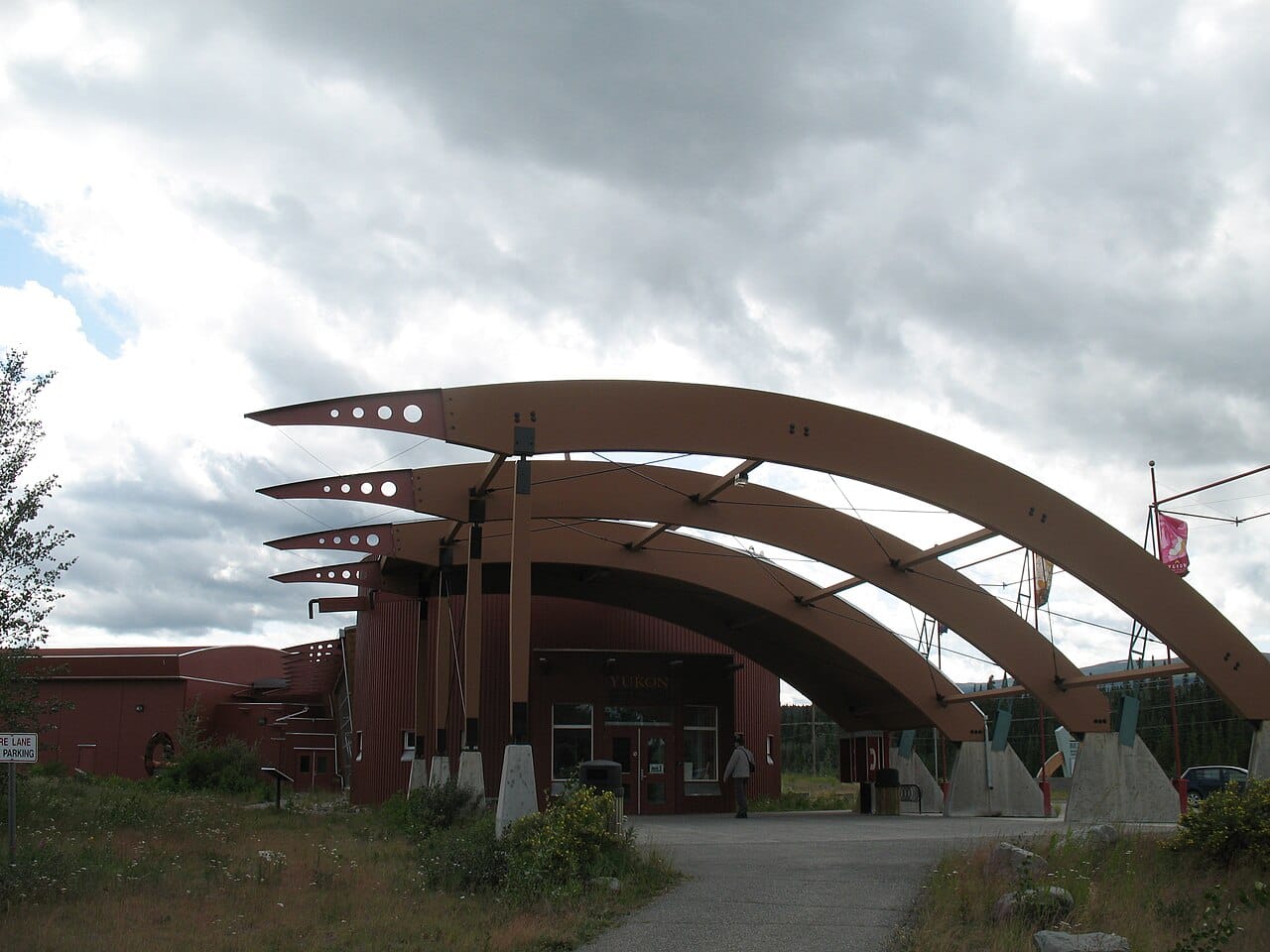
The entrance to the Beringia Interpretive Centre in Whitehorse. During the last ice age, Yukon was part of Beringia, the ice-free land bridge by which the first peoples are thought to have entered the Americas.
The entrance to the Beringia Interpretive Centre in Whitehorse. During the last ice age, Yukon was part of Beringia, the ice-free land bridge by which the first peoples are thought to have entered the Americas.Credit: Hans-Jürgen Hübner (CC BY-SA 3.0).

In 1896 gold was discovered on a tributary of the Klondike River, and word of it set off one of the greatest gold rushes in history. Around a hundred thousand prospectors set out for the goldfields, and the boomtown of Dawson City sprang up almost overnight, its brief, wild heyday making Yukon famous around the world.
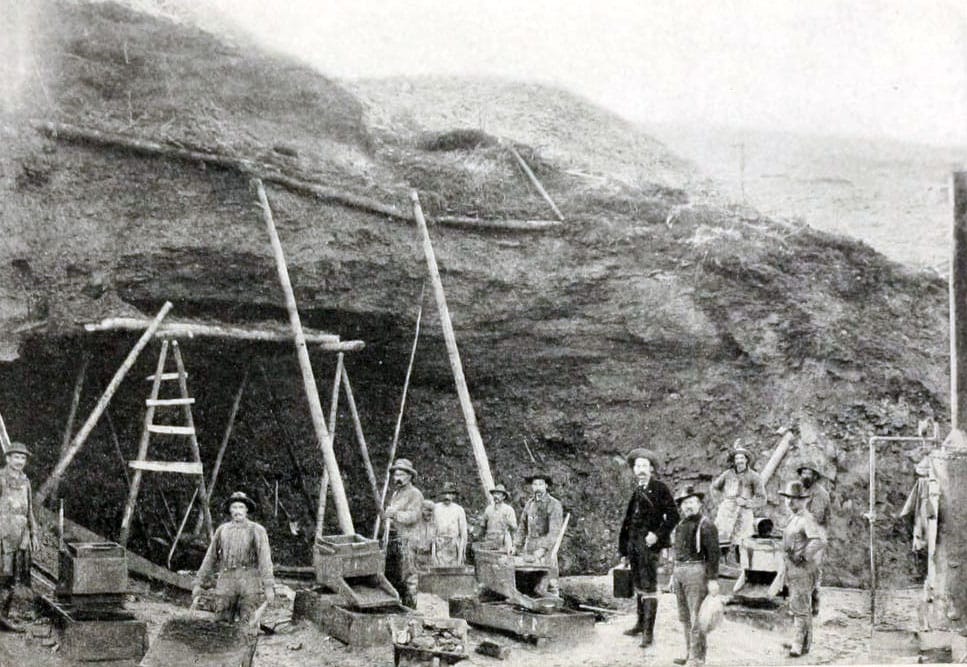
Hillside mining during the Klondike Gold Rush around 1899. The discovery of gold in 1896 drew tens of thousands of prospectors north in one of the most famous stampedes for gold in history.
Hillside mining during the Klondike Gold Rush around 1899. The discovery of gold in 1896 drew tens of thousands of prospectors north in one of the most famous stampedes for gold in history.Credit: John Scudder McLain (Public domain).
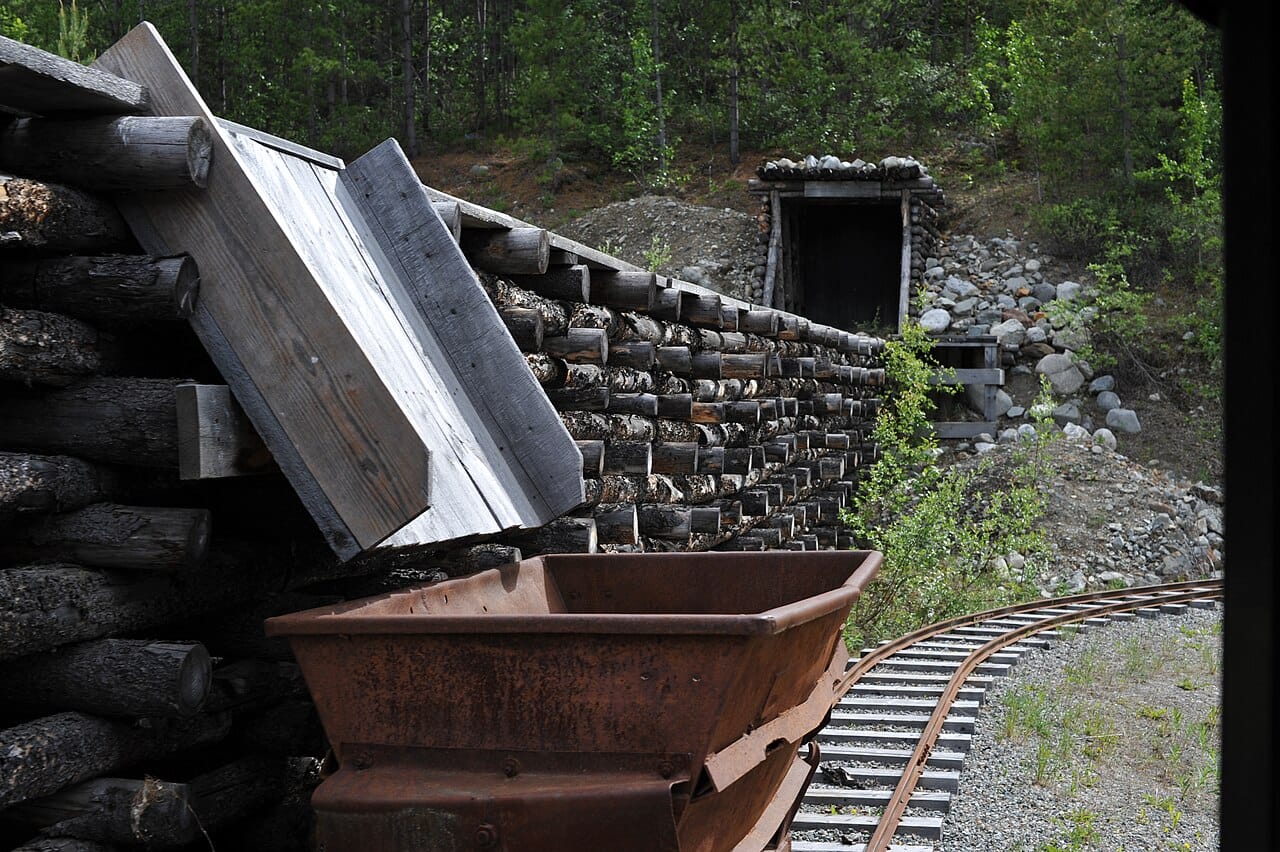
A conveyor and cart at a Yukon mine. Mining, born in the Klondike Gold Rush and continuing today, has long been at the heart of the territory's economy.
A conveyor and cart at a Yukon mine. Mining, born in the Klondike Gold Rush and continuing today, has long been at the heart of the territory's economy.Credit: Chris Hunkeler from Carlsbad, California, USA (CC BY-SA 2.0).
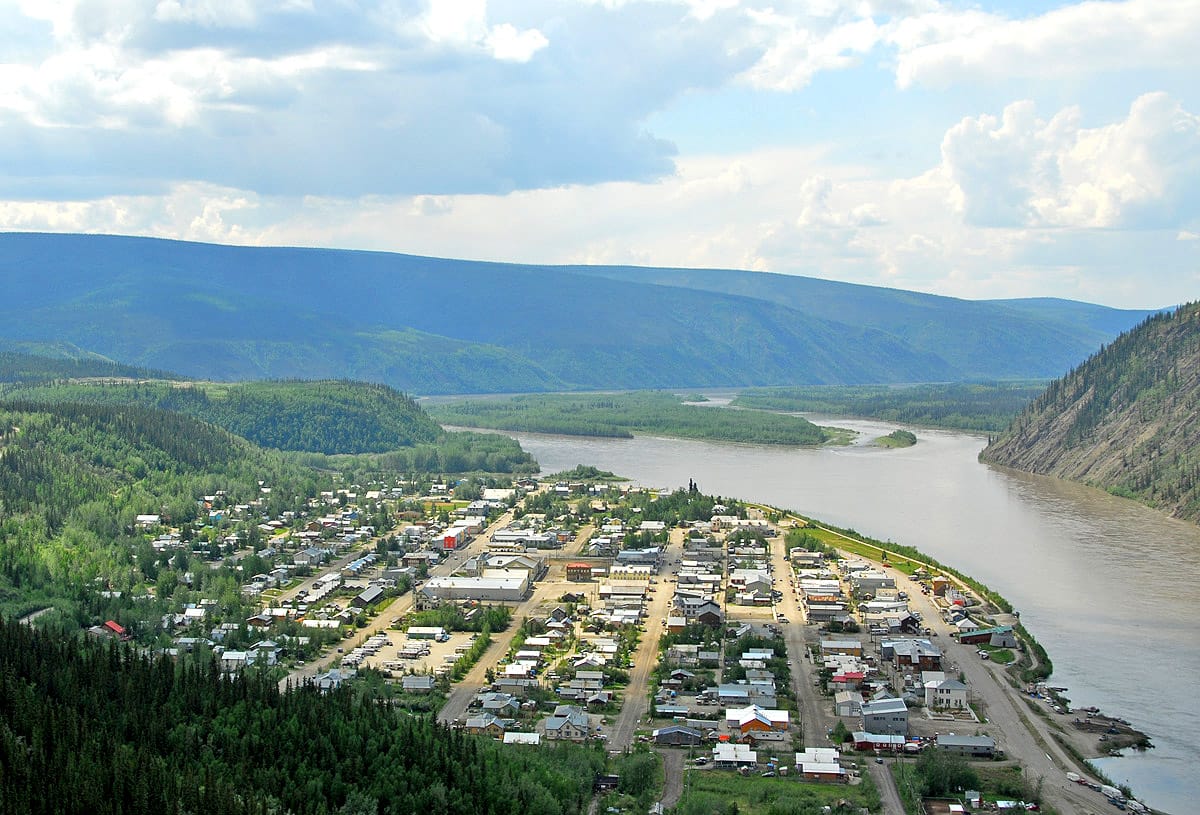
Dawson City on the Yukon River, the boomtown at the heart of the Klondike Gold Rush. Its brief, wild heyday around 1898 made it one of the largest towns in the Canadian northwest before the gold ran out.
Dawson City on the Yukon River, the boomtown at the heart of the Klondike Gold Rush. Its brief, wild heyday around 1898 made it one of the largest towns in the Canadian northwest before the gold ran out.Credit: Dawsonesque at English Wikipedia (CC BY-SA 3.0).

The gold rush drew people from across the world to the Yukon, a diverse rush of fortune-seekers that briefly swelled its population many times over. Among them were small communities such as the Sikhs who settled in Whitehorse in the early twentieth century, a reminder that the far north drew newcomers from every corner of the globe.
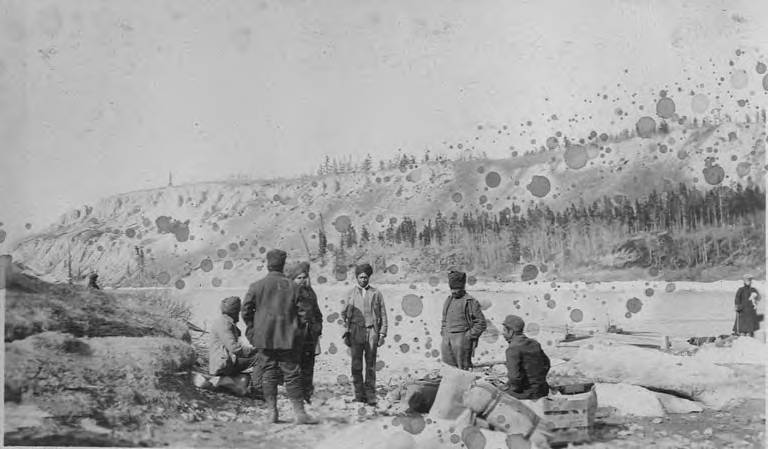
Sikh men in Whitehorse in 1906. The Klondike Gold Rush and the settlement that followed drew people to the Yukon from around the world, including small early communities of South Asian immigrants.
Sikh men in Whitehorse in 1906. The Klondike Gold Rush and the settlement that followed drew people to the Yukon from around the world, including small early communities of South Asian immigrants.Credit: Unknown authorUnknown author (Public domain).

Yukon is overwhelmingly mountainous, a land of great ranges, high plateaus, and deep river valleys, its southwest crowned by the immense icefields of the Saint Elias Mountains, which hold Mount Logan, the highest mountain in Canada. The mighty Yukon River winds across the territory on its long journey to the sea in Alaska. Most of the land is wild and roadless, home to abundant wildlife, and the climate is harsh and dry, with long, cold, dark winters and brief, bright summers.
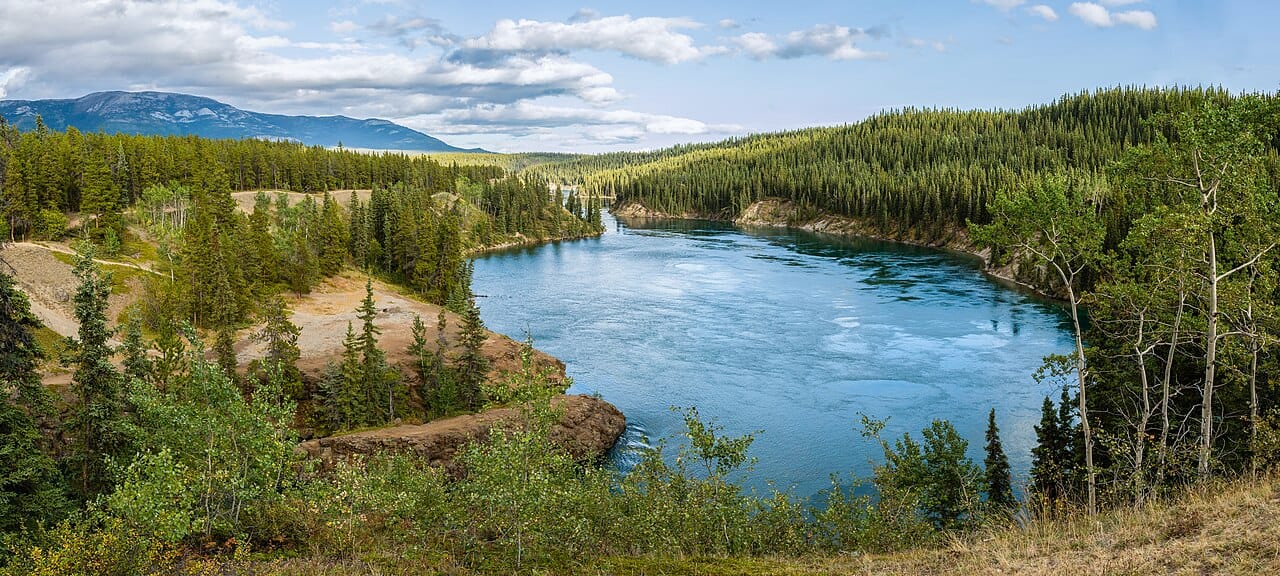
Miles Canyon on the Yukon River near Whitehorse. The great river, which gives the territory its name, runs for thousands of kilometres across Yukon and Alaska to the sea.
Miles Canyon on the Yukon River near Whitehorse. The great river, which gives the territory its name, runs for thousands of kilometres across Yukon and Alaska to the sea.Credit: Diego Delso (CC BY-SA 4.0).
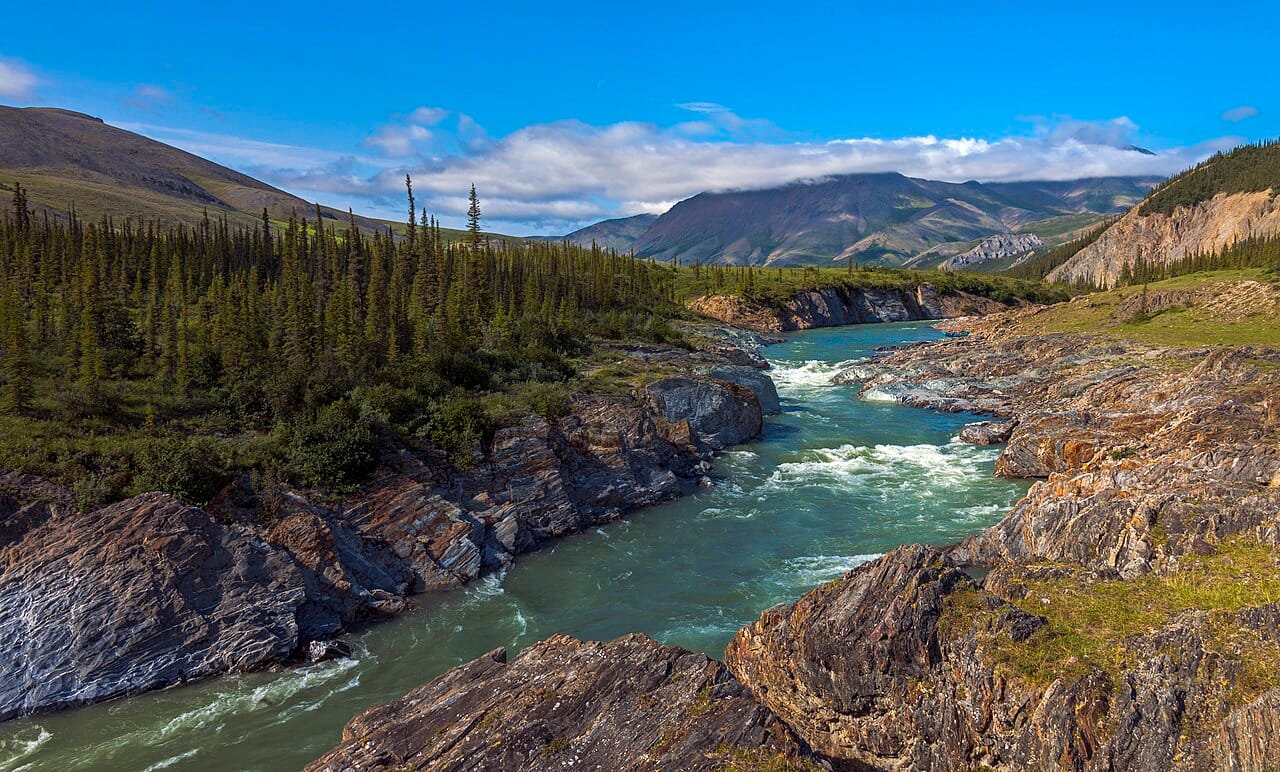
The Firth River in Ivvavik National Park, in the remote northern Yukon. Much of the territory is untouched wilderness, home to caribou, bears, and other wildlife.
The Firth River in Ivvavik National Park, in the remote northern Yukon. Much of the territory is untouched wilderness, home to caribou, bears, and other wildlife.Credit: Daniel Case (CC BY-SA 3.0).
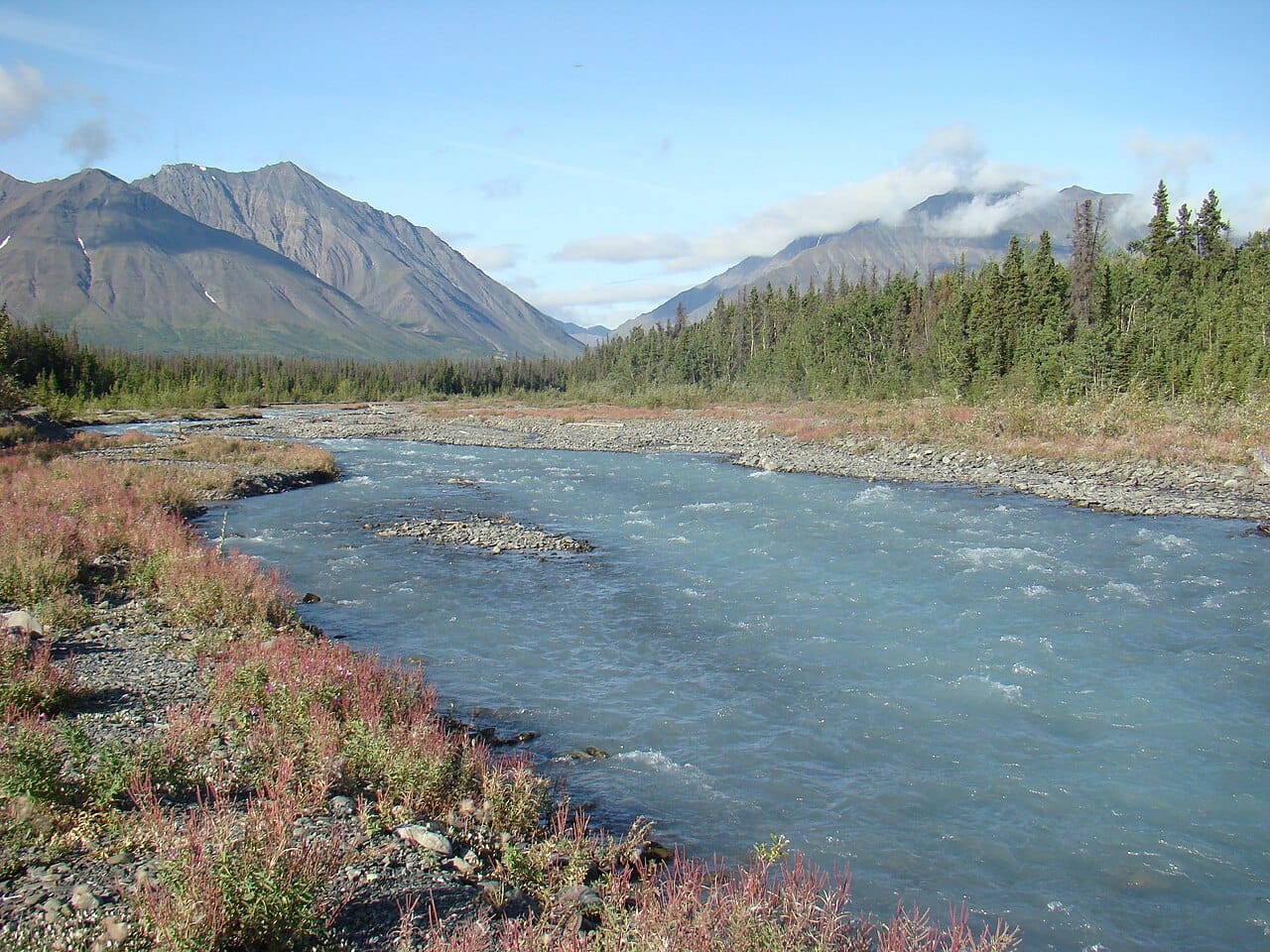
Quill Creek in Kluane National Park, at the foot of the Saint Elias Mountains. This corner of the Yukon holds Mount Logan, the highest peak in Canada, amid vast icefields.
Quill Creek in Kluane National Park, at the foot of the Saint Elias Mountains. This corner of the Yukon holds Mount Logan, the highest peak in Canada, amid vast icefields.Credit: Wikibunt (CC BY-SA 3.0).

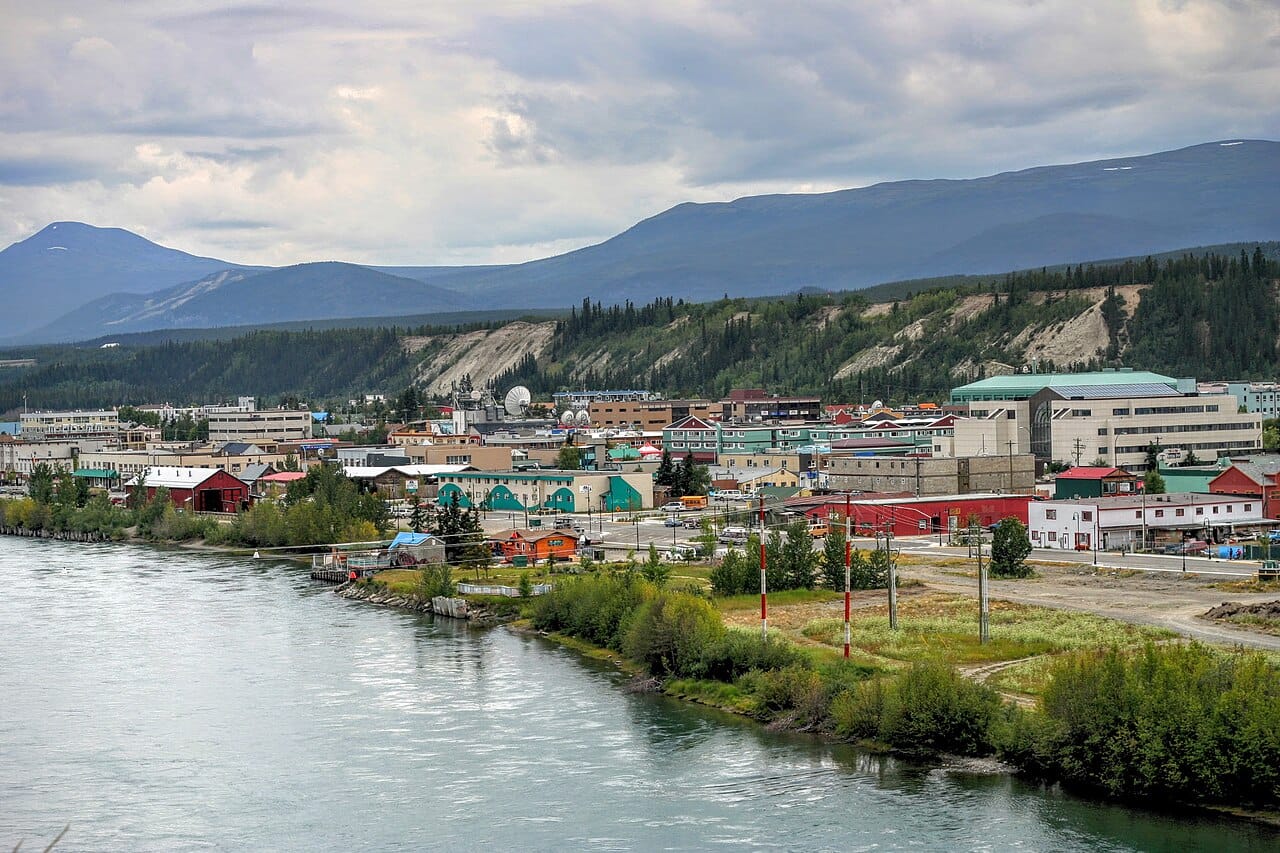
Yukon is a territory rather than a province, its powers delegated by the federal government, though it has steadily gained greater self-rule. Unlike the other two territories, it has a party political system, with an elected Legislative Assembly in the capital, Whitehorse, a premier who leads the government, and a commissioner who represents the federal Crown. As of 2026 the premier is Currie Dixon, leader of the Yukon Party, which won the 2025 election and made him the first premier born in the territory, and the commissioner is Adeline Webber. Self-government agreements with First Nations are a defining feature of Yukon politics.

Currie Dixon, premier of Yukon and leader of the Yukon Party, who won the 2025 election. He is the first premier to have been born in the territory.
Currie Dixon, premier of Yukon and leader of the Yukon Party, who won the 2025 election. He is the first premier to have been born in the territory.Credit: Cross Border Network (CC BY 3.0).
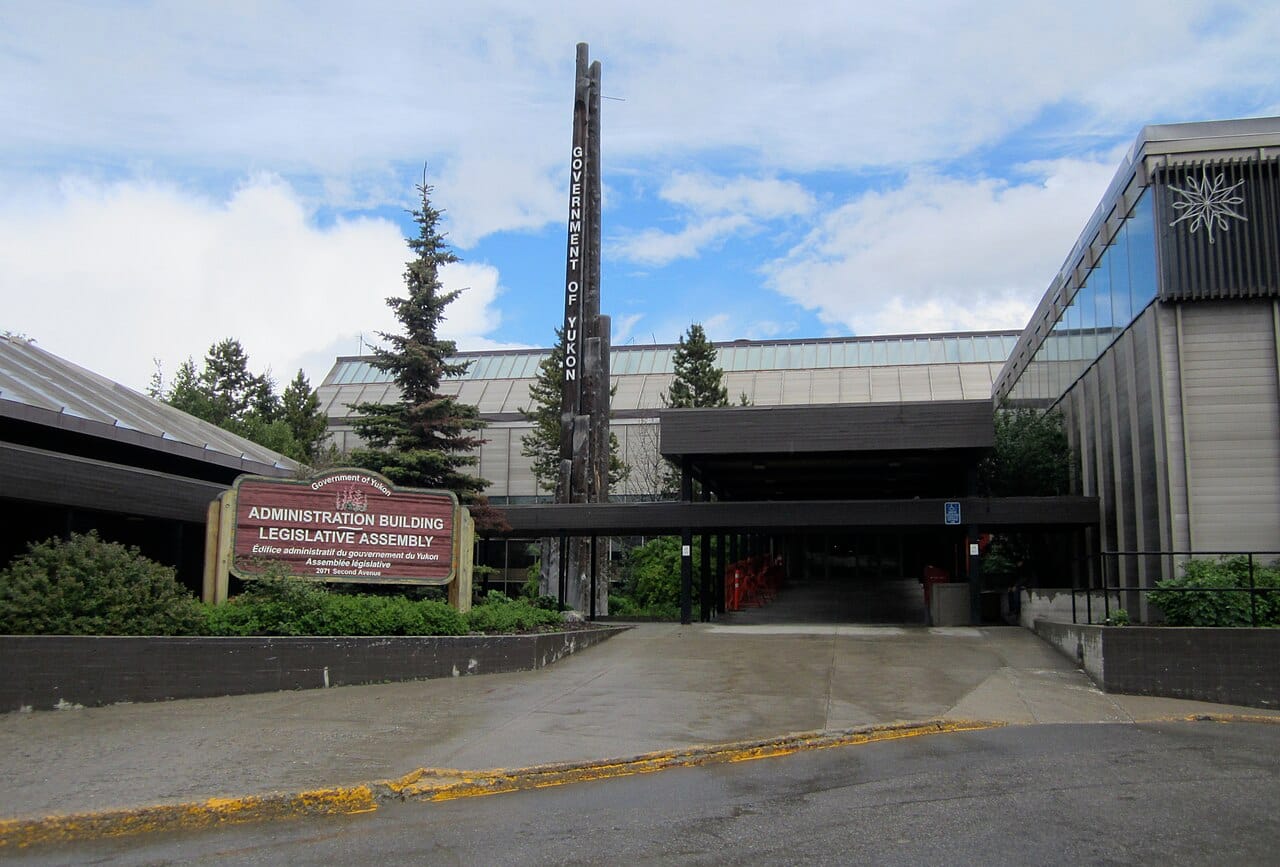
The Yukon Legislative Assembly building in Whitehorse, the capital. Yukon is unusual among the territories in having a party political system like the provinces.
The Yukon Legislative Assembly building in Whitehorse, the capital. Yukon is unusual among the territories in having a party political system like the provinces.Credit: Own work (CC BY-SA 3.0).

Mining has been the backbone of Yukon's economy since the Klondike, and the territory still produces gold and other minerals, its fortunes rising and falling with world prices and new discoveries. Tourism has grown into a major industry, drawing visitors to the Klondike heritage of Dawson City, the wilderness and wildlife, and the northern lights. Government is also a large employer, and a growing emphasis on First Nations enterprise and sustainable development is shaping the territory's future.

Yukon's culture blends the deep heritage of its First Nations, who have shaped self-government in the territory, with the enduring legend of the Klondike and a strong spirit of northern self-reliance. The wilderness is central to life, celebrated in events such as the Yukon Quest, a gruelling long-distance dog sled race across the frozen north. Whitehorse, home to most of the population, is a small but lively capital, and the arts, festivals, and outdoor life flourish under the midnight sun and the winter aurora.
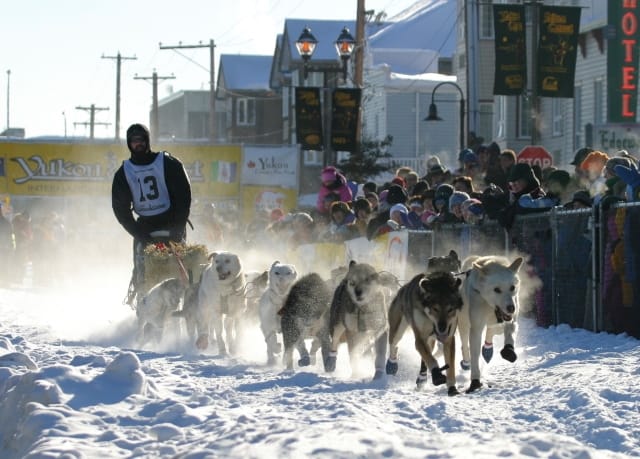
A musher setting out from Whitehorse at the start of the Yukon Quest, a gruelling long-distance dog sled race across the frozen north. It celebrates the wilderness and endurance at the heart of Yukon life.
A musher setting out from Whitehorse at the start of the Yukon Quest, a gruelling long-distance dog sled race across the frozen north. It celebrates the wilderness and endurance at the heart of Yukon life.Credit: The original uploader was Magnol at German Wikipedia. (CC BY-SA 3.0 de).

Yukon has a population of around 45,000 people, the most of the three territories, the great majority living in and around the capital, Whitehorse. About a fifth of the population are Indigenous, belonging to the territory's First Nations, many of which have signed modern treaties and run their own affairs. The rest are drawn from across Canada and the world to the northern way of life. Small, remote, and proud of its frontier heritage, Yukon has a close-knit and increasingly diverse society.