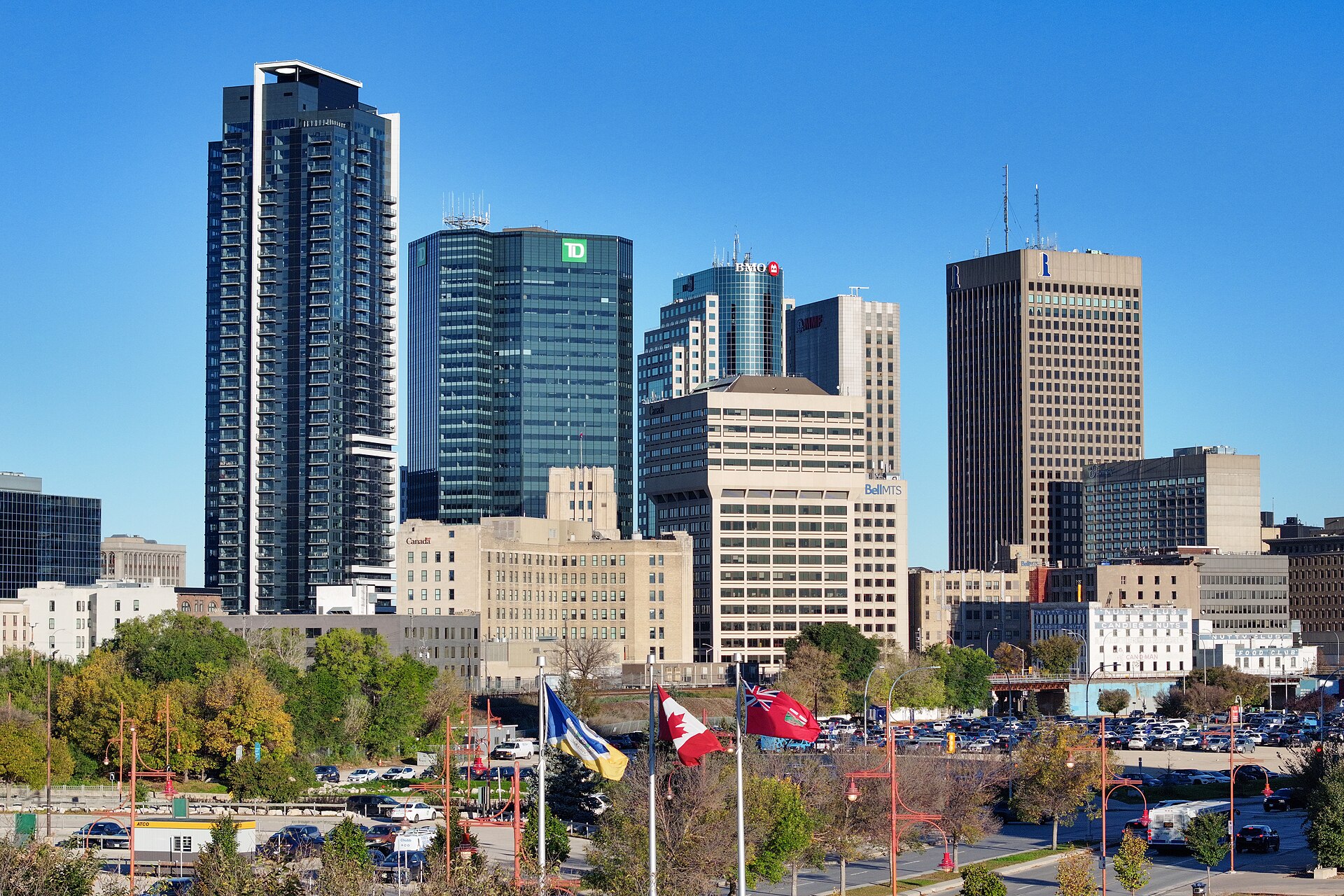
Manitoba is a province in the heart of Canada, the easternmost of the three Prairie provinces, sitting at the longitudinal centre of the country. A land of flat farmland, tens of thousands of lakes, and vast northern forest reaching all the way to a coastline on Hudson Bay, it is often called the Keystone Province for its central position. More than half of its roughly 1.5 million people live in and around the capital, Winnipeg. The province takes its name from an Indigenous word describing the narrows of Lake Manitoba, where the sound of waves was said to be the voice of a great spirit.
Manitoba's history runs from the Indigenous peoples who lived on the plains and in the northern forests for thousands of years, through the fur trade and the rise of the Metis nation in the Red River country, to the creation of a province in 1870 and a century of immigration and growth.
Long before Europeans arrived, the land was home to Cree, Ojibwe, Dakota, and other Indigenous peoples, who hunted the buffalo of the plains and travelled the rivers and lakes of the north. From the seventeenth century the fur trade drew the Hudson's Bay Company deep into the region, and out of the meeting of European traders and Indigenous peoples grew the Metis, a new nation with its own culture, language, and way of life centred on the Red River.
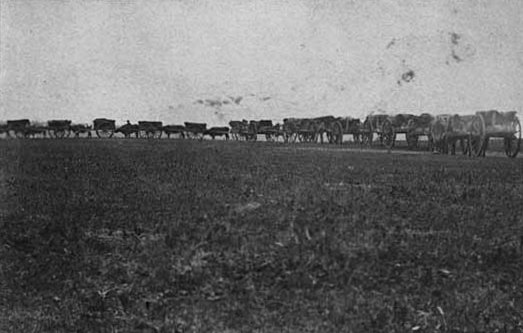
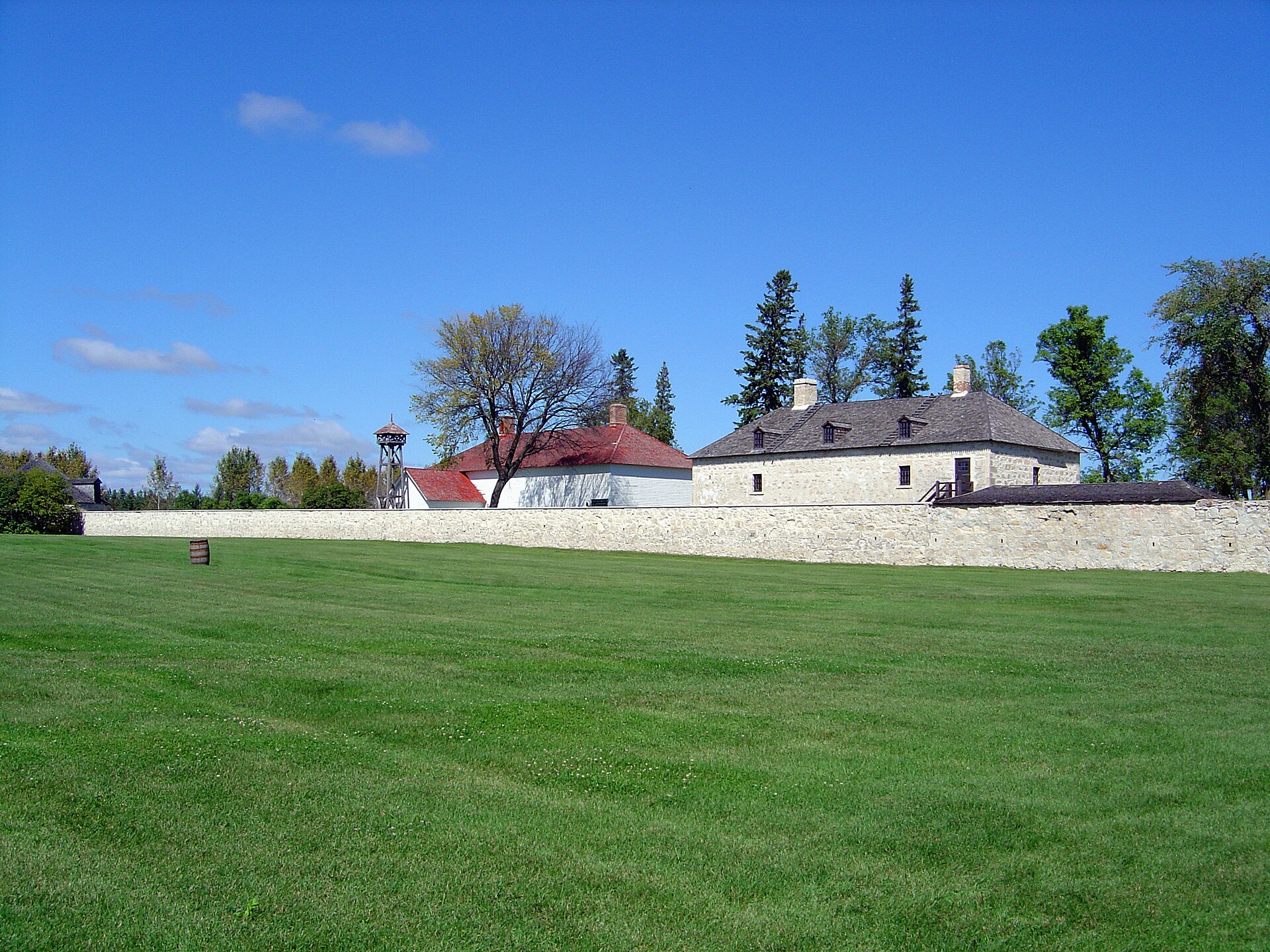
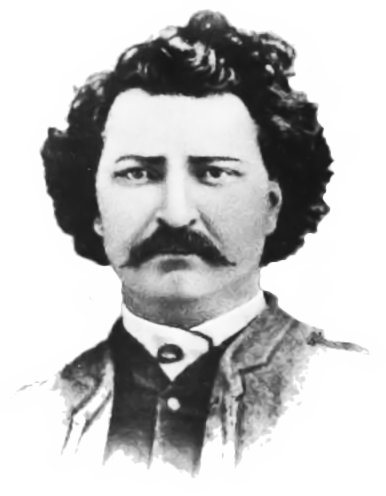
When Canada moved to take over the Hudson's Bay Company lands in 1869, the Metis of the Red River, fearing for their rights, rose in resistance under the leadership of Louis Riel. Their stand led directly to the Manitoba Act of 1870, which brought Manitoba into Canada as its fifth province, at first a small square of land around the Red River that later grew to its present size.
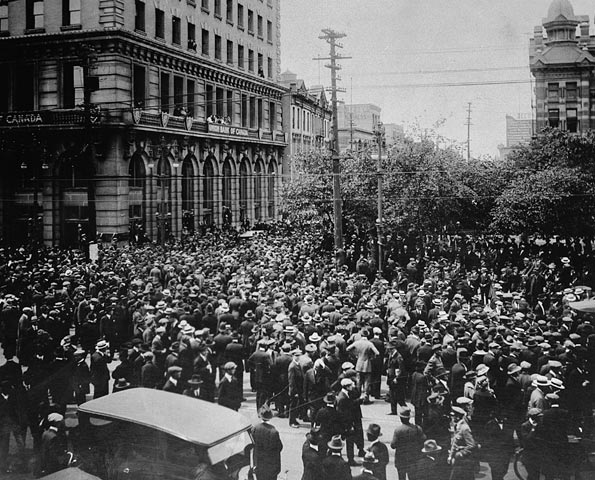
The railway reached Manitoba in the 1880s and opened the prairies to a great wave of settlement, drawing farmers from Ontario, the British Isles, Ukraine, and across Europe, and turning Winnipeg into a booming gateway city. That growth also brought sharp conflict, seen most dramatically in the Winnipeg General Strike of 1919, one of the largest and most influential labour actions in Canadian history.
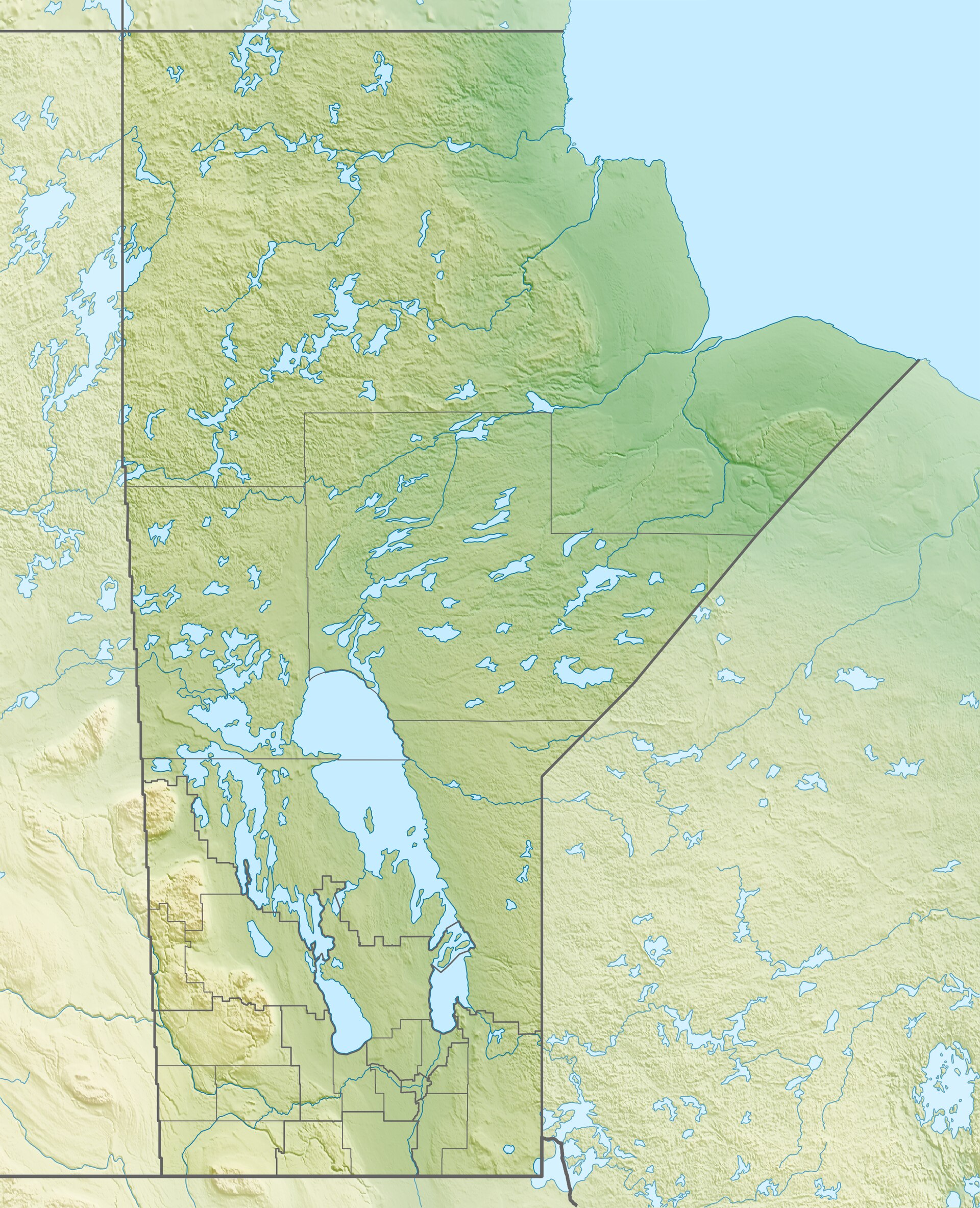
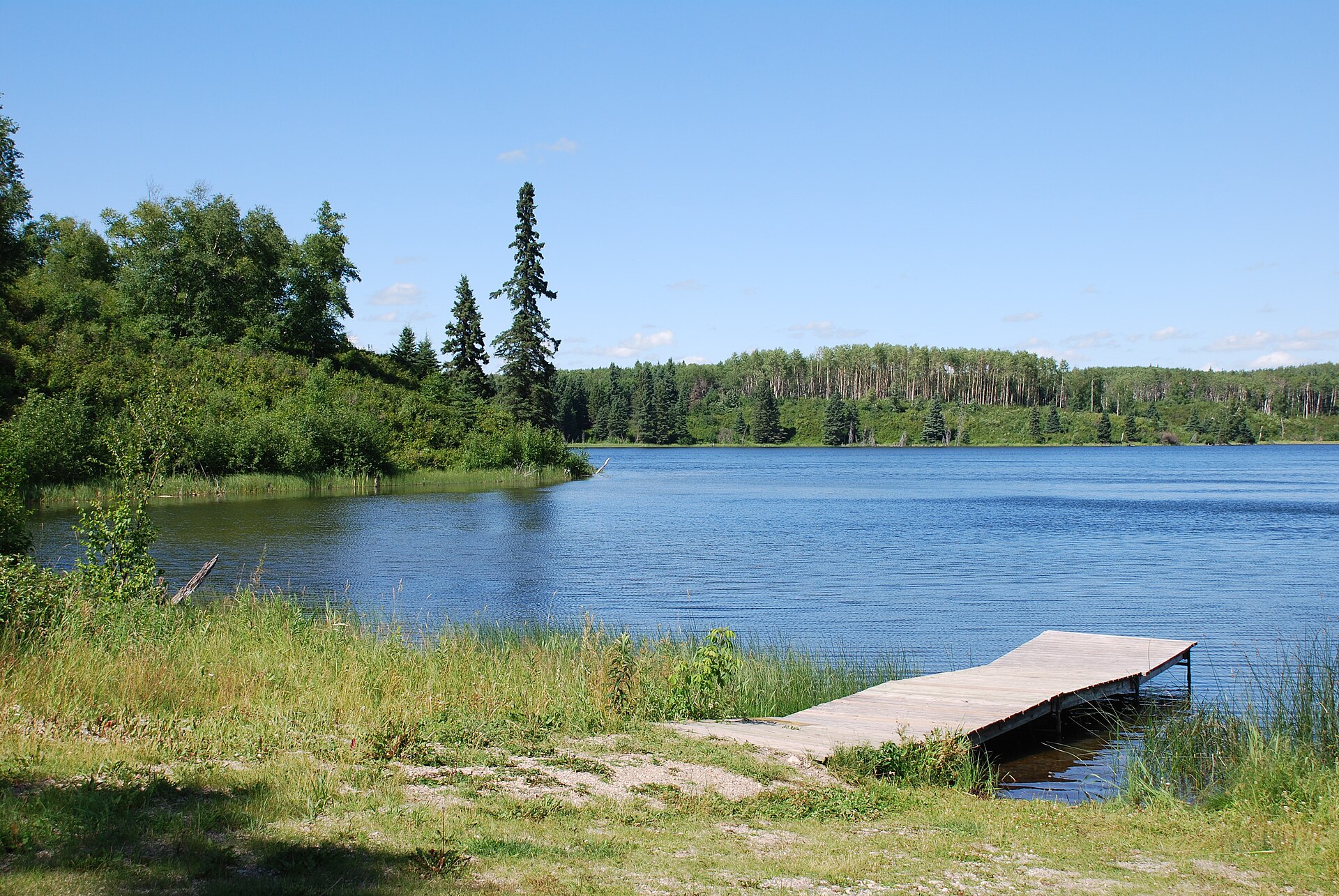
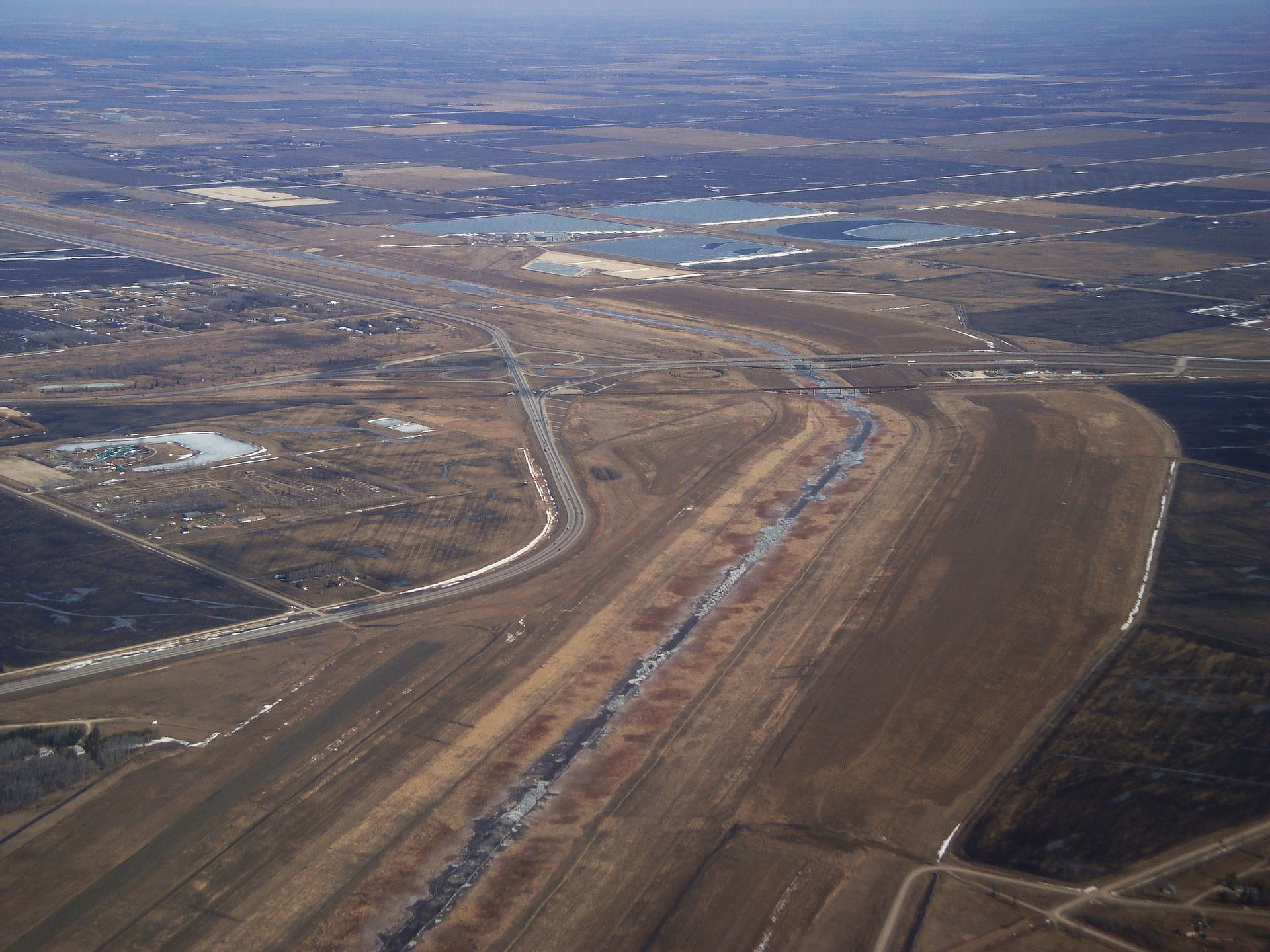
Manitoba stretches from the United States border in the south all the way to Hudson Bay in the northeast, spanning flat prairie, rocky Canadian Shield, and subarctic tundra. The fertile plains of the south and southwest, where most people live and farm, give way northward to a huge belt of boreal forest dotted with more than one hundred thousand lakes, among them Lake Winnipeg, one of the largest freshwater lakes in the world. Winters are long and bitterly cold, summers warm and often stormy.
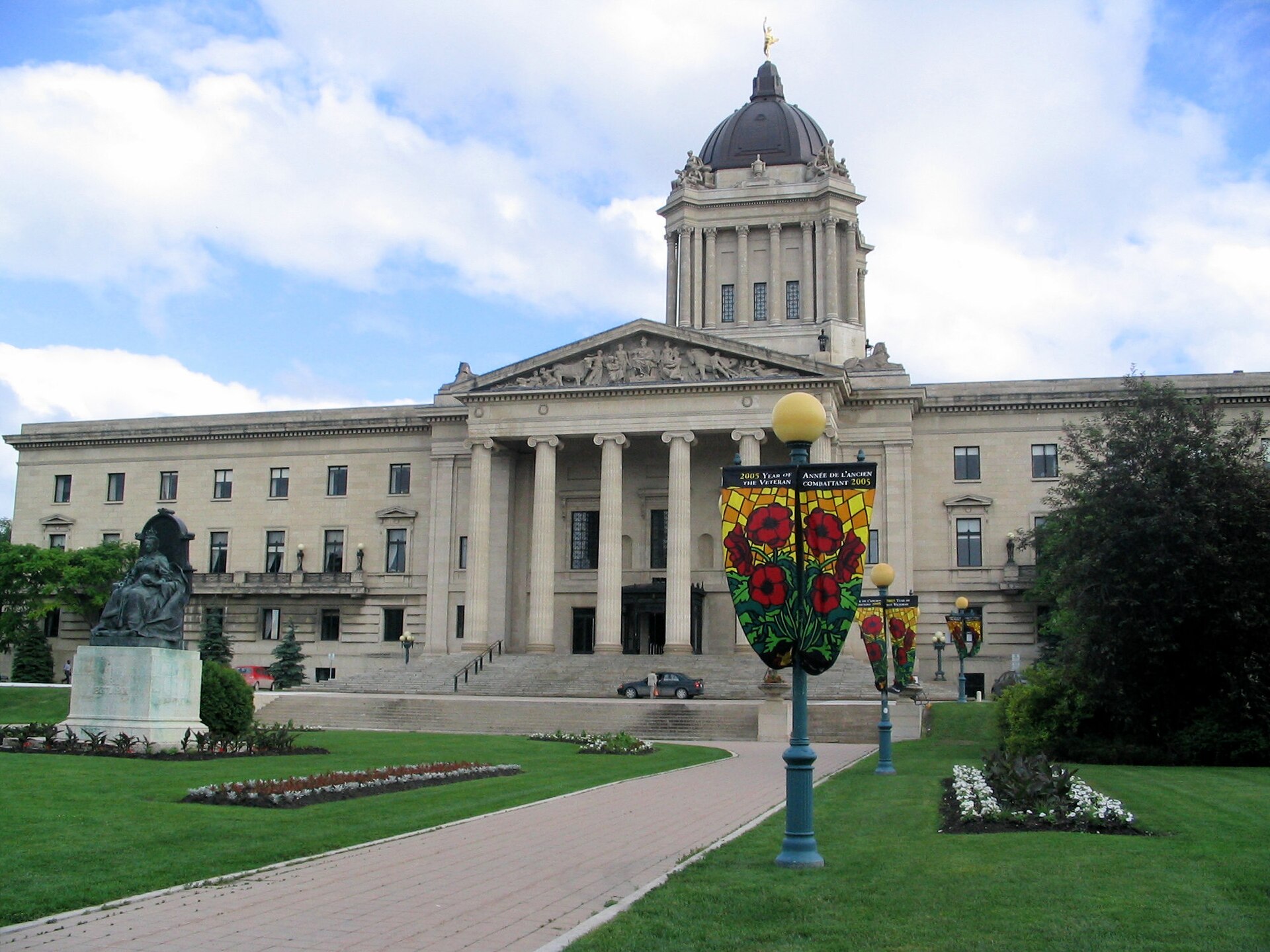
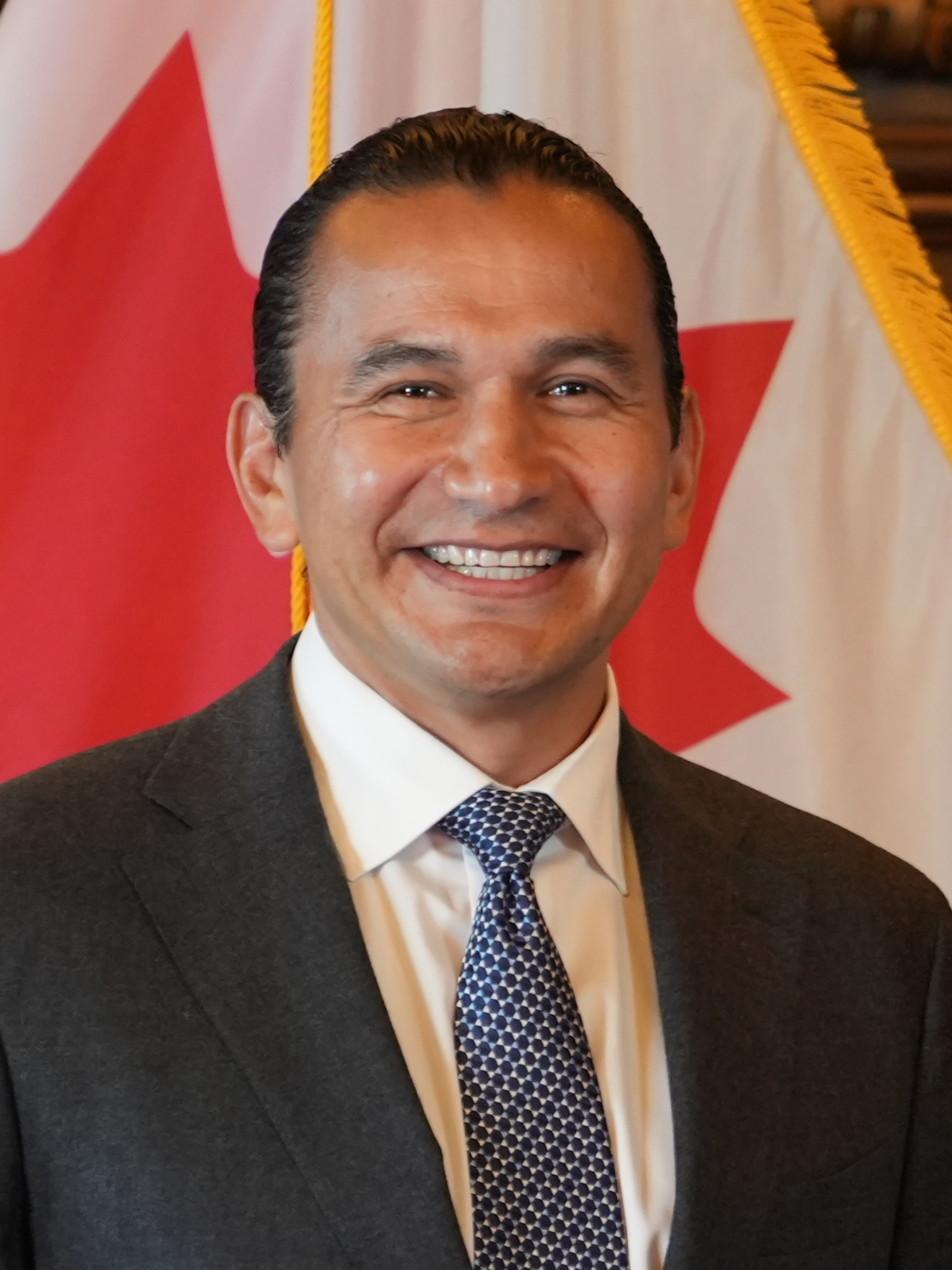
Manitoba is governed as a parliamentary democracy within the Canadian federation, with a single elected chamber, the Legislative Assembly, that sits in Winnipeg. The party commanding its confidence forms the government under a premier, while a lieutenant governor represents the Crown in largely ceremonial duties. As of 2026 the premier is Wab Kinew, leader of the New Democratic Party, who took office in 2023, and the lieutenant governor is Anita Neville. Provincial politics have long swung between the New Democrats and the Progressive Conservatives.
Manitoba has a notably diverse economy for its size. Agriculture remains a foundation, with the southern plains among Canada's leading producers of wheat, canola, and other crops, and a large livestock and food-processing industry. The province is also a major producer of clean hydroelectric power, generated on its northern rivers and exported to neighbouring markets, alongside mining in the north, manufacturing, aerospace, and a strong finance and insurance sector centred on Winnipeg. This mix has long given Manitoba a steady, less boom-and-bust economy than some of its neighbours.
The flag of Manitoba is a red ensign, deep red with the Union Jack in the upper corner and the provincial shield on the fly. The shield shows the cross of Saint George above a buffalo standing on a rock, and the buffalo, or bison, is the great emblem of the province, recalling the vast herds that once roamed its plains. Above the Legislative Building stands the Golden Boy, a gilded figure carrying a sheaf of wheat and a torch, one of the most recognisable symbols of Manitoba.
Manitoba is one of Canada's most diverse provinces, home to the highest proportion of Indigenous people of any province, a large and proud Metis community, and descendants of settlers from Ukraine, the British Isles, and many other lands, along with more recent newcomers from around the world. This mix gives the province a rich cultural life, especially in Winnipeg, with its celebrated ballet, its folk festival, and the French and Metis heritage of the St. Boniface district. Reconciliation with Indigenous peoples is a central theme of public life, given powerful expression in the province's museums and, symbolically, in its first First Nations premier.
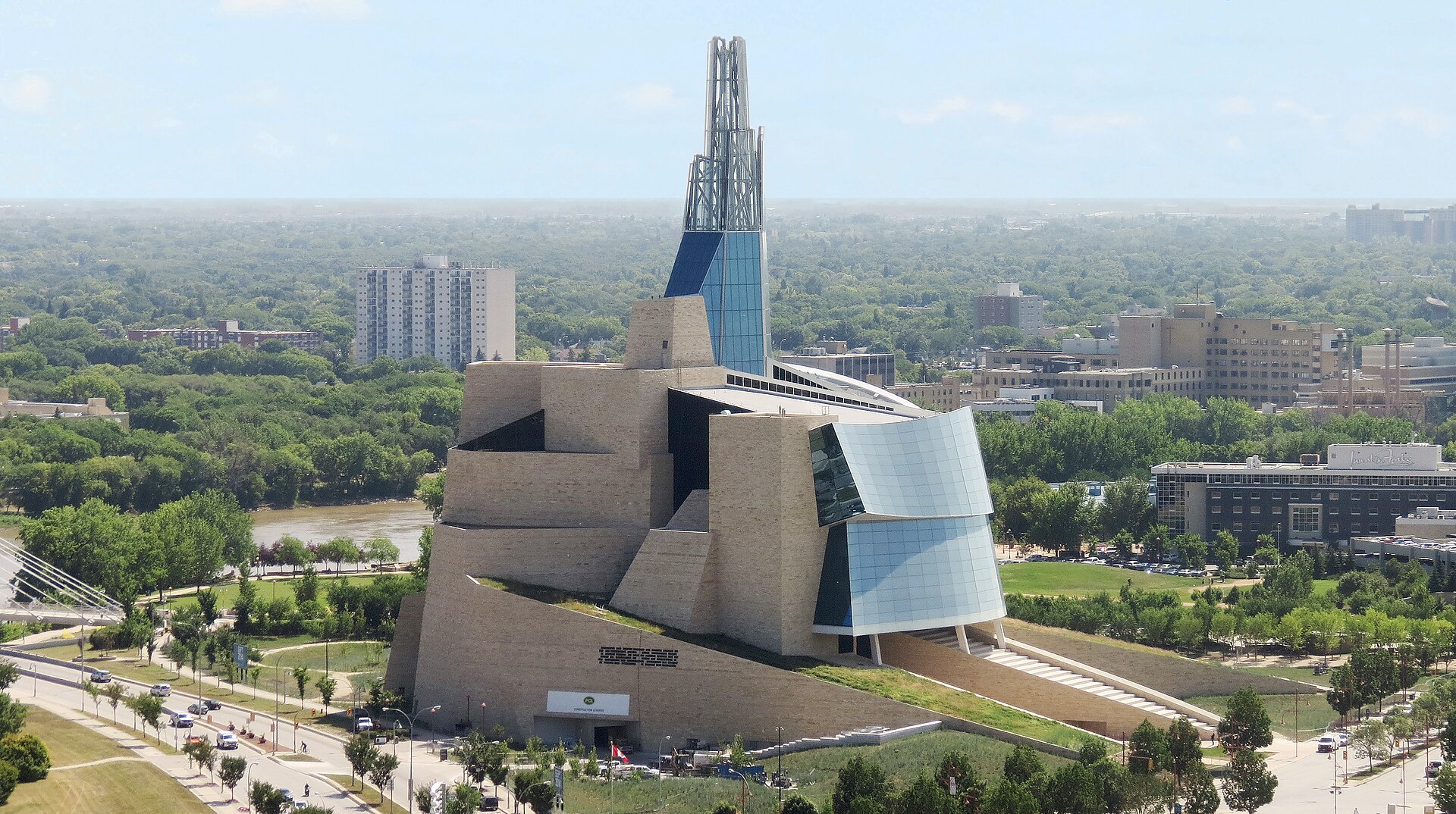
Manitoba has a population of around 1.5 million people, more than half of whom live in the Winnipeg metropolitan area, by far the largest city and the cultural and economic heart of the province. Beyond the capital, the population thins across farming towns of the south, with Brandon in the southwest the second-largest city, and scatters into small and often remote communities across the north. The province is young and growing, its diversity deepened by strong immigration and one of the largest Indigenous populations in the country.