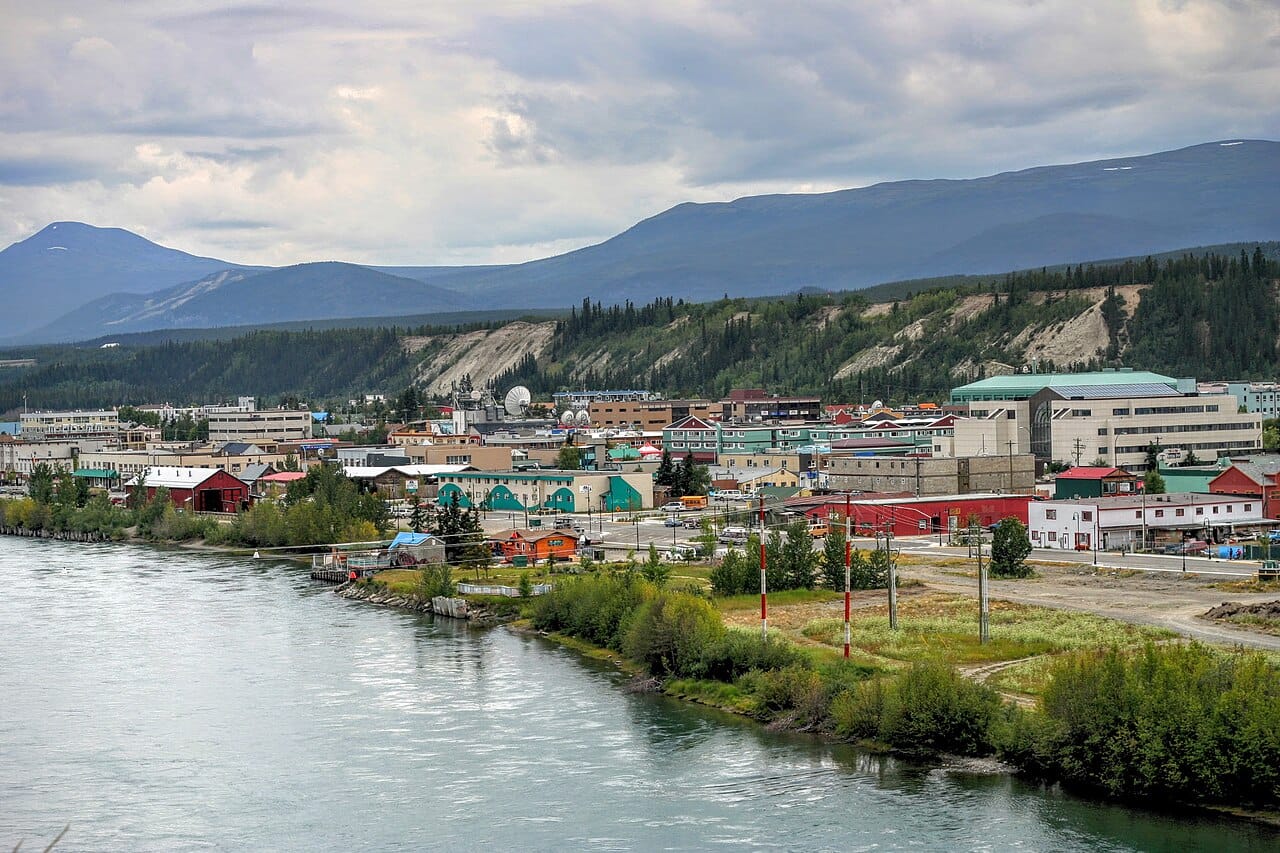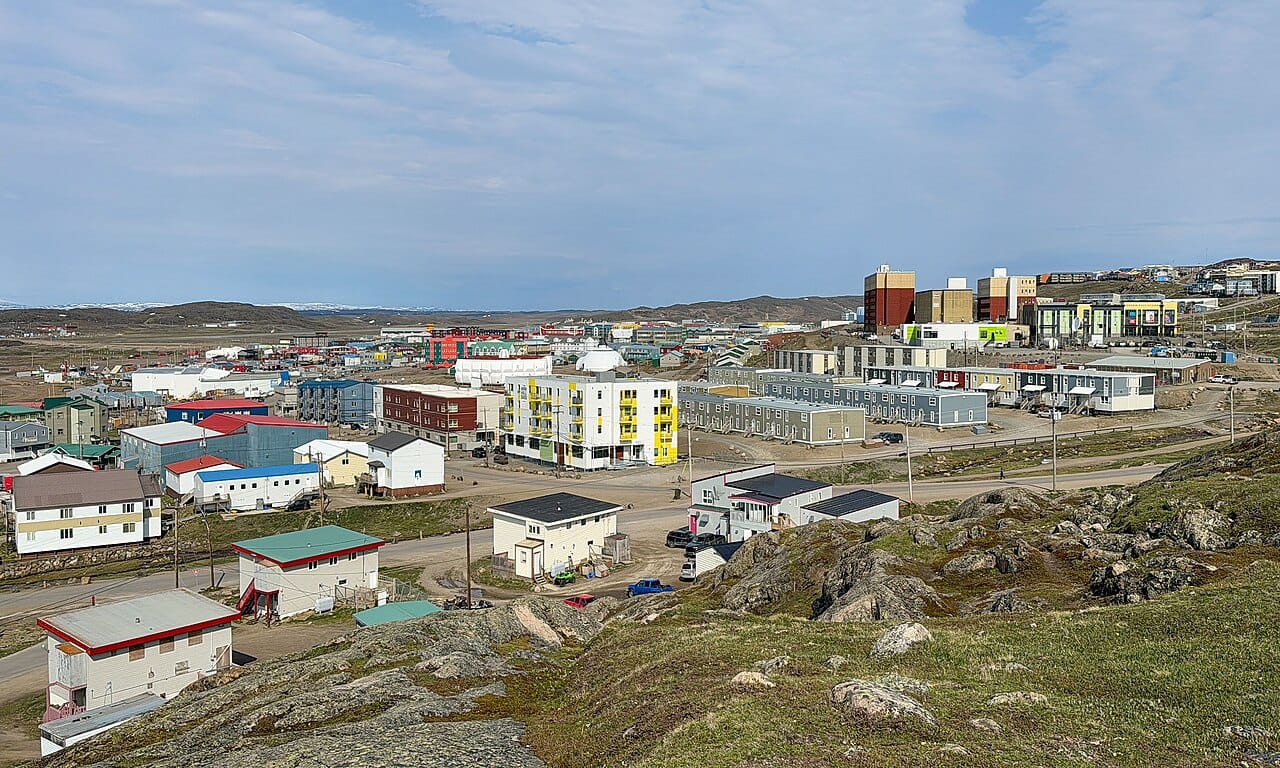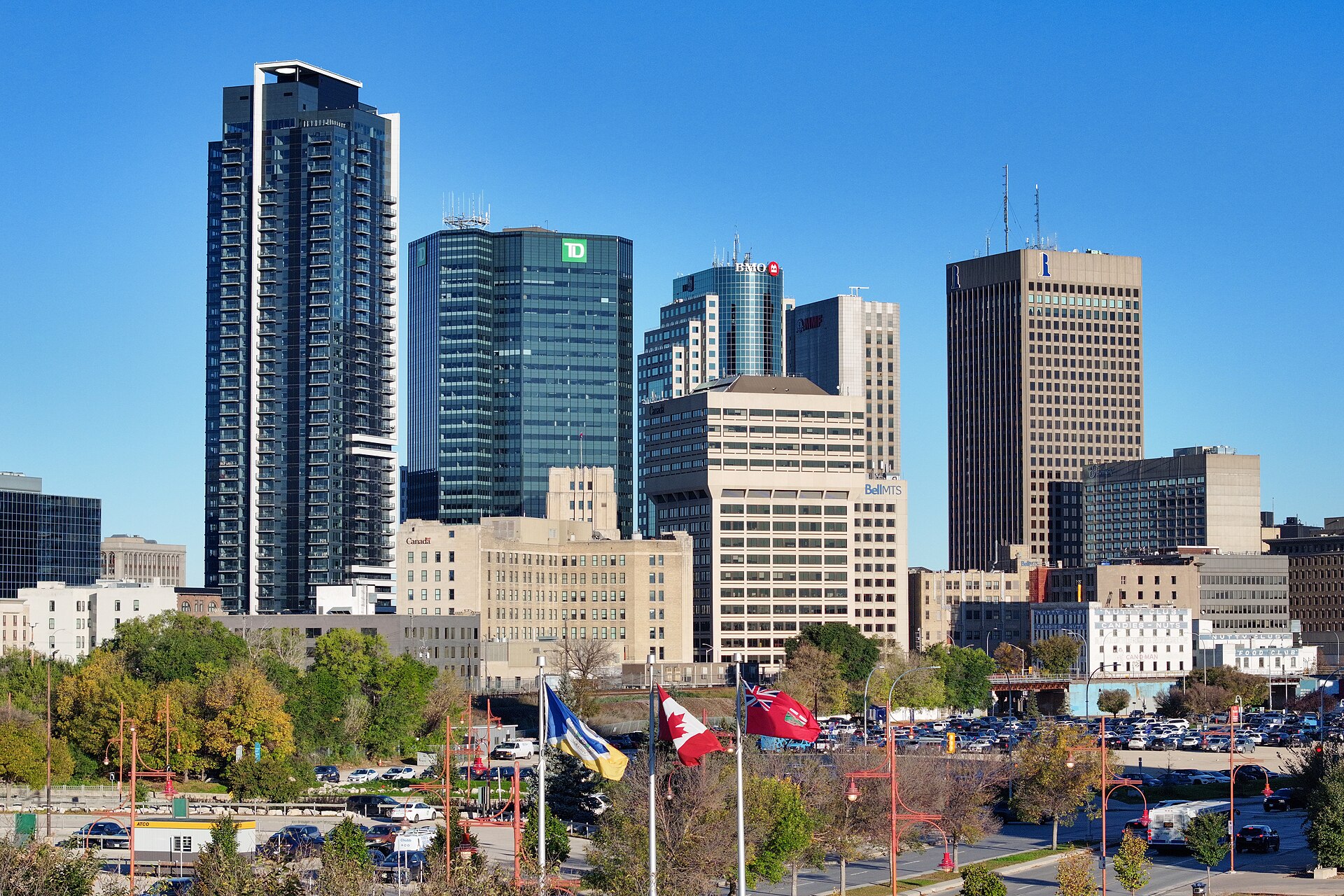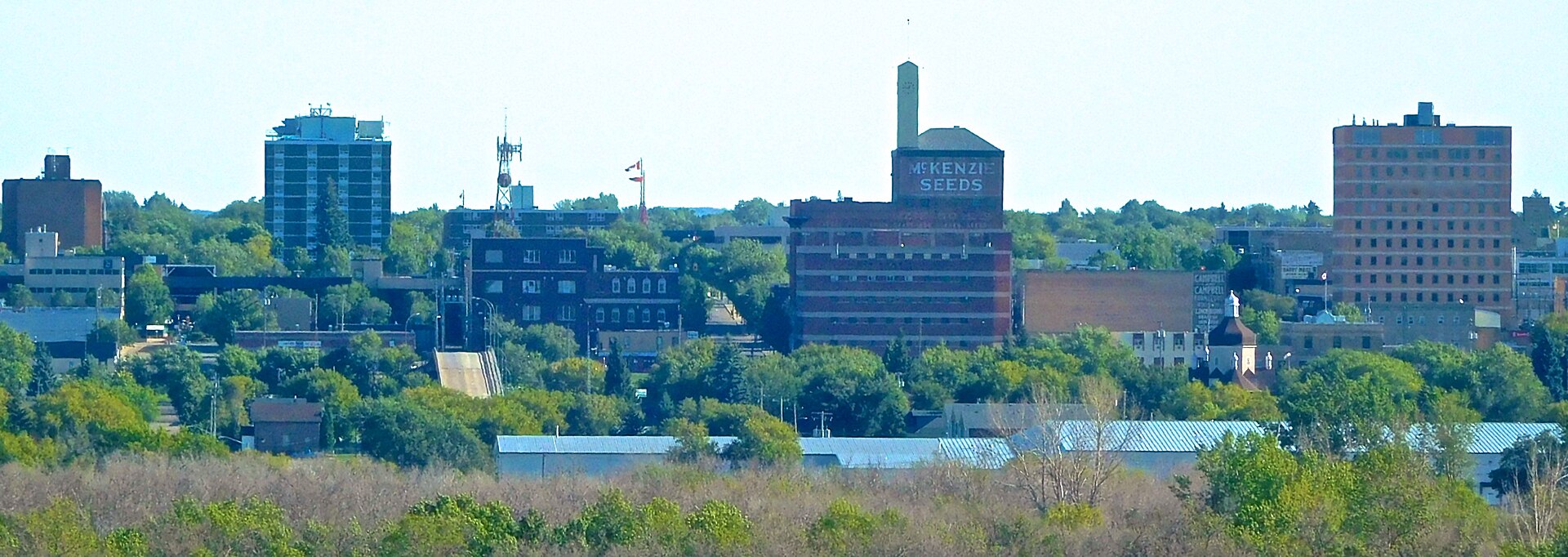
The Northwest Territories is a vast, sparsely peopled territory in northern Canada, spanning the country between Yukon to the west and Nunavut to the east and reaching from the sixtieth parallel to the Arctic Ocean. A land of immense lakes, the great Mackenzie River, boreal forest, and Arctic tundra, it is home to only about 45,000 people, many of them Indigenous, and is famous for its diamonds, its wilderness, and its brilliant displays of the northern lights.
The history of the Northwest Territories runs from its ancient Indigenous peoples, through the fur trade and Arctic exploration, to its shrinking from a near-continental expanse into the territory of today.
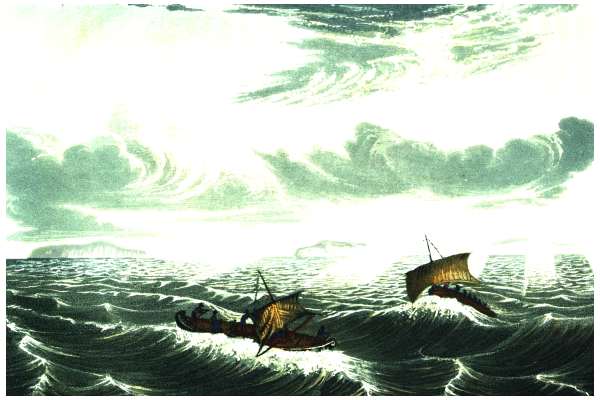
Long the home of Dene, Inuvialuit, and other Indigenous peoples, the region was drawn into the fur trade and became a route for explorers seeking the Northwest Passage. Expeditions such as those of Sir John Franklin pushed down its rivers and along its Arctic coast, mapping the north at great cost.
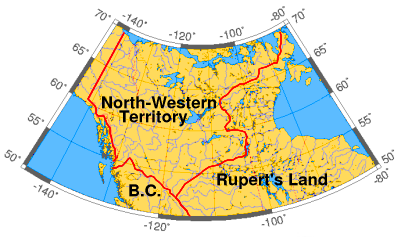
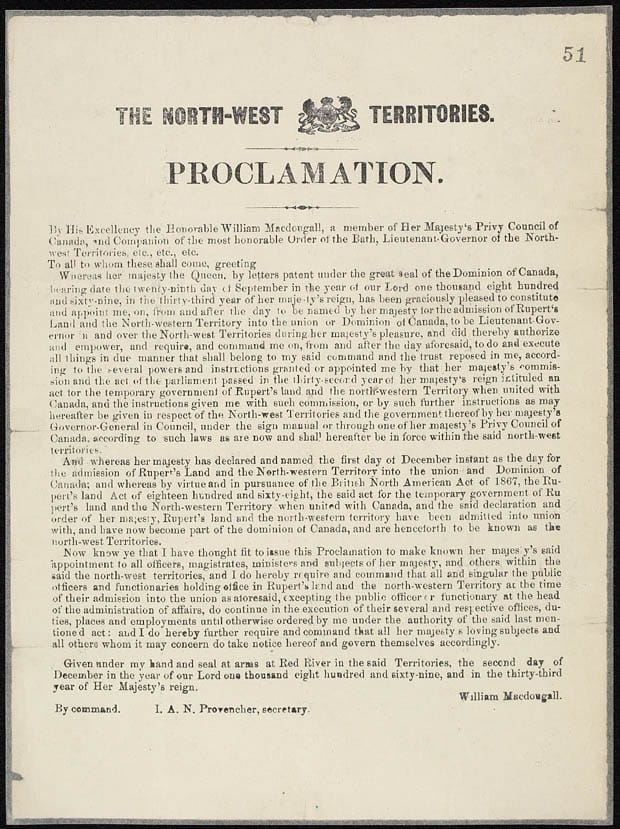
When Canada acquired the vast northwestern lands in 1870, the North-West Territories covered a huge share of the country, most of the modern Prairie provinces and the north besides. Over the following decades this immense expanse was carved up, as new provinces and, much later, other territories were created from it, leaving the much smaller Northwest Territories of today.
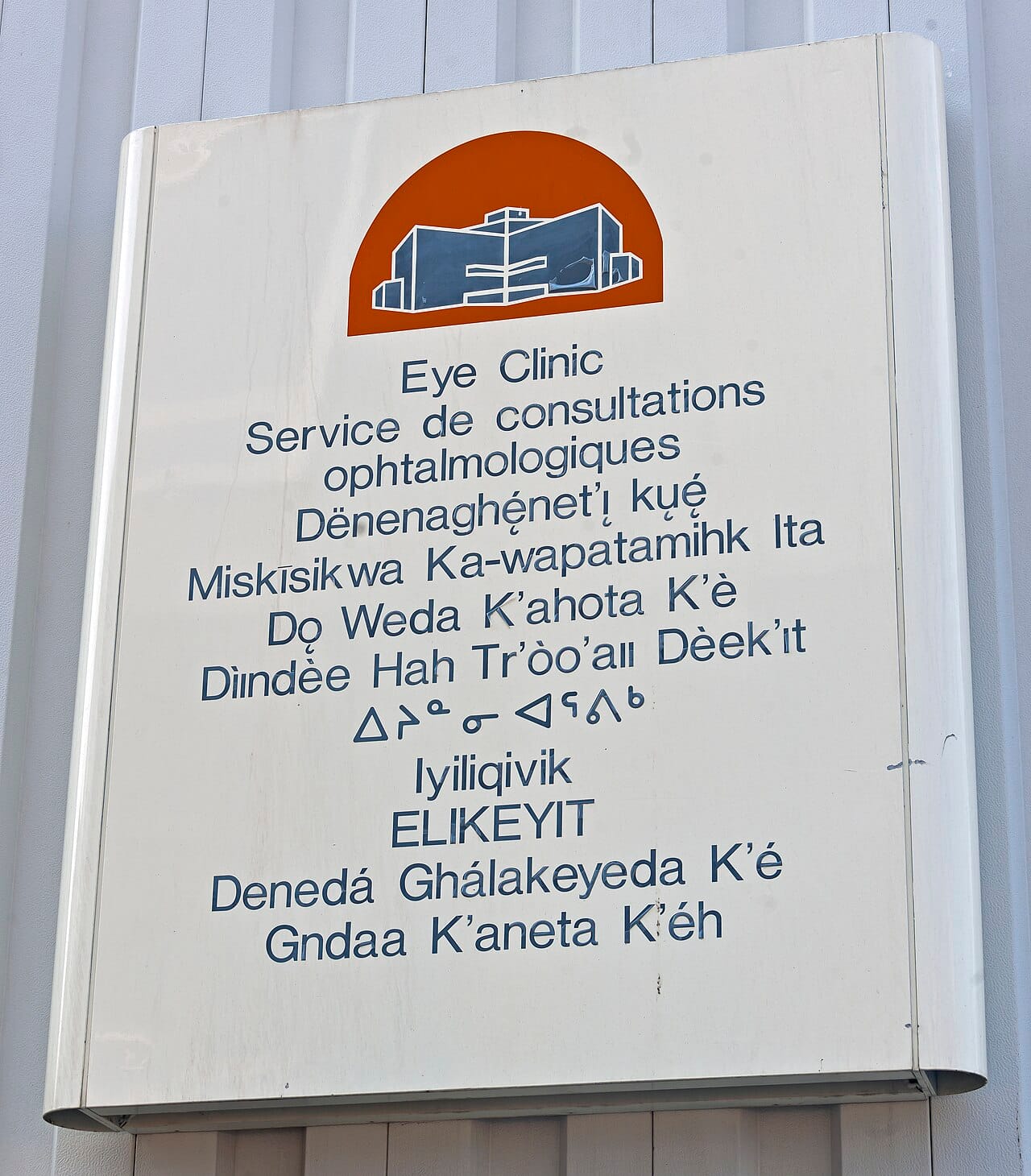
The Northwest Territories is one of the most linguistically rich parts of Canada, home to Dene nations, the Inuvialuit of the Arctic coast, the Métis, and others. It recognises eleven official languages, more than any other part of the country, including nine Indigenous tongues alongside English and French, a reflection of the many peoples who have called the north home for thousands of years.
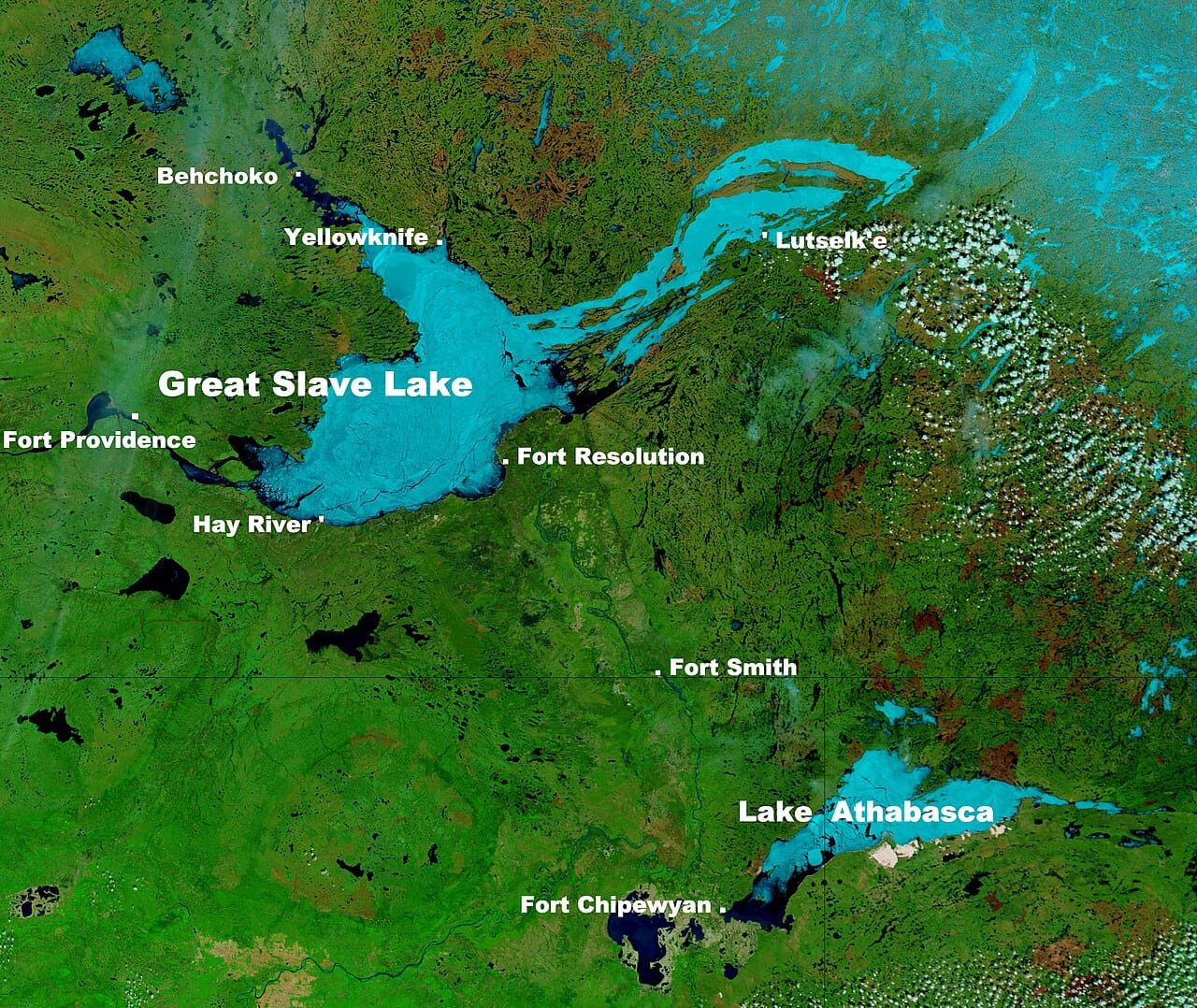
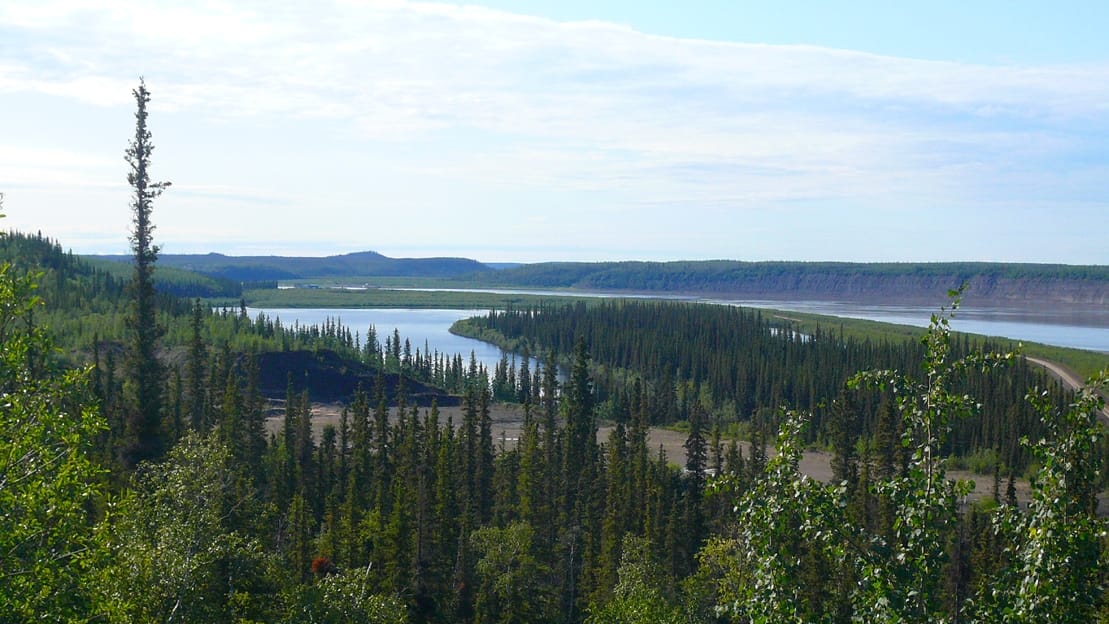
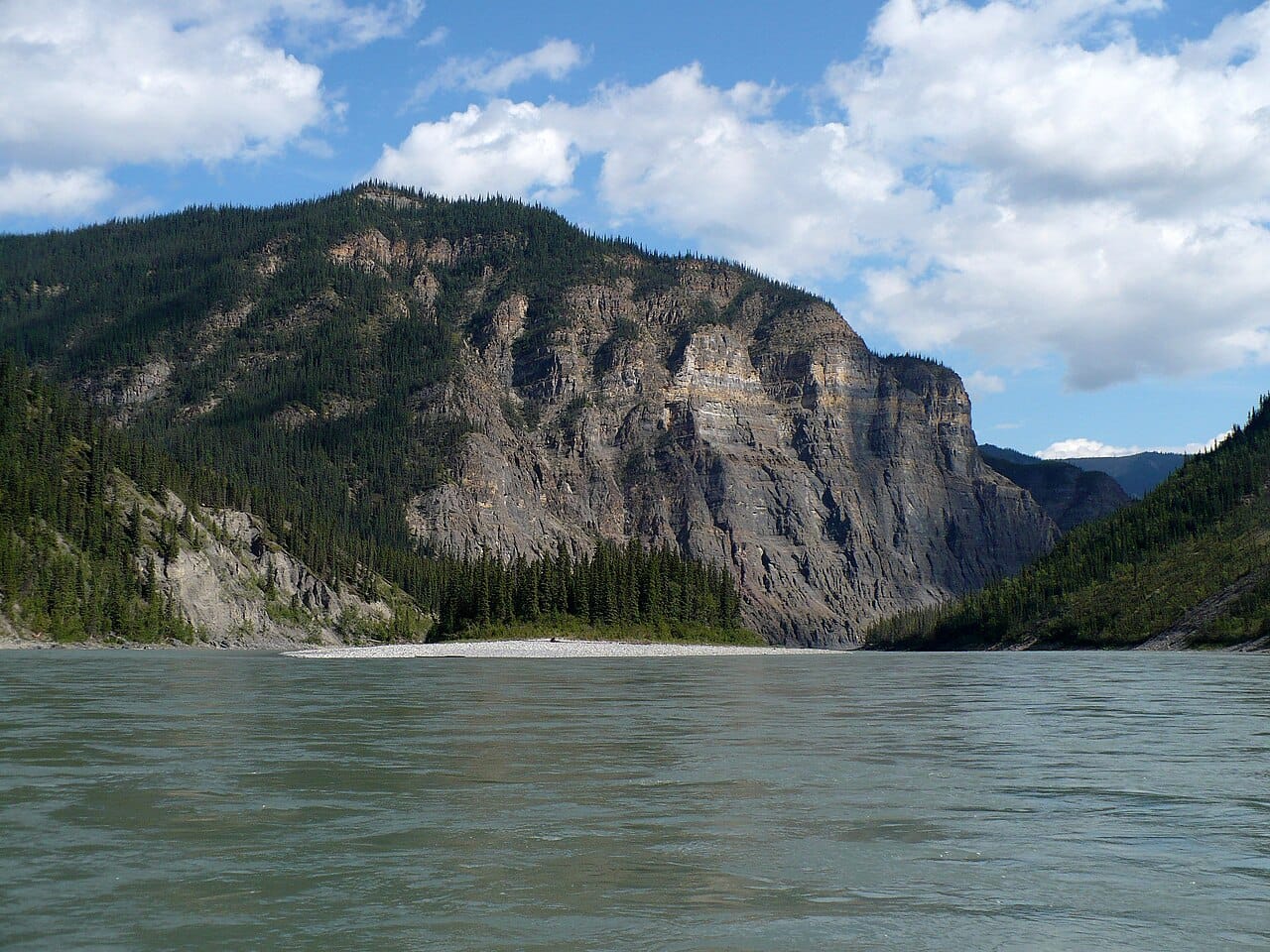
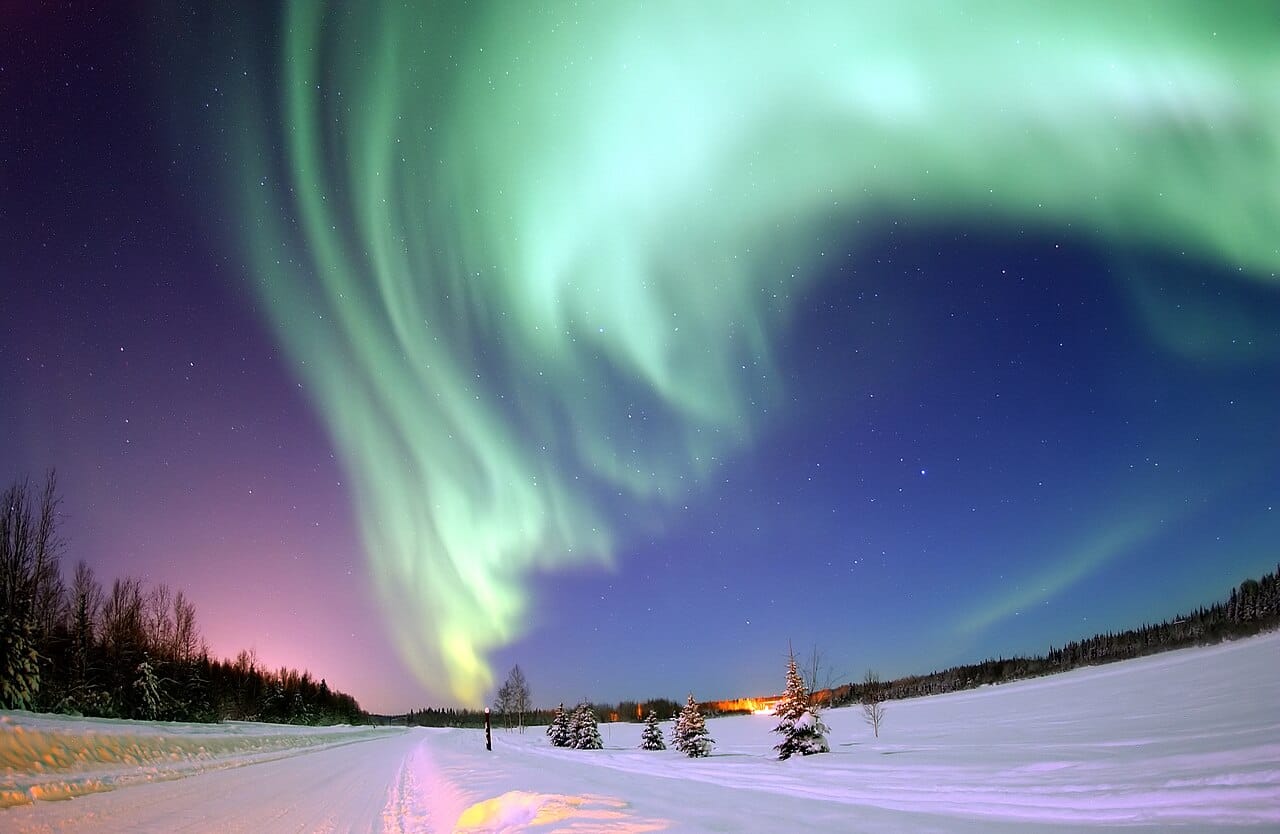
The territory is a land of superlatives of the north. It holds Great Slave Lake, the deepest lake in North America, and shares Great Bear Lake, the largest lake entirely within Canada, their waters draining into the mighty Mackenzie River, the longest river system in the country, which flows north to the Arctic Ocean. The land ranges from boreal forest in the south to treeless tundra in the north, cut by dramatic canyons such as those of the Nahanni, and the long winters bring some of the finest displays of the aurora on Earth.
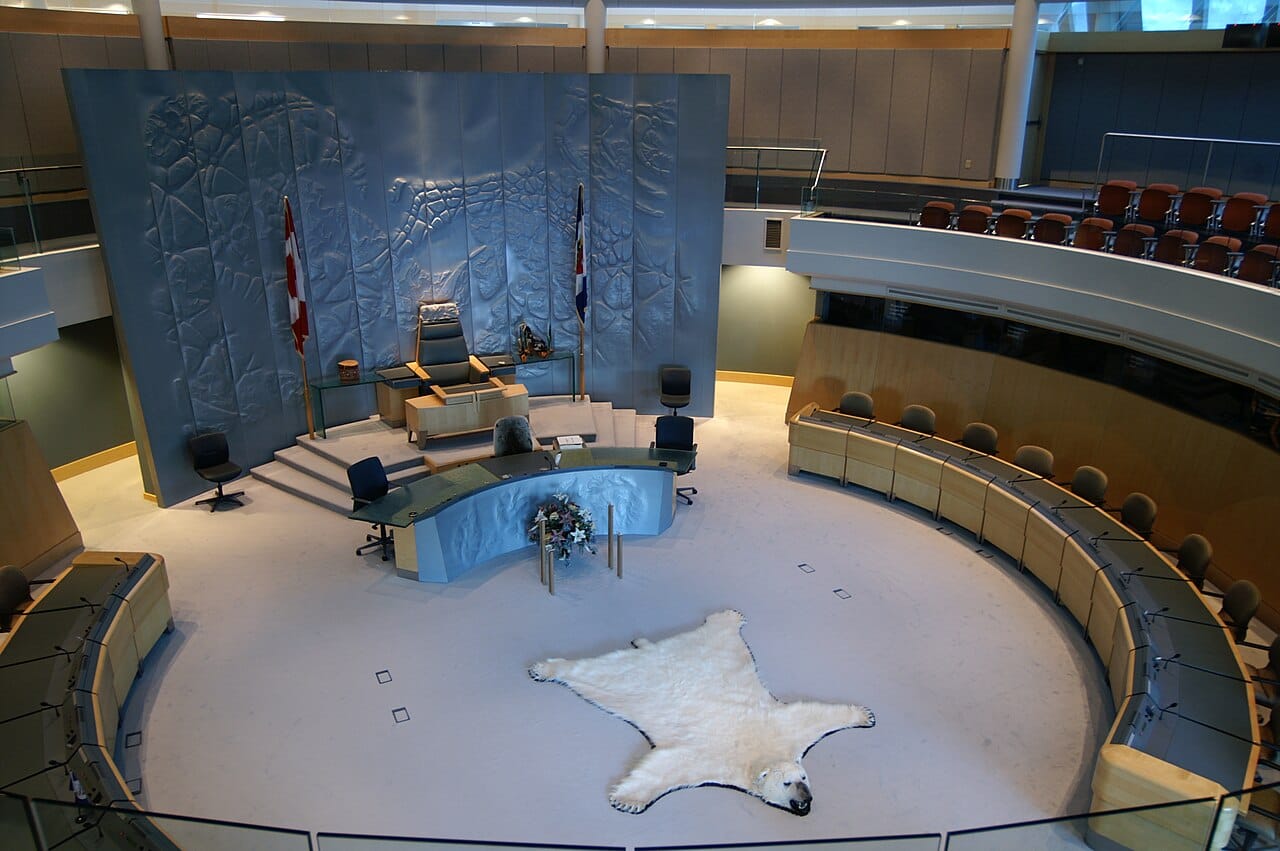
The Northwest Territories is a territory whose powers are delegated by the federal government, and it is governed in an unusual way. Rather than political parties, it uses a system of consensus government, drawn from Indigenous tradition, in which all members of the Legislative Assembly are elected as independents and together choose a premier and cabinet. As of 2026 the premier is R.J. Simpson, and the commissioner, who represents the federal Crown, is Gerald Kisoun. Settling Indigenous land claims and self-government agreements is central to the territory's political life.

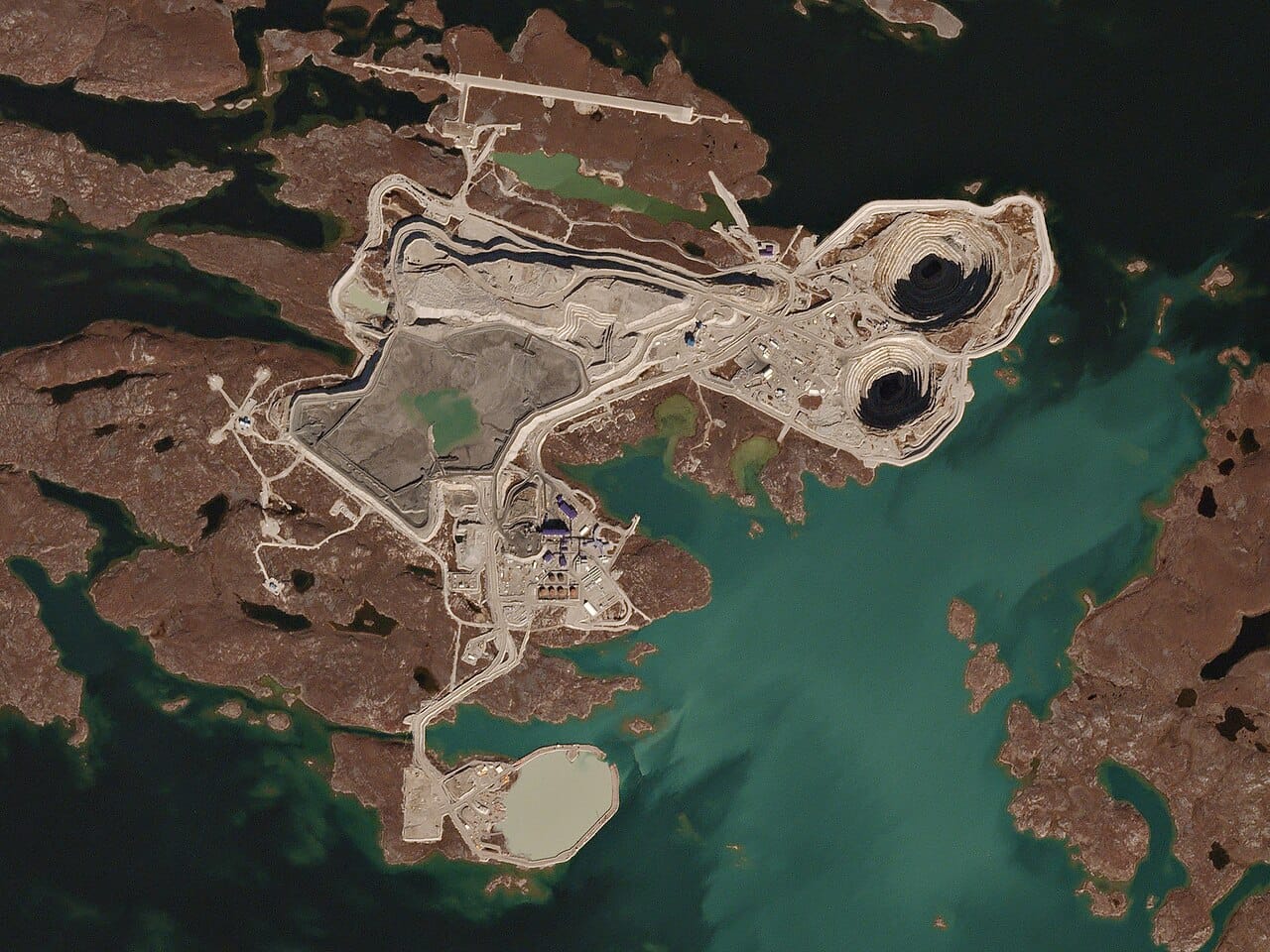
The modern economy of the Northwest Territories is built above all on diamonds. The discovery of rich deposits in the 1990s made Canada a major diamond producer almost overnight, and the great mines of the tundra north of Yellowknife are the mainstay of the territory's wealth. Alongside them are other minerals and oil and gas, a traditional Indigenous economy of hunting and trapping, and a growing tourism industry drawn by the wilderness and the northern lights. The high cost of living and reaching remote communities is a constant challenge.
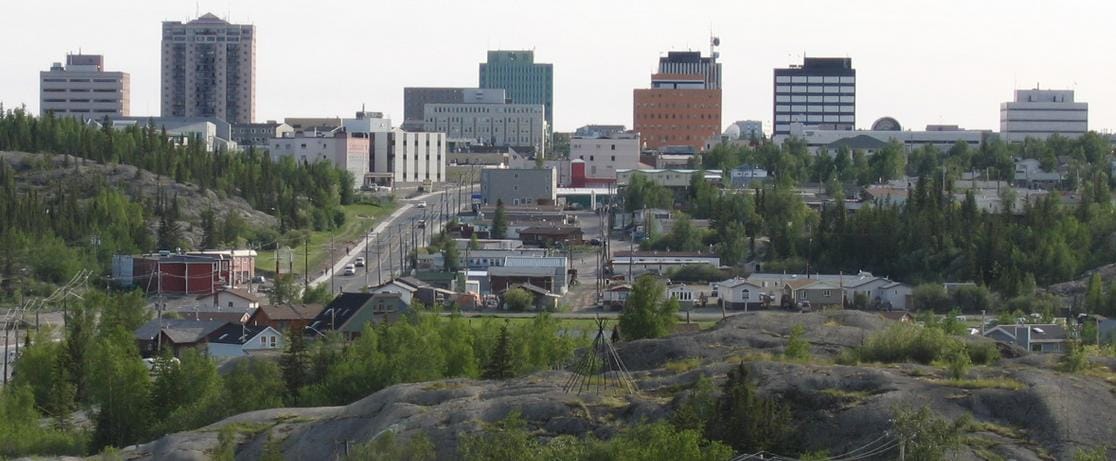
The Northwest Territories has a population of around 45,000 people, about half of them Indigenous, scattered across a huge area in a few dozen communities. Nearly half live in the capital, Yellowknife, on the shore of Great Slave Lake, while the rest inhabit small towns and villages along the rivers and the Arctic coast, many reachable only by air or by winter ice roads. It is a young, diverse, and deeply northern society, in which Indigenous cultures and languages remain a living presence.