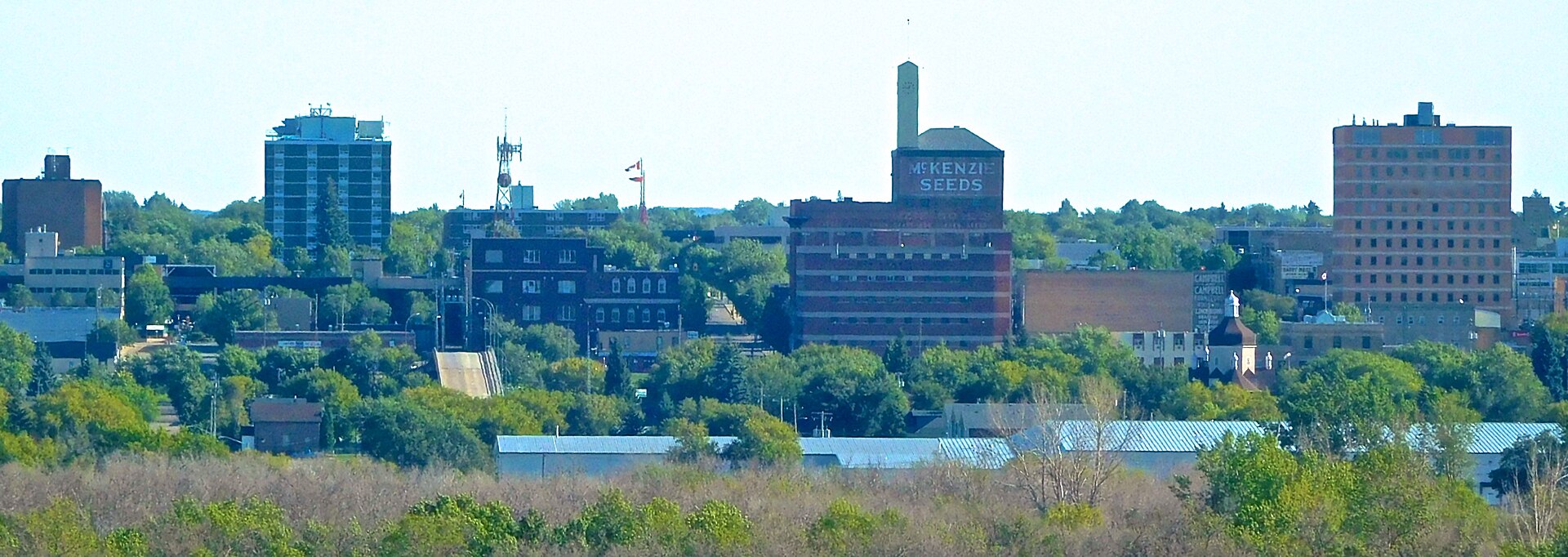
Brandon is the second-largest city in the Canadian province of Manitoba, set on the Assiniboine River in the southwest of the province, about two hundred kilometres west of the capital, Winnipeg. Long known as the Wheat City for its place at the centre of a rich grain-farming region, it grew up with the railway in the 1880s and remains the commercial, agricultural, educational, and health-care hub for much of southwestern Manitoba. With a population of around fifty thousand, it is a compact prairie city with a well-preserved heritage core.
Brandon's story is a classic of the Canadian prairies: an instant city created almost overnight by the railway, which boomed as a grain-trading centre and settled into its enduring role as the capital of southwestern Manitoba.
The area had long been a crossing of the Assiniboine River and the site of an old Hudson's Bay Company fur post, Brandon House, from which the city takes its name. The modern city was founded in 1881, when the Canadian Pacific Railway chose the spot for a divisional point, and it grew so quickly that it was incorporated as a city in 1882, only a year later.
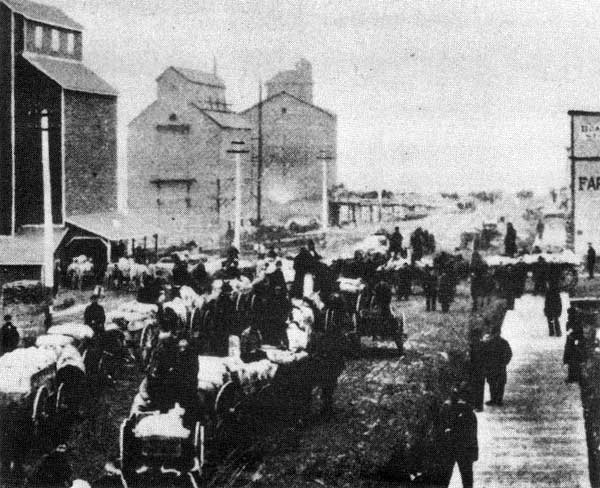
As the railway opened the surrounding plains to settlement, Brandon became a bustling market and shipping point for the wheat pouring off the new farms, and it grew into one of the most important towns of the Canadian west. Its early confidence was crowned in 1913, when it hosted the Dominion Exhibition, a national fair that showcased the agricultural bounty of the prairies.
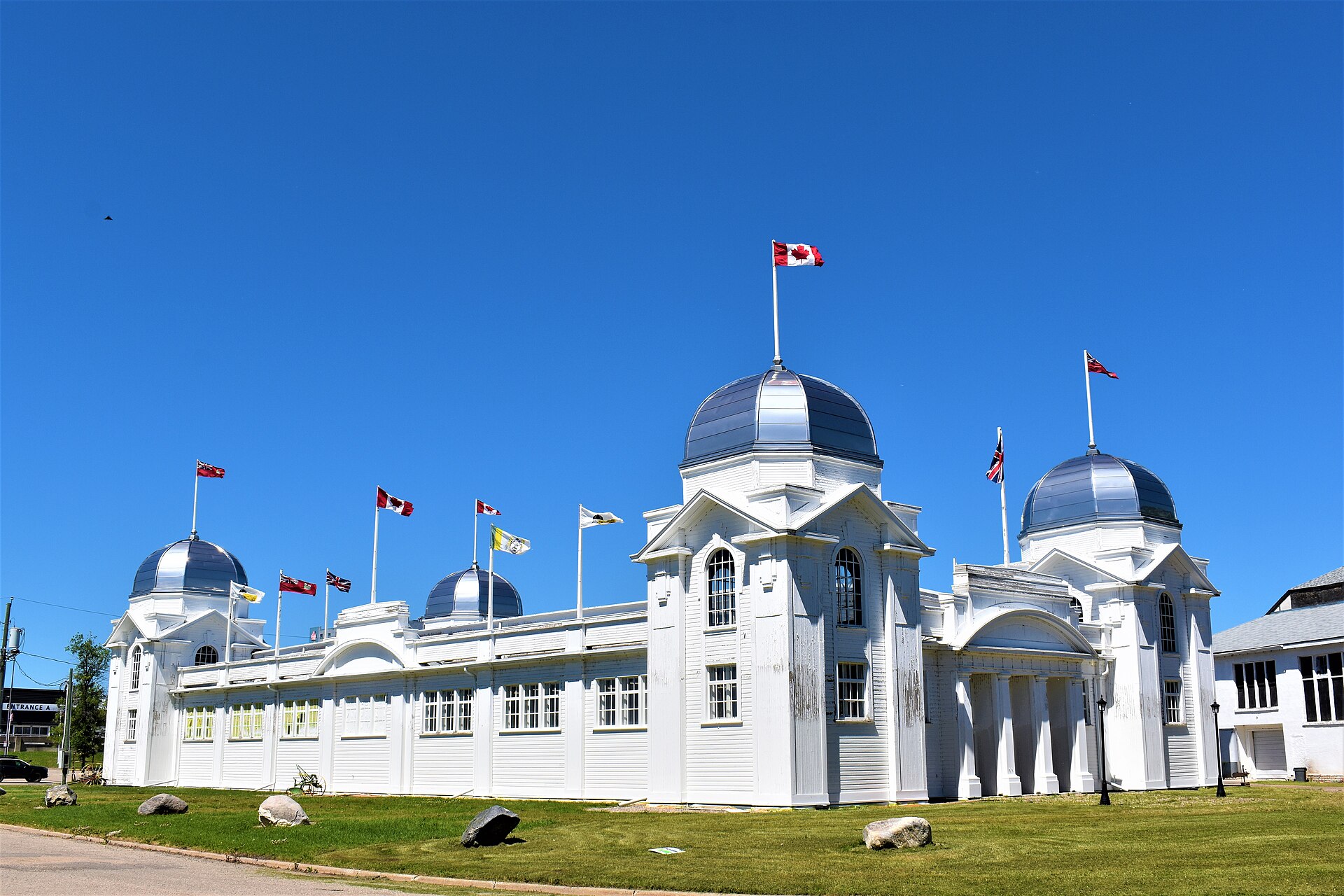
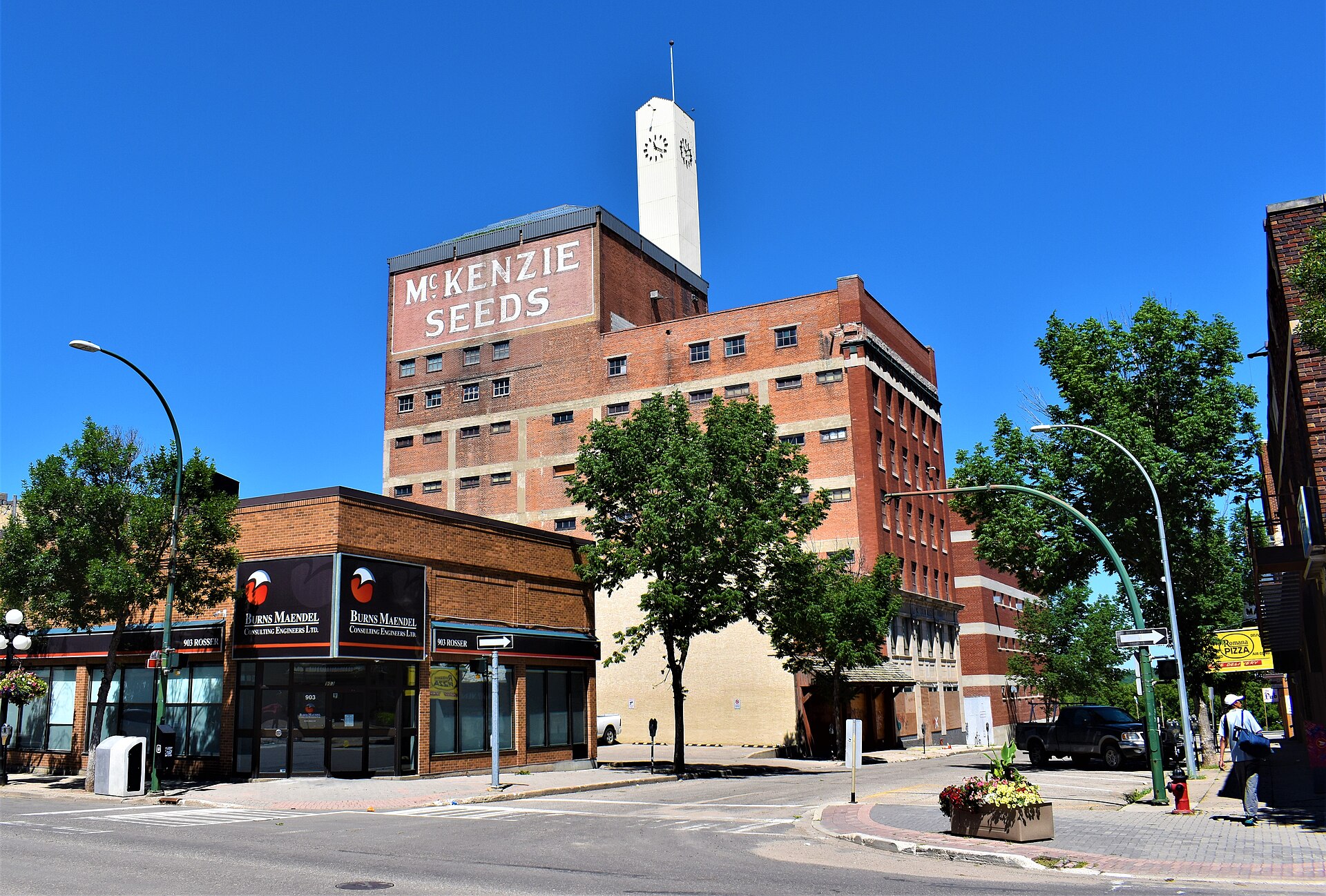
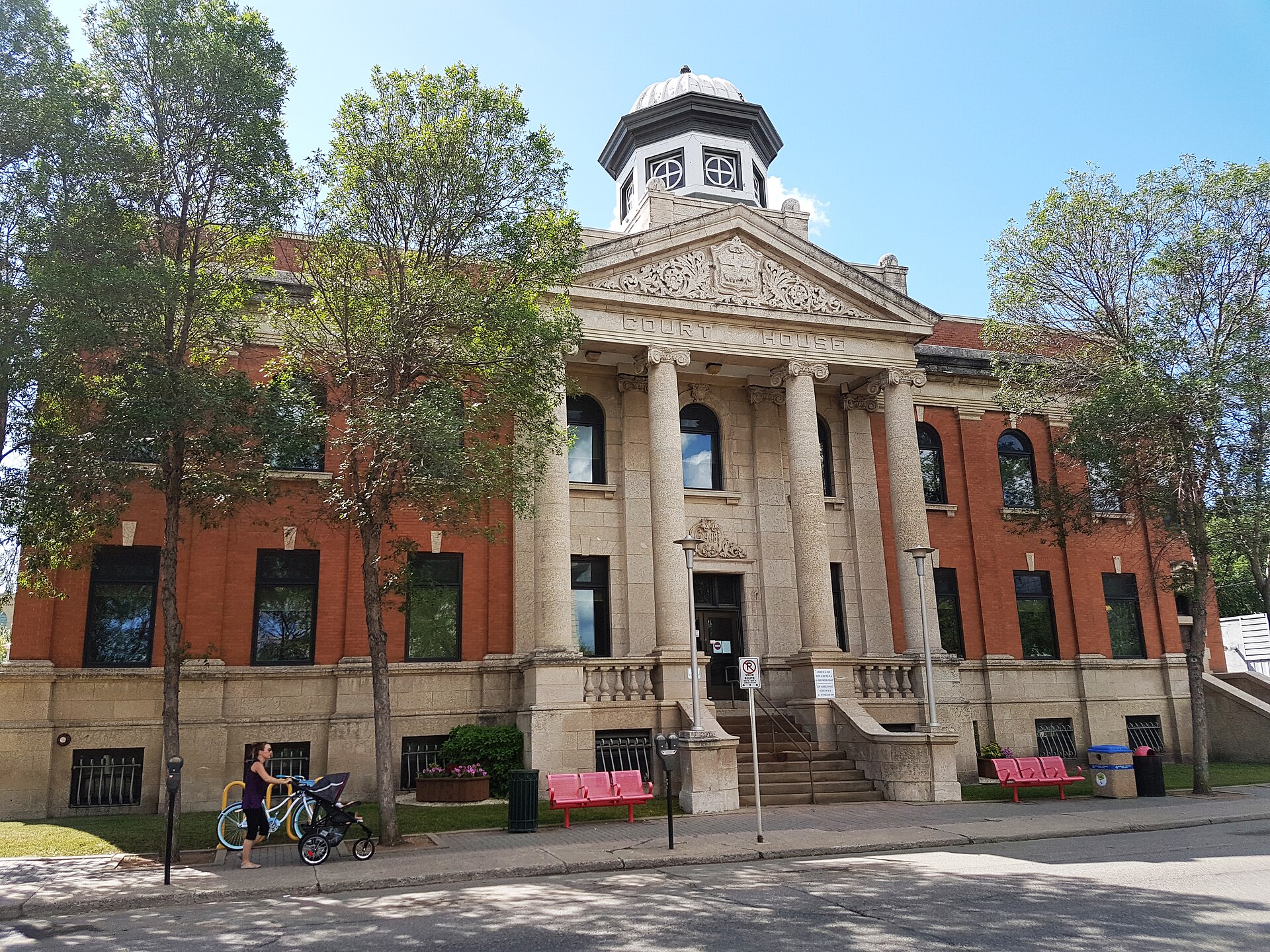
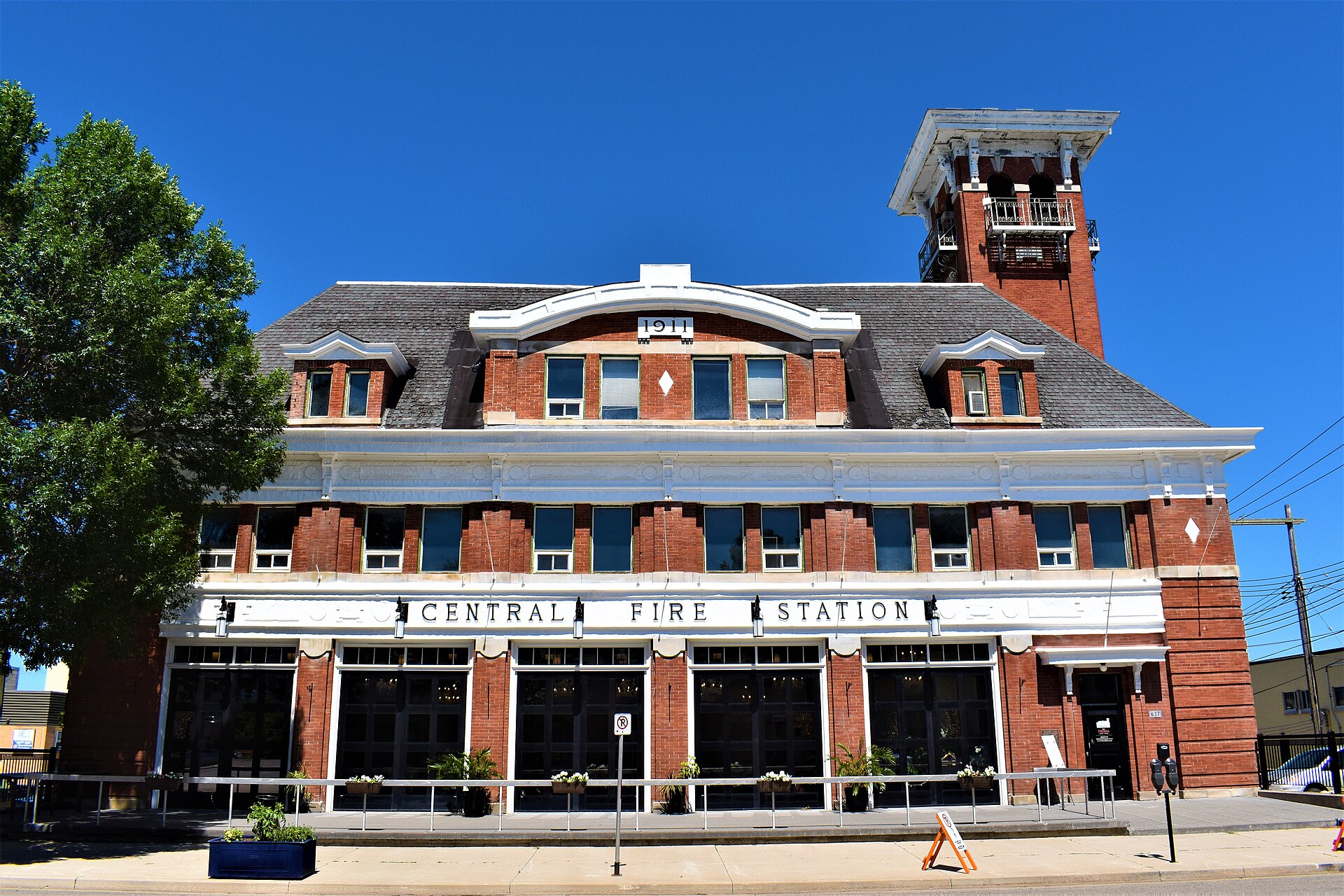
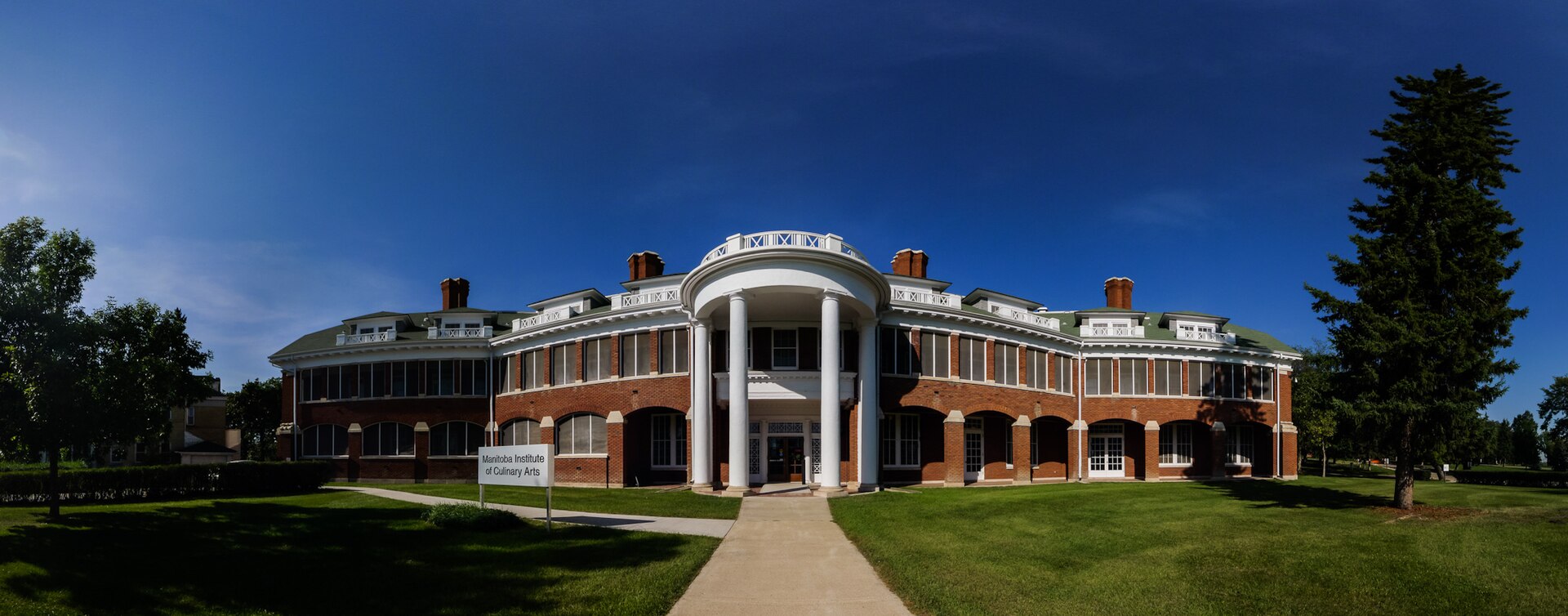
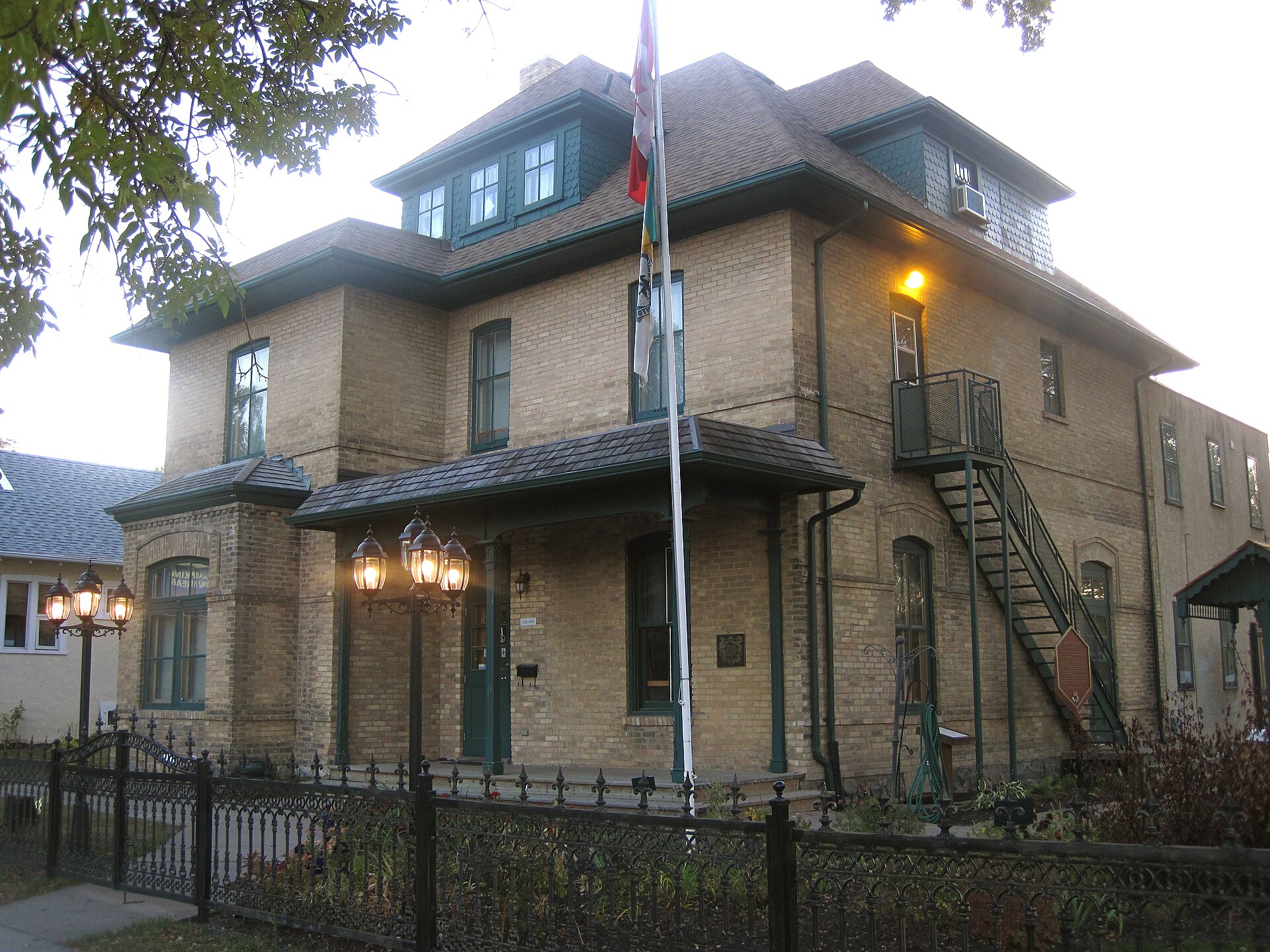
Brandon's prosperous early decades left it a wealth of handsome public and commercial buildings, many of which still line its central streets. This heritage core, built in stone and brick in the styles of the early twentieth century, gives the prairie city a dignified character and a strong sense of its own past.
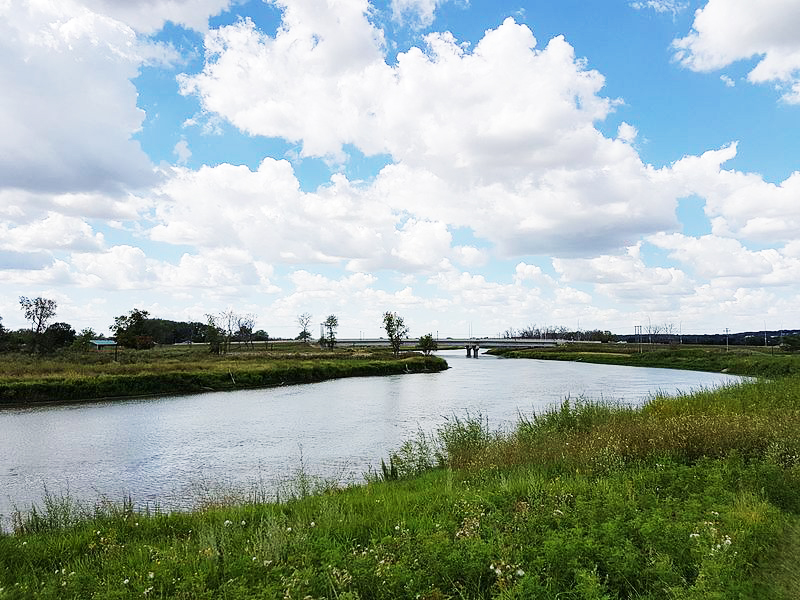
Brandon lies in the valley of the Assiniboine River, which winds through the city and gives it a green ribbon of parks and riverbank trails amid the surrounding farmland. The land around is gently rolling prairie, some of the most productive farming country in Manitoba, broken to the south by the Brandon Hills. Like much of the region, the city has a harsh continental climate of long, cold winters and warm summers, and the river has brought serious flooding in some years.
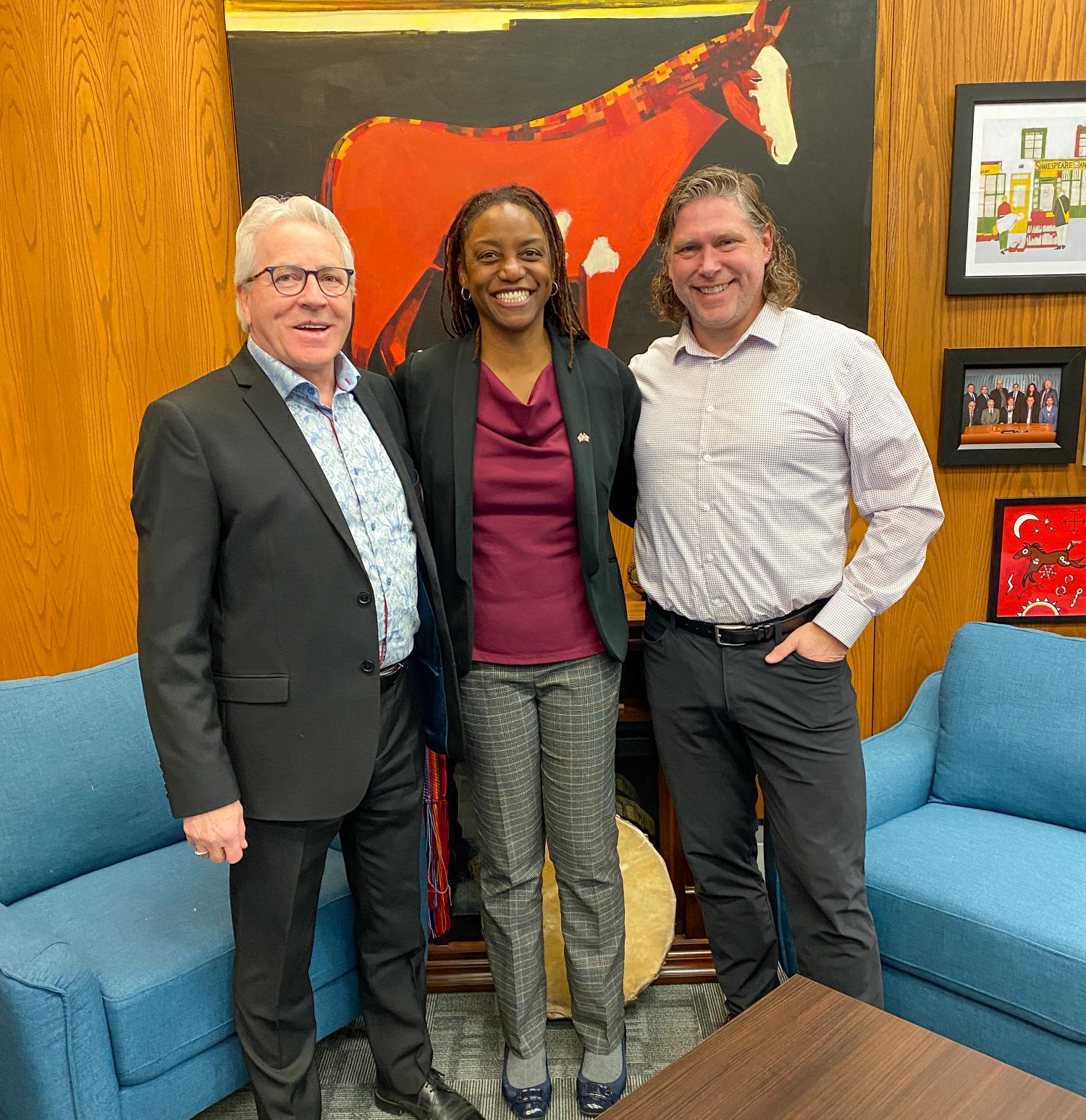
Brandon is governed by a mayor and a city council elected by its residents, responsible for local services across the city. As of 2026 the mayor is Jeff Fawcett, elected in 2022, with the next municipal election due later in the year. As Manitoba's second city, Brandon is also an important political centre, sending members to the provincial legislature and anchoring the federal district of Brandon and the surrounding countryside.
Brandon's economy is rooted in the rich farmland around it, and agriculture and food processing remain central, including one of the largest pork-processing plants in Canada, a major local employer, along with fertilizer and other agribusiness. Beyond farming, the city is the health-care hub for a wide region, centred on the Brandon Regional Health Centre, and a centre for education, retail, and services drawing on the towns and farms of southwestern Manitoba. This broad base has given Brandon steady, if modest, growth.
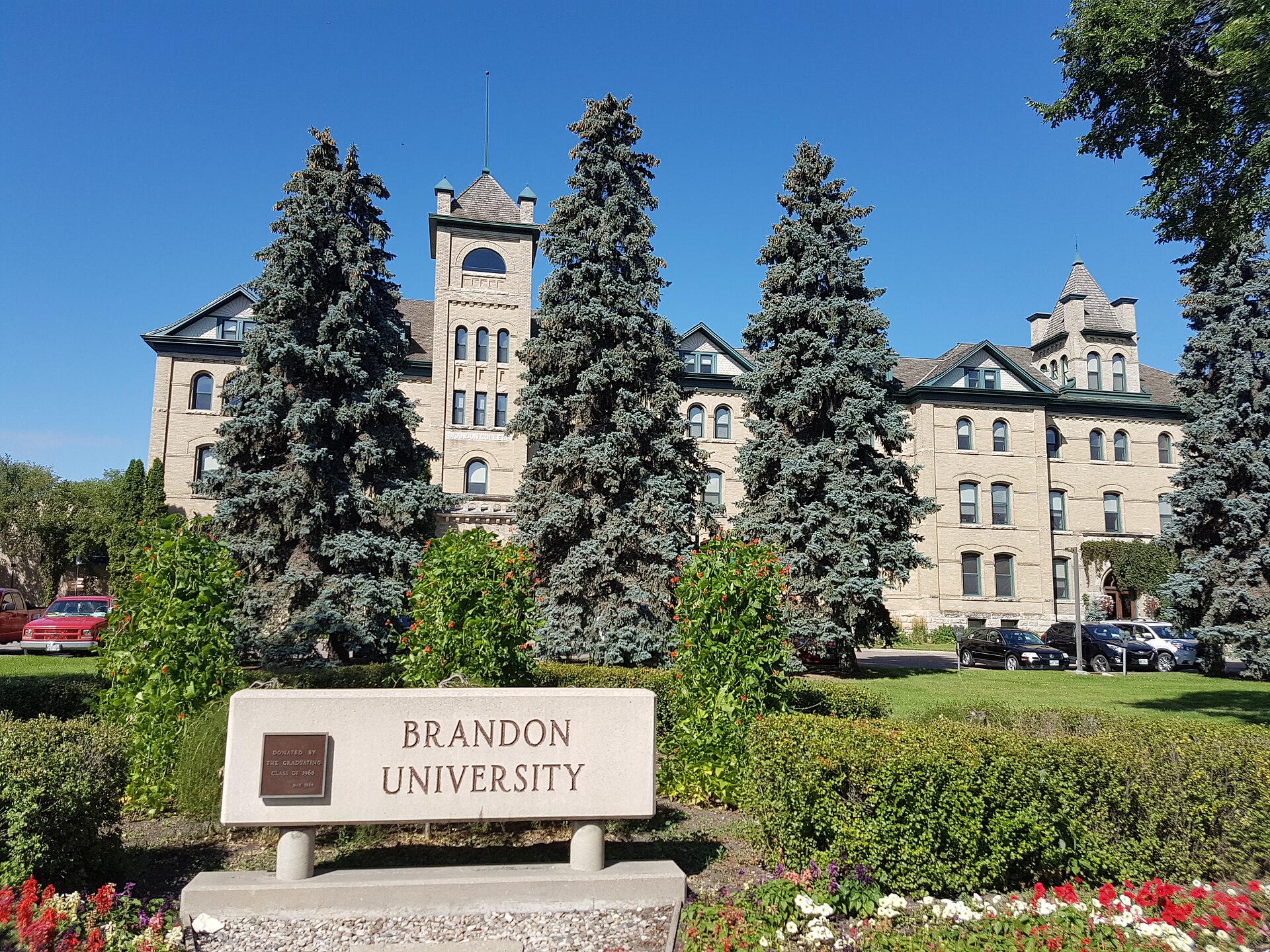
Brandon is a notable centre of learning for western Manitoba. Brandon University grew out of Brandon College, founded in 1899, and became a full university in 1967, especially renowned for its school of music. Assiniboine Community College, one of the province's main colleges, trains students in trades, agriculture, business, and health care, together making the city a magnet for young people from across the region.
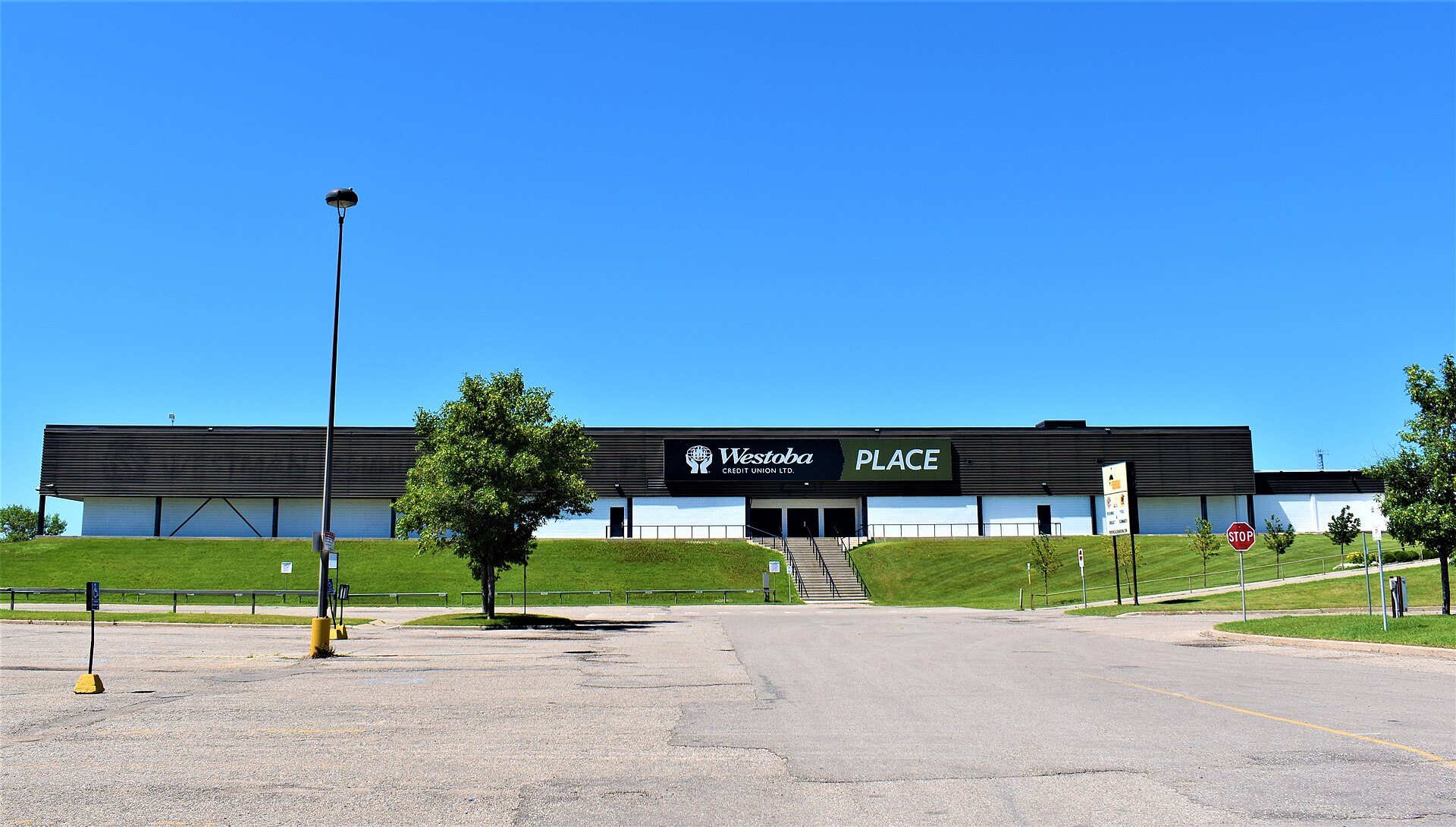
For its size, Brandon has a lively cultural and community life, built around its river parks, its heritage streets, and a busy calendar of events. It is above all a fair and festival city: it hosts the Royal Manitoba Winter Fair each spring and the huge Manitoba Ag Days farm show in winter, both reflecting the region's deep agricultural roots, and it is home to the Brandon Wheat Kings junior hockey team, a source of local pride.
Brandon has a population of around fifty thousand people, making it Manitoba's second-largest city, though far smaller than Winnipeg. Long a destination for newcomers, the city has grown more diverse in recent years, drawing immigrants from around the world to work in its farms, food plants, and services, alongside a significant Indigenous population. It remains the unmistakable urban heart of southwestern Manitoba, serving a wide hinterland of farming communities that look to it for work, shopping, health care, and education.