Uruguay is a small country in southeastern South America, lying on the Atlantic coast between its two giant neighbours, Brazil and Argentina. The second smallest nation on the continent, it is a land of gently rolling grassy plains, ideal for the cattle and sheep that have long been the foundation of its economy and its gaucho heritage. Known for its political stability, its strong democratic traditions, and one of the most secular and socially progressive societies in Latin America, Uruguay enjoys a high standard of living and a reputation as one of the region's most peaceful and well-governed nations.
Uruguay exists because two empires, and then two large republics, could not agree on who should own the grasslands between them. Its history is that of a borderland that turned itself into a country, and then into one of the most unusual states in the Americas.
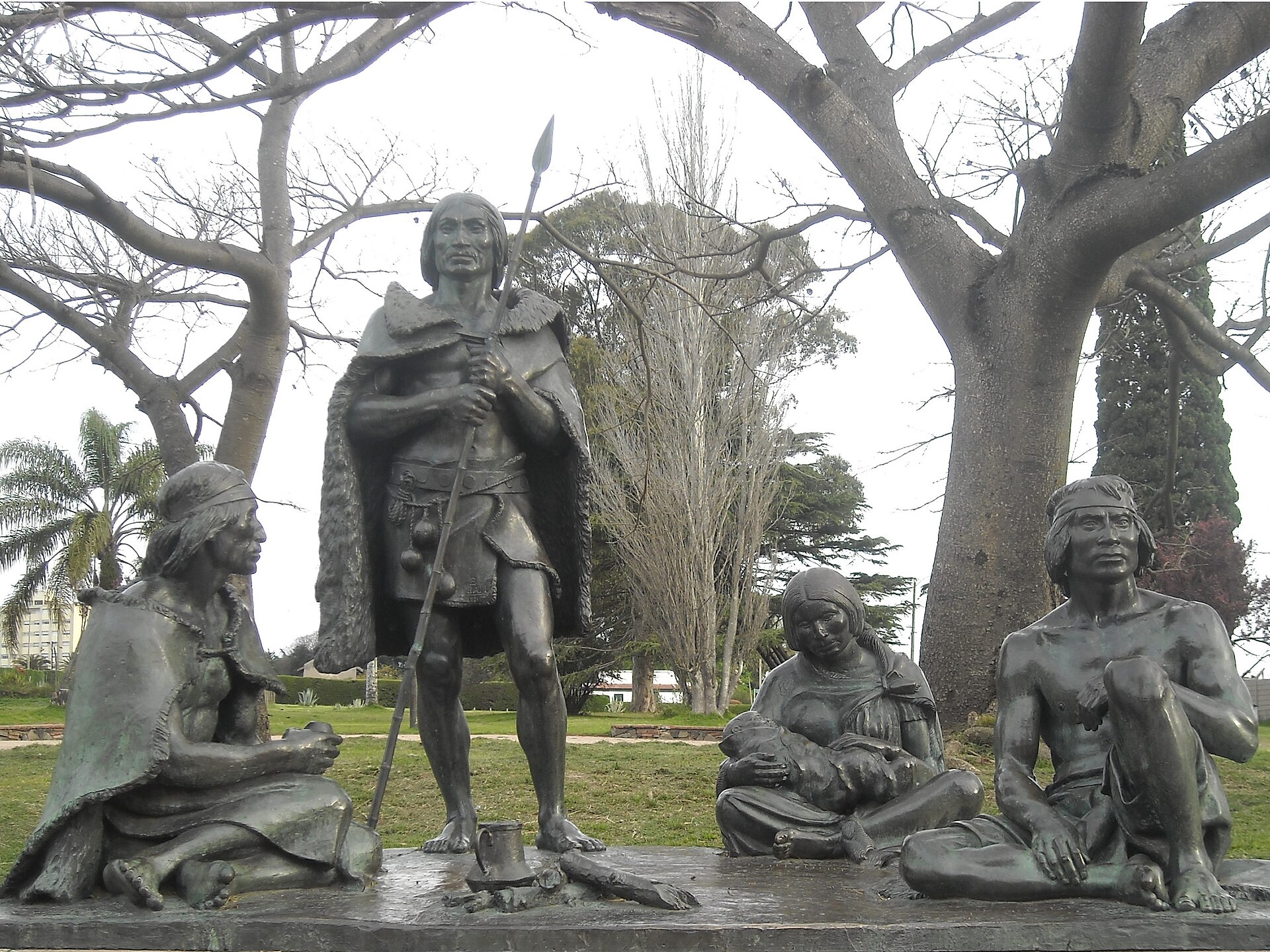
Before Europeans came, the grasslands east of the Uruguay River were the country of the Charrúa and of neighbouring peoples such as the Minuán and Guaraní, hunters of the plains who acquired horses from the Spanish and used them to resist encroachment for the better part of three centuries. The Spanish called the territory the Banda Oriental, the eastern bank, and largely ignored it until cattle turned loose on the pastures multiplied into vast wild herds worth coming for. The resistance ended brutally. In 1831, four years after independence, the new republic's own first president ordered a campaign against the Charrúa that culminated in the killing at Salsipuedes, and the survivors were dispersed or enslaved. Four were shipped to Paris in 1833 and exhibited to the public as curiosities, where they died. Uruguay's indigenous population was effectively destroyed by the state it now lives in, a fact the country has only relatively recently begun to confront openly.
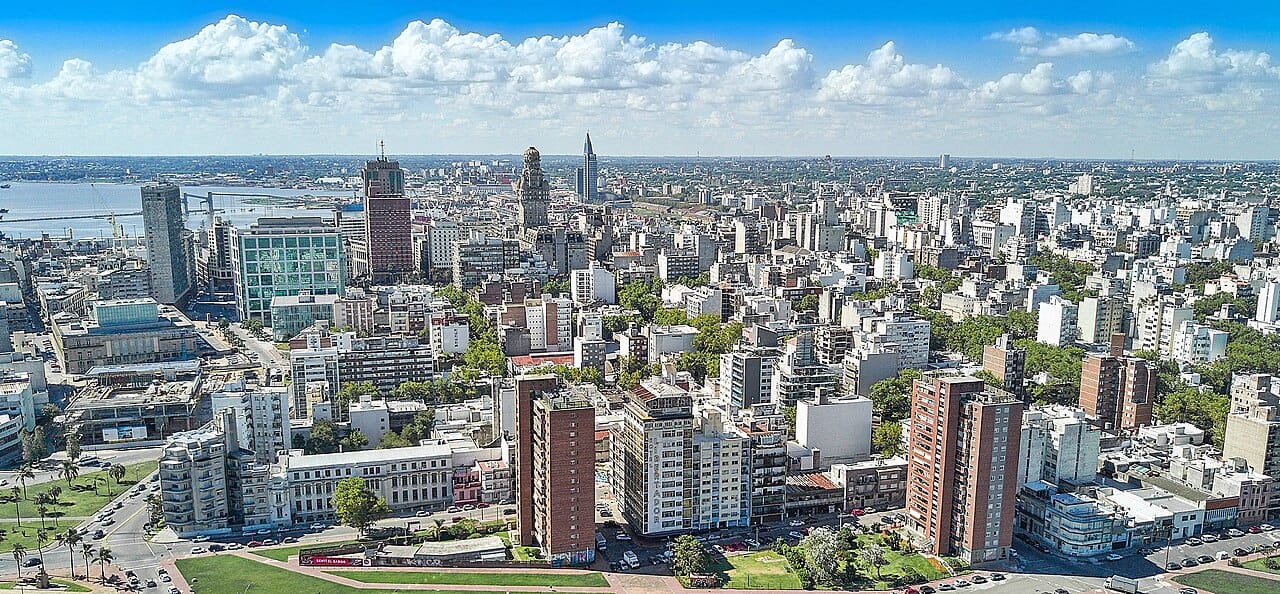
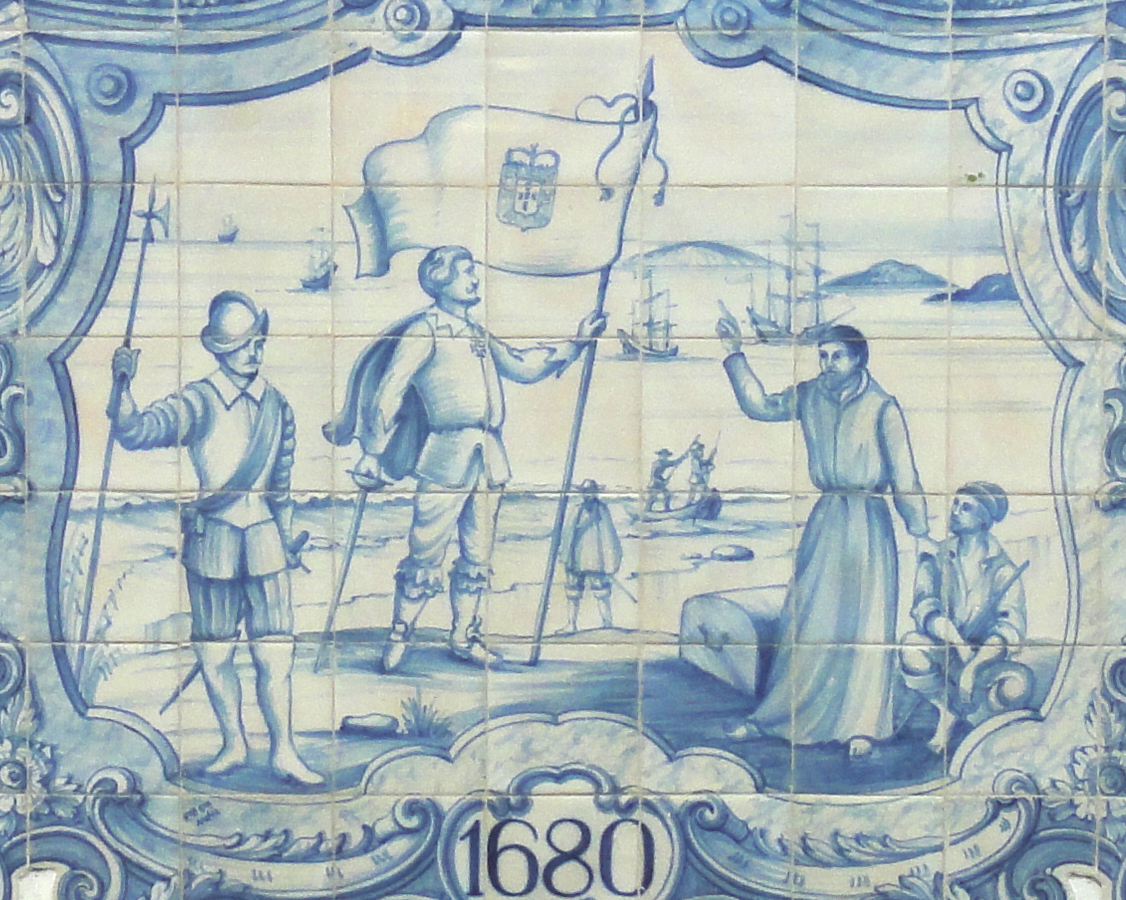
The Banda Oriental sat exactly on the fault line between Spanish and Portuguese America, and both powers wanted the estuary of the Río de la Plata. In 1680 the Portuguese founded Colonia del Sacramento directly across the water from Buenos Aires, and the town changed hands repeatedly over the following century as the two crowns fought, traded, and negotiated for it. Spain answered by founding Montevideo in the 1720s as a fortified counterweight with a far better harbour. The whole territory was therefore treated as a frontier to be won rather than a place with interests of its own, a pattern that would repeat when the empires were replaced by Argentina and Brazil.
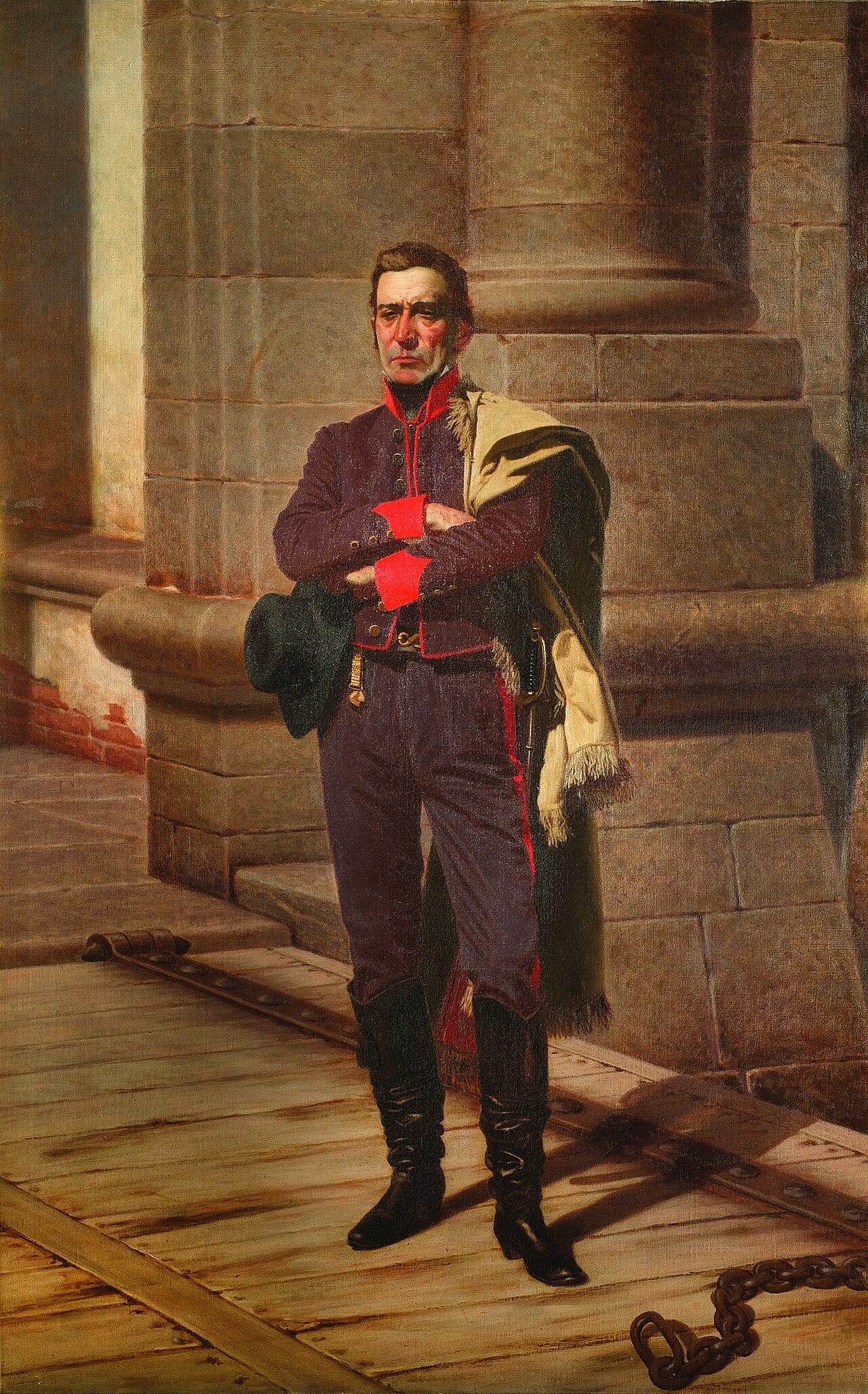
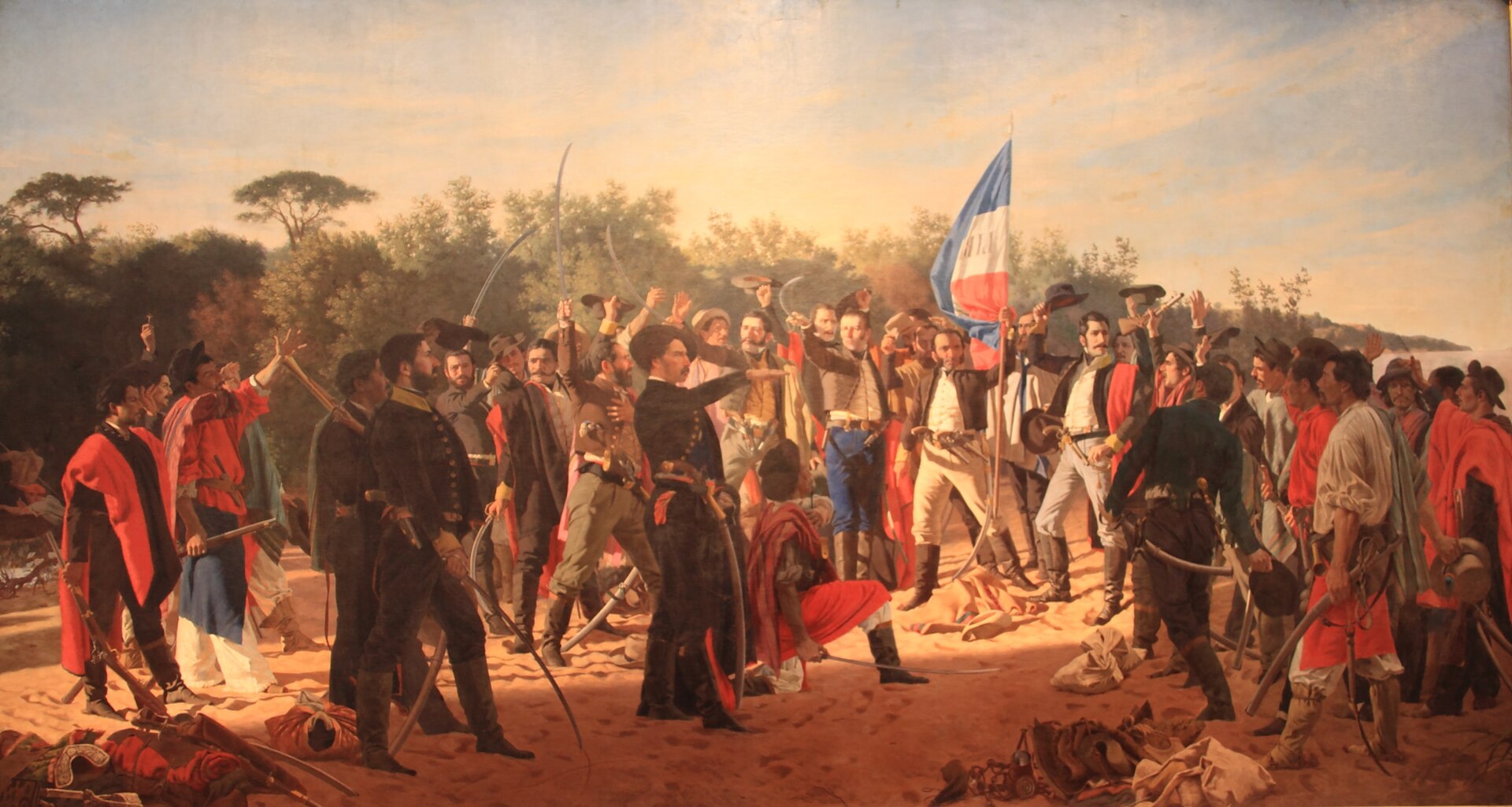
The national hero is José Gervasio Artigas, who led the region's revolt against Spain from 1811 and then, crucially, against the centralising ambitions of Buenos Aires. He argued for a federal league of autonomous provinces and carried out an early and radical land reform that distributed estates to the poor, to freed people, and to the indigenous. Defeated by a Portuguese invasion from Brazil in 1820, he went into exile in Paraguay and never returned, but his federalism became the founding idea of the country. In 1825 a band of exiles known as the Thirty-Three Orientals, led by Juan Antonio Lavalleja, crossed the river from Argentine territory to raise a fresh revolt, and their victory at Sarandí that October brought the province of Buenos Aires into a war with Brazil over the territory. Neither could win it. British mediation produced a settlement in 1828 in which both renounced their claims and the Banda Oriental became a separate state, precisely so that neither neighbour would hold the estuary. Its first constitution was sworn in 1830.
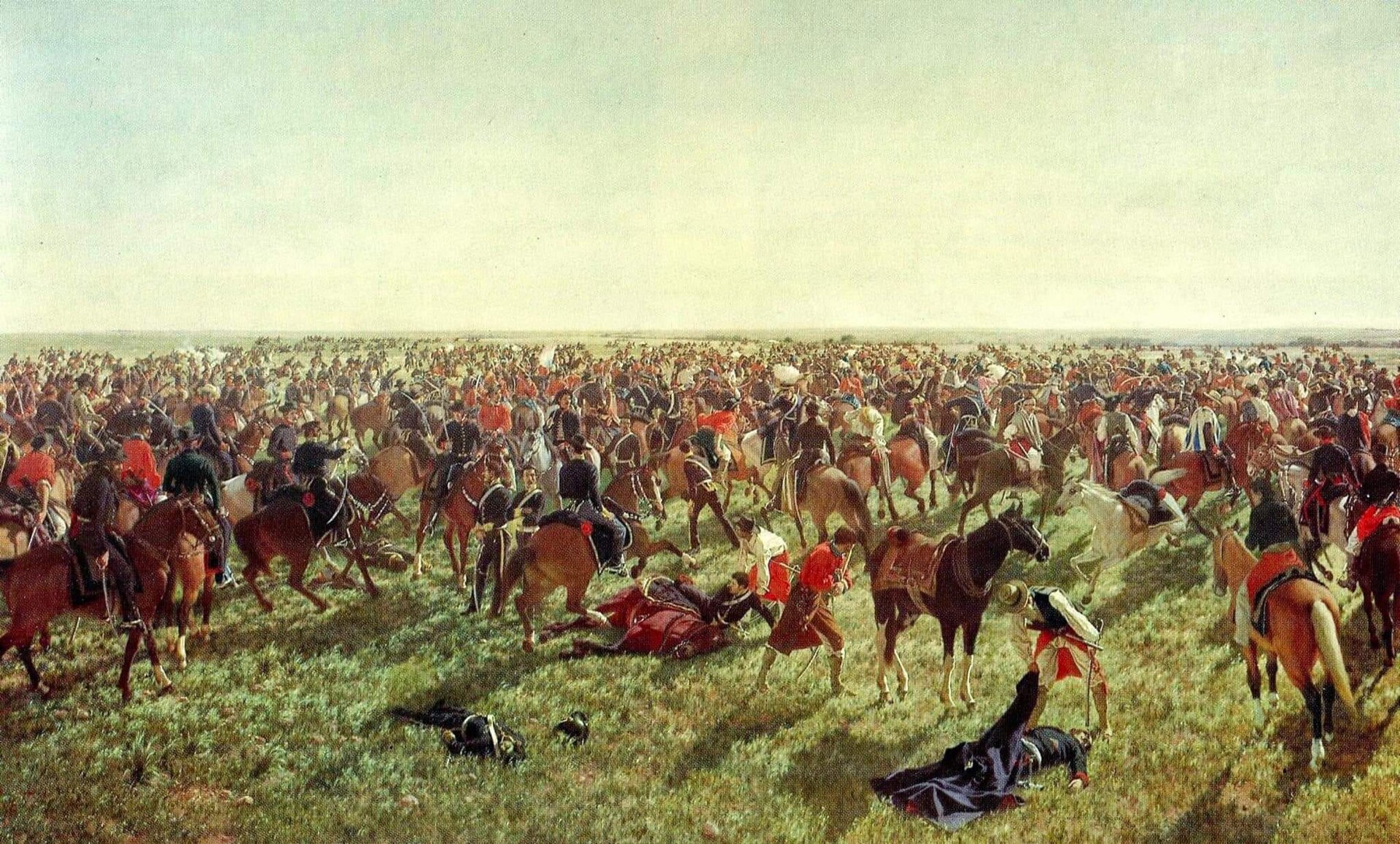
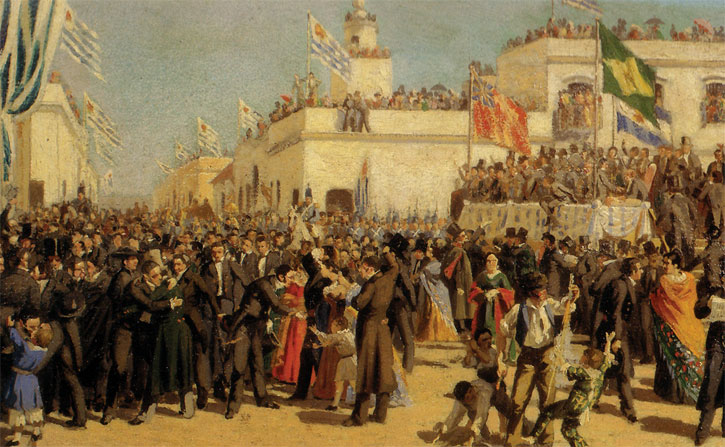
The nineteenth century was consumed by civil wars between two factions, the Colorados and the Blancos, whose rivalry hardened into the party system that still exists. The transformation came with José Batlle y Ordóñez, president twice between 1903 and 1915, who used the state to build something no other country in the region had. Under him and his successors Uruguay introduced the eight-hour working day, a broad pension and welfare system, free secular education, the legalisation of divorce at a woman's request, the abolition of the death penalty, and a firm separation of church and state so thorough that Holy Week was renamed Tourism Week and Christmas Day became Family Day, names still in official use. For decades the country was called the Switzerland of South America, prosperous on wool and beef exports and unusually equal.
The model frayed after the Second World War as export markets weakened. Economic stagnation in the 1960s produced a left-wing urban guerrilla movement, the Tupamaros, and the state's response steadily militarised until the armed forces took power outright in 1973. The dictatorship lasted until 1985 and, though its death toll was lower than Argentina's or Chile's, it imprisoned and tortured on an extraordinary scale, at one point holding one of the highest proportions of political prisoners in the world, and several hundred people were disappeared. Democracy returned by negotiation in 1985. In 1989 and again in 2009 Uruguayans voted in referendums to keep a law shielding the security forces from prosecution, decisions that remain among the most painful in the country's public life, though courts have since allowed some cases to proceed.
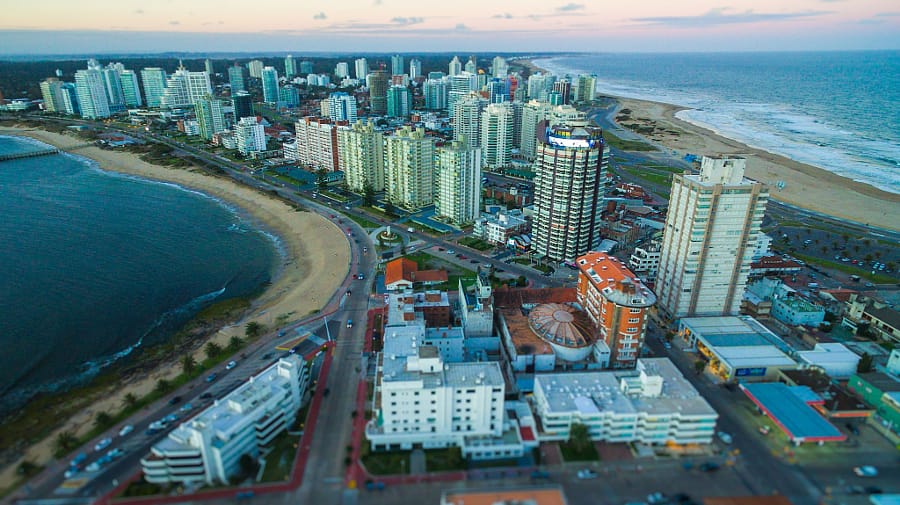
Uruguay is a country of gently rolling plains and low hills, covered largely by fertile grassland, without high mountains or dramatic relief; its highest point reaches barely 500 metres. It is well watered by numerous rivers, including the great Uruguay River along its western border and the broad estuary of the Río de la Plata to the south, on which the capital sits, while a long Atlantic coastline of beaches stretches east toward Brazil. Almost the entire country is usable land, which is rare, and the temperate climate with rain spread evenly through the year has made it ideal for raising cattle and sheep. The eastern wetlands and lagoons are important for migratory birds, and the coastal resorts, above all Punta del Este, draw large numbers of Argentine and Brazilian visitors each summer. Having no mountains, no desert, and no jungle, Uruguay is also the only South American country lying wholly outside the tropics.
Uruguay is a presidential republic with a two-chamber parliament, and it consistently ranks at or near the top of Latin America on measures of democracy, press freedom, and freedom from corruption, comparing well with much wealthier countries. Voting is compulsory. Politics is contested between the two nineteenth-century parties, the Colorados and the Blancos, and the Frente Amplio, a broad left coalition that first won national power in 2004. What distinguishes the country is less who wins than how the losing side behaves: power has changed hands repeatedly and without drama since 1985, and major changes are frequently put to referendum, an instrument Uruguayans use often and take seriously.
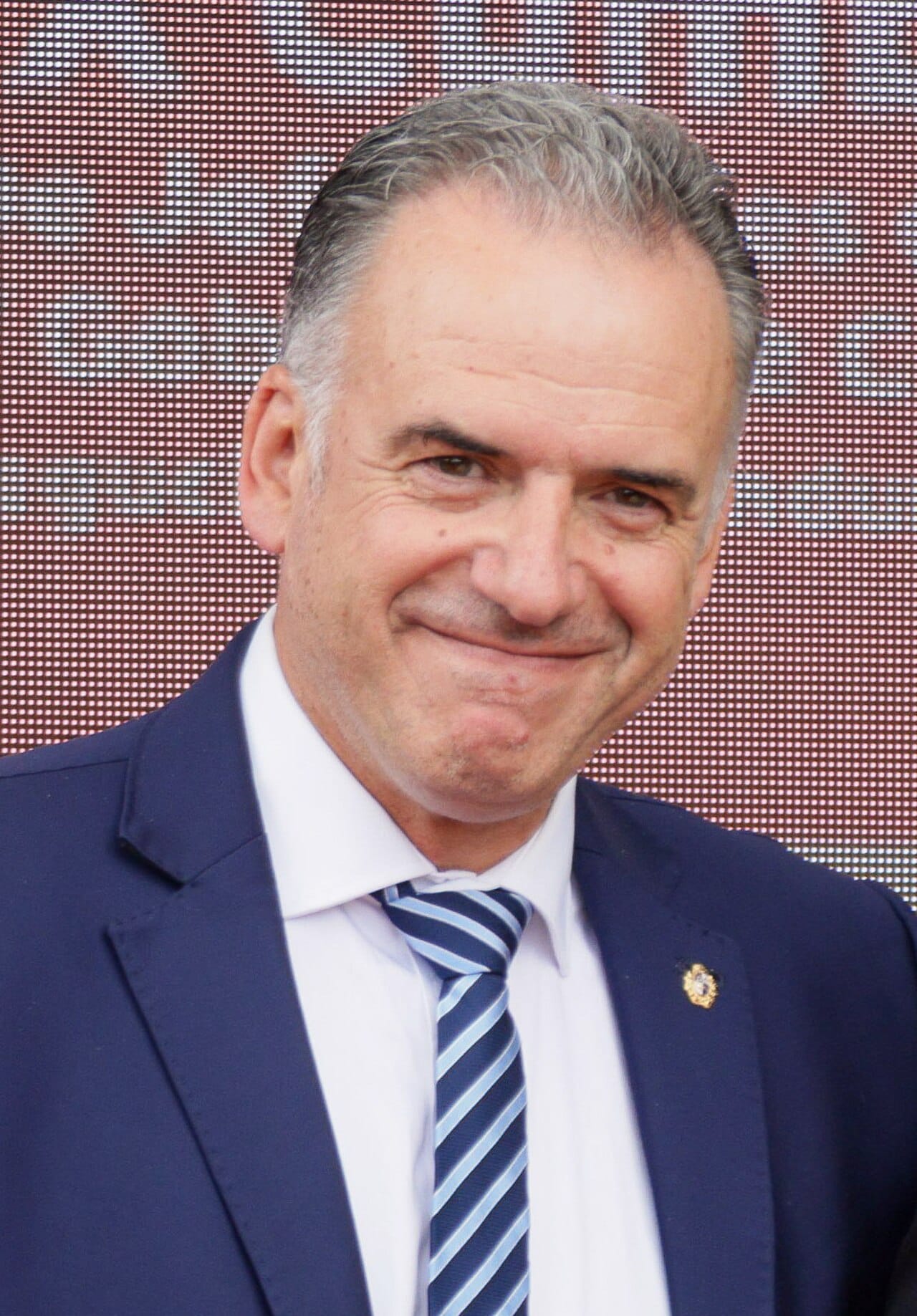
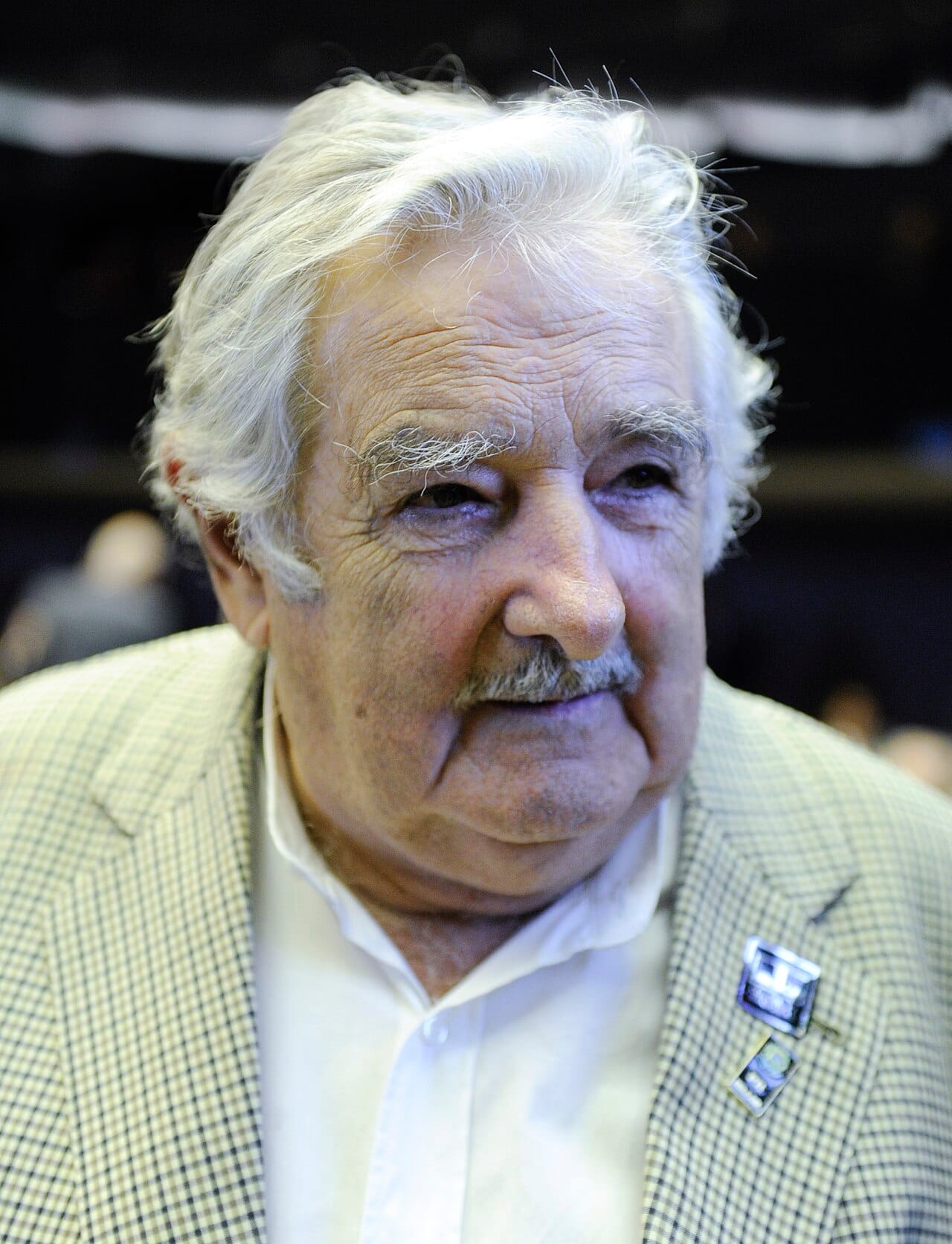
The president since March 2025 is Yamandú Orsi of the Frente Amplio, a former history teacher and departmental mayor who won the runoff of November 2024, returning the left to office after the centre-right presidency of Luis Lacalle Pou. The country's best known politician internationally was José Mujica, president from 2010 to 2015, a former Tupamaro guerrilla who spent some thirteen years in prison, much of it in solitary confinement, and who as president gave away most of his salary, refused the official residence, and continued to live on a smallholding outside Montevideo and drive an old Volkswagen Beetle. He died in May 2025 at the age of 89, and the crowds that filled the streets of the capital for his funeral were a measure of what he had come to represent.
Uruguay has the highest income per head in South America and the smallest share of its population in poverty, and it is unusual in the region for how evenly that income is spread. Agriculture remains the base: beef, much of it grass-fed and individually traceable from birth by a national system that helped open premium export markets, along with soybeans, rice, dairy, wool, and wine. Forestry and the pulp mills that process it have become a major export in their own right, and a source of long-running argument with Argentina over river pollution and with Uruguayans over water use. Alongside this sits a substantial services economy: banking, tourism, and a software and information technology sector that exports at a scale surprising for a country of three million people.
The most striking achievement is in energy. With no oil, no gas, and no coal, Uruguay rebuilt its electricity system from the late 2000s around wind, solar, hydro, and biomass, and now generates very close to all of its power from renewable sources in a normal year, at times exporting surplus electricity to Argentina and Brazil. It did so in about a decade and without subsidy-driven price rises, which has made it a frequently cited case study. The persistent weaknesses are a large and costly state sector, an economy small enough to be shaken by whatever is happening in Argentina or Brazil, and periodic droughts, one of which in 2023 left Montevideo briefly mixing brackish estuary water into the public supply.

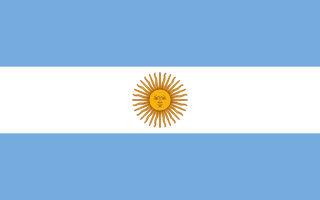
The flag of Uruguay has nine horizontal stripes alternating white and blue, with a white canton in the upper hoist bearing a golden Sun of May with a human face. The nine stripes represent the nine original departments of the country at independence. The Sun of May is a symbol of independence and of the May Revolution shared with neighbouring Argentina, recalling the common struggle against Spanish rule in the region. The blue and white colours and the radiant sun give the flag a clear kinship with that of Argentina, reflecting the shared history of the Rio de la Plata.
Uruguay is the most secular country in Latin America, with a strong tradition of separation between church and state established more than a century ago, and a large share of the population professing no religion, an unusual feature in the region. Among those who are religious, Roman Catholicism, the legacy of Spanish colonisation, is the largest faith, alongside growing Protestant communities and others. The secular character of the state is deeply rooted, and public life and institutions are notably free of religious influence, reflecting the progressive reforms that shaped the modern nation.
Uruguayan cuisine is built above all on beef, fittingly for a great cattle-raising nation, and the asado, a barbecue of meat grilled over wood or coals, is a cherished national ritual and the centrepiece of social life. Beef also features in dishes such as the chivito, a hearty steak sandwich considered a national favourite. Italian and Spanish influences run deep, seen in pasta, pizza, and stews, and the cold or hot herbal drink mate, sipped through a metal straw from a gourd, is a constant companion of daily life, carried everywhere by Uruguayans.
Agriculture, and above all cattle ranching, has been the foundation of Uruguay's economy since colonial times, when herds turned loose on the pastures multiplied into wild droves that were hunted for hides long before anyone fenced them. Cattle still outnumber people by roughly three or four to one. The country exports beef, prized for being grass-fed and, unusually, traceable individually from birth through a compulsory national tagging system, along with soybeans, rice, wheat, dairy, wool from its sheep, and a growing quantity of wine, most of it made from the dark tannat grape that Uruguay has adopted as its own. Planted forestry for pulp has spread widely across the interior since the 1990s. The estancia, the great grassland ranch worked on horseback, remains the central image the country holds of itself, even though most Uruguayans now live in a city and have never worked one.
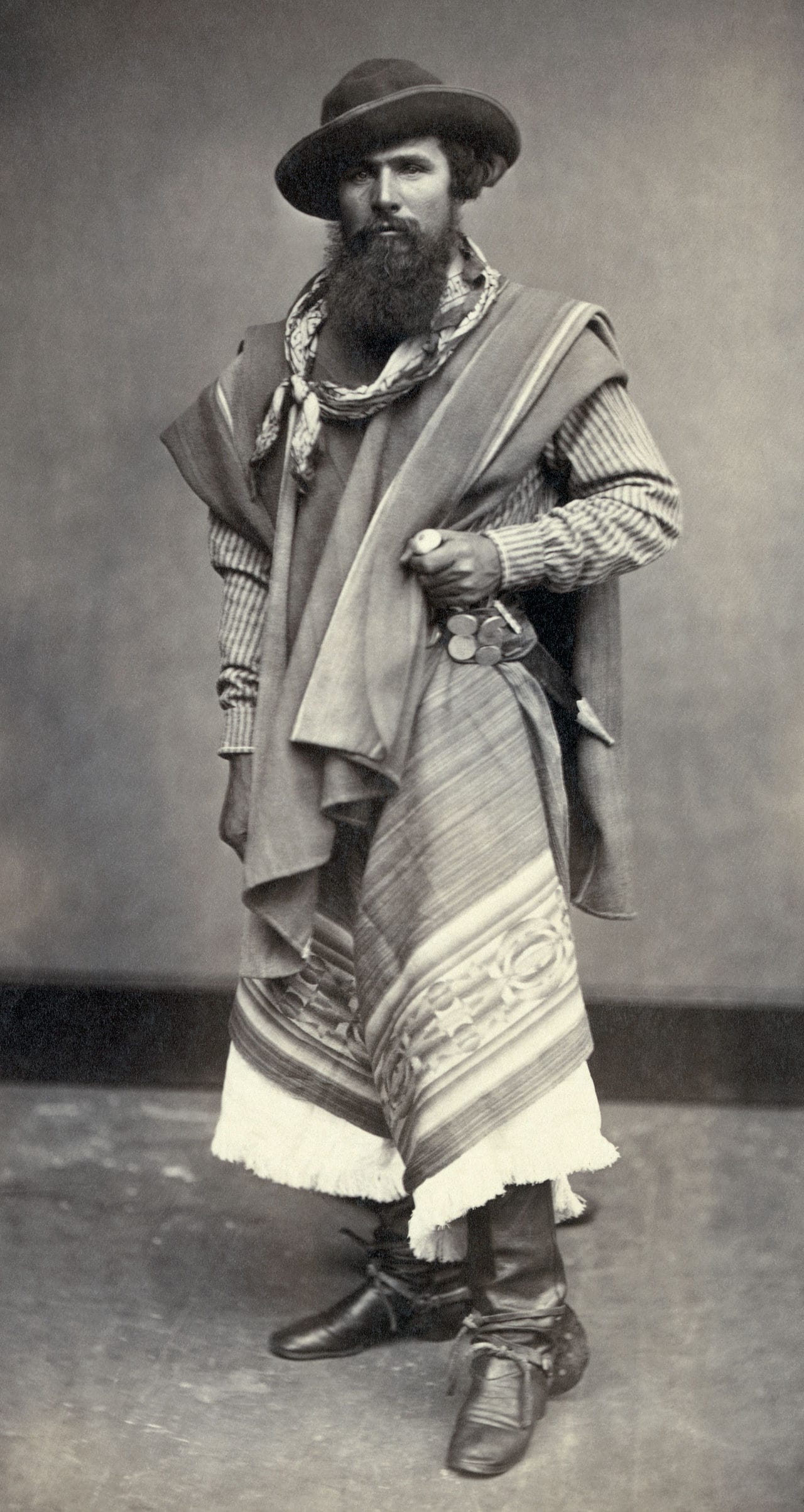
Uruguayan culture is shaped by three things: the grasslands, the river, and the enormous wave of Spanish and Italian migration that remade the population around the turn of the twentieth century. From the plains comes the figure of the gaucho, the horseman of the interior, whose dress, saddlery, and stubborn independence became the national archetype much as they did in Argentina. From all of it comes mate, the bitter infusion of yerba drunk through a metal straw from a shared gourd, which Uruguayans consume at a higher rate per head than anyone in the world and carry through the streets with a thermos under one arm, a habit visitors find remarkable and locals do not notice at all.
Montevideo gave the world candombe, the drumming brought by enslaved Africans and kept alive in the city's neighbourhoods, played on three drums of different pitch and paraded at Carnival, which in Uruguay is the longest in the world, running some forty days. Tango is claimed by both banks of the Río de la Plata, and La Cumparsita, perhaps the most famous tango ever written, was composed in Montevideo. The country has produced writers of international standing, among them Juan Carlos Onetti, Mario Benedetti, and the essayist Eduardo Galeano.
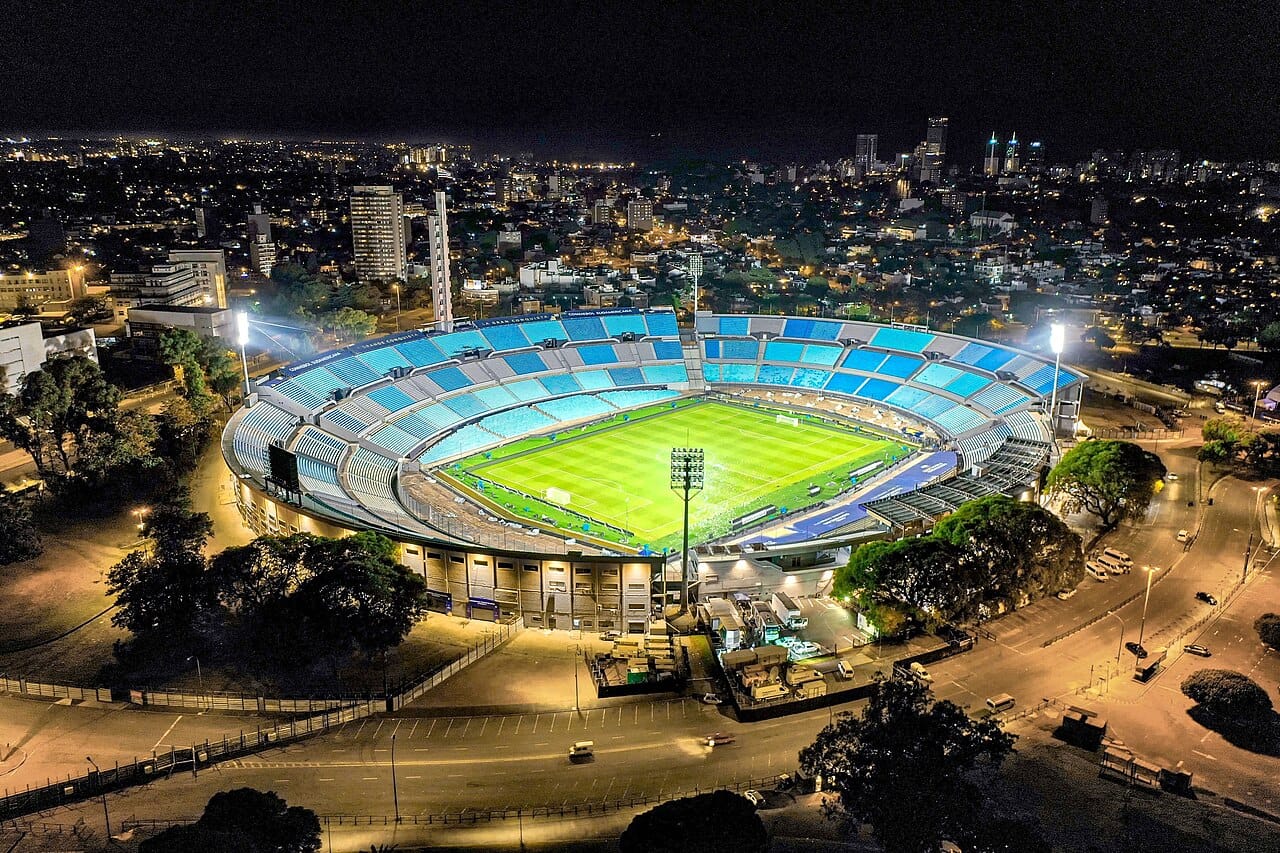
And then there is football, which in Uruguay is not a pastime but a piece of the national self-understanding. A country of a few million people won Olympic gold in 1924 and 1928, hosted and won the first World Cup in 1930 in a stadium built for the purpose, and then won again in 1950 by beating Brazil in the Maracanã in front of two hundred thousand home supporters, a result so shocking it is remembered in Brazil by its own name, the Maracanazo. The four stars on the national shirt commemorate all four. No smaller country has done anything comparable.
Uruguay has spent the last fifteen years legislating on questions most countries avoid, and the results are argued over both at home and abroad. It decriminalised abortion in the first trimester in 2012, legalised same-sex marriage in 2013, and in the same year became the first country in the world to legalise the entire cannabis chain from cultivation to retail sale, with the state regulating production and registered buyers purchasing through pharmacies. In 2025 parliament passed a law permitting euthanasia for mentally competent adults with incurable conditions causing unbearable suffering, making Uruguay the third country in Latin America to do so, and the government issued the regulations bringing it into force the following year.
Supporters present all of this as one coherent idea rather than a list: that the state's business is to regulate what people will do anyway, reduce the harm, and otherwise leave private conscience alone, which is the same secular liberalism that produced the Batlle reforms a century earlier. On cannabis specifically, the stated aim was never libertarian but strategic, to take the market away from traffickers, and the government points to a regulated supply chain where there had been a criminal one.
The objections are serious and come from more than one direction. The Catholic Church and conservative parties opposed the euthanasia and abortion laws on the ground that the state should not participate in ending a life, and disability advocates in several countries have warned that assisted dying can become a path of least resistance where care is inadequate. On cannabis, critics note that the illegal market did not disappear, that registration requirements deterred many buyers, and that Uruguay's homicide rate has risen substantially since the reform, driven by drug gangs contesting the cocaine transit routes that run through its ports, a trade the cannabis law was never designed to touch. Rising crime, in a country whose self-image rests heavily on being the safe and orderly corner of the continent, has become the dominant domestic political issue, and it sits uncomfortably beside the international reputation for enlightened reform.
Uruguay has a population of around 3.4 million, the great majority descended from Spanish and Italian immigrants who arrived in enormous numbers between roughly 1870 and 1930, giving the country a strongly European character unusual even in the southern cone. There is a significant Afro-Uruguayan minority, descended from enslaved people brought through the port of Montevideo and the source of candombe, and almost no surviving indigenous population, though a growing number of Uruguayans identify some Charrúa ancestry. Spanish is the national language, spoken in a distinctive Río de la Plata accent shared with Buenos Aires, and a Portuguese-influenced border dialect is heard along the frontier with Brazil.
The country is among the most urbanised on Earth, with more than nine in ten people living in towns and cities and something close to half the entire population in Montevideo and its surroundings. It is also the oldest population in Latin America, with low birth rates and long life expectancy producing a demographic profile more like southern Europe's than its neighbours', and net emigration of the young has been a persistent concern. Literacy is near universal, and the state distributed a laptop to every schoolchild under the Plan Ceibal begun in 2007, one of the first national programmes of its kind anywhere.