Peru is a country on the western coast of South America, a land of striking extremes: a dry Pacific coastline, the high peaks of the Andes, and a vast share of the Amazon rainforest in the east. It was the heartland of the Inca Empire and of even older civilisations, and that deep Indigenous heritage, layered with Spanish colonial history, gives modern Peru a rich and distinctive culture.
Peru's past runs from some of the oldest cities in the Americas, through the great Inca Empire, to Spanish conquest and a hard-won independence.
The Andes cradled some of the oldest civilisations in the Americas. Caral, in the coastal desert, was among the earliest cities anywhere, and later cultures such as the Moche and the Nazca left behind masterful metalwork, ceramics, and the giant desert drawings known as the Nazca Lines.
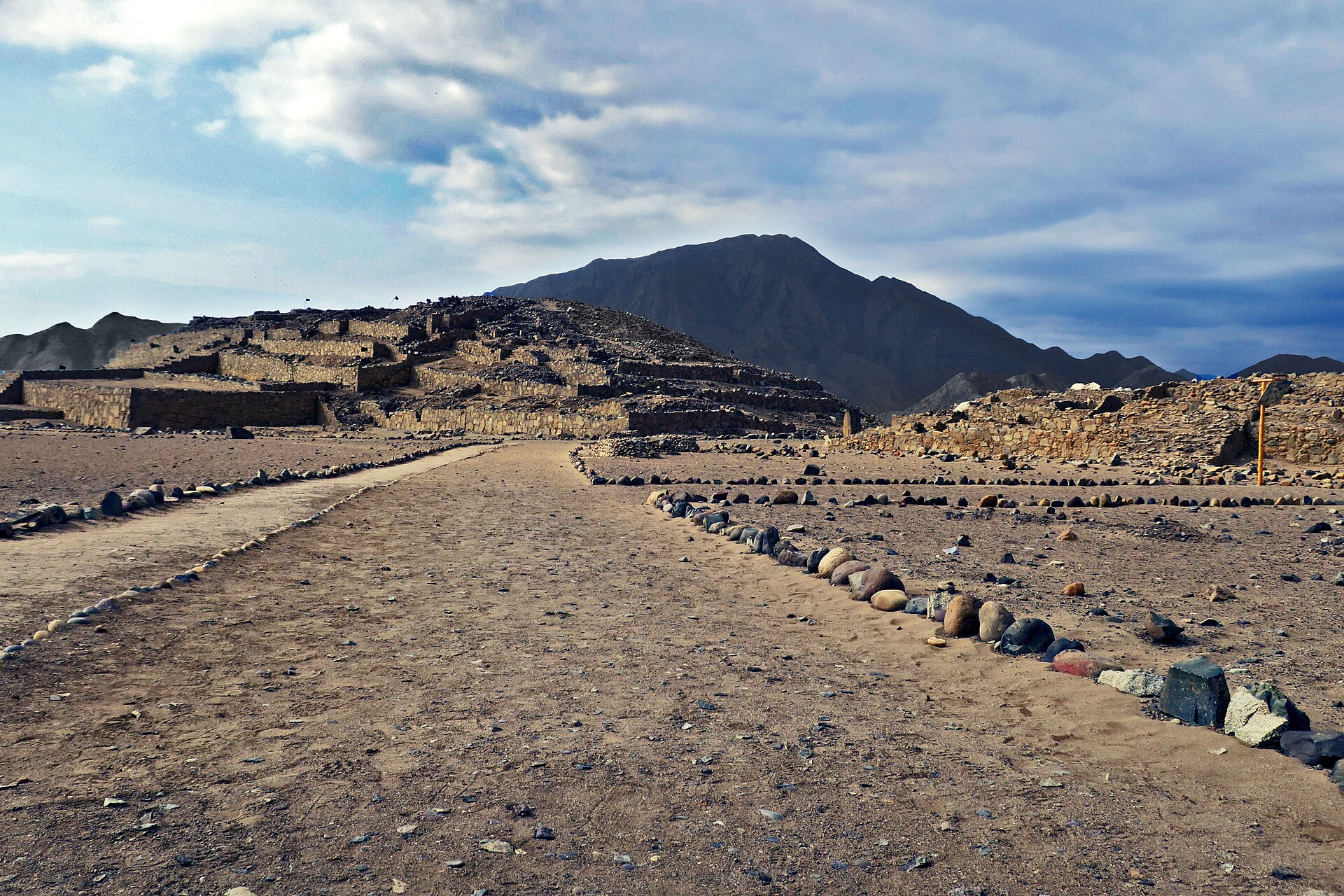
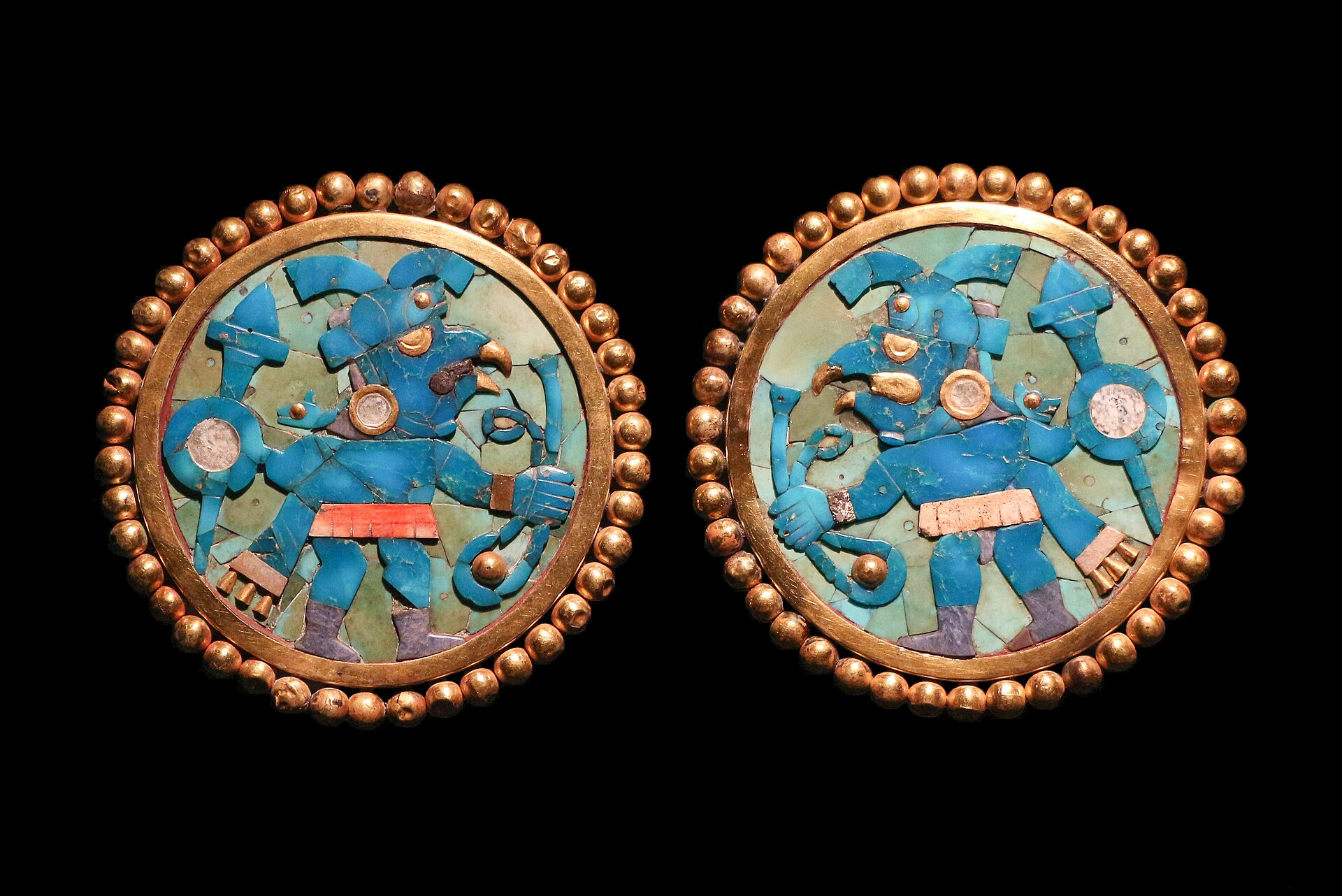
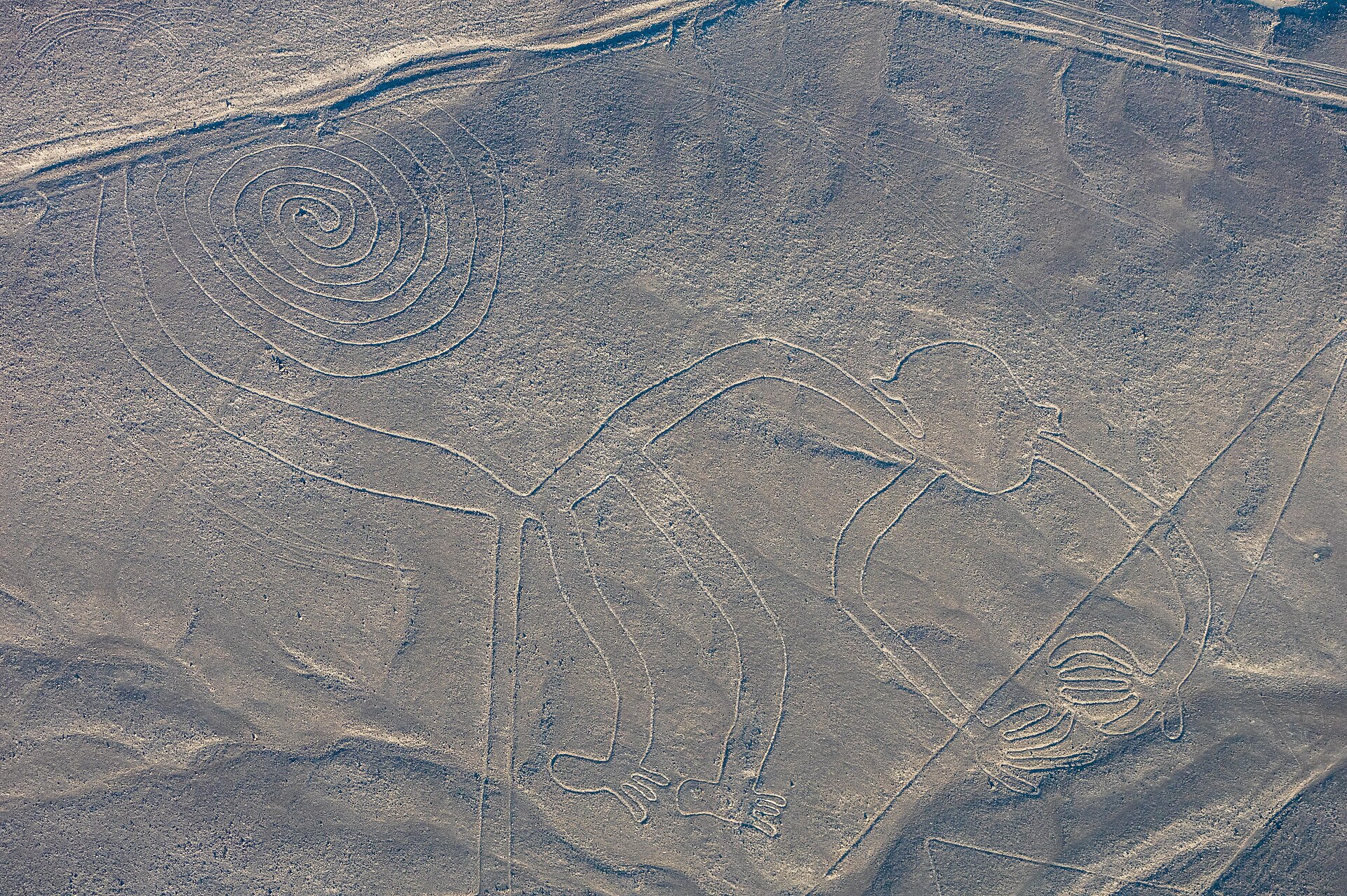
These cultures culminated in the Inca Empire, the largest state in the pre-Columbian Americas, ruled from Cusco and famous for its precise stonework, its vast network of roads, and its terraced mountain agriculture.
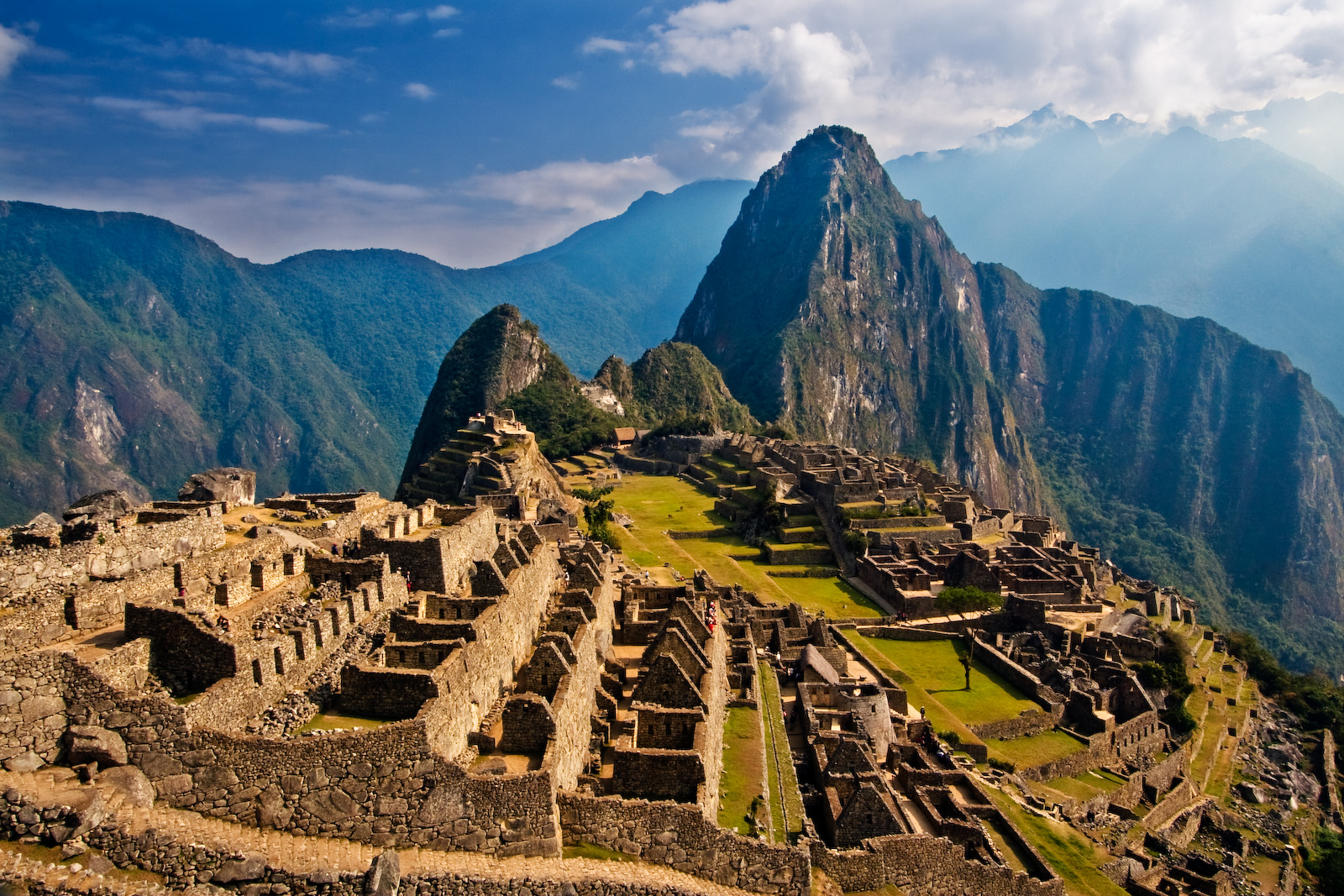
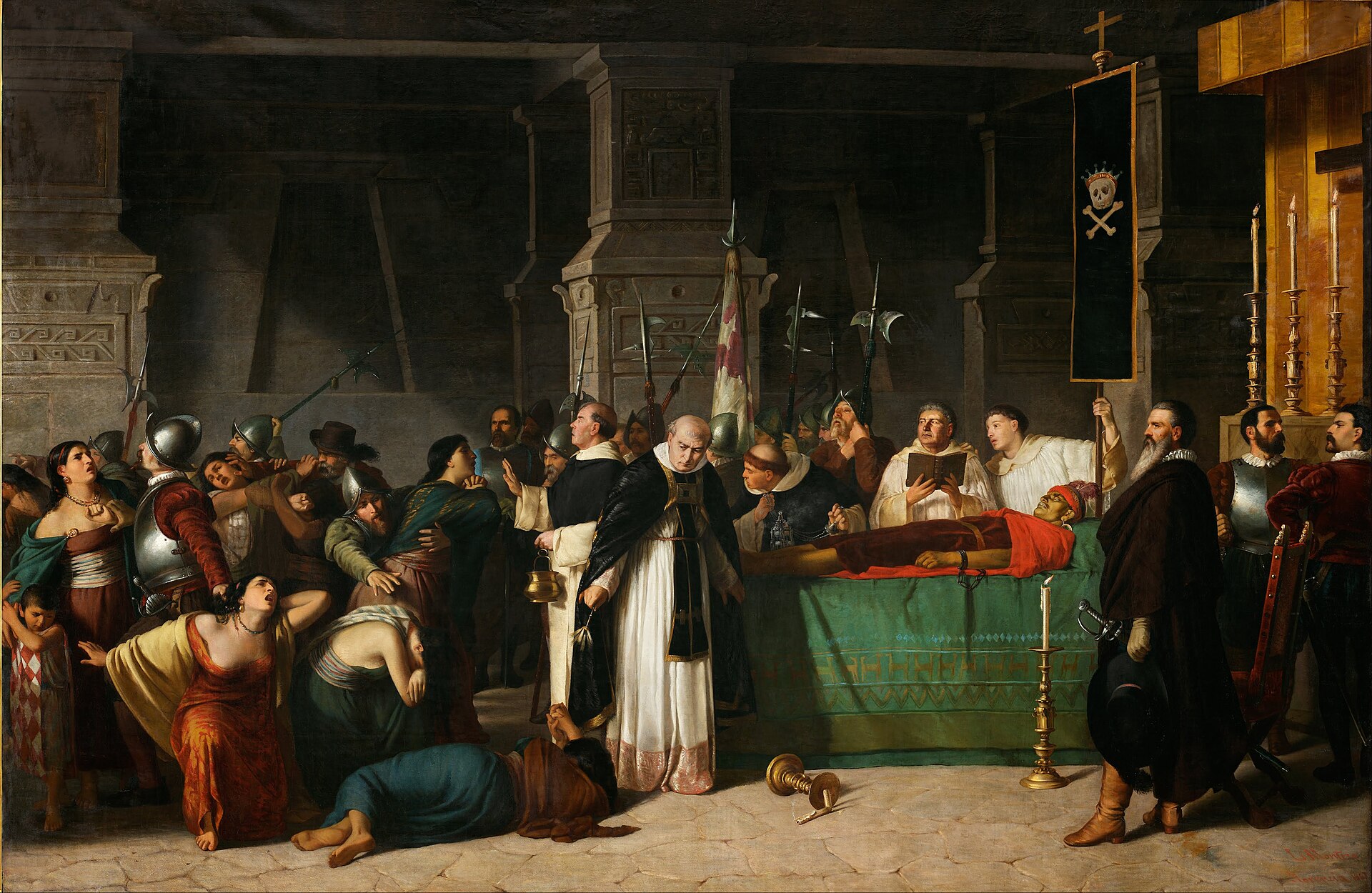
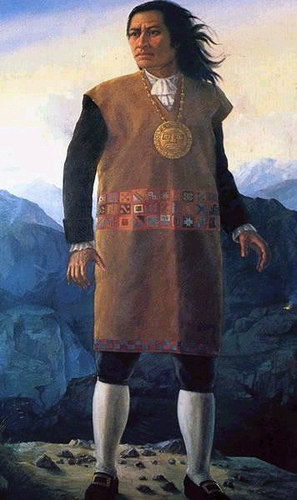
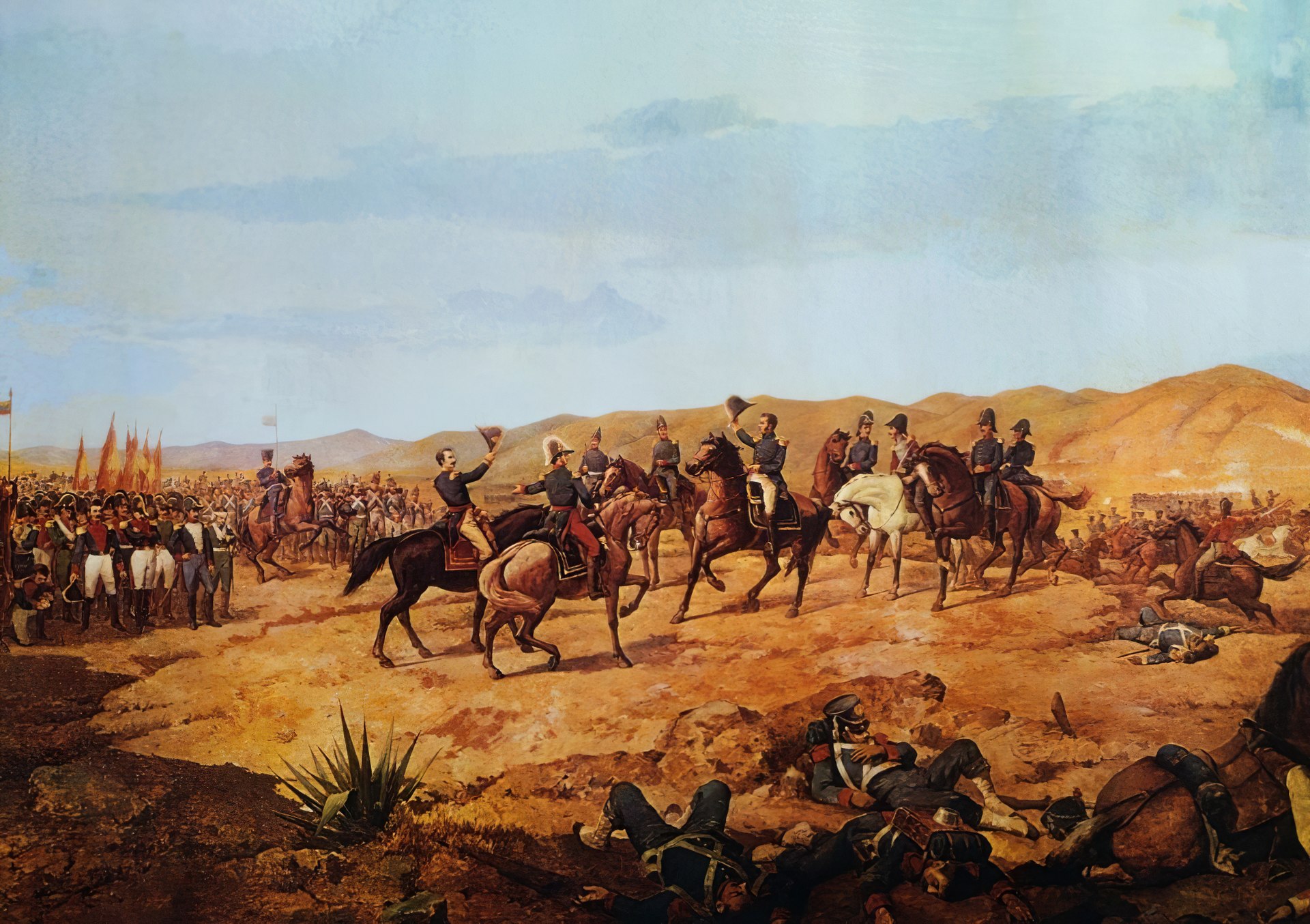
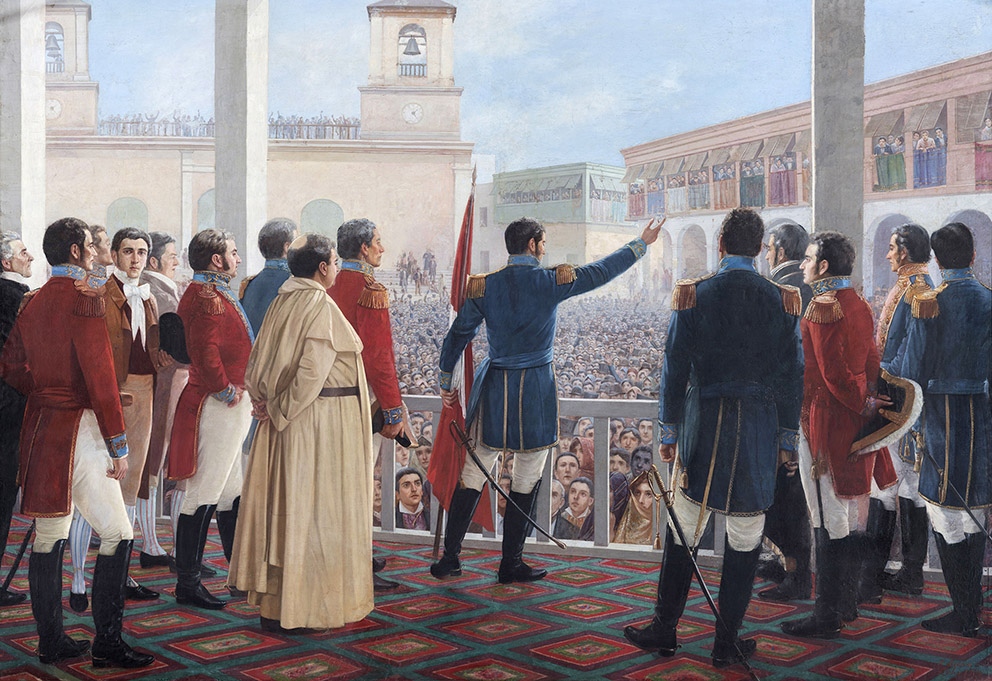
In 1532 a small Spanish force under Francisco Pizarro captured and executed the Inca ruler Atahualpa, beginning three centuries of colonial rule. Indigenous resistance, such as the great rising led by Túpac Amaru II, was crushed, but in the 1820s the campaigns of liberators including San Martín and the decisive Battle of Ayacucho finally won independence.
Inca tradition told that the first ruler, Manco Capac, emerged from the waters of Lake Titicaca, sent by the sun god to found Cusco and civilise the people. The legend gave the empire's rulers divine authority and a sacred origin. As history, the tale belongs to myth rather than the documented record, but the empire it explains was thoroughly real, and its monuments and roads still cross the Andes.
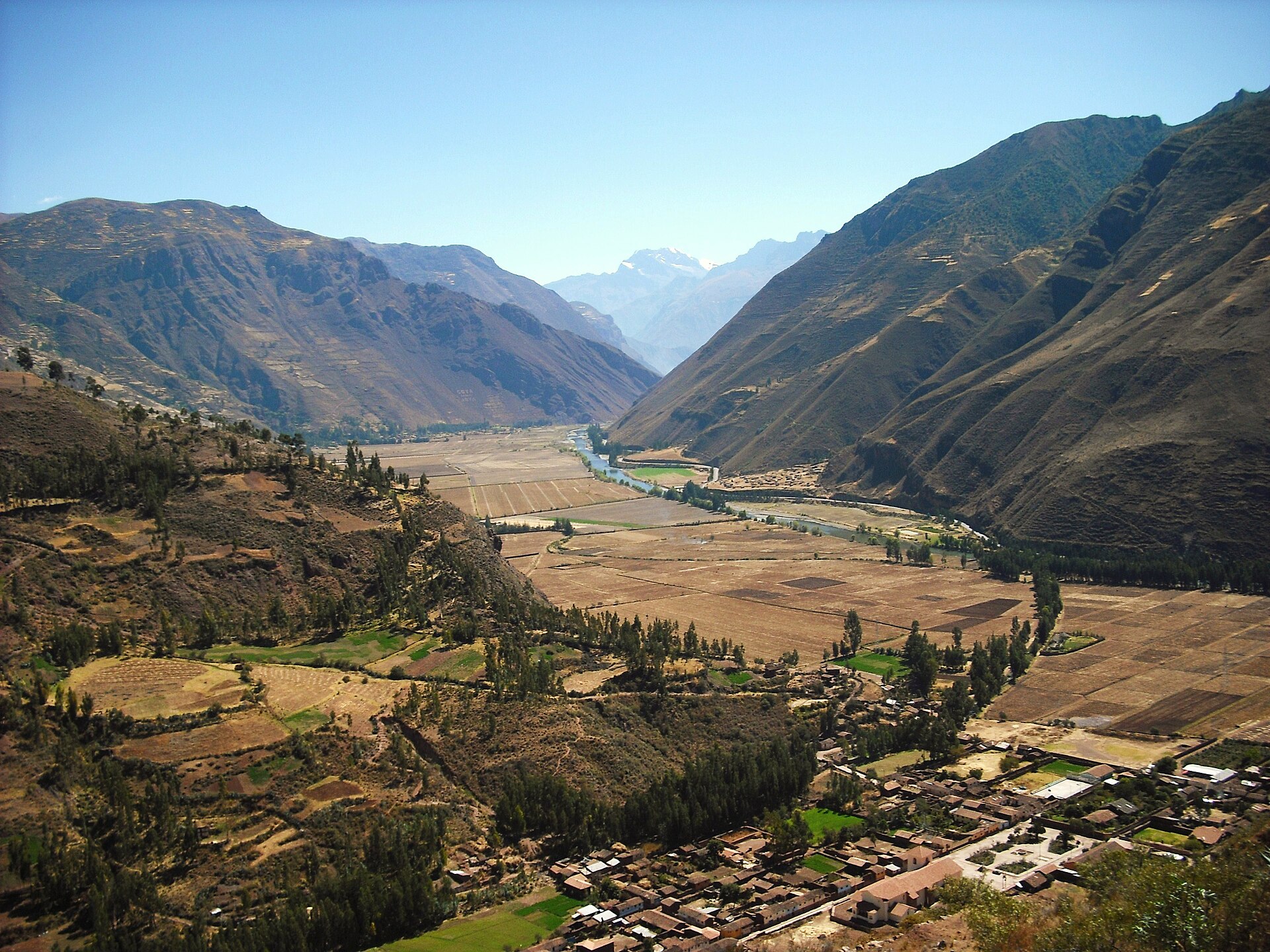
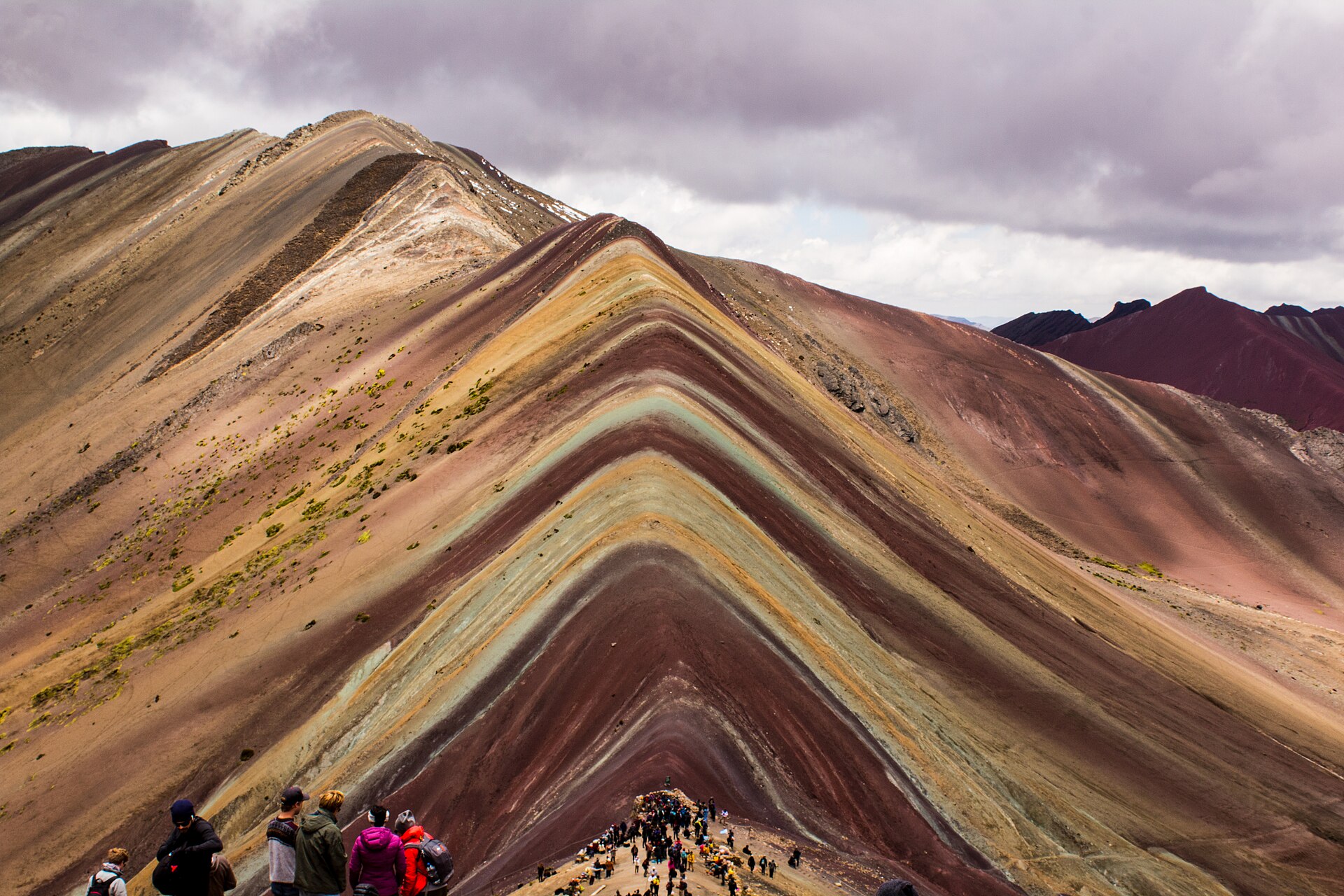
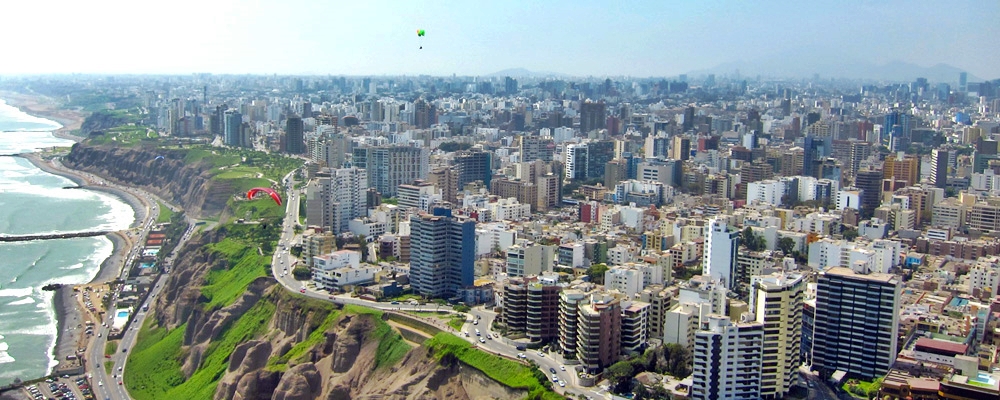
Peru divides into three great regions: a narrow desert coast where the capital Lima sits, the towering Andes mountains running down the spine of the country, and the lush Amazon lowlands to the east. This range of altitude and climate, from sea level to peaks above six thousand metres, packs an enormous diversity of life and landscape into one nation. Lake Titicaca, the highest large navigable lake in the world, lies on its southern border.
Peru is a presidential republic, but its recent politics have been turbulent. Power is divided between an elected president and a often-hostile single-chamber Congress, and the two branches have repeatedly clashed, producing a rapid succession of presidents, impeachments, and resignations in a few short years. Beneath the instability lies a deeper divide between the wealthier, coastal, and urban Peru centred on Lima and the poorer, largely Indigenous highlands.
Peru has one of the more dynamic economies in Latin America, built above all on mining: it is one of the world's largest producers of copper, silver, and gold, and minerals dominate its exports. The cold, fish-rich Pacific supports a huge fishing industry, and modern irrigated farms on the coast export grapes, blueberries, avocados, and asparagus. Tourism, drawn by Machu Picchu and the country's celebrated cuisine, is another major earner, though wealth remains very unevenly shared.
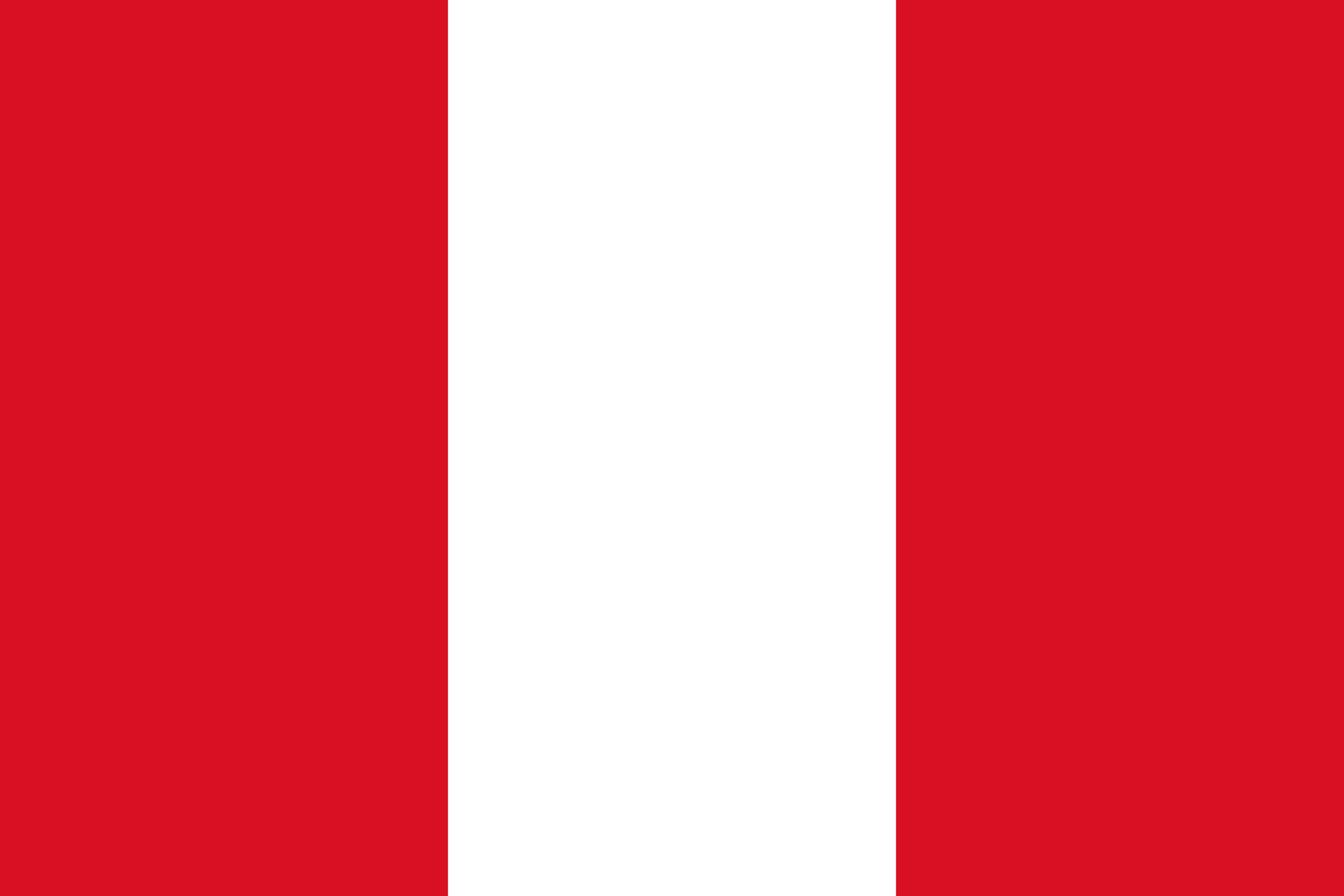
The flag of Peru has three vertical bands, red on the outer edges and white in the centre. By tradition the design was inspired by red and white flamingos seen by the independence leader San Martin. Red is associated with the blood of those who fought for freedom and white with peace; the state version of the flag adds the national coat of arms, which features a vicuna, a cinchona tree, and a cornucopia.
The great majority of Peruvians are Roman Catholic, a faith brought by the Spanish, though Protestant churches have grown in recent decades. As across the Andes, Catholic practice is often blended with older Indigenous beliefs, honouring the earth mother Pachamama and the spirits of the mountains alongside Christian saints. Festivals frequently weave the two traditions together, producing a religious life that is distinctly Peruvian.
Peruvian cuisine has won global acclaim as one of the most exciting in the world. Its signature dish is ceviche, raw fish cured in citrus juice with chili and onion. The country is the original home of the potato, growing thousands of varieties, along with maize and the nutritious grain quinoa. Fusion traditions are central too, including Nikkei cooking, which blends Japanese technique with Peruvian ingredients, the legacy of Japanese immigration.
Peru is a centre of agricultural origins, the birthplace of the potato and a homeland of many crops that spread around the world. Andean farmers still grow a remarkable diversity of potatoes, maize, and quinoa on terraced mountain fields. Modern Peru has also become a major exporter of asparagus, avocados, blueberries, grapes, and coffee, much of it grown on the irrigated coast. Fishing off the cold, rich Pacific waters is another pillar of the economy.
Peru's culture is a deep blend of Indigenous and Spanish worlds. Quechua and Aymara, spoken since long before the conquest, are official languages alongside Spanish, and Andean weaving, music, and festivals remain vibrantly alive. That heritage sits beside colonial cities, a globally celebrated cuisine, and a strong sense of pride in Machu Picchu and the Inca past, giving Peruvians an identity distinct in South America.
Modern Peru is marked by chronic political instability, with a string of presidents removed, resigned, or jailed amid sweeping corruption scandals that have touched much of the political class. A long-running divide between the prosperous coast and the poorer, largely Indigenous Andes fuels protest and mistrust, and conflict often flares around large mining projects, which bring revenue but also disputes over land, water, and pollution.
The rise of the Inca Empire and its sudden fall to a handful of Spanish conquistadors are among the most dramatic episodes in world history. Independence was sealed in the 1820s with the campaigns of liberators including San Martín and the decisive Battle of Ayacucho. In the modern era the rediscovery of Machu Picchu drew the world's attention, and the citadel has become one of the most famous archaeological sites on Earth.
Peru has a population of around 34 million people. It is one of the most Indigenous countries in the Americas, with large Quechua and Aymara populations whose languages are official alongside Spanish, together with people of mixed and European descent and communities of African and Asian origin. Most Peruvians now live on the coast, above all in the sprawling capital Lima, though the Andean highlands remain the cultural heartland.