Colombia is a country in the northwest of South America, the only one on the continent with coastlines on both the Caribbean Sea and the Pacific Ocean. A land of soaring Andes, Amazon rainforest, and tropical coasts, it ranks among the most biodiverse nations on Earth. After decades shadowed by armed conflict, Colombia has emerged as a vibrant, fast-changing country celebrated for its coffee, its music, and the warmth of its people.
Colombia's history runs from sophisticated Indigenous societies, through three centuries of Spanish rule, to independence under Bolivar and a turbulent modern era.
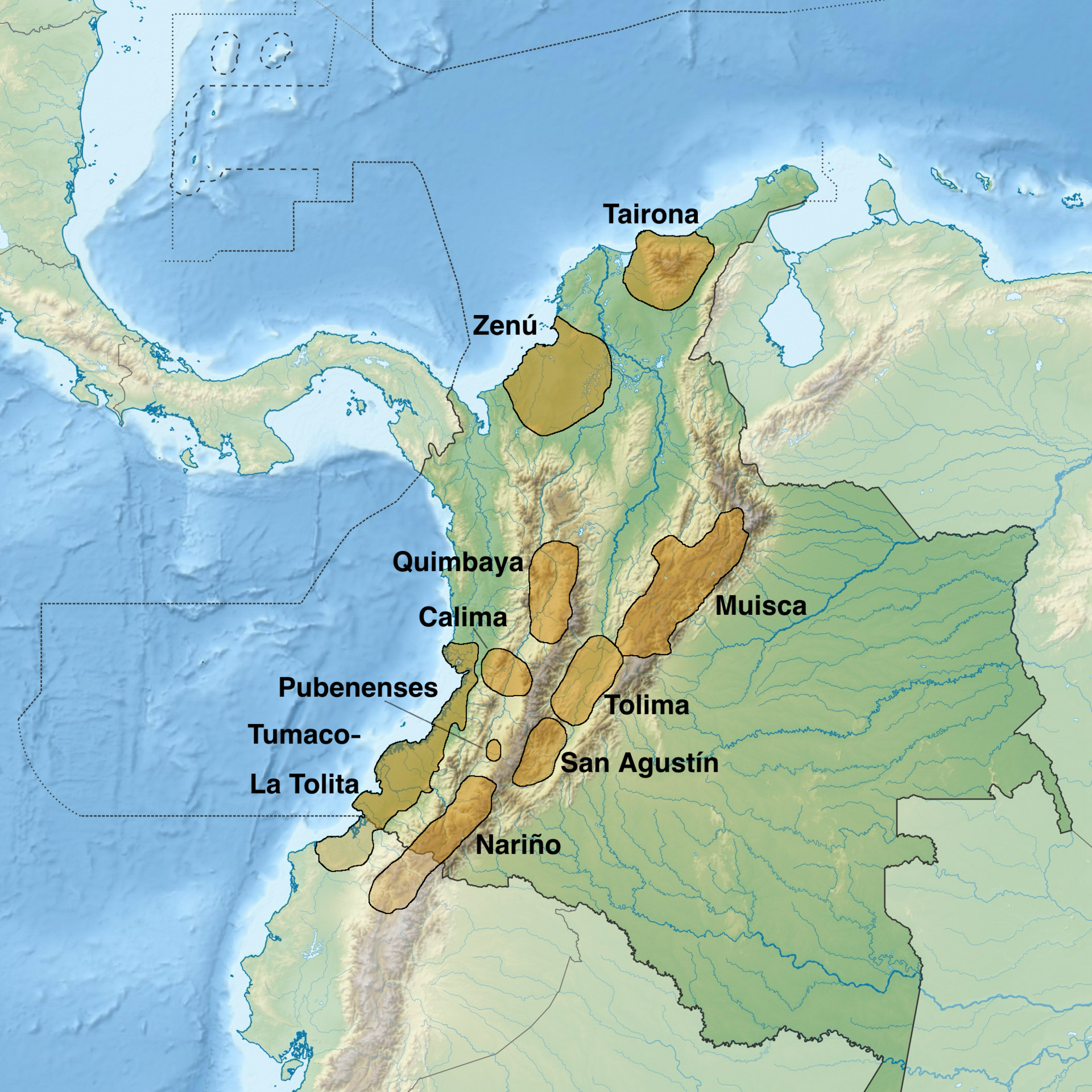
The highlands were home to the Muisca, a sophisticated society whose fine gold work helped inspire the European legend of El Dorado, the city of gold.
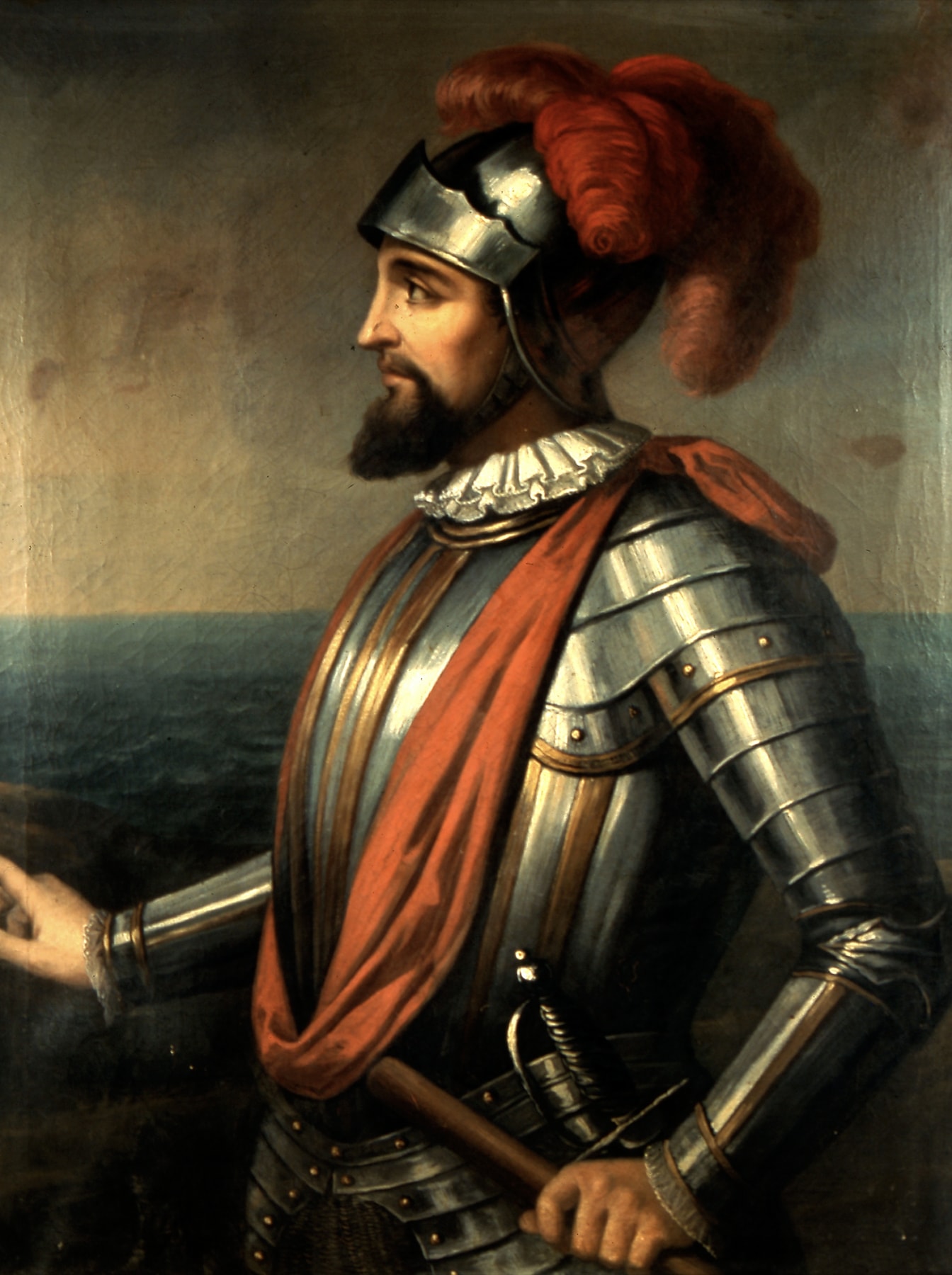
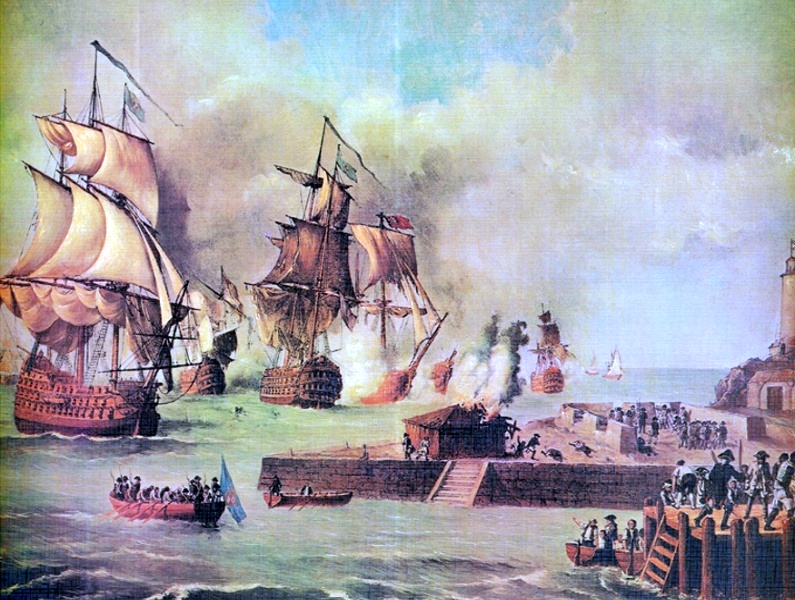
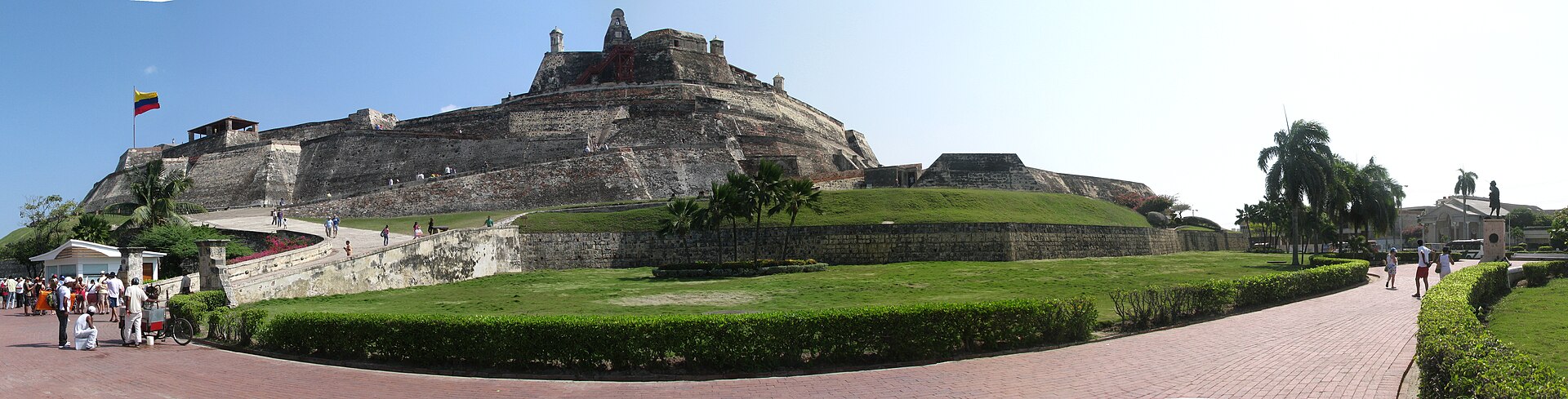
Spain conquered and colonised the region in the sixteenth century, ruling it for nearly three hundred years and fortifying Caribbean ports such as Cartagena against rival European powers.
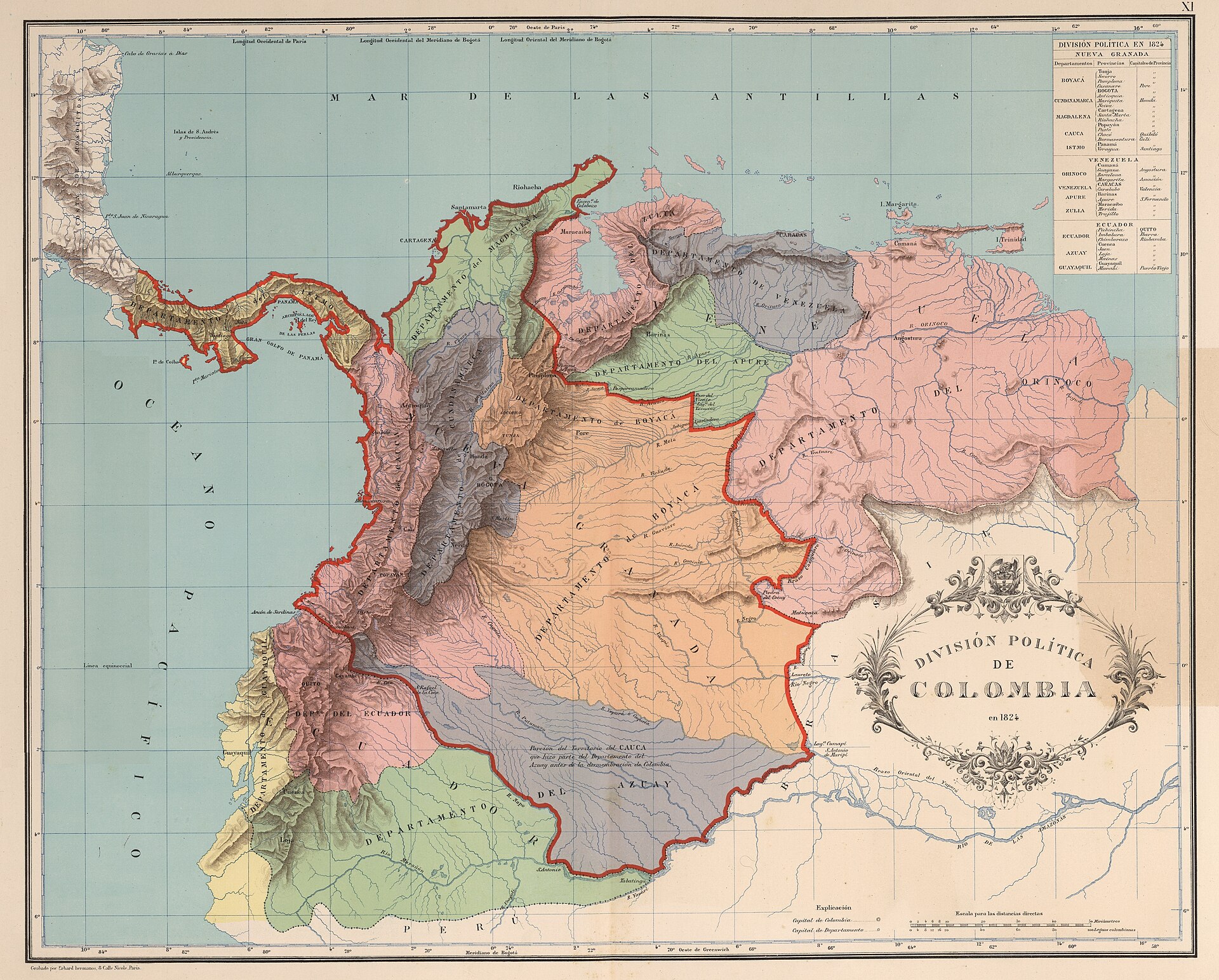
Independence was won in the early nineteenth century through the campaigns of Simon Bolivar, and Colombia briefly formed part of a larger nation, Gran Colombia, before the region split apart. Much of the twentieth century was then scarred by political violence.
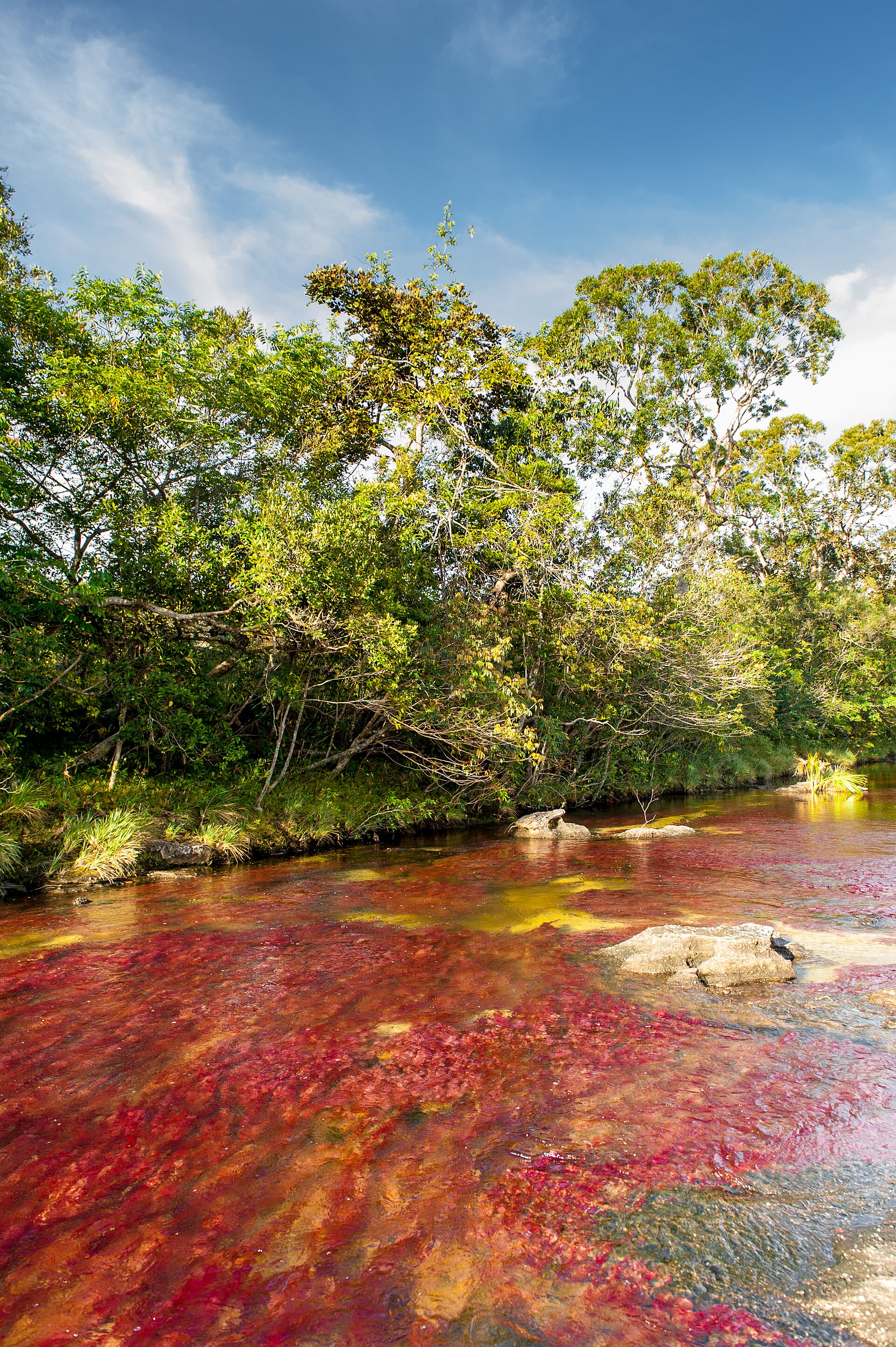
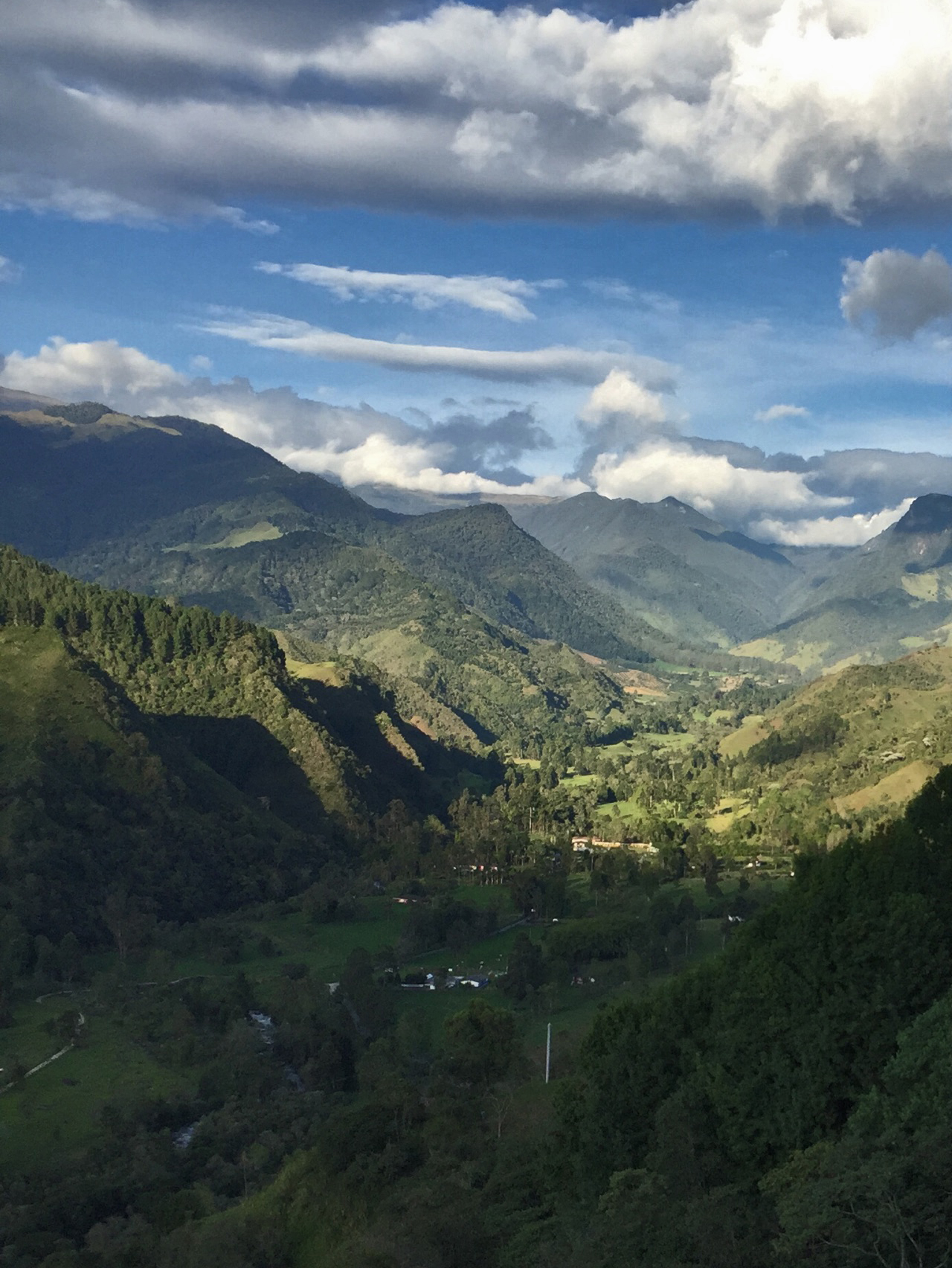
Colombia is split by three branching ranges of the Andes, between which lie fertile valleys and most of the country's cities and people. Beyond the mountains stretch the vast eastern plains and the Amazon rainforest, while the north meets the Caribbean and the west the Pacific. This range of altitude and climate, packed into one country, helps make Colombia extraordinarily rich in wildlife, with more bird species than any other nation on Earth.
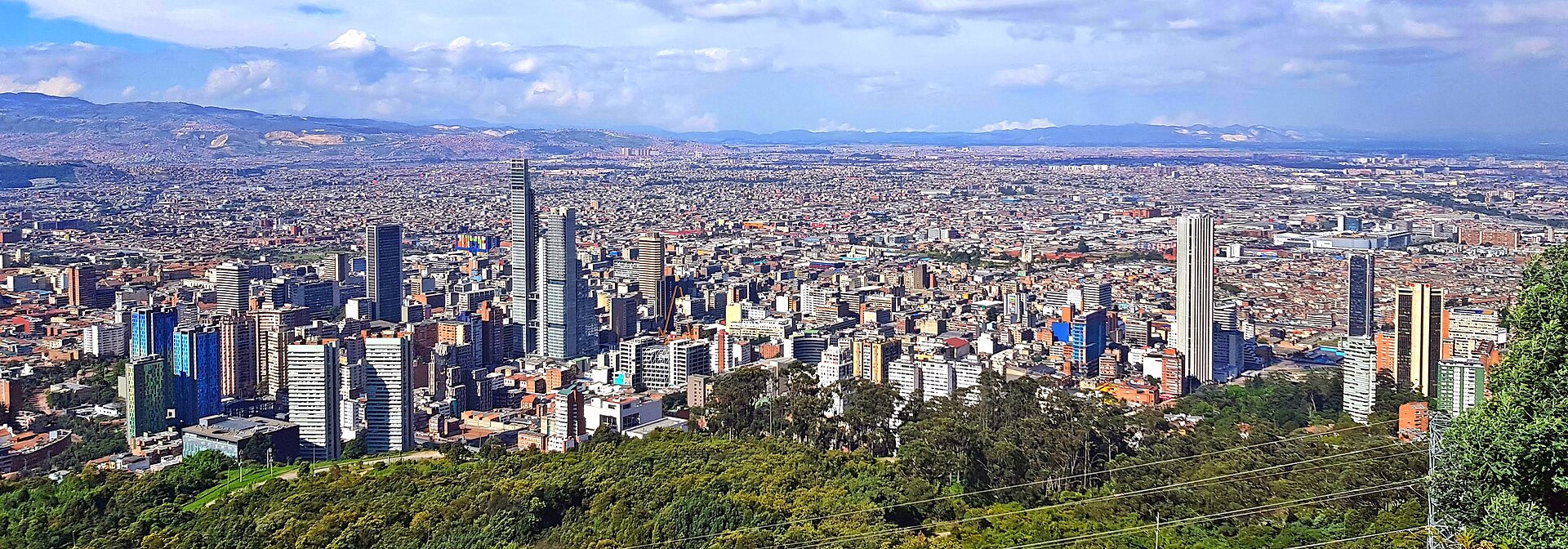
Colombia is a presidential republic and one of the oldest continuous democracies in Latin America, though for decades that democracy coexisted with armed conflict. Power has traditionally alternated between establishment parties, but in 2022 the country elected its first avowedly left-wing president, a historic shift after generations of conservative and centrist rule. Bogota, high in the Andes, is the capital and the political and economic centre.
Colombia has one of the larger economies in Latin America, long powered by commodities: it is a major oil and coal exporter, the world's leading source of emeralds, and famous above all for its high-grown coffee. It also dominates the global trade in cut flowers. In recent years services, tourism, and technology have grown quickly, and improving security has opened much of the country to visitors and investment that the conflict once kept away.
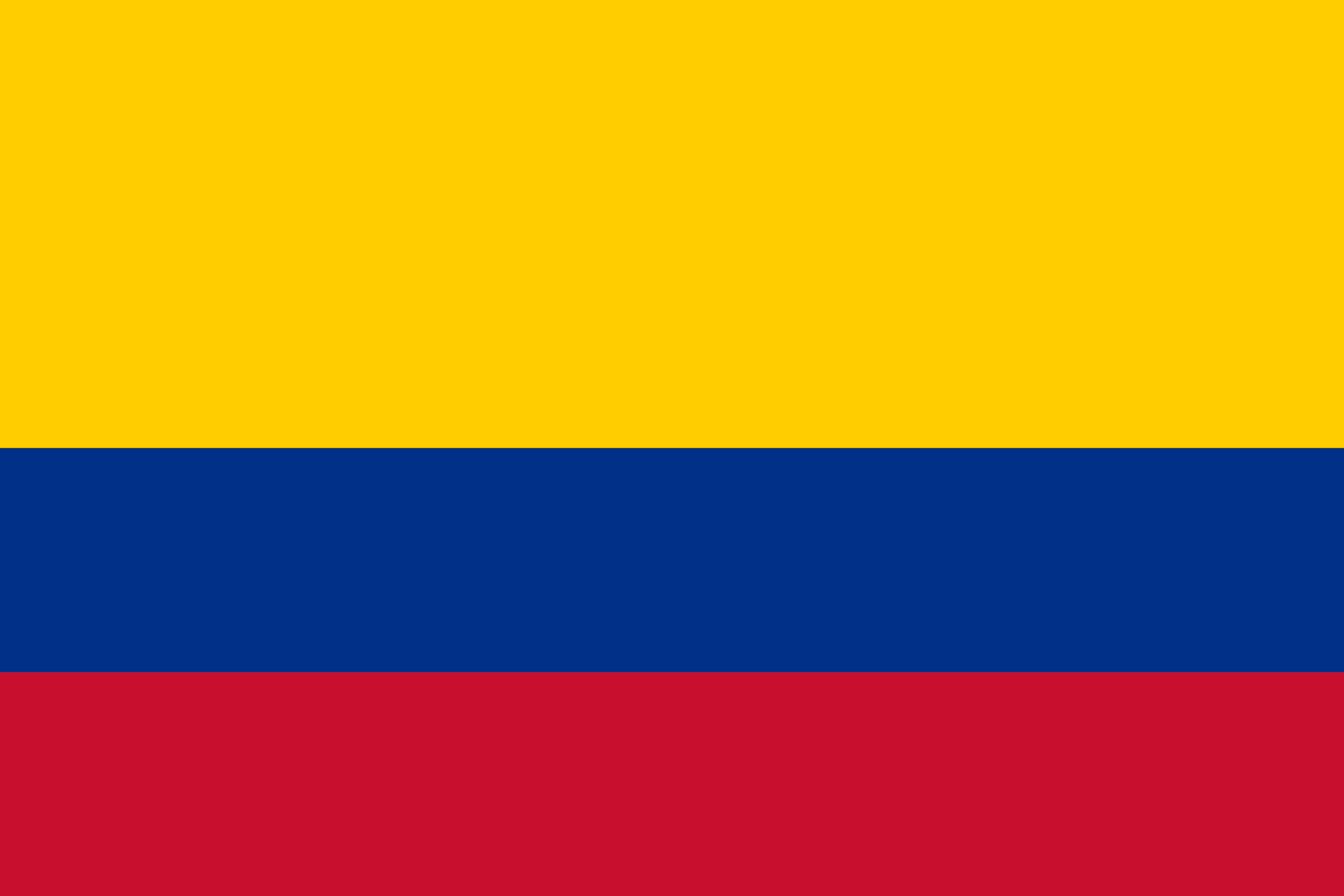
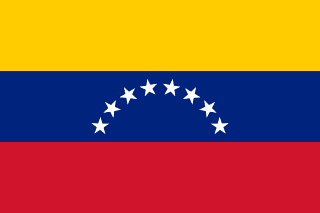
The Colombian flag has three horizontal bands of yellow, blue, and red, with the yellow band taking up the top half and the blue and red dividing the bottom. The colours are shared with neighbouring nations that were once part of Gran Colombia. By common interpretation the yellow stands for the country's gold and natural wealth, the blue for its seas and rivers, and the red for the blood shed in the struggle for independence.
Colombia is a predominantly Roman Catholic country, a faith brought by Spanish colonisation that remains deeply woven into its culture, festivals, and family life. Towns are built around their churches, and Catholic holy days punctuate the calendar. As elsewhere in Latin America, evangelical Protestant churches have grown in recent decades, and traditional and Indigenous beliefs persist in some communities, but Catholicism still shapes the country's customs and identity.
Colombian cuisine is hearty and regional, reflecting the country's varied landscapes. The arepa, a round cornmeal cake, is eaten almost everywhere in countless local forms. A famous example of the country's filling fare is the bandeja paisa, a generous platter of beans, rice, meat, plantain, and egg. Soups such as the chicken and potato ajiaco, fresh tropical fruits, and, of course, superb coffee are central to the Colombian table.
Agriculture is vital to Colombia, whose mountain slopes and tropical climate suit a wide range of crops. The country is world-famous for its mild, high-grown coffee, one of its signature exports, and it is also a leading exporter of cut flowers, sending roses and carnations around the world. Bananas, sugarcane, cacao, and tropical fruits are important too, and farming sustains much of rural life across the country's diverse regions.
Colombia is a cultural powerhouse of Latin America. It gave the world the novelist Gabriel Garcia Marquez and the magical realism of his fiction, and its music, from cumbia and vallenato to global pop stars, is loved across the continent and beyond. Its regional cultures are vivid and distinct, from the Caribbean rhythms of the coast to the Andean traditions of the interior, and colonial cities such as Cartagena draw visitors to their walled old towns.
Colombia's central challenge is building a lasting peace. The 2016 accord with the largest guerrilla group ended much of a conflict that had lasted more than half a century, but implementing it, reintegrating former fighters, and confronting the drug trade and other armed groups remain difficult and contested. Deep inequality, the legacy of violence, and a large influx of migrants from neighbouring Venezuela are among the pressures shaping the country's politics today.
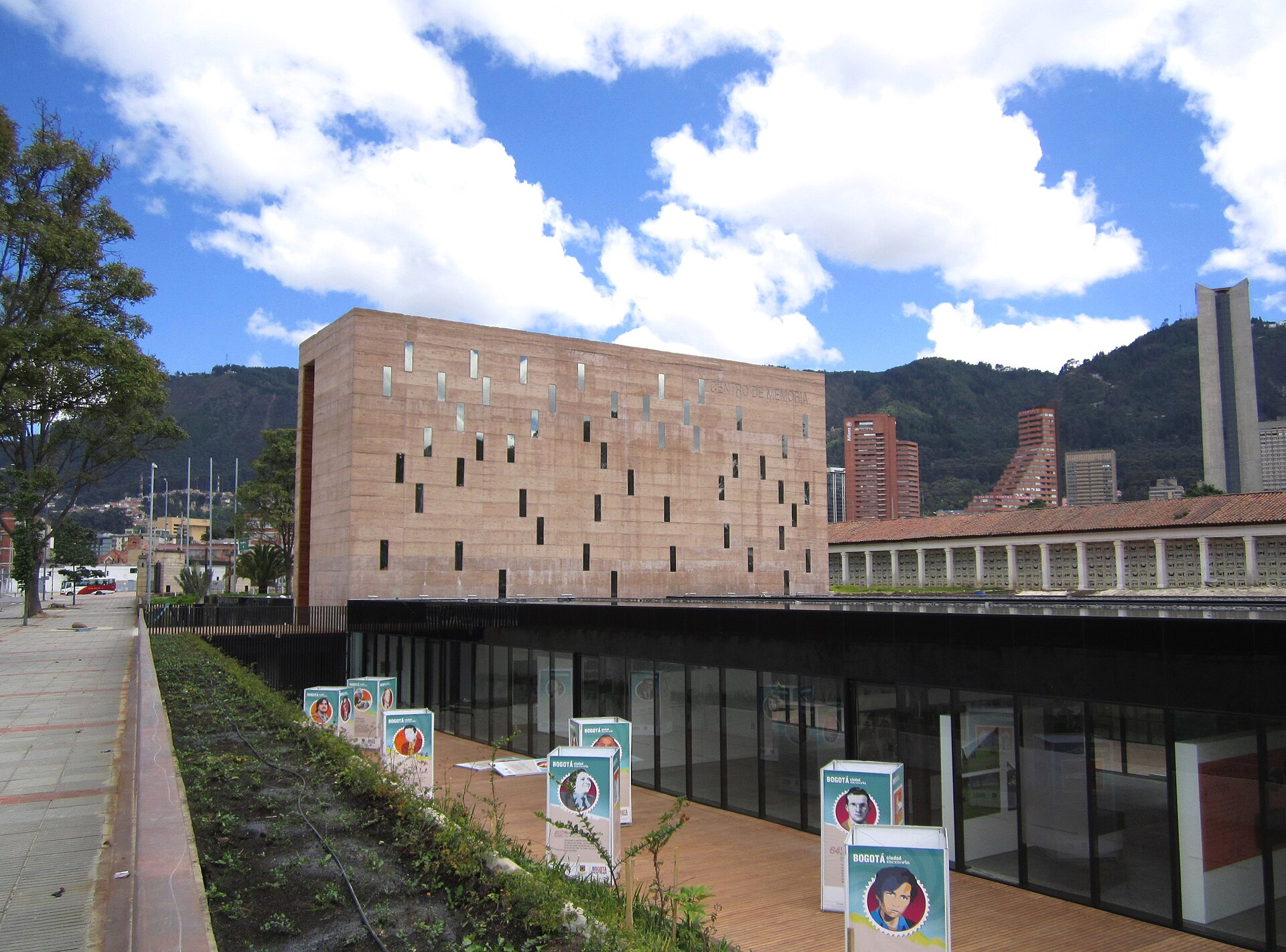
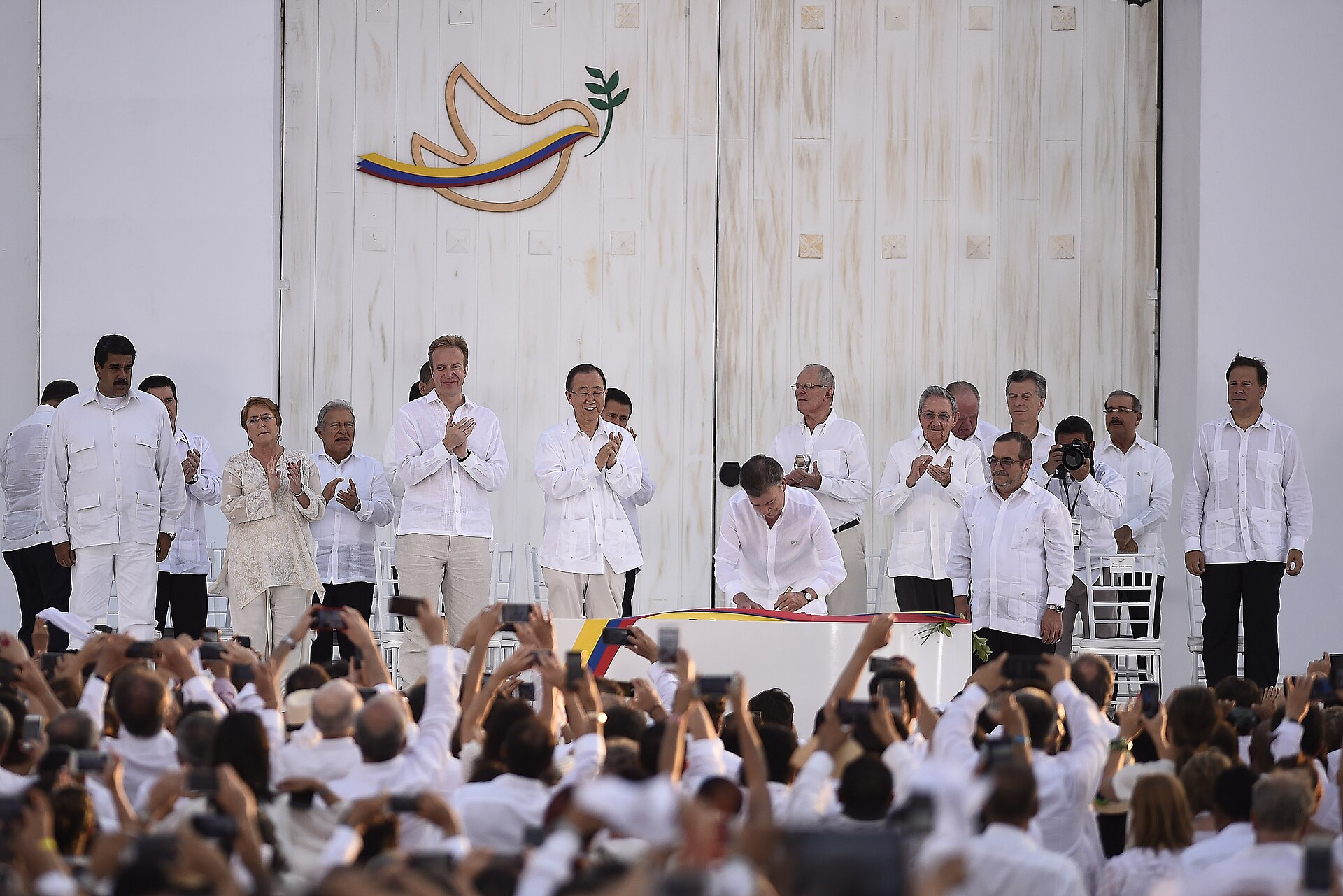
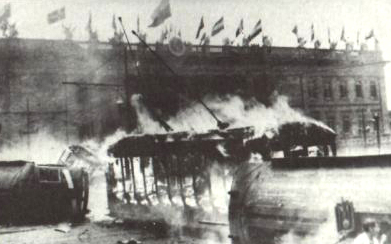
Independence under Simon Bolivar and the brief experiment of Gran Colombia shaped the nation and the wider region. Much of the later twentieth century, however, was marked by violence: a period of partisan conflict known simply as La Violencia, followed by a long internal war involving leftist guerrillas, paramilitaries, and powerful drug cartels. A historic peace accord signed in 2016 with the largest guerrilla group brought an end to much of that conflict.
Colombia has a population of around 52 million people, the second largest in South America. Most Colombians are of mixed European, Indigenous, and African descent, a blend reflected in the country's regional cultures, from the Caribbean coast to the Andean highlands. The population is heavily urban, concentrated in cities such as the capital Bogota, high in the mountains, along with Medellin and Cali. A large diaspora has spread Colombian culture around the world.