Chile is a long, narrow country running down the western edge of South America, squeezed between the Andes Mountains and the Pacific Ocean. Reaching more than 4,000 kilometres from the driest desert on Earth in the north to the glaciers and fjords of Patagonia in the south, it is one of the most geographically extraordinary nations in the world. Stable and prosperous by regional standards, it is famous for its wine, its mineral wealth, and its dramatic landscapes.
Chile's history runs from ancient desert peoples, through Spanish conquest and a hard-won independence, to a modern nation still reckoning with a traumatic recent past.
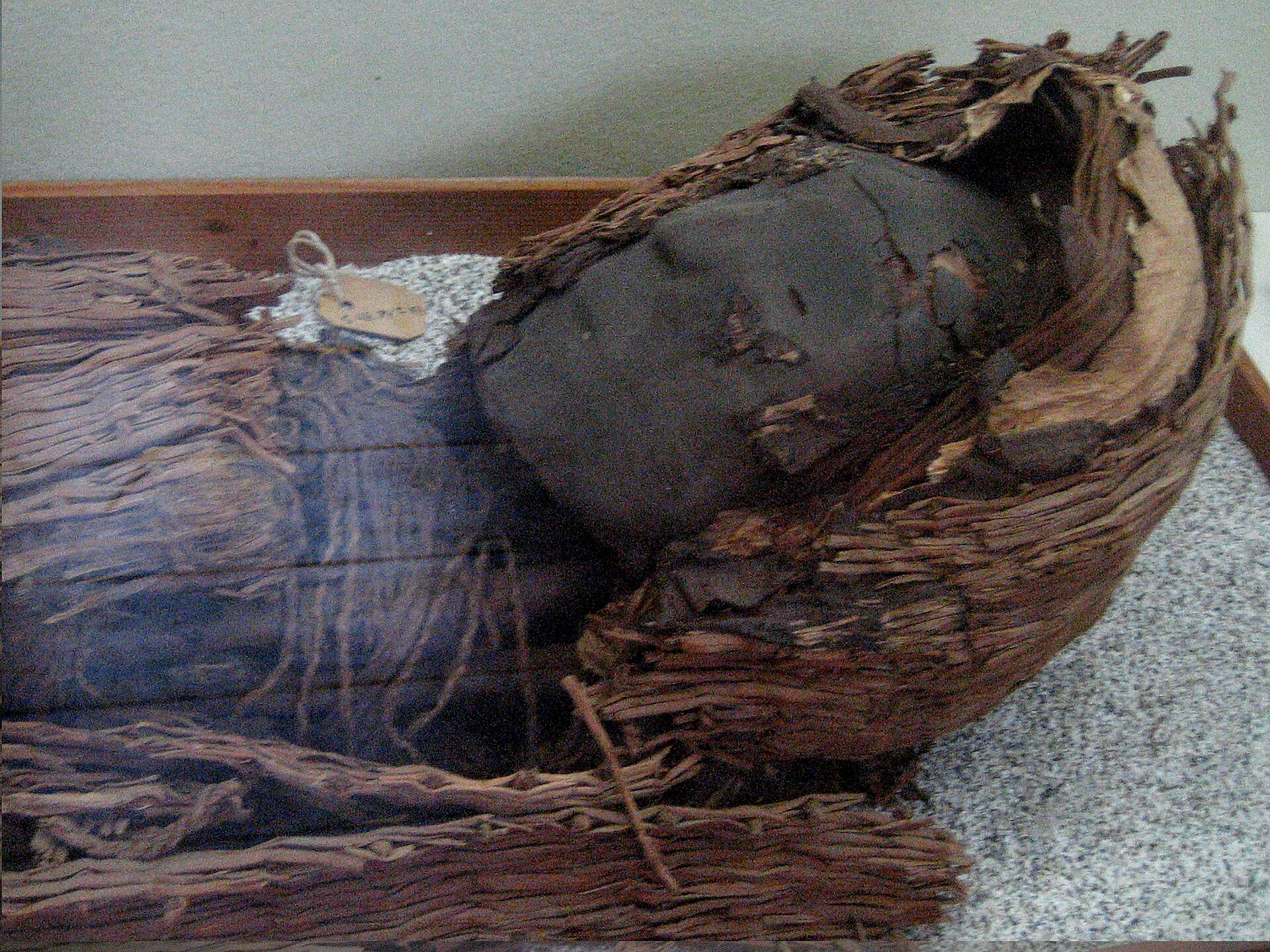
Chile has been inhabited for thousands of years, and its northern deserts hold an extraordinary legacy: the Chinchorro people, who from around 5000 BC made the oldest deliberately preserved mummies known anywhere, older even than those of Egypt. In the fertile centre and rainy south lived other peoples, above all the Mapuche, who would prove among the most determined defenders of their land in all the Americas.
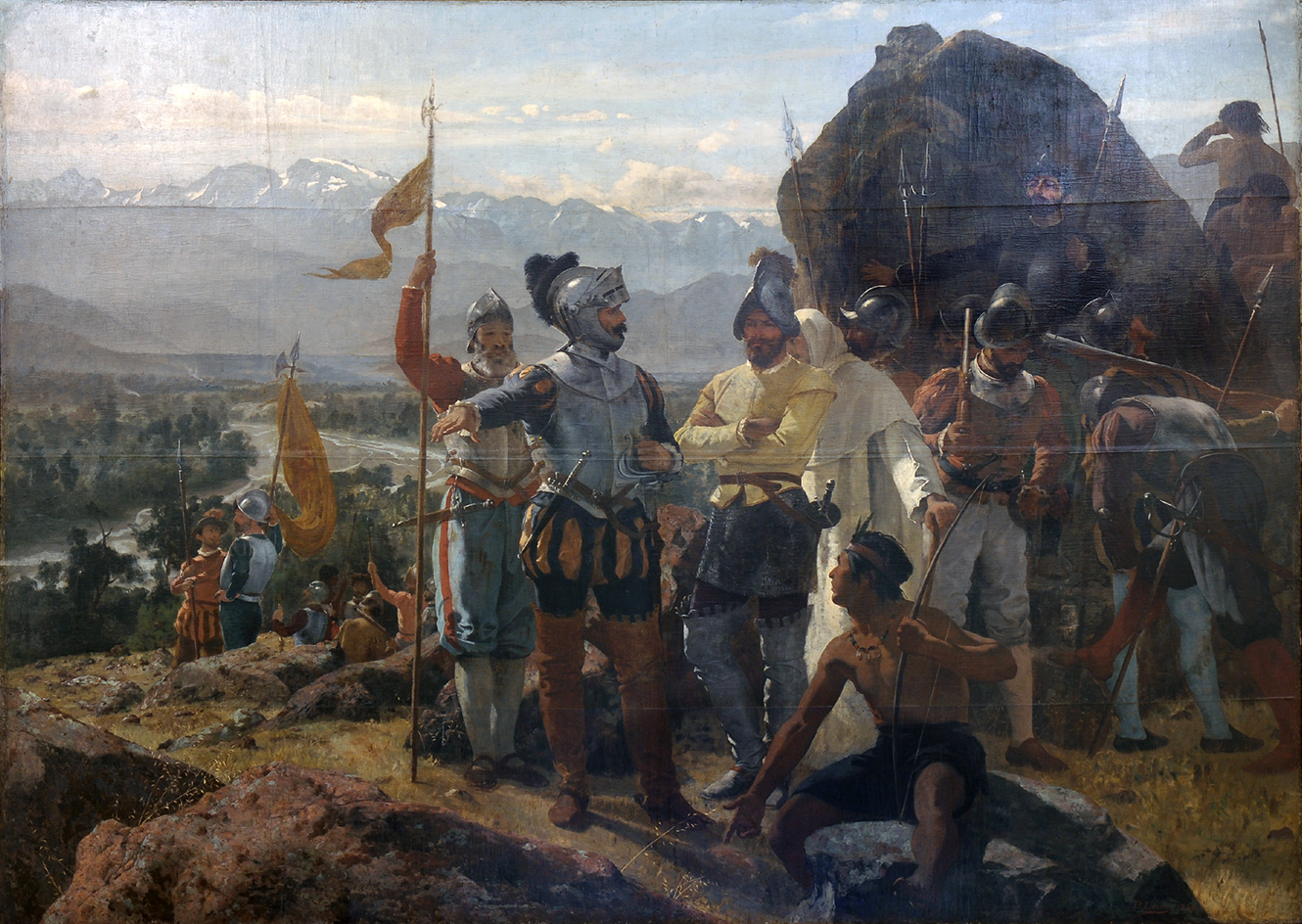
Northern Chile lay at the edge of the Inca Empire when the Spanish arrived, founding Santiago in 1541 and colonising the central valley. But the Mapuche of the south fought the newcomers to a standstill, holding their independence for more than three centuries in one of the longest sustained resistances to European rule anywhere.
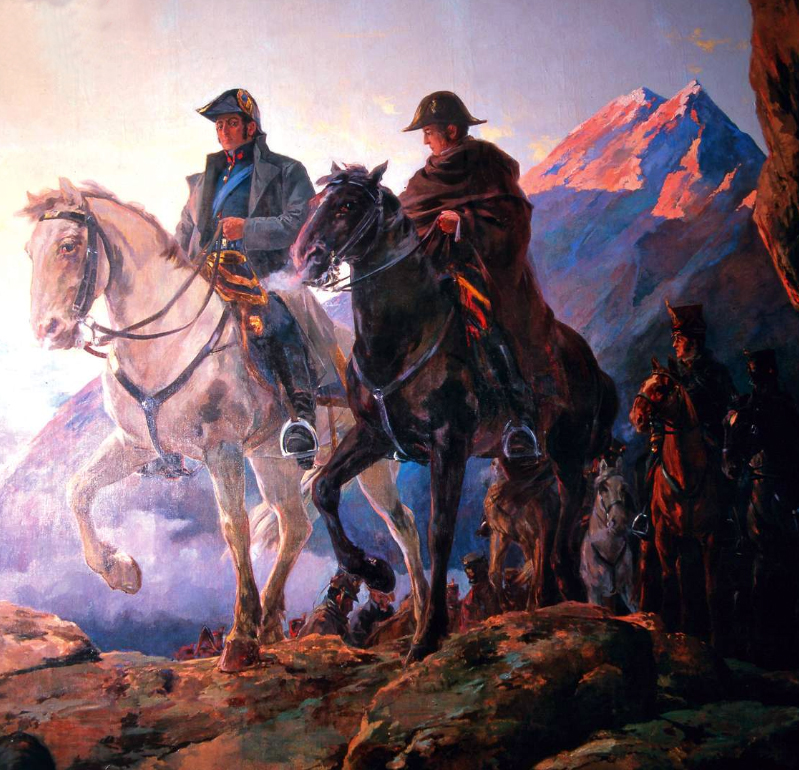
Inspired by the wider wave of Latin American revolutions, Chile broke from Spain in a struggle led by Bernardo O'Higgins and decisively aided by the Argentine liberator Jose de San Martin, whose army crossed the Andes to help win the country's freedom, secured by 1818.
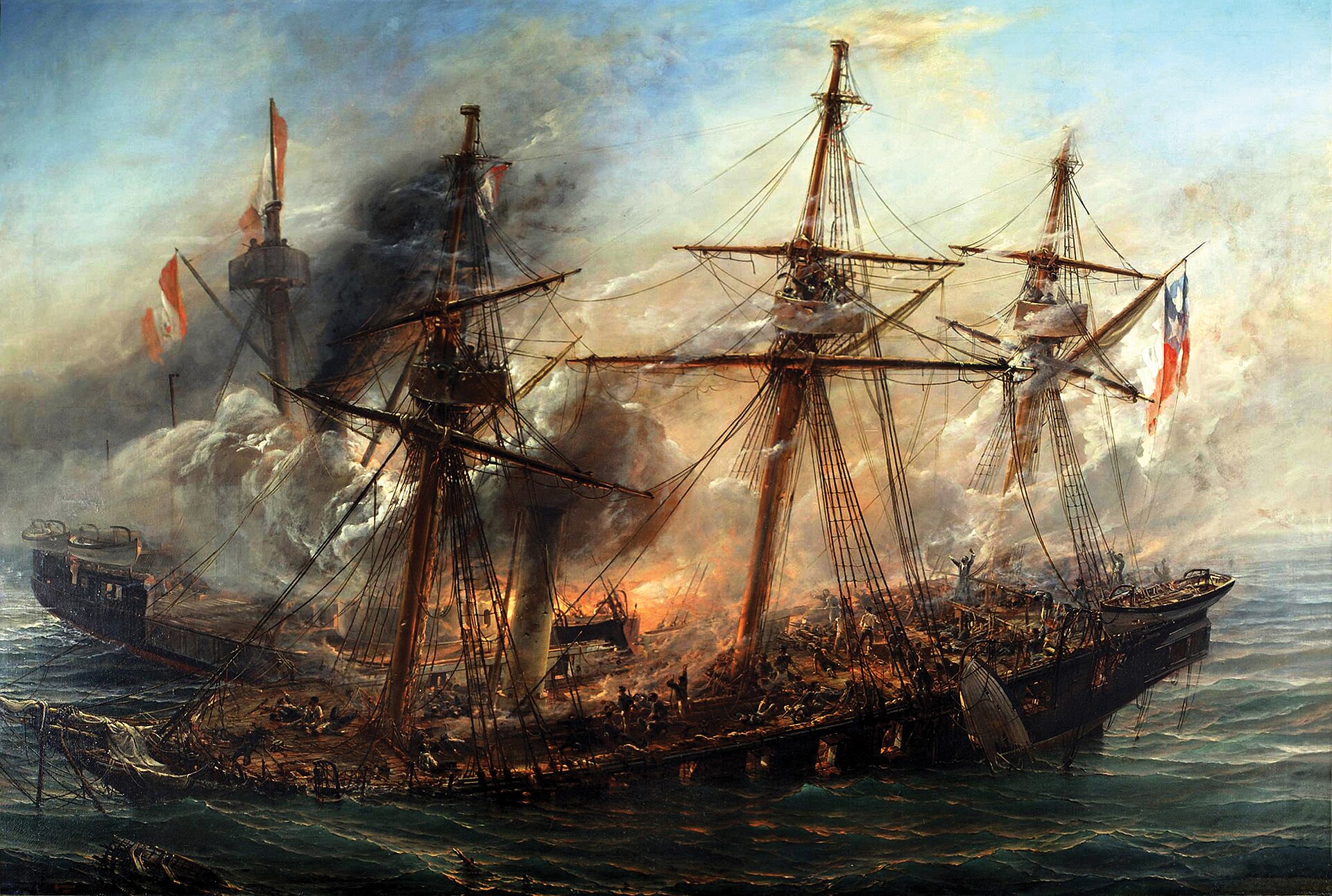
In the War of the Pacific of 1879 to 1883 Chile defeated Peru and Bolivia and seized their mineral-rich northern deserts, leaving Bolivia landlocked and making Chile wealthy on the nitrate the desert held. The naval clash off Iquique became a cherished patriotic legend, and nitrate riches, later giving way to copper, funded the growth of the modern nation.
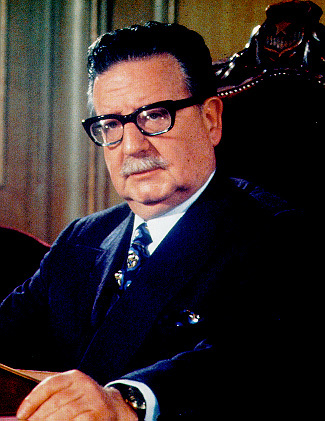
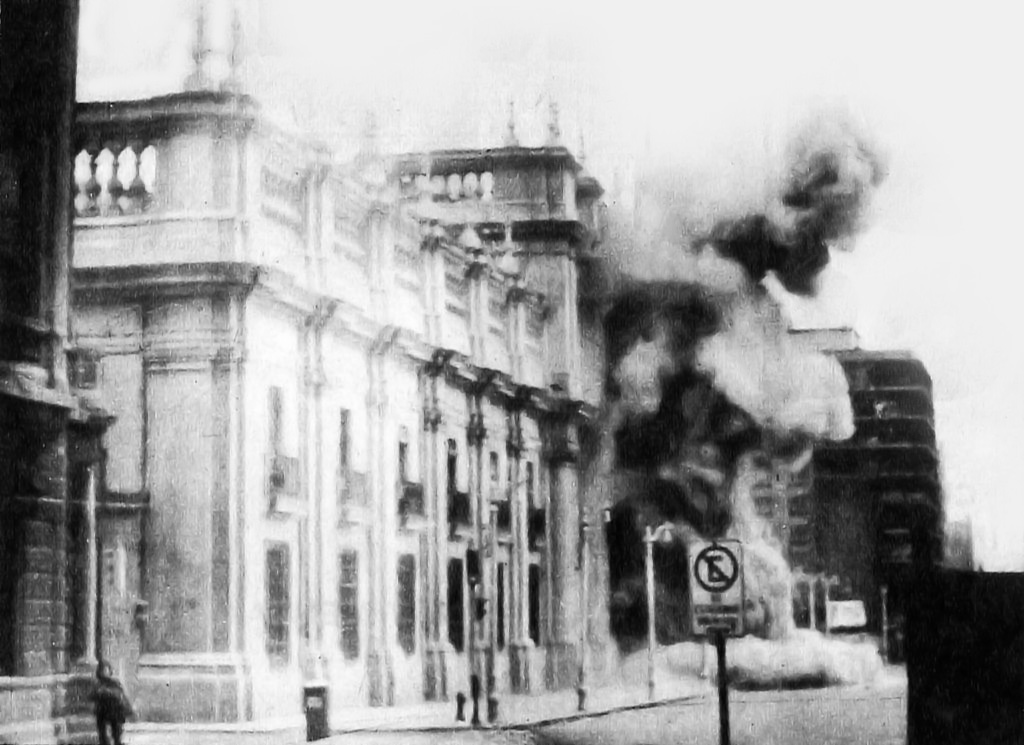
Chile's most traumatic modern chapter came in 1973, when a military coup overthrew the elected socialist president Salvador Allende, who died in the presidential palace as it was bombed. The coup installed General Augusto Pinochet, whose seventeen-year dictatorship imposed a free-market revolution but killed or forcibly disappeared thousands and tortured many more. Chile returned to democracy in 1990, but the scars of those years run deep.
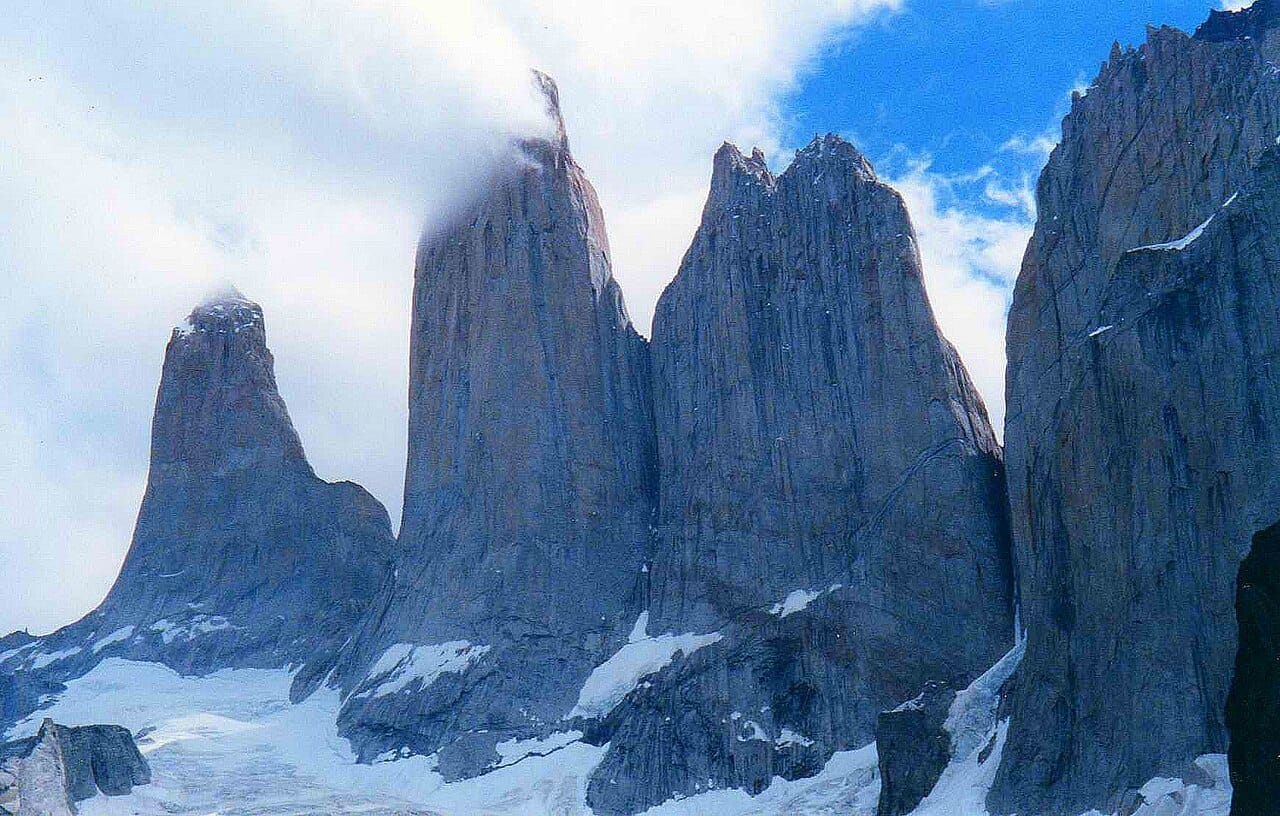
Chile's geography is defined by its extreme length and narrowness. In the north lies the Atacama, the driest desert in the world, where some places have never recorded rain. The fertile central valley, with its Mediterranean climate, holds most of the population and the vineyards. Further south the land grows wetter and wilder, breaking into forests, lakes, volcanoes, and finally the icy fjords of Patagonia. The Andes wall off the country to the east along its entire length.
Chile is a presidential republic, long regarded as one of the most stable and institutionally solid democracies in Latin America. Since the return to civilian rule in 1990, power has passed peacefully between centre-left and centre-right governments. In 2022 Chileans elected Gabriel Boric, a former student-protest leader and the youngest president in the country's history, at the head of a new left drawn from the mass social movements of recent years. Much of the country's recent politics has revolved around an attempt, so far unsuccessful, to replace the constitution inherited from the Pinochet era, discussed below.

Chile has one of the wealthiest and most open economies in Latin America, built above all on mining. It is by far the world's largest producer of copper, the red metal that has underpinned its prosperity for a century, and it holds some of the planet's greatest reserves of lithium, the mineral essential to batteries, drawn from the brines beneath the Atacama. Its Mediterranean central valley makes it a major exporter of fruit and world-class wine, supplying the Northern Hemisphere in its winter, and salmon farming thrives in the cold southern seas. Market-friendly policies made Chile prosperous, though the wealth is unevenly shared, a tension at the heart of its recent politics.
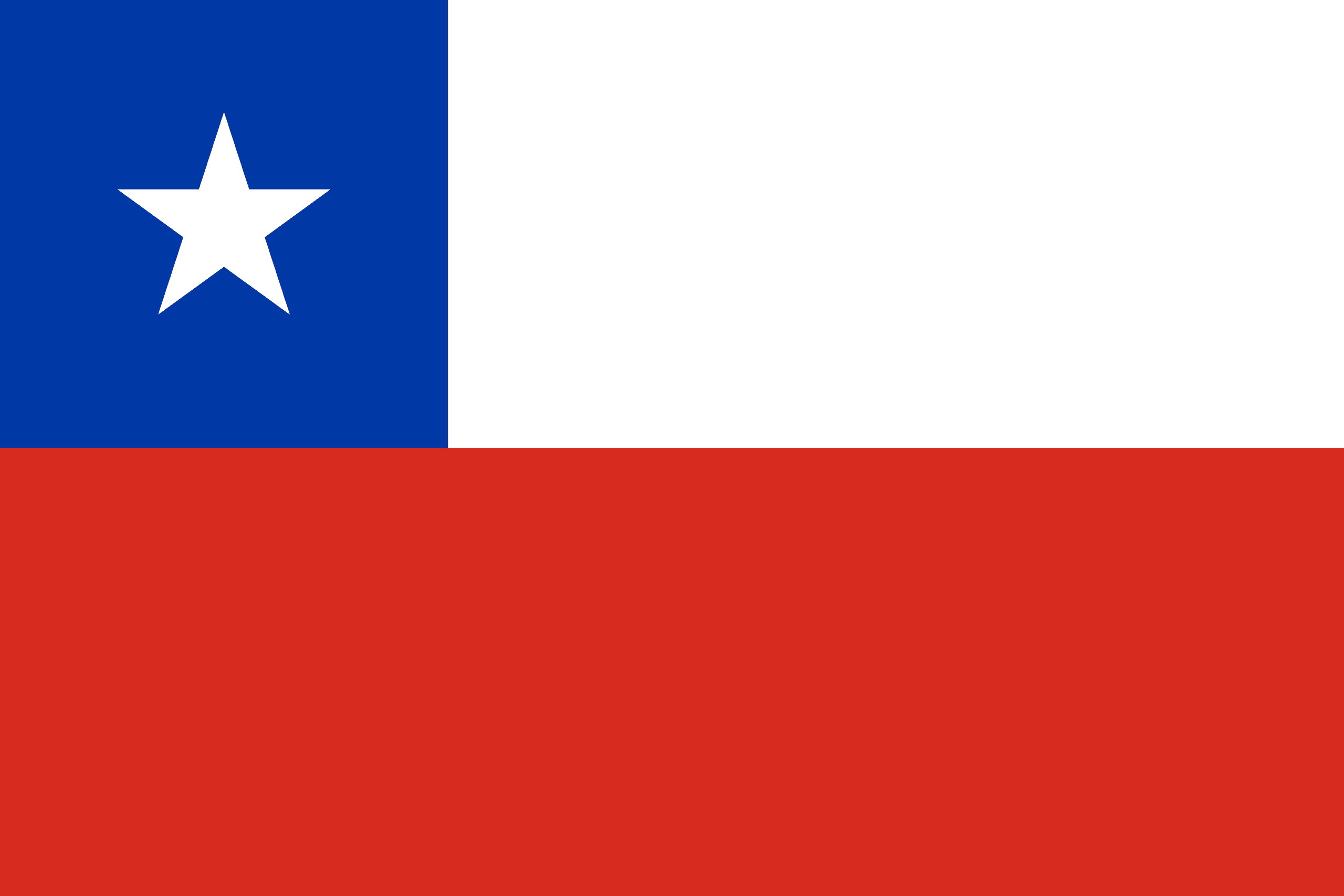
The flag of Chile has two horizontal bands, white over red, with a blue square bearing a single white star in the upper hoist. The white is said to represent the snow of the Andes, the red the blood of those who fought for independence, and the blue the sky and the Pacific. The lone star, which gives the flag its nickname, the lone star, stands as a guide to honour and progress.
Chile has historically been a Roman Catholic country, and the faith remains an important part of its culture, festivals, and traditions, even as the society has become notably more secular in recent decades. The share of people identifying as Catholic has fallen, evangelical Protestant churches have grown, and a significant portion of the population now reports no religion. Indigenous beliefs endure among the Mapuche and other native peoples.
Chilean cuisine draws on its long coast and fertile valleys. With thousands of kilometres of Pacific shoreline, seafood is central, from fish and shellfish to seaweed. The empanada, a baked or fried pastry filled with meat, is a national favourite, and dishes like pastel de choclo, a corn and meat pie, reflect the country's agricultural heart. Chilean wines, produced in the central valleys, are renowned worldwide and a great source of national pride.
Chile's varied climate, and its position in the Southern Hemisphere, make it a major agricultural exporter, able to supply fresh fruit to the Northern Hemisphere in its winter. The country is a leading exporter of grapes, cherries, and other fruit, as well as one of the world's great wine producers. Salmon farming in the cold southern waters is another major industry. Above all, however, Chile's economy rests on copper, of which it is the largest producer in the world.
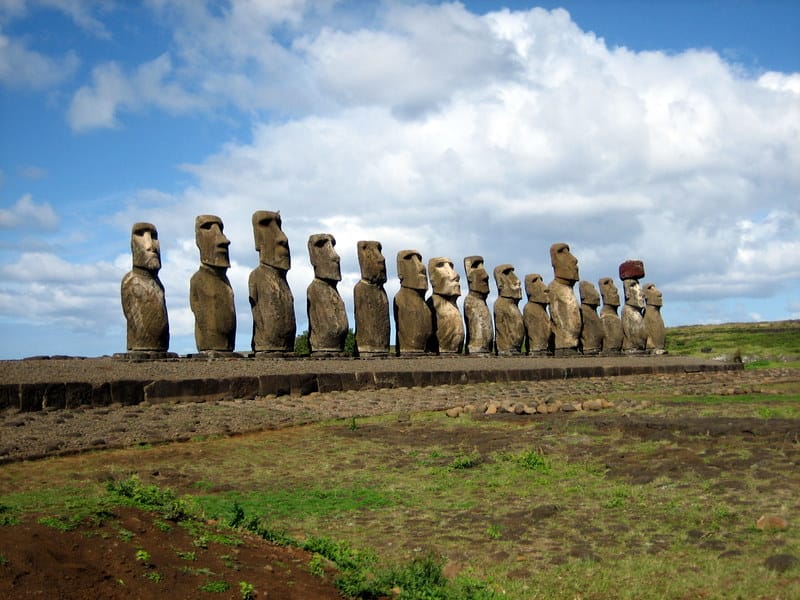
Chilean culture blends European and Indigenous roots with a strong sense of national identity forged in the country's isolation between the Andes and the sea. It is a land of poets, having given the world two Nobel laureates in literature, Gabriela Mistral and Pablo Neruda, and its folk and protest music, from the cueca danced at national festivals to the nueva cancion movement, runs deep. The Mapuche and other Indigenous peoples keep their own traditions and press for recognition, and far out in the Pacific lies one of Chile's most extraordinary possessions, Easter Island, or Rapa Nui, whose giant stone statues are among the most famous and mysterious monuments on Earth.
Half a century on, Chile is still arguing over its recent past and its future. The 1973 coup and the Pinochet dictatorship remain a raw dividing line: on the fiftieth anniversary in 2023 the country found it could not even fully agree on how to remember Allende, the coup, and the years of repression that followed. The free-market model built under the dictatorship made Chile prosperous but left deep inequality, and in 2019 that resentment exploded into vast protests. Chileans then voted overwhelmingly to write a new constitution to replace the one inherited from Pinochet, yet twice, in 2022 and 2023, they rejected the drafts produced, first a sweeping progressive charter and then a conservative one, leaving the old constitution in place. How to judge its dictatorship, and how to balance a successful market economy against demands for greater equality and a new social contract, remain open and deeply contested questions.
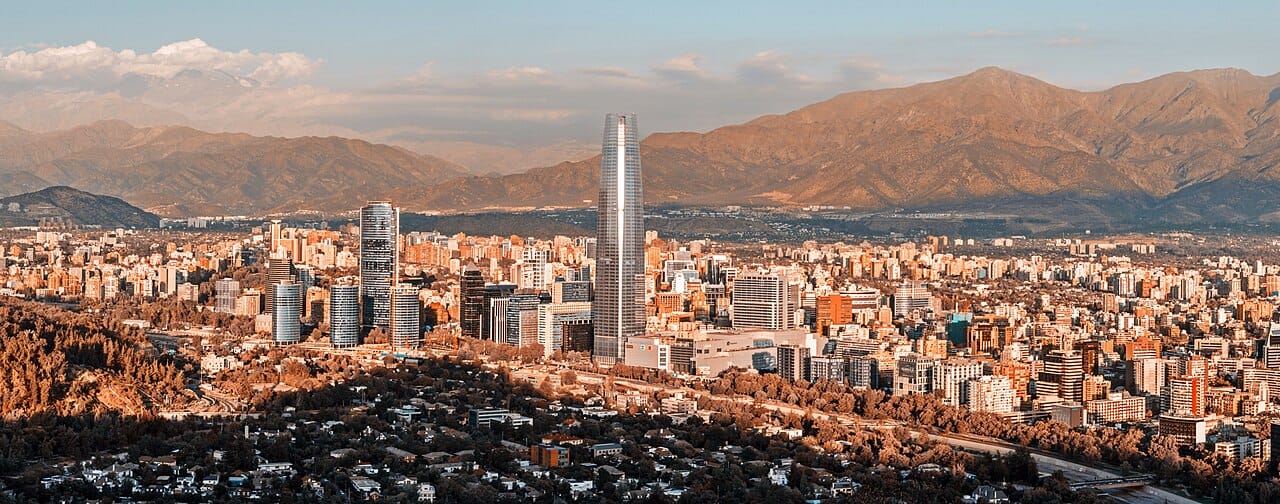
Chile has a population of around 20 million people, most of mixed European and Indigenous descent, along with Indigenous communities, the largest being the Mapuche. The population is overwhelmingly urban, concentrated in the central valley and above all in the capital, Santiago, which sits in a basin beneath the Andes. Chile enjoys one of the higher standards of living in Latin America, though debates over inequality have driven significant social and political change.