Brazil is the largest country in South America and the fifth largest in the world by area, covering almost half the continent. It holds the greater part of the Amazon rainforest, the most biodiverse region on the planet, alongside vast savannas, wetlands, and a long Atlantic coastline. The only Portuguese-speaking nation in the Americas, Brazil is a regional powerhouse known for its cultural energy, from football to Carnival.
Brazil's history runs from ancient Indigenous societies through three centuries as Portugal's largest colony to an unusual path to independence as a New World empire, and finally a modern republic.
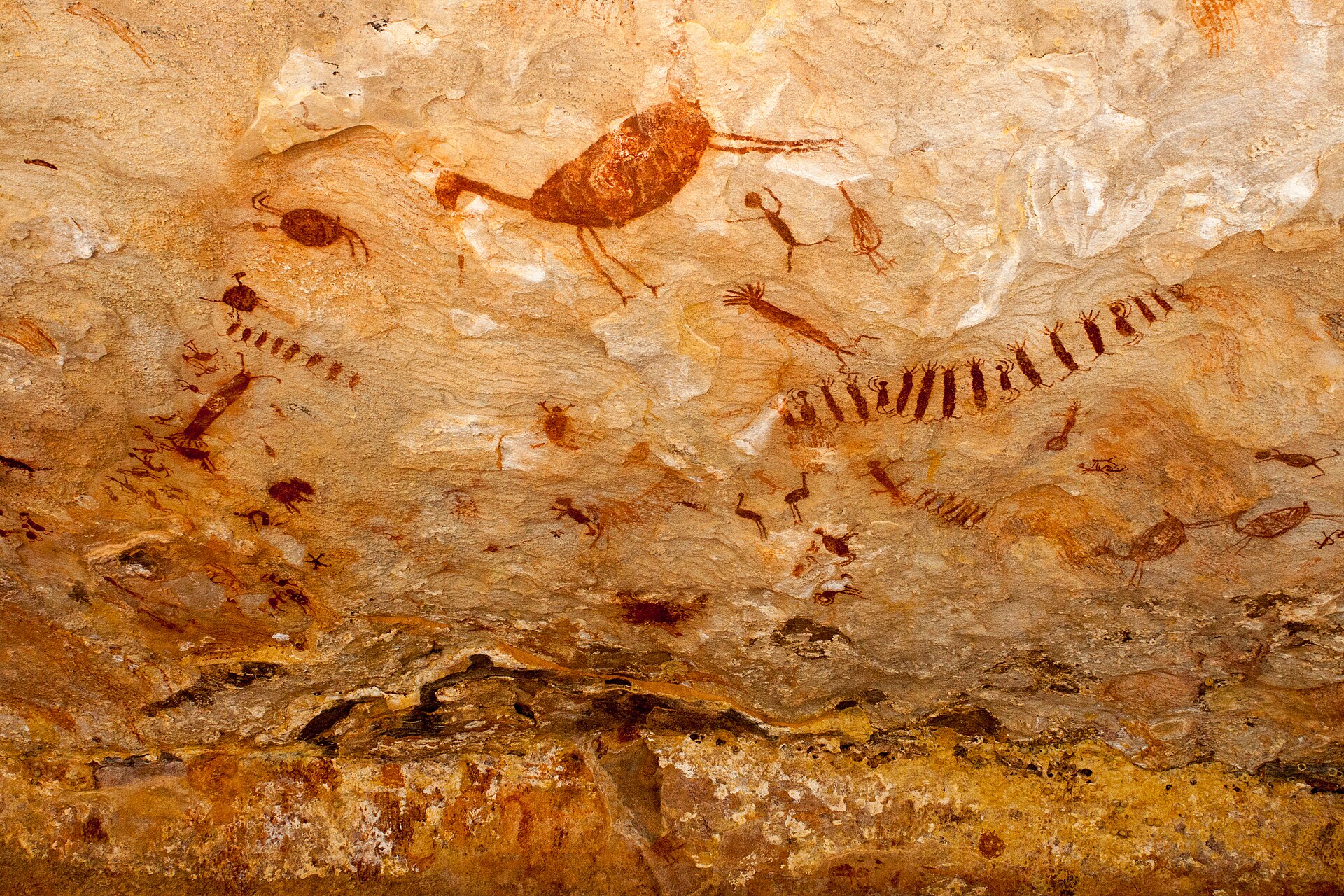
Long before European contact, the land was home to millions of Indigenous people in hundreds of groups, from Amazonian forest dwellers to societies that left rock art thousands of years old at sites such as Serra da Capivara. These peoples shaped the land and its plants, and their languages and foods remain woven through Brazilian culture.
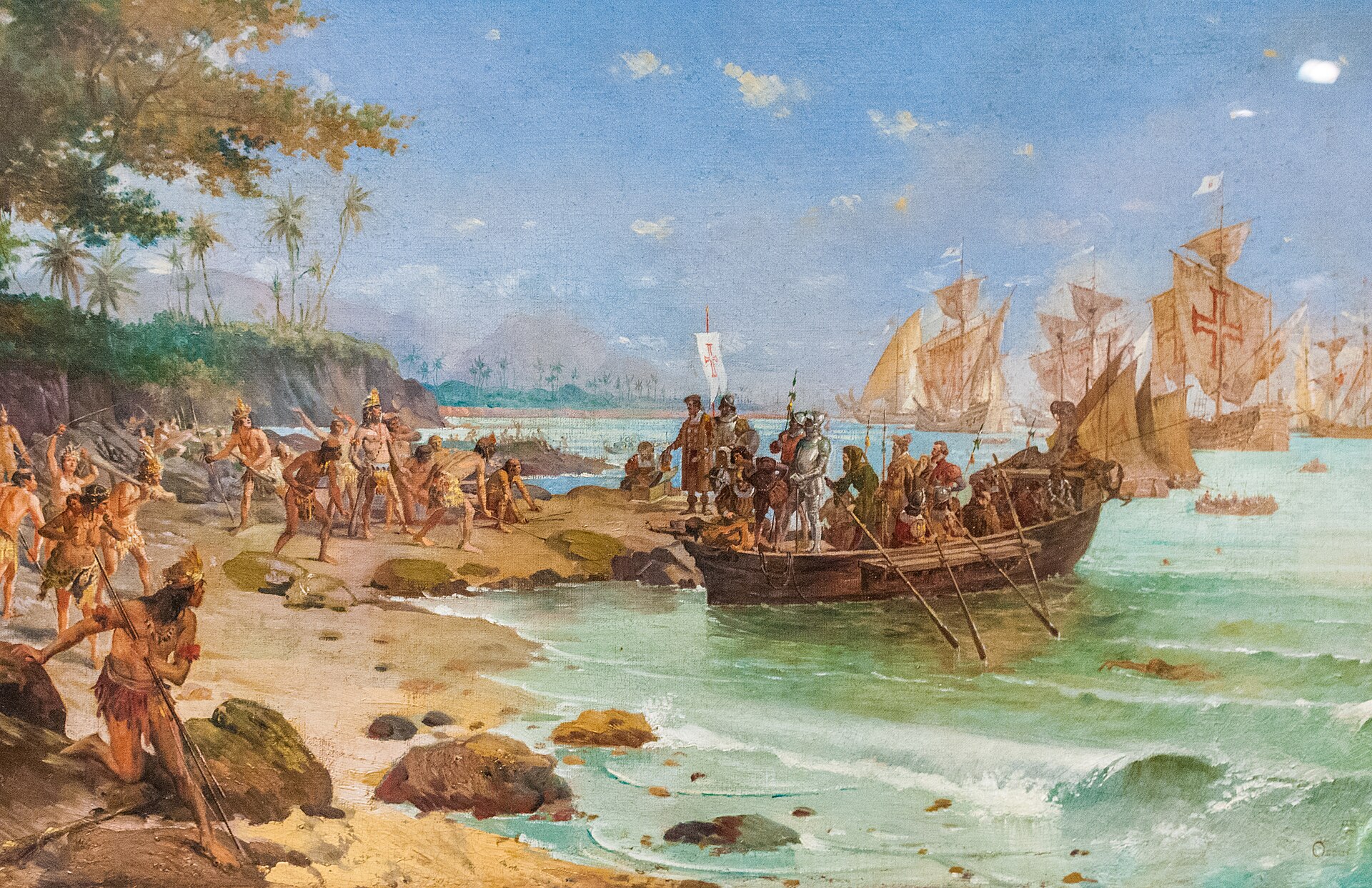
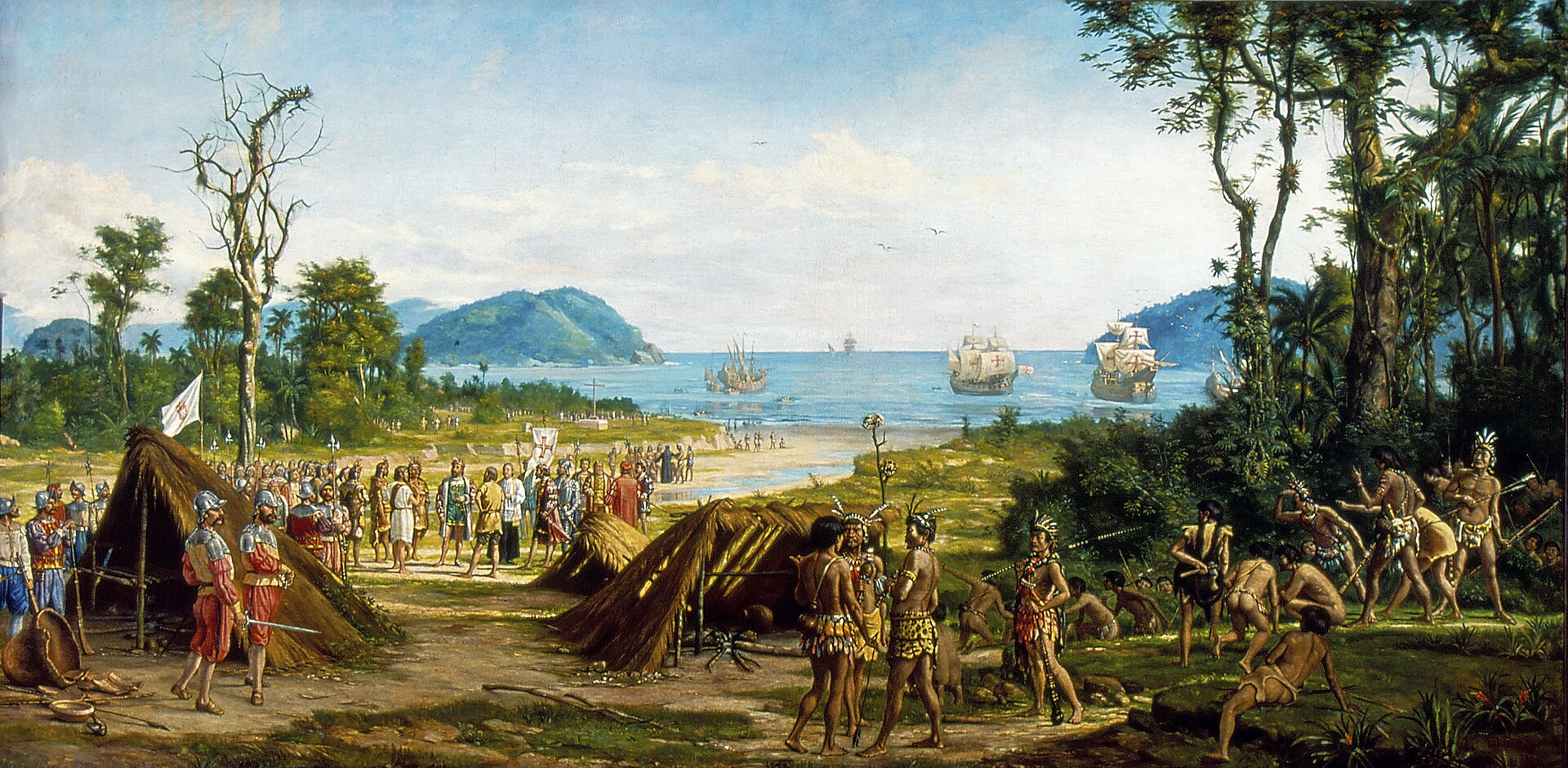
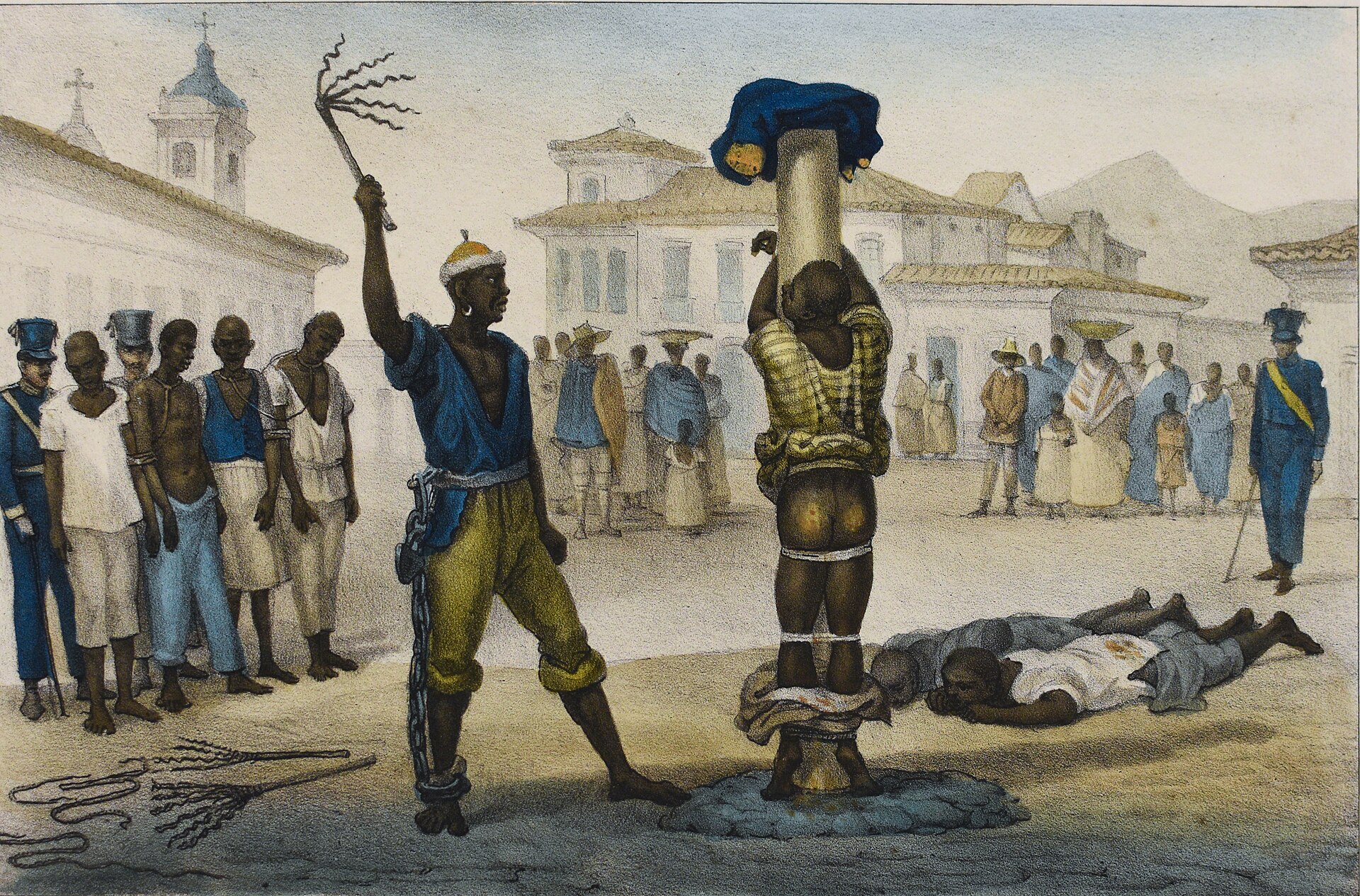
Portuguese ships under Pedro Alvares Cabral reached the coast in 1500, and over the following centuries Portugal built a colony on sugar, gold, and coffee, worked by enslaved Indigenous people and, on a vast scale, enslaved Africans. The first permanent towns, such as Sao Vicente, were founded in the early sixteenth century.
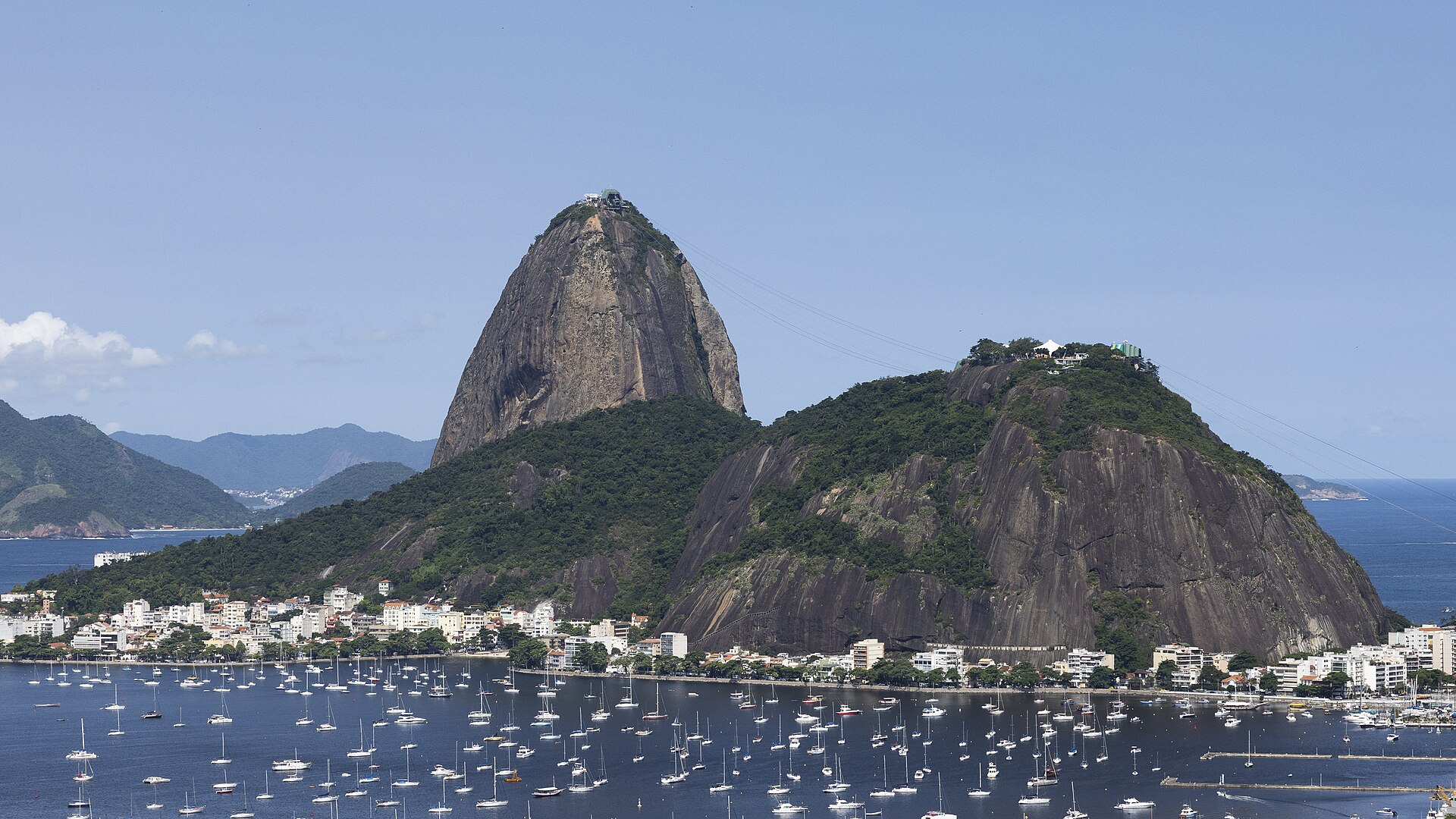
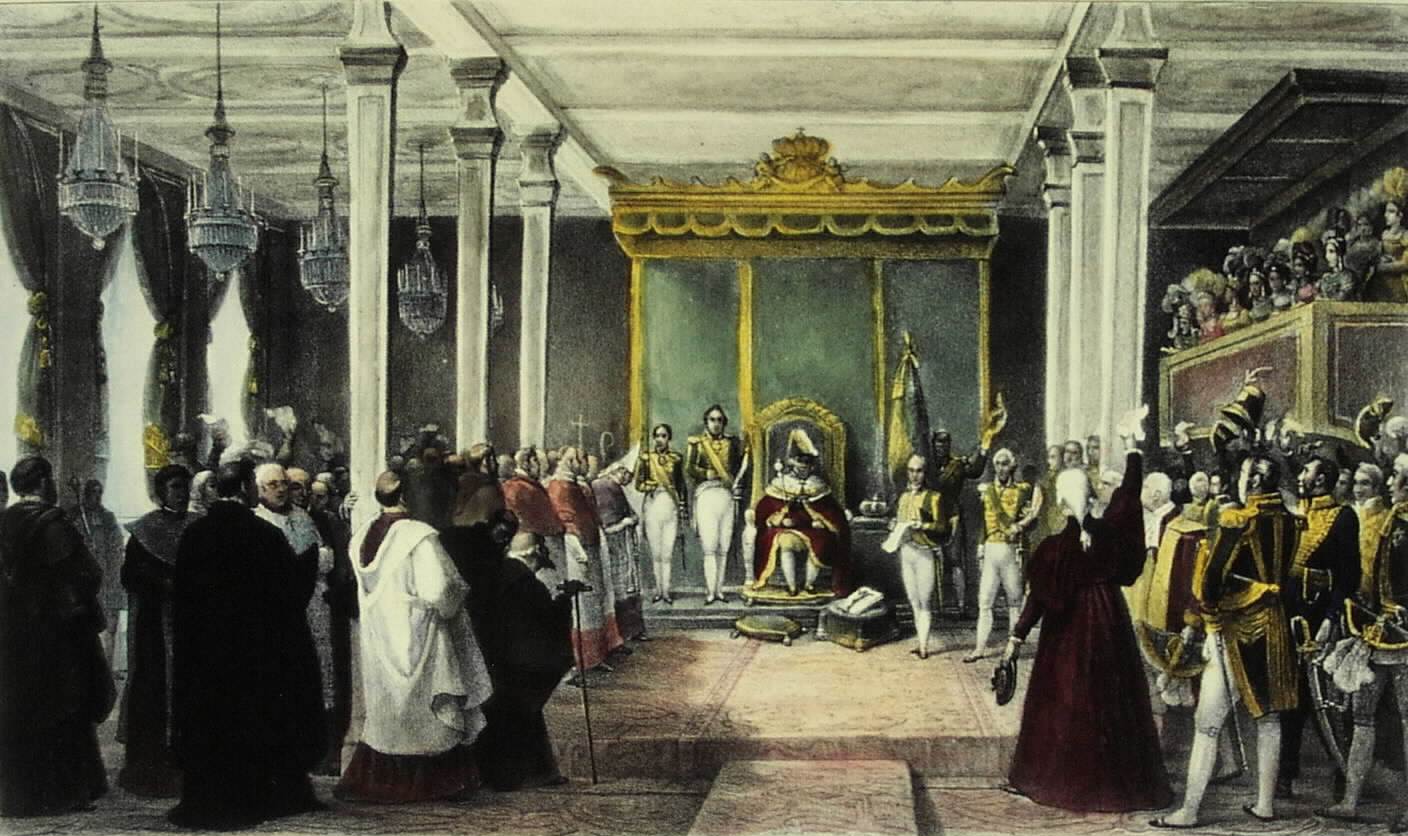
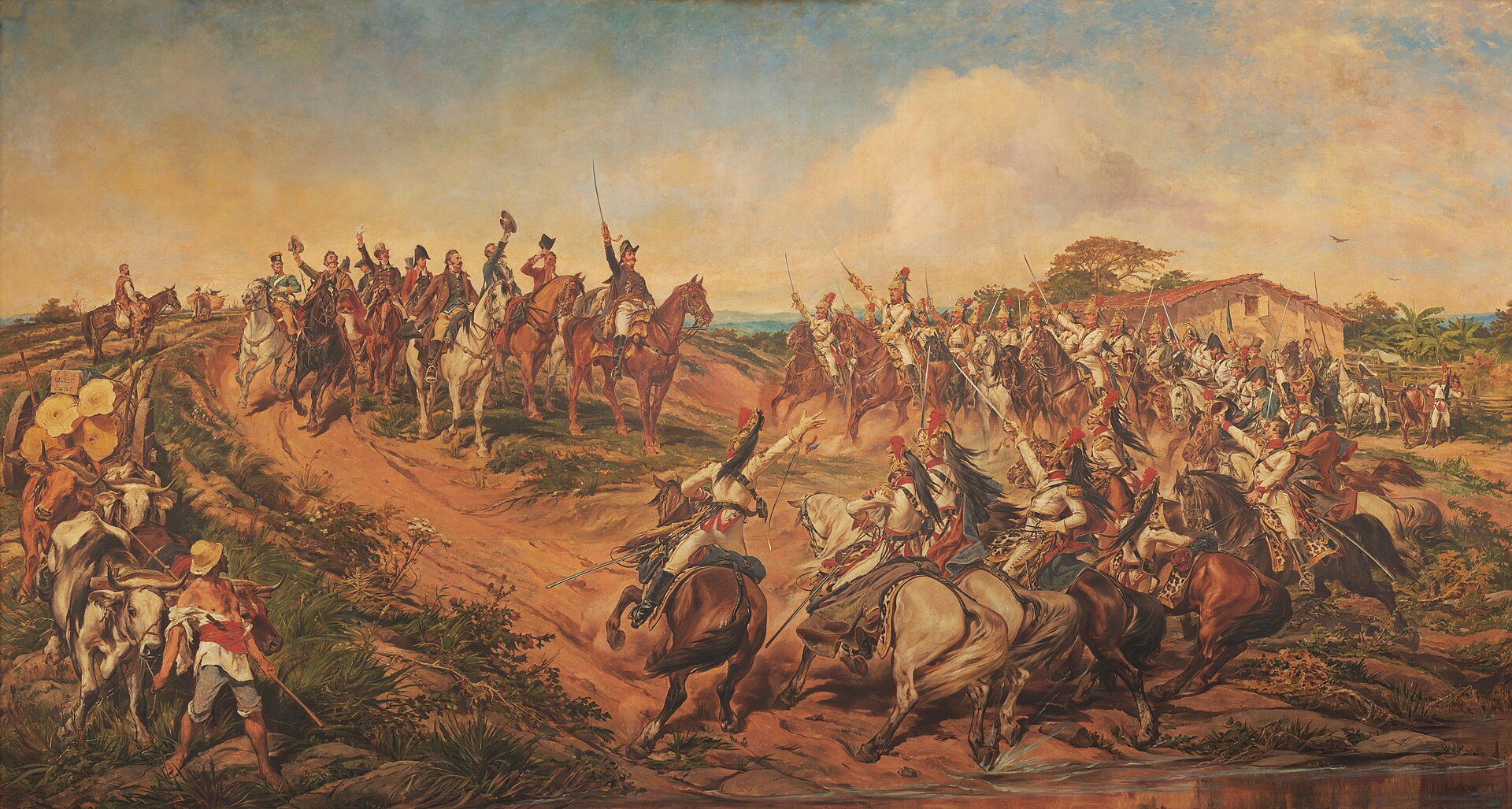
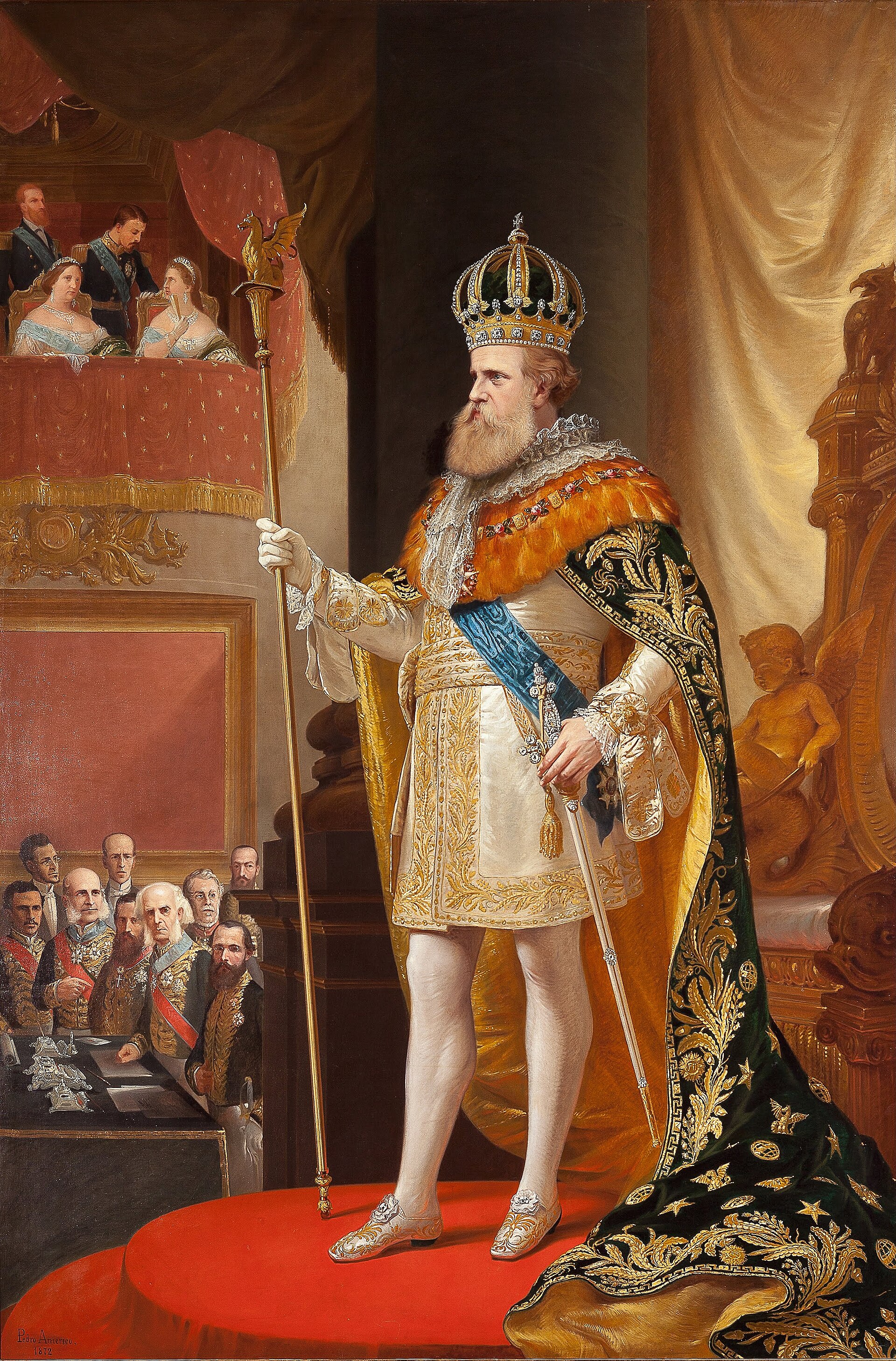
In 1808 the Portuguese royal court, fleeing Napoleon, relocated to Rio de Janeiro, briefly making the colony the seat of the entire Portuguese empire. When the king returned home, his son stayed and in 1822 declared Brazil independent, becoming Emperor Pedro I, an almost bloodless break that made Brazil a monarchy in a continent of republics. His son Pedro II presided over decades of stability and the slow end of slavery, before the monarchy was overthrown and a republic proclaimed in 1889.
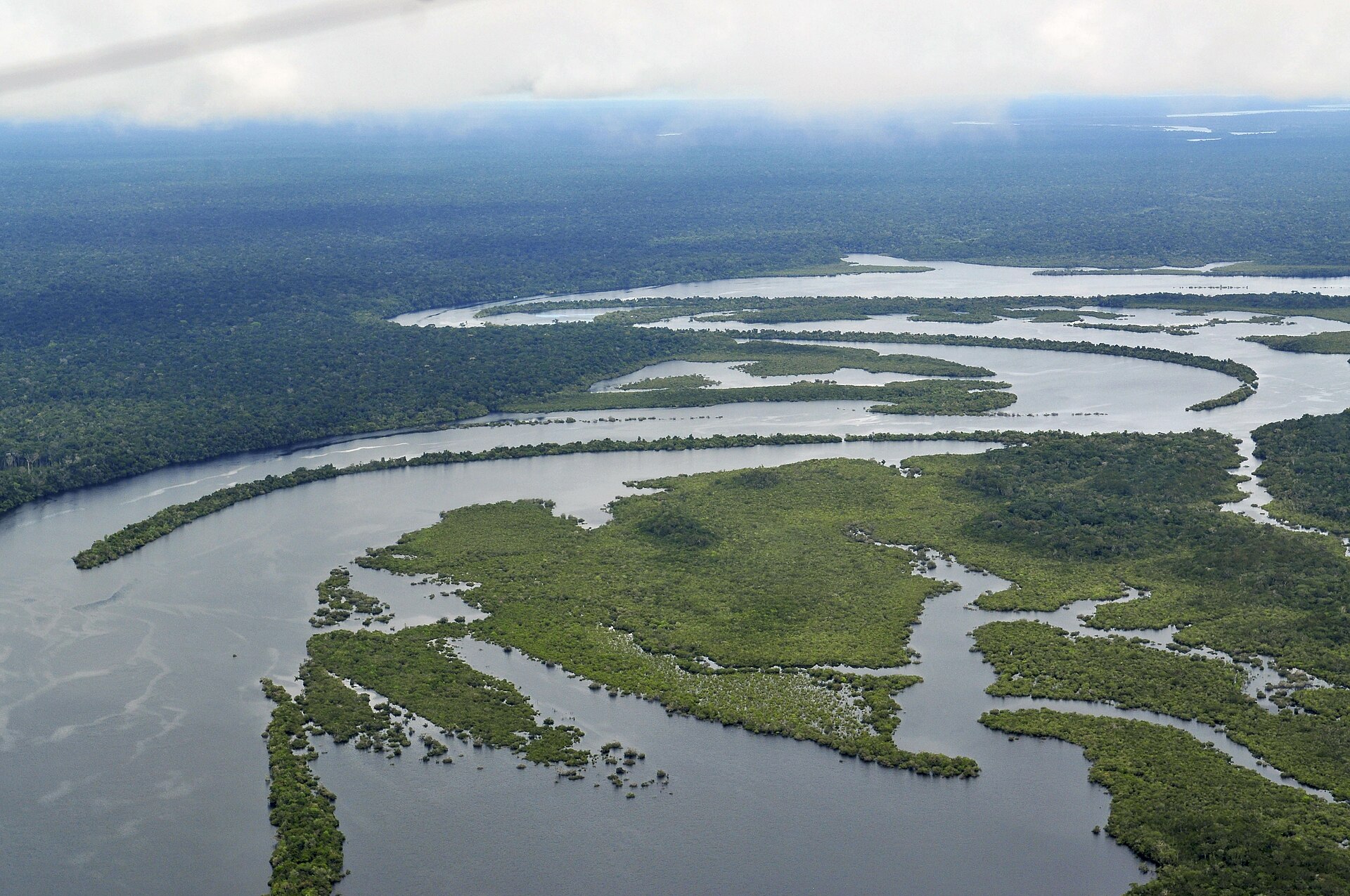
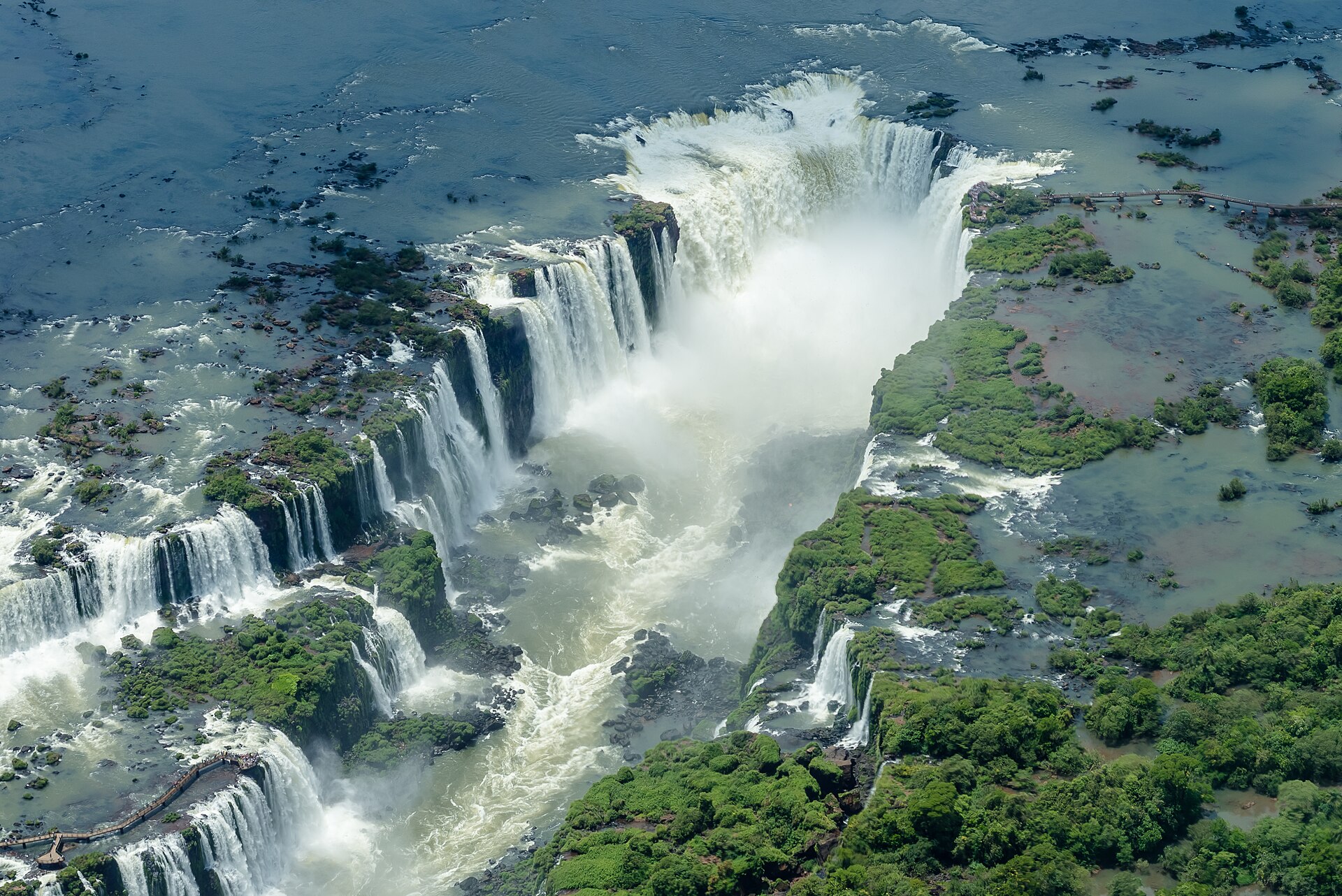
Brazil's geography is defined by the Amazon, the largest rainforest and river system on Earth, which dominates the north and shelters an unmatched diversity of life. To the south and east lie the cerrado savanna, the Pantanal wetlands, highland plateaus, and a coastline stretching more than 7,000 kilometres along the Atlantic, where most of the population lives. This vast and varied land gives Brazil enormous natural wealth and a central role in global conversations about the climate.
Brazil is a federal presidential republic, the largest democracy in Latin America, in which a directly elected president serves as both head of state and head of government, alongside a two-chamber national congress and twenty-six states. After two decades of military dictatorship ended in 1985, Brazil rebuilt a vigorous democracy under a new constitution adopted in 1988. Its politics is famously fragmented among many parties and, in recent years, sharply polarised.
Brazil has the largest economy in South America and ranks among the biggest in the world. It is an agricultural superpower and a major exporter of iron ore, oil, and manufactured goods, with a broad industrial base centred on Sao Paulo. Rich in natural resources and a leader in renewable energy through hydropower and biofuels, Brazil is a leading voice among emerging economies, though persistent inequality and cycles of boom and bust have long shadowed its growth.
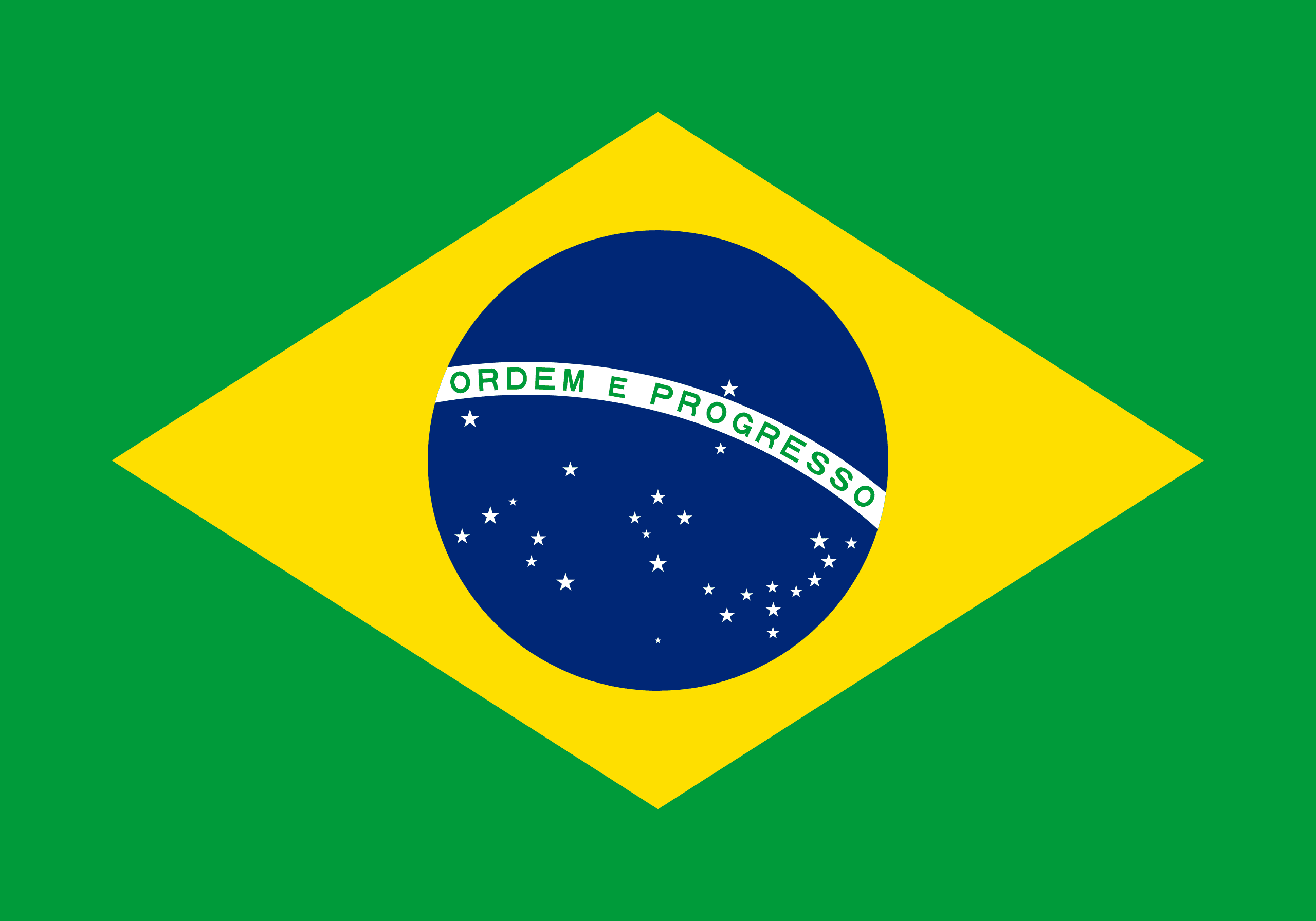
Brazil's flag shows a blue celestial globe set within a yellow rhombus on a green field. The green and yellow are commonly associated with the country's forests and mineral wealth. The blue globe is studded with white stars arranged as the night sky appeared over Rio de Janeiro on the day the republic was proclaimed, each star standing for a state. Across the globe runs a white band bearing the national motto, "Ordem e Progresso", meaning "Order and Progress".
Brazil is home to more Roman Catholics than any other country, a legacy of Portuguese colonisation, and Catholic festivals remain woven into national life. In recent decades evangelical Protestant churches have grown rapidly and now claim a large share of believers. Brazil is also known for vibrant Afro-Brazilian religions such as Candomble and Umbanda, brought and adapted by enslaved Africans, which blend African deities with Catholic saints and remain an important part of the country's spiritual fabric.
Brazilian food reflects its mixed heritage of Indigenous, African, and Portuguese influences. The national dish is feijoada, a rich stew of black beans with pork served with rice, greens, and orange. Rice and beans form the everyday foundation of most meals, while the southern tradition of churrasco, meats grilled over open flame, has spread worldwide. Cassava, tropical fruits, and seafood feature heavily, and the sugarcane spirit cachaca, the base of the caipirinha, is a national signature.
Brazil is an agricultural superpower and one of the world's great food exporters. It is the largest producer of coffee and oranges, a leading grower of soybeans and sugarcane, and a top exporter of beef and poultry. Its enormous interior, especially the cerrado, has been transformed into highly productive farmland, making agribusiness a pillar of the economy. That expansion has also driven tension over deforestation in the Amazon, where clearing land for crops and cattle remains a pressing environmental issue.
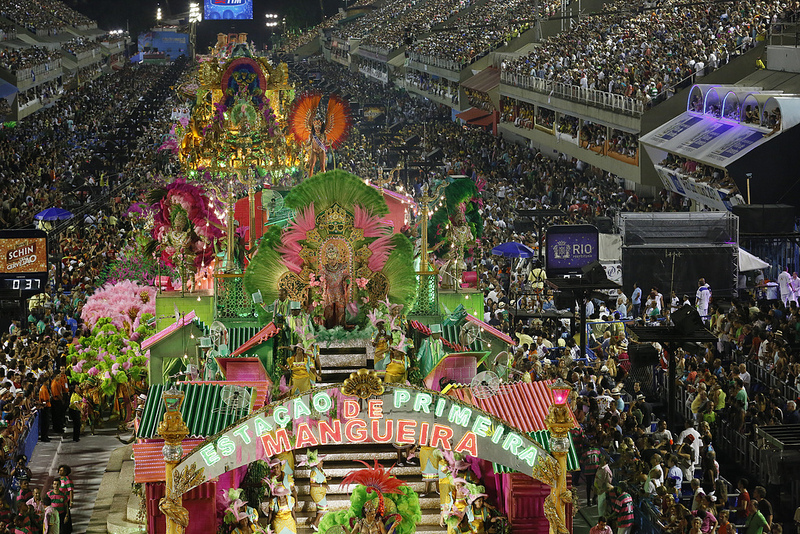
Few countries have a cultural identity as vivid as Brazil's. It is the land of football, which it has raised to an art and through which it has won the World Cup a record five times, and of Carnival, the explosive pre-Lenten festival famous above all in Rio de Janeiro. Its music, from samba and bossa nova to forro and funk, is loved worldwide, and its society, blending Indigenous, African, European, and other roots, gives the country a distinctive warmth and creativity.
Brazil faces sharp debates over its future. The fate of the Amazon rainforest, vital to the global climate yet steadily cleared for farming, cattle, and mining, sets demands for development and the livelihoods of those who live there against pressure to protect it, and it draws intense international attention. At home, the country wrestles with deep economic inequality, high rates of violent crime, corruption scandals that have toppled powerful figures, and a politics that has grown sharply polarised.
Brazil's history carries a heavy legacy: it received more enslaved Africans than any other country in the Americas and was the last nation in the Western world to abolish slavery, in 1888, an act that reshaped its society and population. Independence was declared in 1822 by Prince Pedro, who became the country's first emperor. In the modern era Brazil has become famous worldwide for football, having won the World Cup a record five times.
With around 216 million people, Brazil is the most populous country in South America and among the most populous in the world. Its people are among the most ethnically mixed anywhere, a blend of Indigenous, European, African, and more recent Asian and Middle Eastern ancestry. Most Brazilians live in cities along or near the coast, with huge metropolitan areas at Sao Paulo, the largest city in the Southern Hemisphere, and Rio de Janeiro.