Argentina is a large country in the southern part of South America, the second largest on the continent after Brazil. It stretches from the subtropical north down to the windswept tip of Patagonia near Antarctica, taking in the towering Andes mountains along its western border and the immense fertile plains known as the Pampas at its heart. It is a land famous for tango, football, beef, and a strong European-influenced culture.
Argentina's history runs from ancient Indigenous peoples through Spanish colonisation and a hard-won independence to a nation remade by a flood of European immigrants.
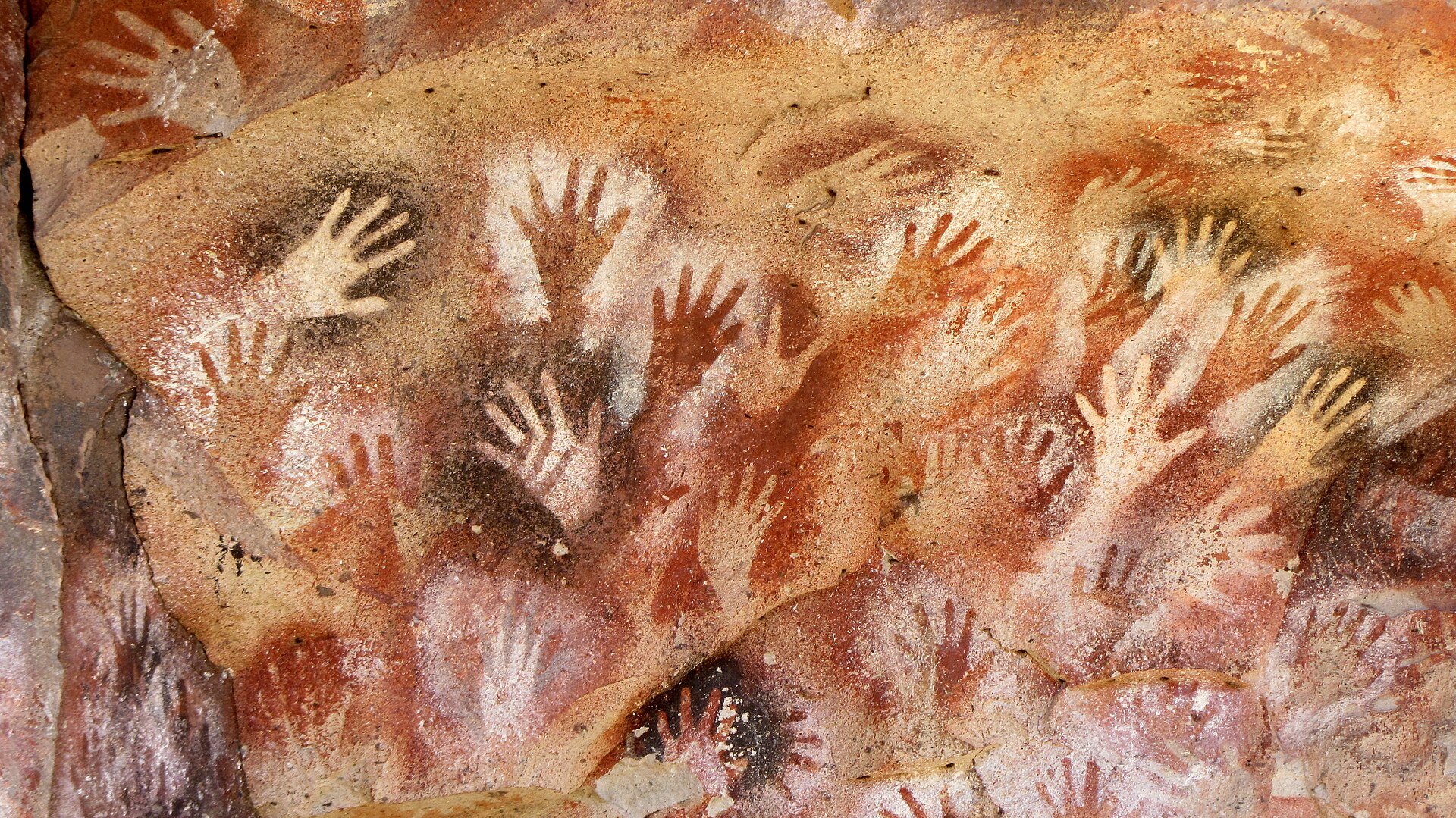
Long before Europeans arrived, the region was home to diverse Indigenous peoples, from settled farmers in the northwest, on the edge of the Inca world, to hunters of the southern plains and Patagonia. Their presence reaches deep into prehistory.
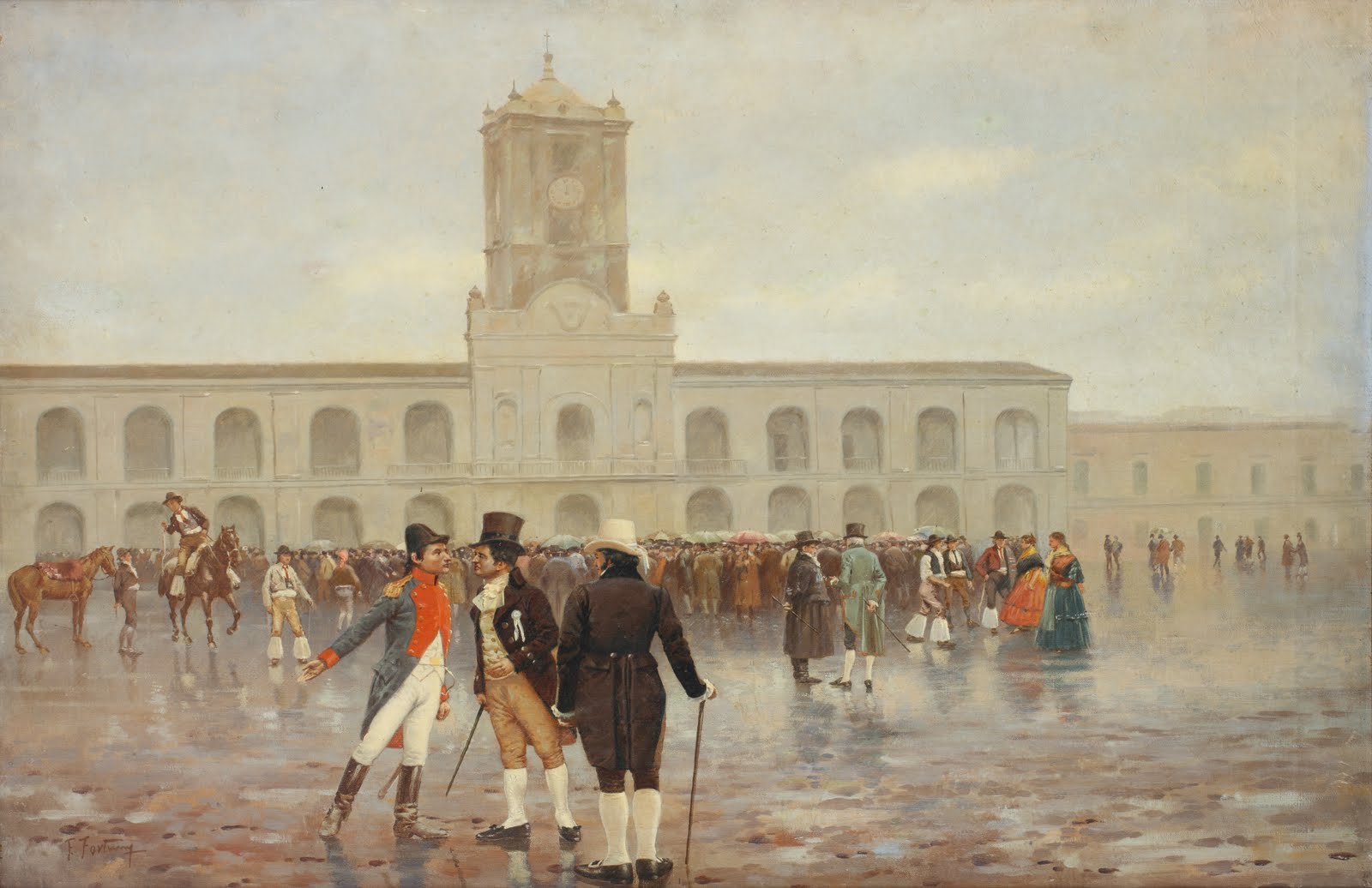
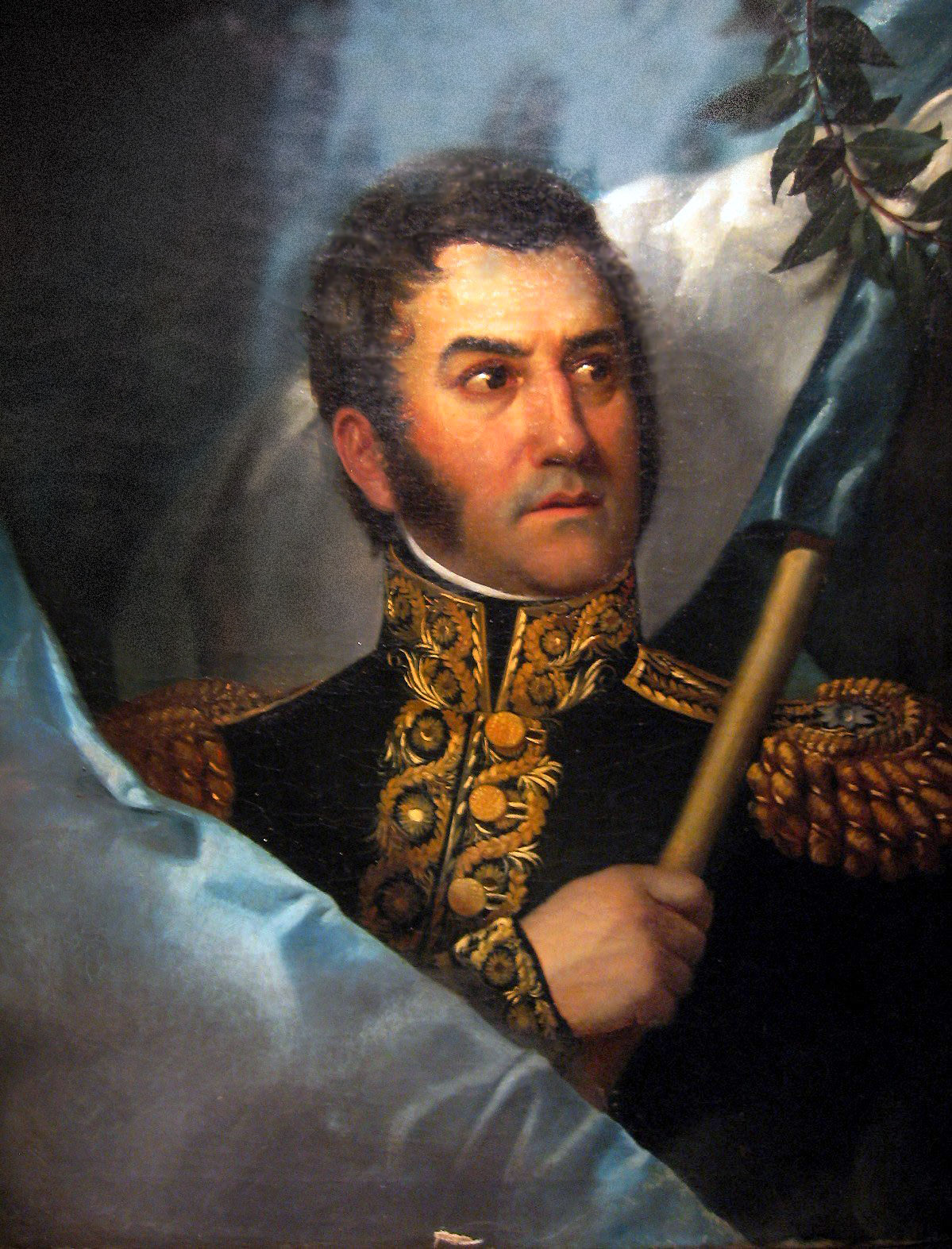
Spain colonised the region from the sixteenth century and founded Buenos Aires on the River Plate. The May Revolution of 1810 in Buenos Aires set independence in motion, and in 1816 Argentina formally broke from Spain. The general Jose de San Martin then carried the fight across the Andes, helping to liberate Chile and Peru as well.
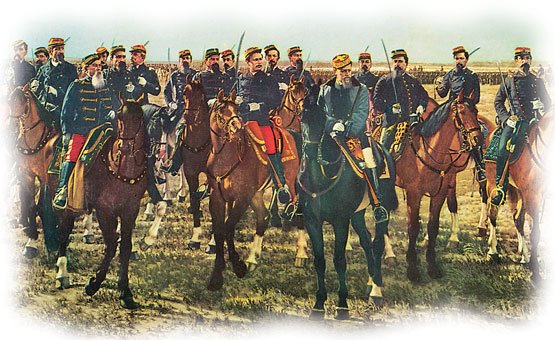
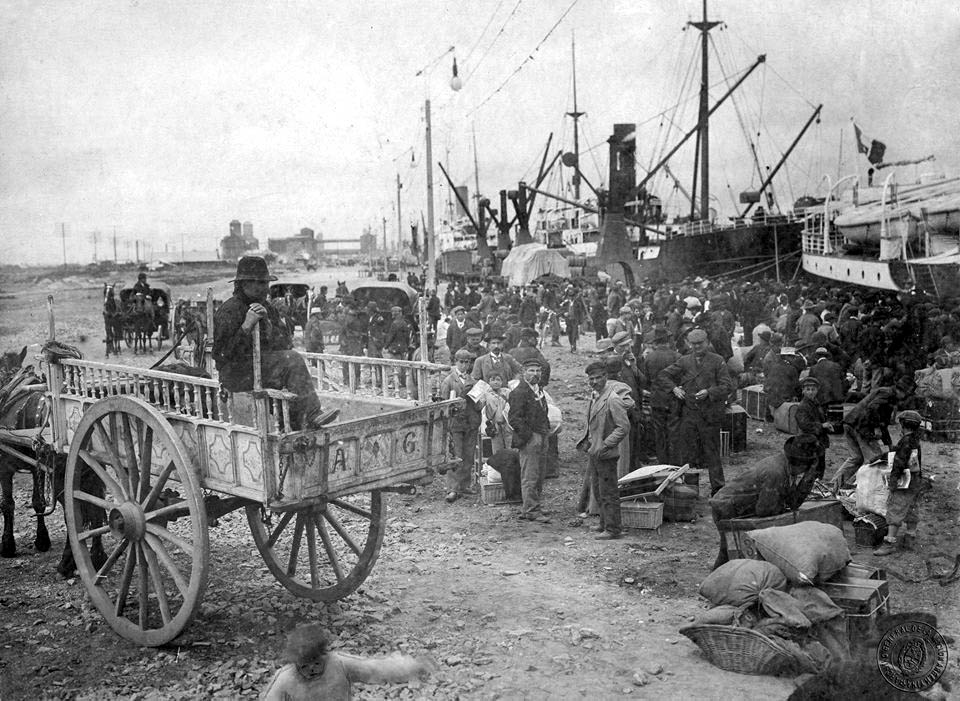
Through the nineteenth century the new nation extended its control over the interior and the south, including the violent Conquest of the Desert against Patagonia's Indigenous peoples. From the late 1800s a vast wave of European immigrants, above all Italians and Spaniards, poured into the country, transforming its population and giving Argentina its distinctly European character.
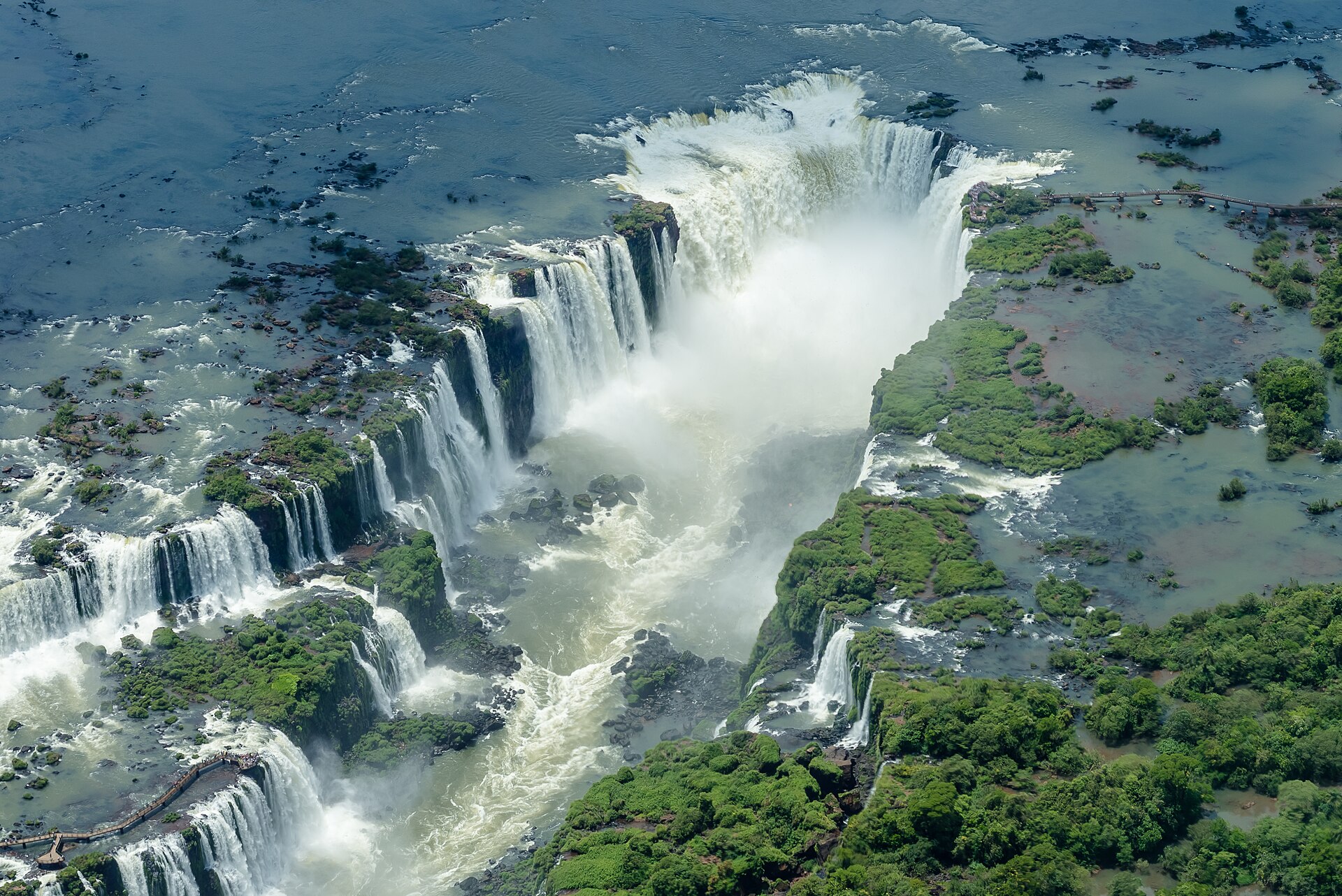
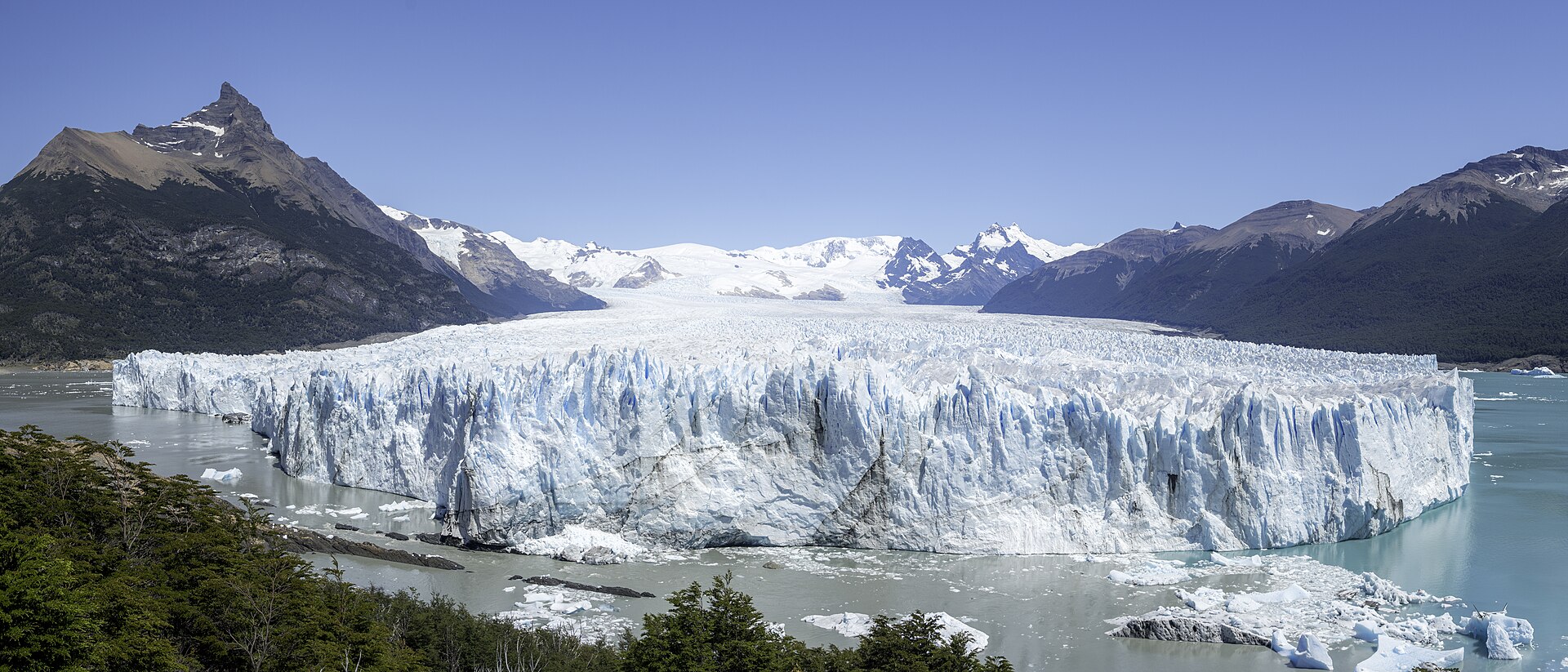
Argentina runs almost the full length of southern South America, giving it an enormous span of climates and scenery. The Andes form its western wall, rising to Aconcagua, the highest peak in the Americas. At the country's heart spread the Pampas, vast and fertile grasslands that are the engine of its farming. To the south lies Patagonia, a dry and windswept land of plateaus and glaciers reaching toward the southern ocean, while the far north holds subtropical forests and the thundering Iguazu Falls.
Argentina is a federal presidential republic of twenty-three provinces and the city of Buenos Aires. Its modern politics has been dominated for over seventy years by Peronism, the broad and often divided movement founded by Juan Peron, which still shapes the major parties. After decades that swung between civilian rule, military coups, and a brutal dictatorship in the 1970s and 1980s, Argentina returned to stable democracy in 1983, though its politics remains turbulent.
Argentina is rich in farmland and resources and was, a century ago, one of the wealthiest countries in the world. Since then its economy has been marked by a long pattern of boom and bust: recurring debt crises, high inflation, and currency collapses have repeatedly undone periods of growth. Agriculture and food processing remain the backbone of its exports, alongside energy and a substantial industrial and services base centred on Buenos Aires.

The Argentine flag has three horizontal bands, light blue on the top and bottom and white in the middle, with a golden Sun of May at its centre. The flag was created during the independence struggle, and the pale blue and white are often associated with the sky. The sun, with its alternating straight and wavy rays and a human face, recalls an Inca sun symbol and commemorates the May Revolution of 1810 that set independence in motion.
Roman Catholicism is the historic and majority faith of Argentina, brought by the Spanish and reinforced by the largely European origins of its people. The country drew global attention in 2013 when one of its own, the archbishop of Buenos Aires, was elected Pope Francis, the first pope from the Americas. As elsewhere, regular church attendance has declined and evangelical Protestant churches have grown, but Catholic culture remains deeply woven into national life.
Argentine cuisine is defined above all by beef, reflecting the country's vast cattle ranches. The asado, a slow barbecue of various cuts of meat over wood or charcoal, is the centrepiece of social life, a weekend ritual shared with family and friends. Empanadas, savoury filled pastries, are eaten everywhere, and strong Italian influence shows in the popularity of pasta and pizza. The national drink is mate, a bitter herbal infusion sipped through a metal straw from a shared gourd, a custom woven deeply into daily life.
Agriculture has long been the engine of Argentina's economy, thanks to the extraordinarily fertile soils of the Pampas. The country is one of the world's leading exporters of soybeans and soy products, along with corn, wheat, and sunflower oil. Cattle ranching on the open plains has made Argentine beef internationally renowned, and the western foothills of the Andes, especially around Mendoza, support a major wine industry famous for Malbec. These farm exports are central to the nation's earnings.
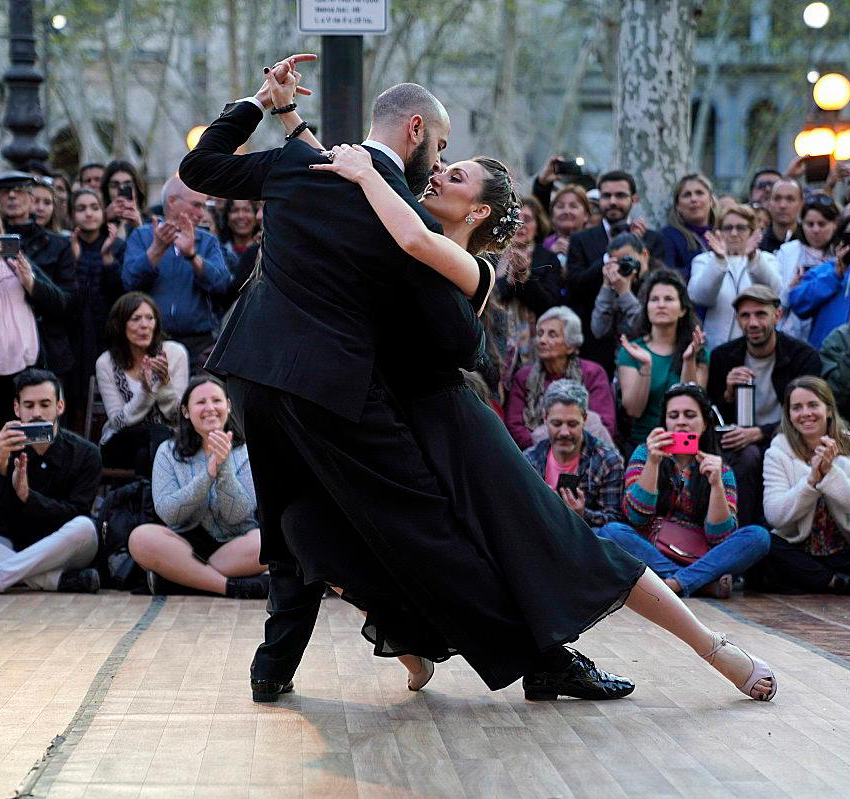
Argentine culture is vivid and proud, most famously expressed in the tango, the passionate music and dance born in the working-class neighbourhoods of Buenos Aires. Football is close to a religion, and Argentina has produced some of the greatest players in history. The country also has a rich literary and intellectual tradition, and its strong European roots show in its architecture, cafe life, and the daily ritual of sharing mate.
Argentina's defining struggle is economic: chronic inflation, debt defaults, and currency crises recur decade after decade, fuelling fierce debate over how to break the cycle. The country also maintains its claim to the Falkland Islands, which it calls the Malvinas, held by Britain and lost in a war in 1982, a dispute that remains a point of national feeling. Argentines also continue to reckon with the memory of the dictatorship and the thousands who were disappeared.
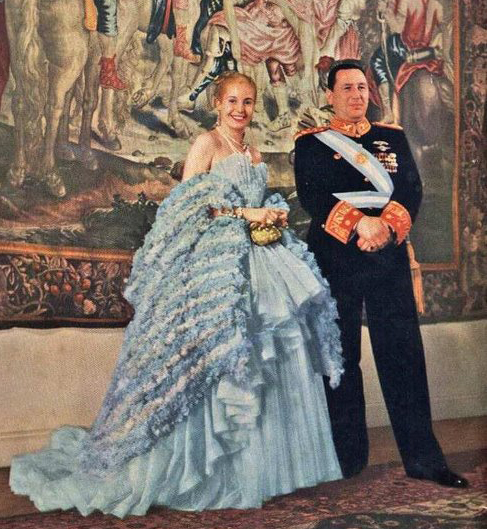
The twentieth century in Argentina was dominated by the figure of Juan Peron, a populist leader whose movement, carried in part by his charismatic wife Eva, reshaped politics and remains influential to this day. The country also lived through a brutal military dictatorship in the 1970s and 1980s, during which thousands of people were forcibly disappeared, and fought a short war with Britain over the Falkland Islands in 1982 before returning to democracy.
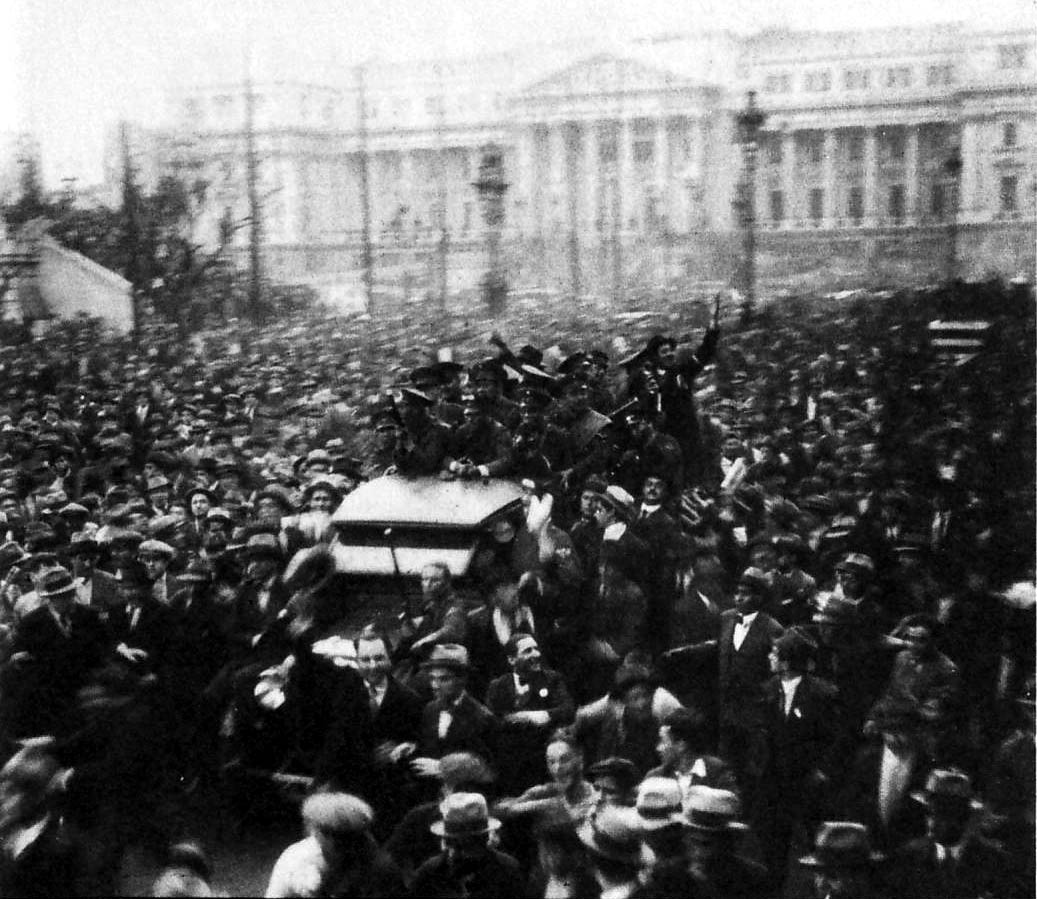
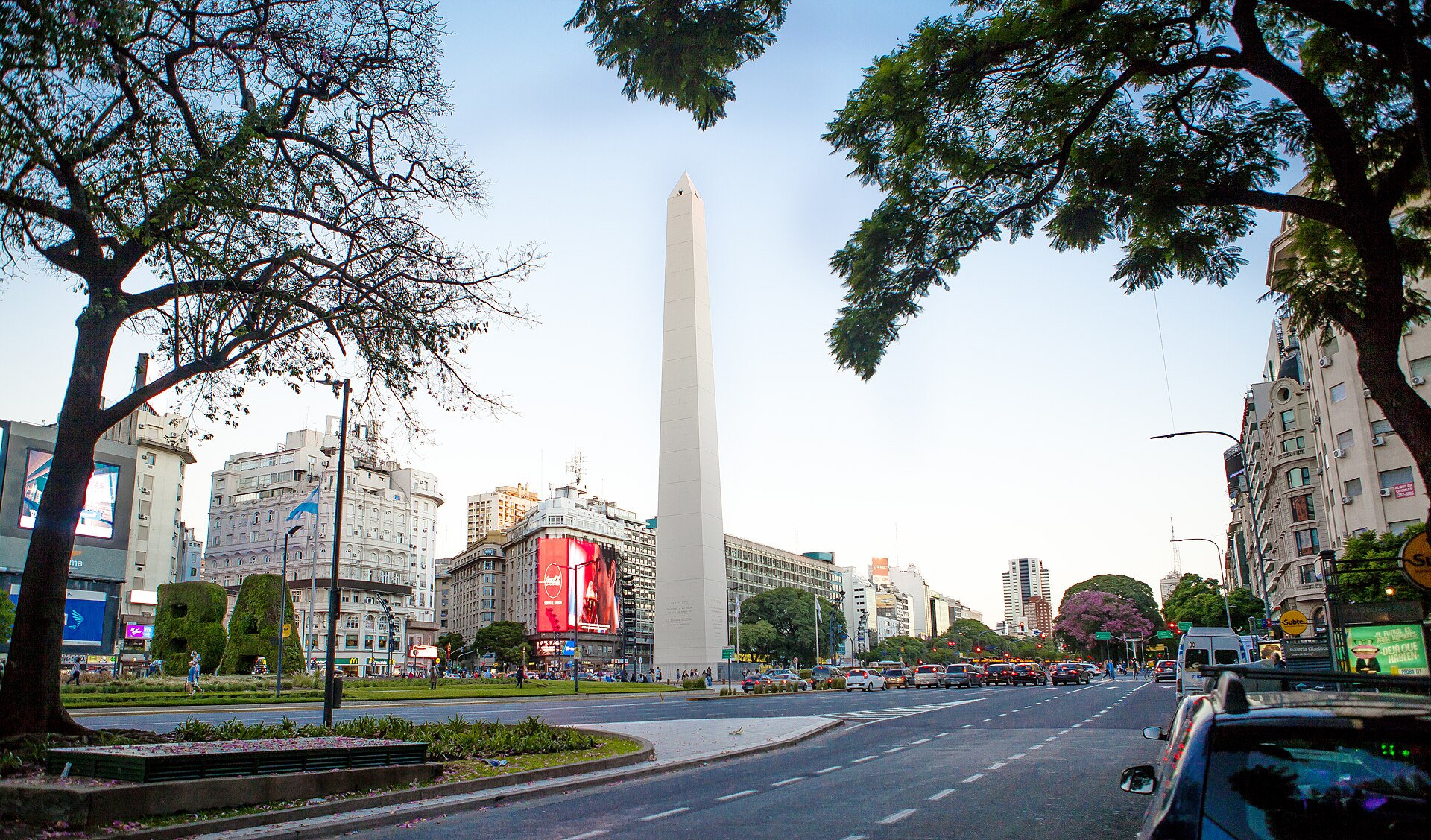
Argentina has a population of around 46 million people, the majority descended from European immigrants, above all Italians and Spaniards, giving the country a distinctly European character compared with much of Latin America. The population is highly urban, concentrated overwhelmingly in and around Buenos Aires, whose metropolitan area holds roughly a third of all Argentines. Despite recurring economic difficulties, Argentina maintains high levels of education and a rich cultural life in literature, cinema, music, and sport.