The mid-twentieth-century programme of clearing dense older neighbourhoods and rebuilding them to a plan. It reshaped cities across North America and Europe, it is now widely regarded as one of the great policy failures of the period, and the argument about what exactly failed is unfinished.
The programmes ran roughly from the 1940s to the early 1970s, funded in the United States by the Housing Act of 1949 and its successors, and by comparable measures elsewhere.
The stated aims were real problems. Older inner-city housing was often genuinely unsafe: overcrowded, without adequate sanitation, and built before any building code. Tuberculosis rates were high. Cities were also losing tax base to suburbs and wanted to compete.
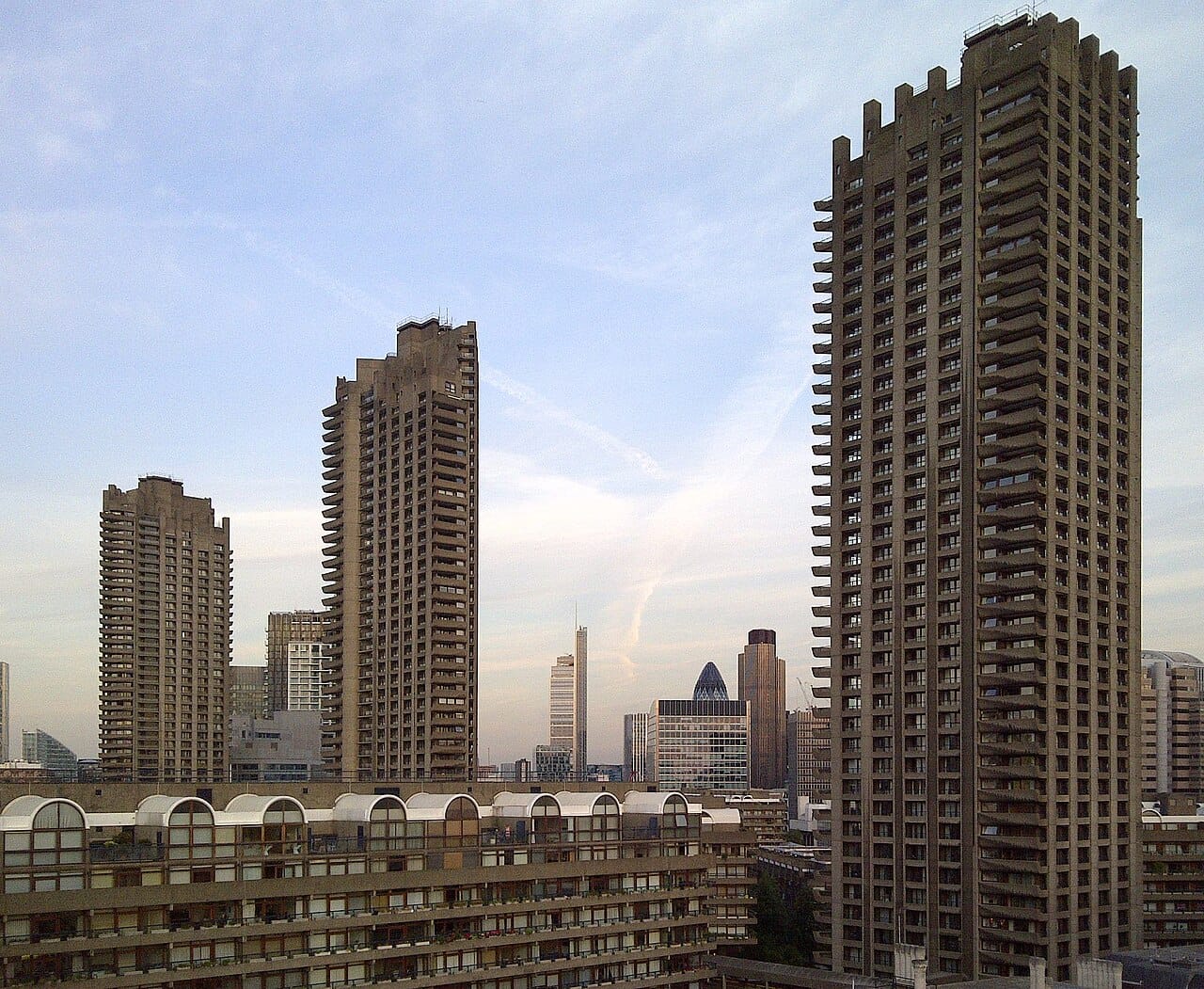
The method was clearance. An area was declared blighted, acquired compulsorily, demolished entirely, and rebuilt with towers set in open space, civic buildings, or highways. The design theory behind it came largely from modernist planning, which held that separating functions and admitting light and air would produce healthier cities.
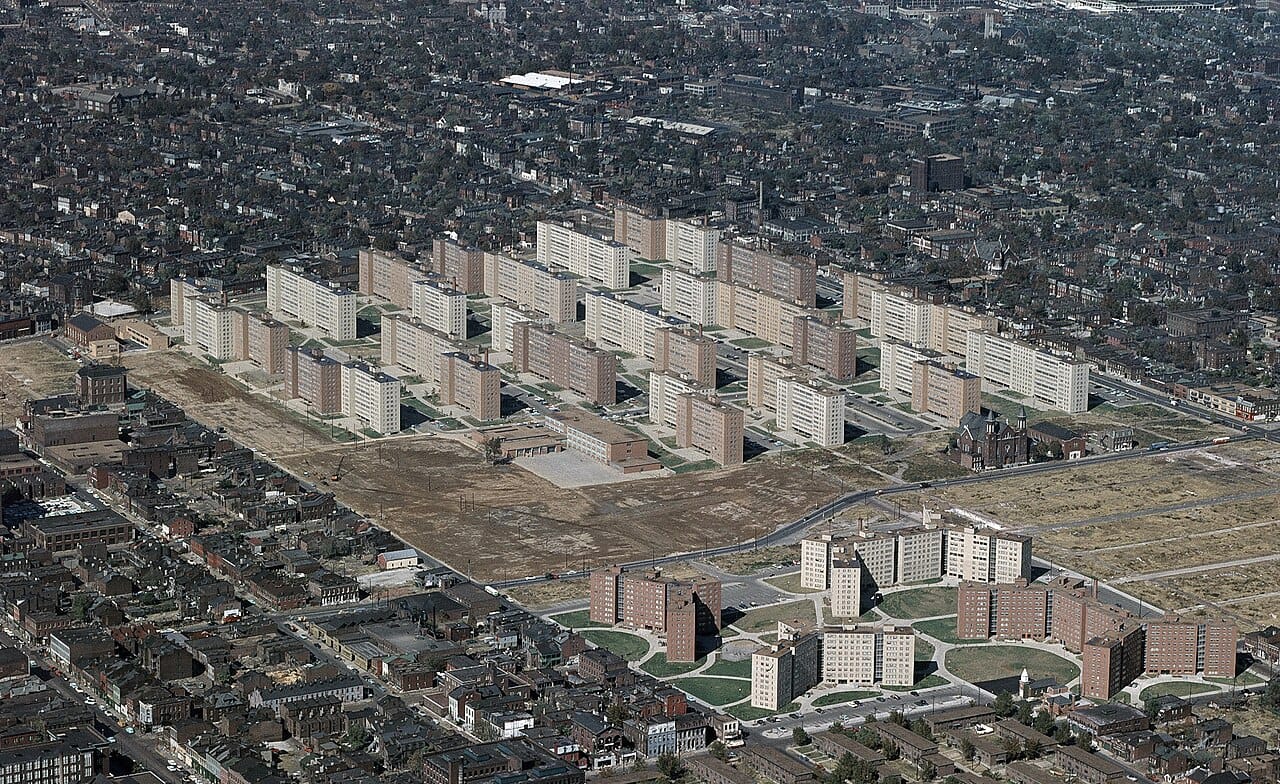
Pruitt-Igoe in St Louis is the emblem. Completed in 1956, thirty-three towers of public housing, awarded for its design, and dynamited from 1972 after conditions became intolerable. Footage of the demolition became the standard illustration of modernist planning's failure, and the architectural historian Charles Jencks dated the death of modern architecture to it.
The usual explanation is architectural: the towers were inhuman in scale, the shared spaces were unowned and unsupervised, and the design destroyed the street life that made the old neighbourhoods work.
That explanation is now widely regarded as incomplete. Later research, particularly Katharine Bristol's 1991 account, documented that Pruitt-Igoe was underfunded from the start, that its maintenance budget depended on rents from a population that was becoming poorer as employment left the city, that racial segregation concentrated the most disadvantaged tenants in it, and that the same architecture elsewhere, maintained and occupied differently, did not fail. Blaming the buildings, on this reading, absolved the policy.
Clearance destroyed functioning communities. Displacement fell overwhelmingly on poor and minority neighbourhoods, so consistently that in the United States urban renewal acquired the name Negro removal, used by James Baldwin among others. Between one and two million people were displaced by American programmes, and compensation and rehousing were frequently inadequate or absent.
Small businesses were destroyed at scale, since a shop's value lies in its location and its customers and neither transfers to a relocation payment.
Urban highways were often routed deliberately through the same neighbourhoods, because land there was cheapest and resistance weakest, severing districts that had been continuous and leaving a permanent barrier.
And much of the cleared land was not rebuilt for years or at all, because the redevelopment depended on private investment that did not arrive.

Jane Jacobs's The Death and Life of Great American Cities, published in 1961, is the decisive text. Her argument was empirical rather than aesthetic: she described what actually happened on functioning streets, and argued that density, mixed uses, short blocks and buildings of varied age produced the safety and vitality that planners were trying to design from scratch and destroying in the attempt.
Her phrase eyes on the street named the mechanism: streets are made safe by ordinary people using them and watching them, and a design that empties the street of purpose removes the thing that was keeping it safe.
Jacobs also organised. The proposed Lower Manhattan Expressway, which would have cut through SoHo and Little Italy, was defeated, and that defeat marked the point at which the political balance shifted.
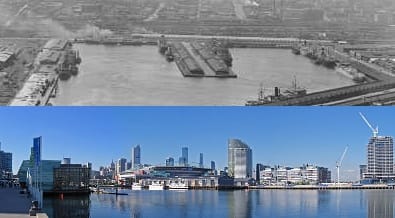
That clearance was destructive is now consensus. Beyond that there is disagreement.
One reading is that the failure was modernist design, and that better urban form, mixed use, human scale, active frontages, would have succeeded. Contemporary planning has largely adopted this position.
A second is that the failure was procedural: decisions imposed on communities without their participation will fail whatever gets built, and the remedy is consultation and local control.
A third holds that the failure was economic and racial, that the buildings were incidental, and that concentrating poverty while withdrawing investment and maintenance produces the same outcome in any architecture. This reading has gained ground.
The distinction matters because the underlying pressures did not go away. Contemporary redevelopment is incremental and mixed-use rather than wholesale, and it still displaces people, still falls hardest on those with the least security of tenure, and is still contested in much the same terms.