Brutalism is a postwar architectural movement built around exposed structure and raw concrete. It produced buildings that are among the most admired and most hated of the twentieth century, frequently the same buildings, and the argument about them is not really about aesthetics.
The term derives from beton brut, French for raw concrete, used by Le Corbusier to describe concrete left with the marks of its wooden formwork visible rather than being rendered or clad.

Reyner Banham's 1955 essay The New Brutalism gave it currency in Britain. Banham defined it by three properties: the plan legible from the outside, structure exhibited rather than concealed, and materials valued as found. The frequent claim that the word comes from brutal is false, though the coincidence certainly helped the term stick.
Brutalism was a public architecture. Its major works are council housing, universities, libraries, theatres, city halls and government offices, built across roughly 1950 to 1980 in a period of state investment and postwar reconstruction.
The material was part of the argument. Concrete was cheap, quick, and did not require the craft trades that war had depleted. Honesty about materials was an ethical position: a building should not pretend to be made of something it was not, and it should not hide how it stands up.
By the 1970s public opinion had turned hard. The objections were consistent across countries.
Concrete weathers badly in wet climates. The surfaces streak, stain and grow algae, and a building designed for a crisp grey often turned a blotchy black within a decade. Much of the criticism is really about maintenance budgets that were cut.
The buildings are large and often read as overbearing at street level, with blank walls and raised walkways that empty the pavement. Elevated decks intended as streets in the sky were poorly overlooked and became unsafe.
And the association with failed social housing was decisive. Buildings put up cheaply, allocated badly, and then left unmaintained produced conditions residents hated, and the style became the visible symbol of the whole policy.
Advocates point out that the failures were rarely architectural. Underfunded maintenance, allocation policy, and the deliberate concentration of disadvantage would have produced the same outcomes in any style, and comparable buildings that were properly maintained have not failed.
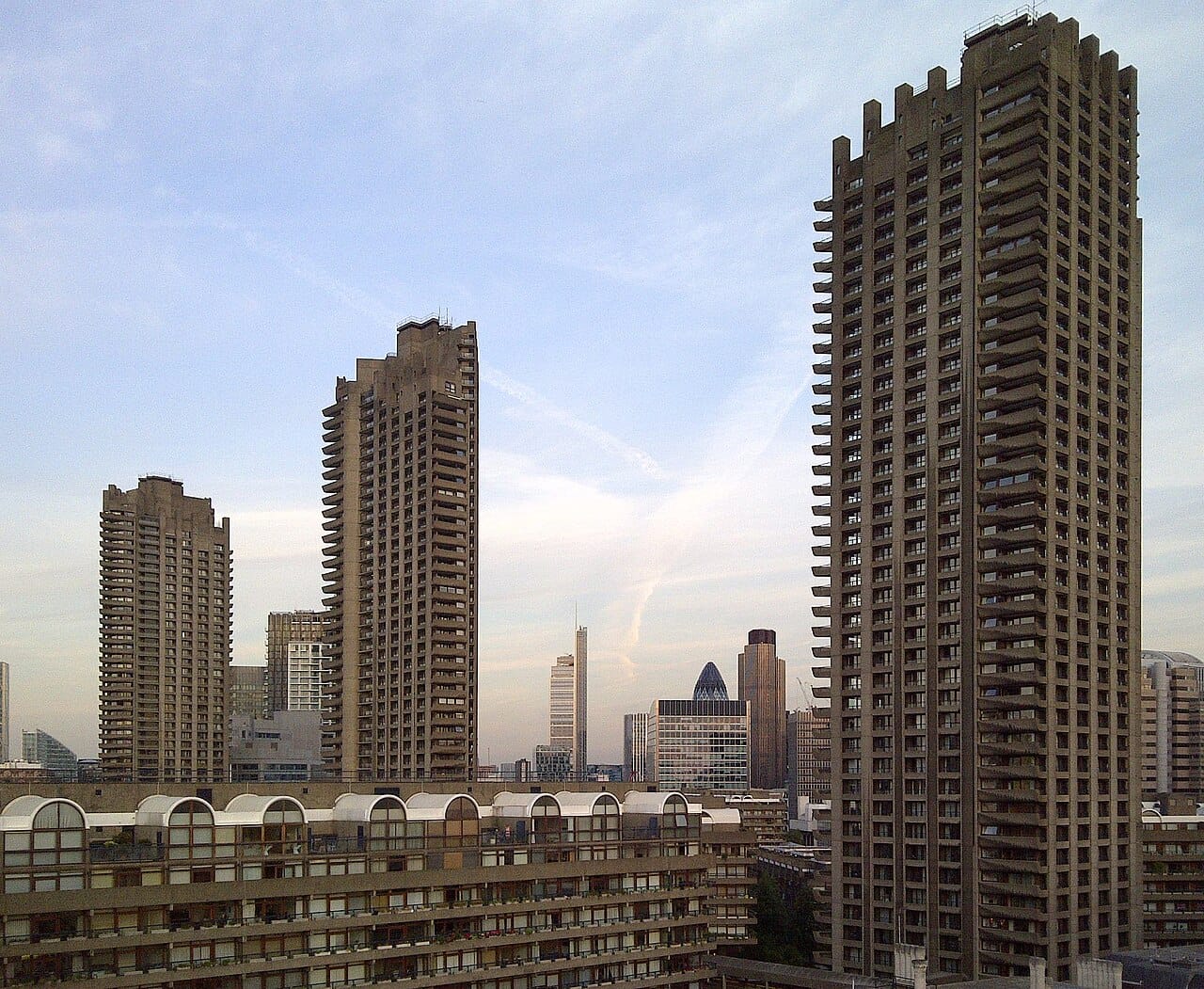
The Barbican in London is the standard illustration. It is unambiguously brutalist, it was maintained and managed well, and it is now a conservation area with flats among the most expensive in the city. The architecture was never the variable.
Major works have been lost. Robin Hood Gardens in London was demolished from 2017 despite a long campaign. Prentice Women's Hospital in Chicago went in 2014. Many others have gone with less attention.
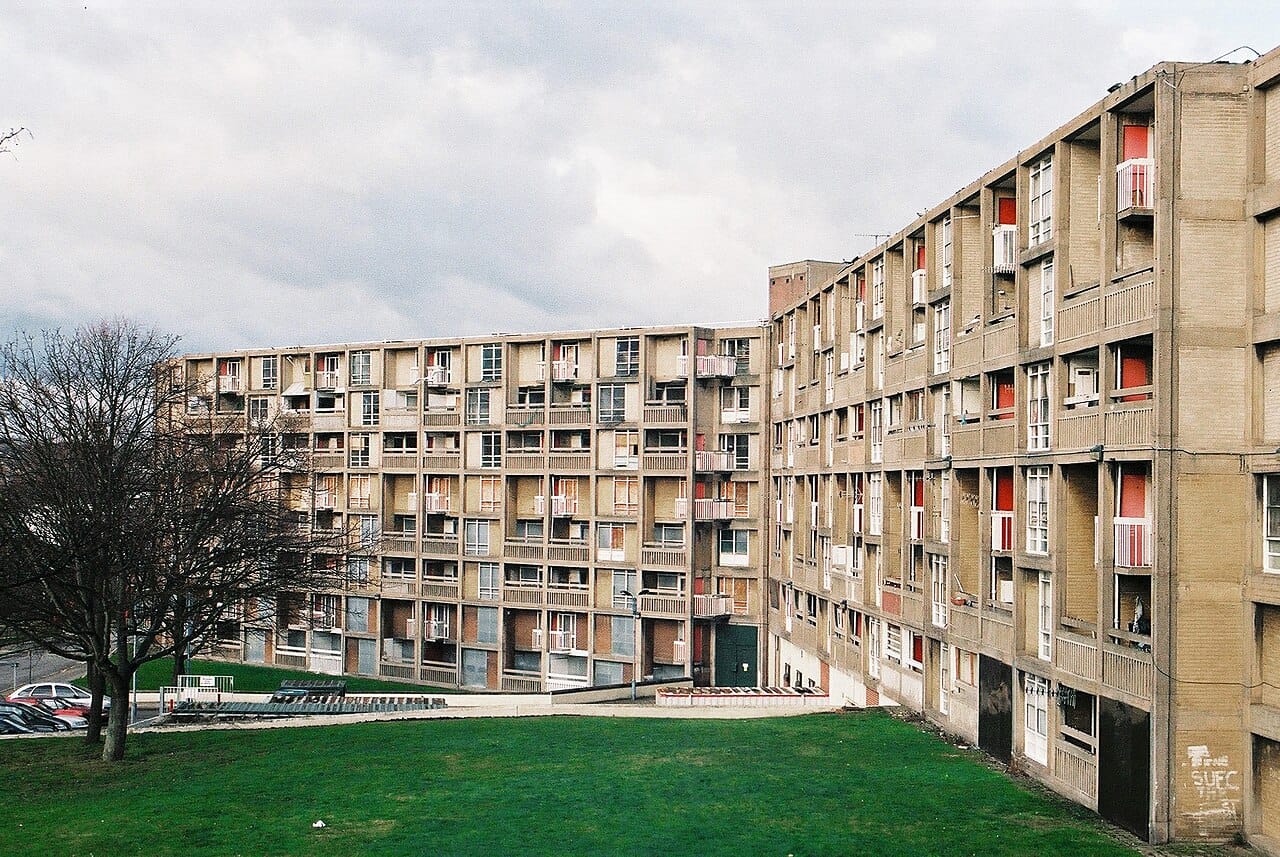
Simultaneously the style has been reappraised. It has substantial followings online and in print, several countries have listed key buildings, and Park Hill in Sheffield was listed and refurbished rather than cleared. Sixty years is roughly how long it takes for a style to stop being dated and start being historic, and brutalism reached that point recently.
The disagreement is genuine and unresolved. It is also a disagreement about whether a period of ambitious public building is remembered as a failure or as something worth keeping.