Shared passenger transport available to the general public on fixed routes and schedules. Its economics differ fundamentally from private transport, and the difference explains most of what determines whether a system works.
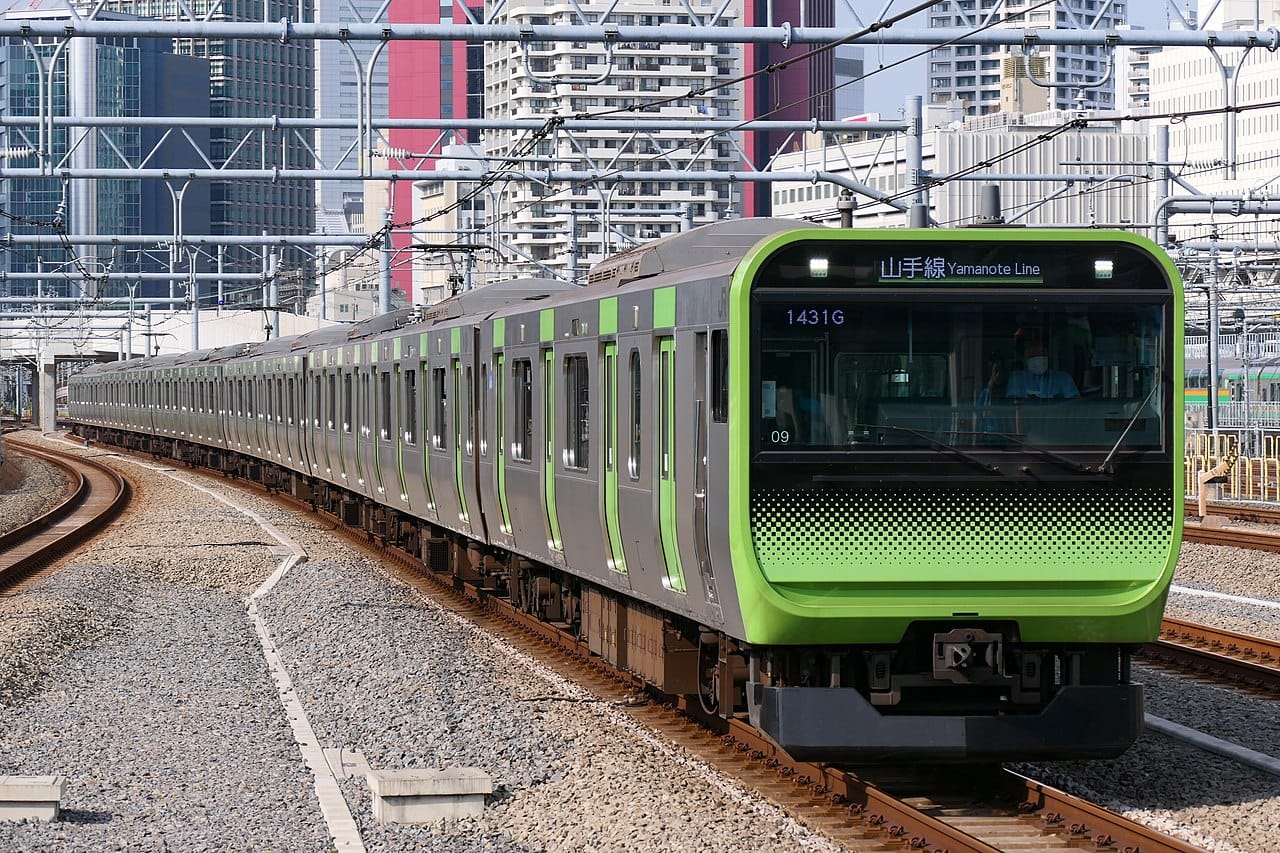
Heavy rail and metro carry the greatest volumes, are separated from other traffic, and are correspondingly expensive to build. They suit dense corridors with high demand.
Light rail and trams operate at street level or partly separated, carrying moderate volumes at lower construction cost.
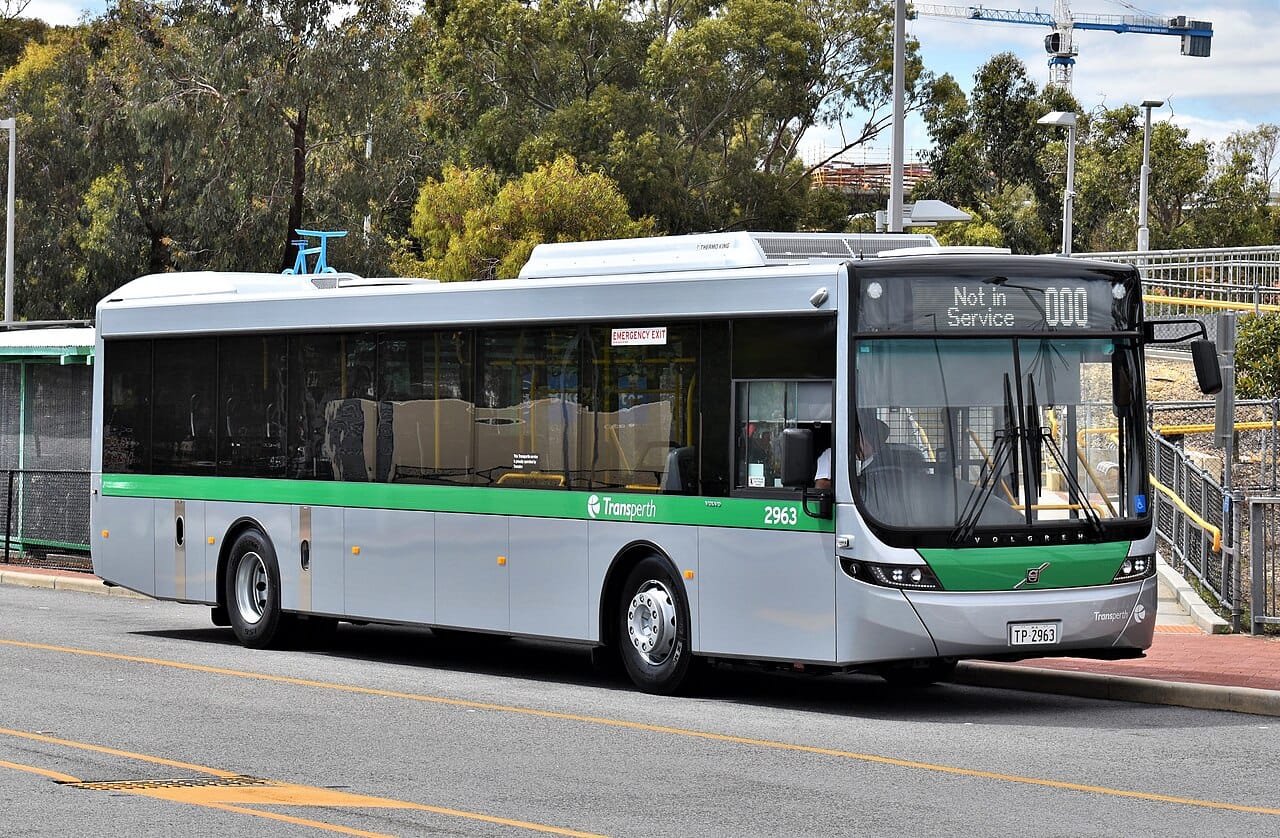
Buses are the most flexible and least expensive, requiring no dedicated infrastructure, and are correspondingly vulnerable to traffic congestion. Bus rapid transit gives buses dedicated lanes, level boarding and off-board fare payment, achieving much of the performance of light rail at a fraction of the cost, an approach developed in Curitiba in Brazil and adopted widely.
Ferries serve where water divides a city.
The choice between modes is generally determined by demand density along a corridor rather than by preference, since a mode that carries far more than the demand wastes capital and one that carries less becomes overcrowded.
Public transport has high fixed costs and low marginal costs. Running a train with ten passengers costs almost the same as running it full, which is the opposite of most goods.
This produces several consequences.
Frequency drives demand more than any other single factor. A service every ten minutes can be used without consulting a timetable, and a service every hour requires planning around it, which excludes most trips. This is sometimes stated as the rule that frequency is freedom.
Network effects are strong. A route is more useful when it connects to others, and the value of a system grows faster than the number of routes, which is why coordinated networks outperform collections of separate services.
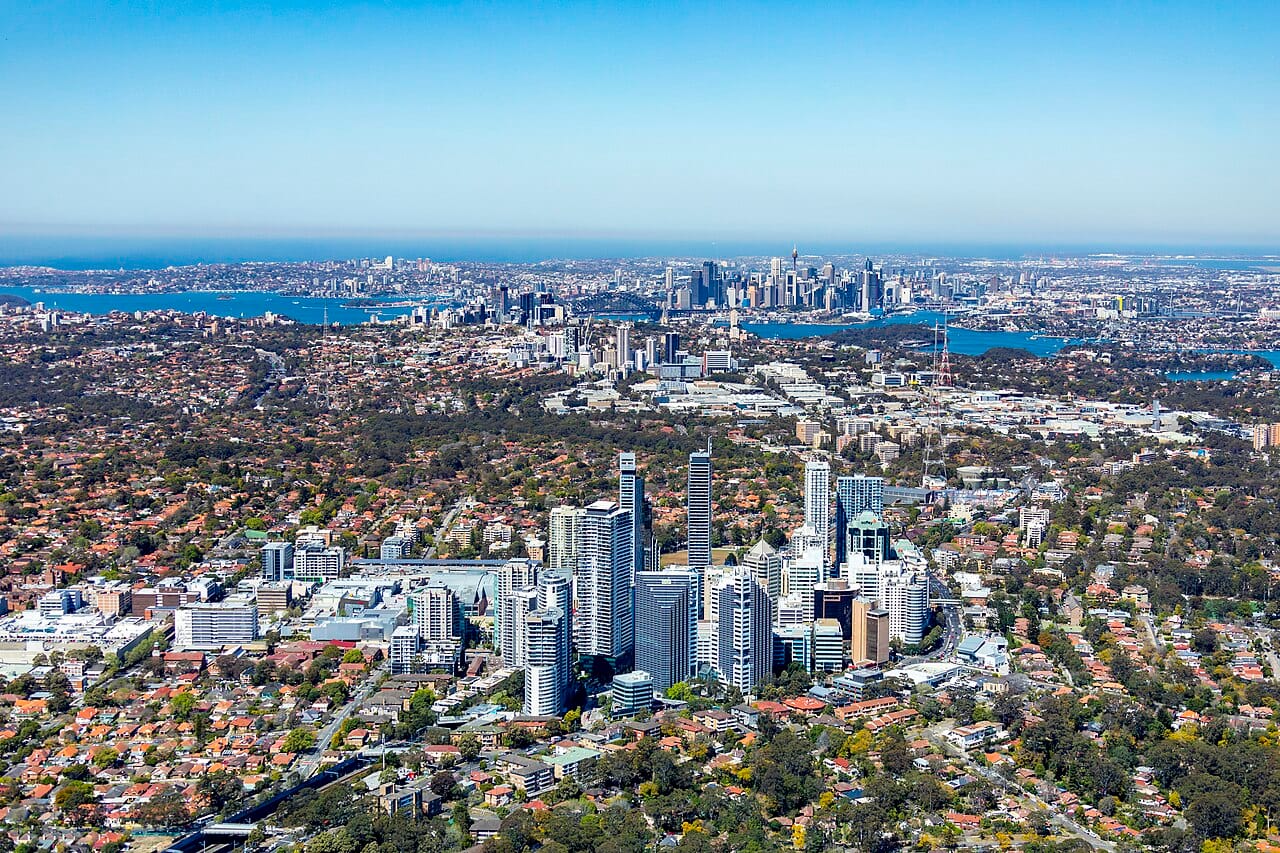
Density is decisive. A route requires enough people within walking distance of stops to fill it, and land use patterns therefore determine whether transport can work at all. The zoning capsule describes how the separation of uses undermines this.
Farebox recovery, the share of operating cost covered by fares, is below one hundred per cent in nearly every system worldwide. Public transport is generally subsidised, on the reasoning that it produces benefits beyond the passenger, including reduced congestion, emissions and land consumption.
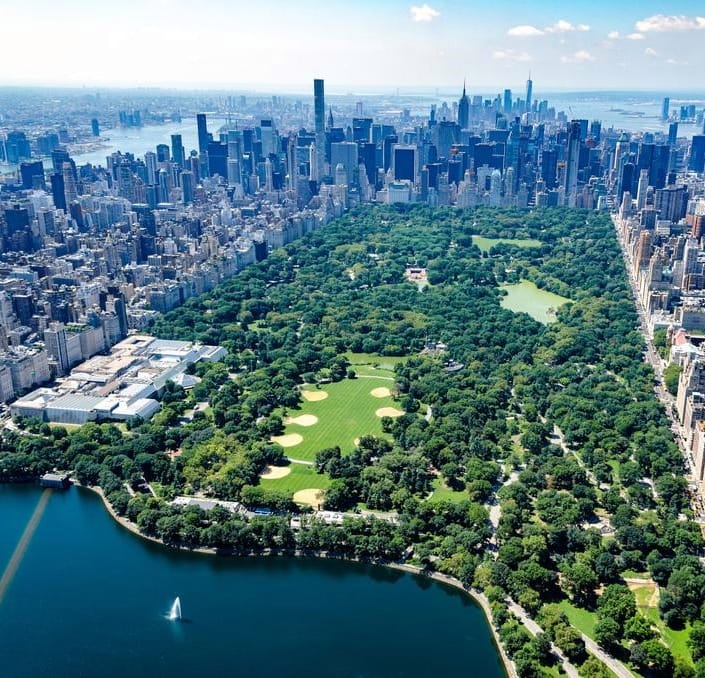
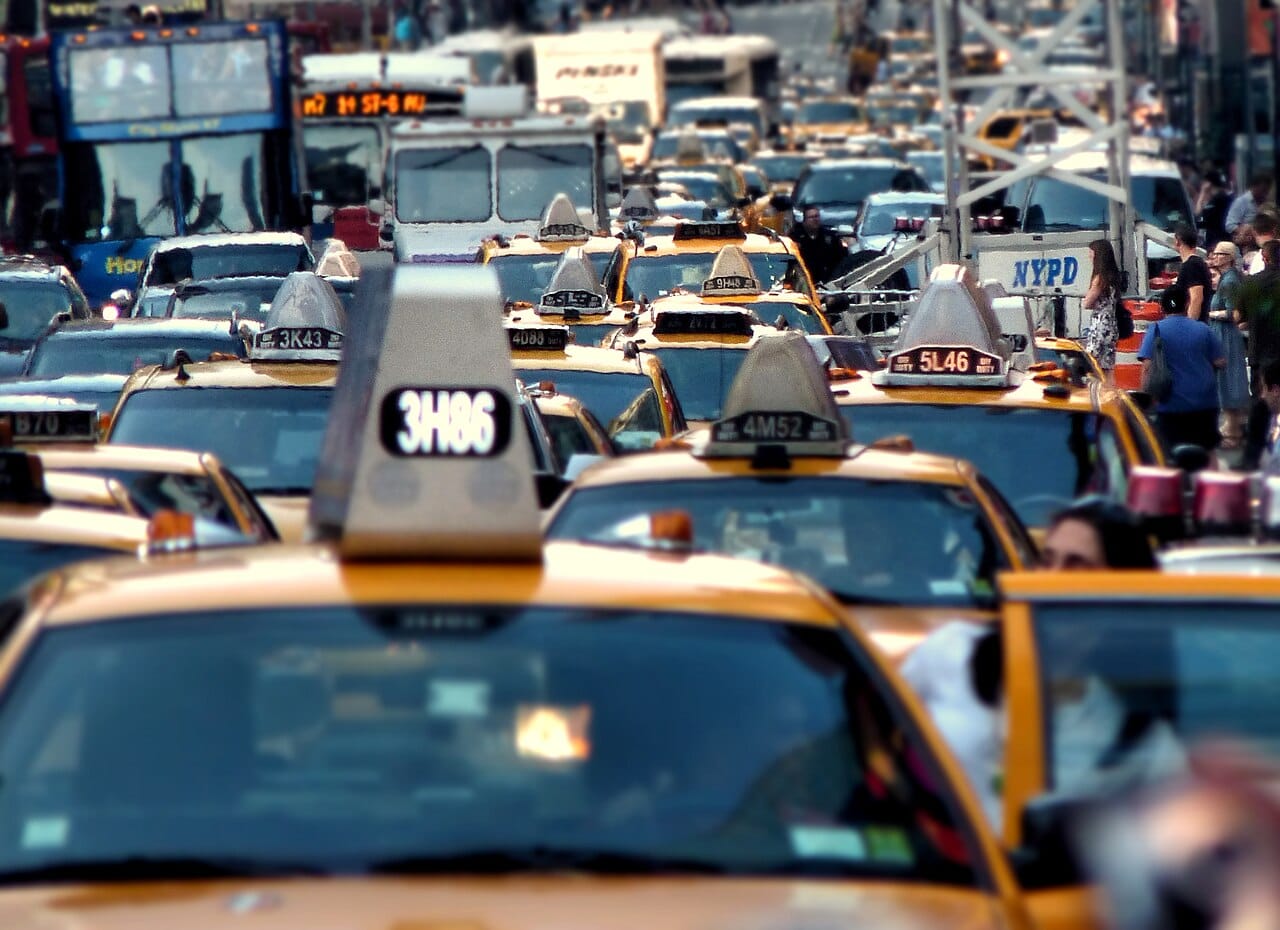
Space is the fundamental argument. A lane of road carries far more people as buses or trams than as cars, by a factor of several, and rail more still. In a dense city the constraint is space rather than money, and no amount of road building resolves it, since additional capacity induces additional traffic until congestion returns to its previous level.
Access without a car matters for a large share of any population, including those too young or old to drive, those who cannot afford a vehicle, and those unable to drive for medical reasons. Where public transport is poor, these groups are excluded from employment and services rather than merely inconvenienced.
Land use and transport shape one another. Transport determines what is reachable, which determines where development occurs, which determines what transport is viable. Cities built around rail have a different physical form from those built around cars, and the pattern persists for generations because buildings and streets outlast the decisions that produced them.
Frequency and reliability outweigh speed. Passengers value predictability, and waiting time is experienced as more costly than travelling time.
Integration matters. Systems with a single fare across modes, coordinated timetables and interchanges designed for transfer carry substantially more passengers than fragmented ones, which is the principal argument for network-wide planning rather than route-by-route operation.
Coverage against ridership is the recurring political trade. A network concentrating service on busy corridors carries more people; one spreading service thinly reaches more places. Both are legitimate objectives and they are in direct conflict, and this is a policy choice rather than a technical question.
Fare policy affects use, and the evidence indicates that frequency and reliability influence ridership more than price within normal ranges. Several cities have made services free, with mixed results in which ridership rises while much of the increase comes from walking and cycling rather than from driving.
Public transport is what allows a city to have more people than its streets could hold as drivers, which is why every high-density city depends on it regardless of wealth.
The clearest general finding is that its success is determined less by the vehicles than by frequency, network design and the land use around the stops. A system with excellent trains running rarely through low-density areas will be little used, and the failure will be attributed to the trains.