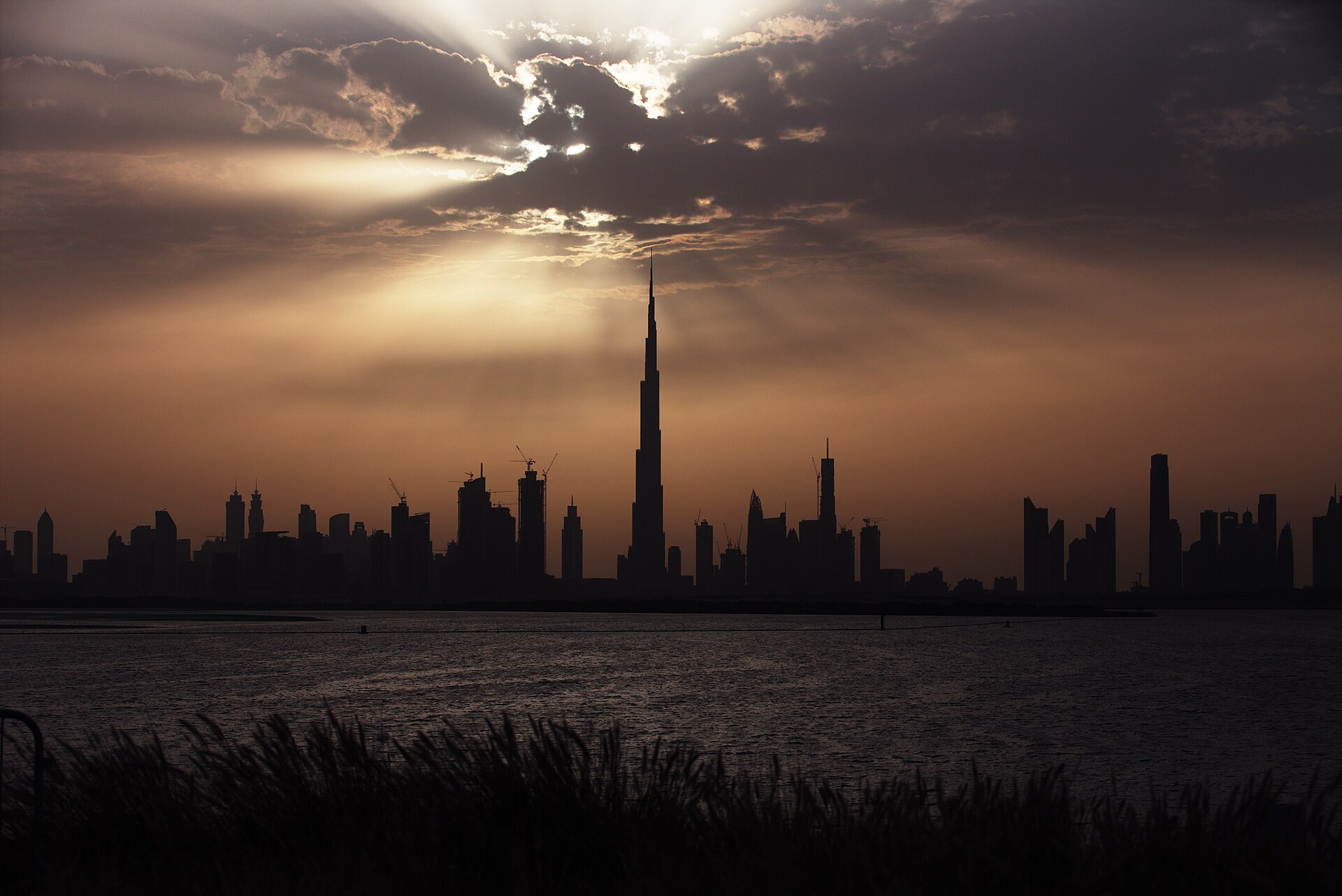
The United Arab Emirates is a country on the southeastern coast of the Arabian Peninsula, on the Persian Gulf, a federation of seven emirates that include the capital, Abu Dhabi, and the famous city of Dubai. Within little more than half a century it has been utterly transformed by oil wealth from a sparse society of desert nomads, pearl divers, and fishing villages into one of the richest and most modern nations in the world, home to gleaming cities, soaring skyscrapers, and a population made up overwhelmingly of foreign residents drawn from across the globe.
The story of the Emirates runs from ancient traders and Bedouin tribes on a remote desert coast, through centuries of pearling and rivalry over the Gulf, to the founding of a federation in 1971 that oil wealth would turn into one of the most modern nations on Earth.
The coast and its hinterland have been inhabited for many thousands of years, home to Bronze Age settlements that traded across the Gulf with Mesopotamia and beyond. Later caravan towns and oases linked the desert interior with the sea, leaving traces of a long history that is only now being fully uncovered by archaeologists.
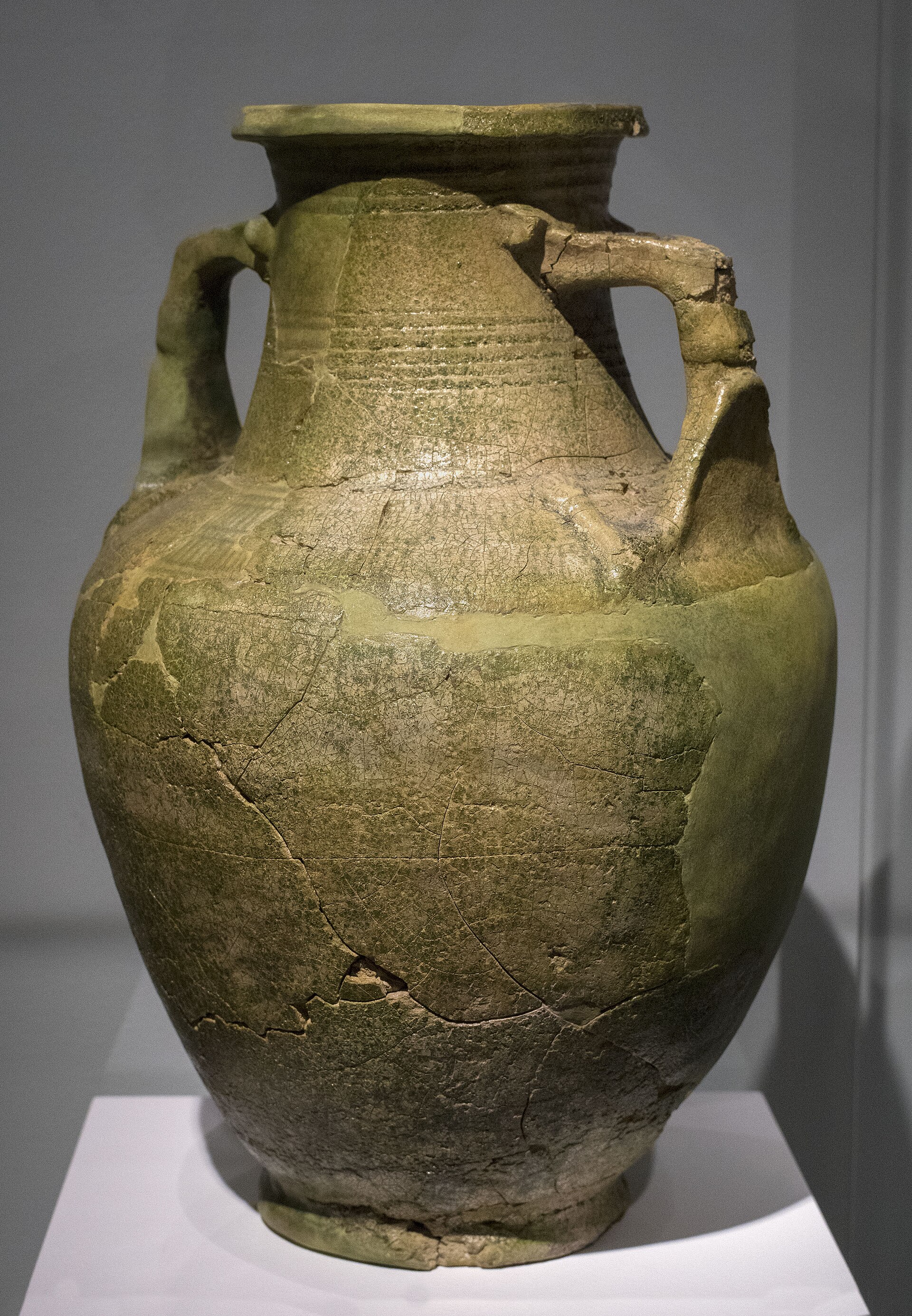
For centuries the people of the coast lived by fishing and by diving for pearls, then among the most prized in the world, while Bedouin herded in the interior. The Gulf drew Portuguese, Dutch, and British ships, and the coastal Qawasim built a formidable maritime power, until British expeditions in the early nineteenth century broke their strength and drew the local rulers into a series of treaties.
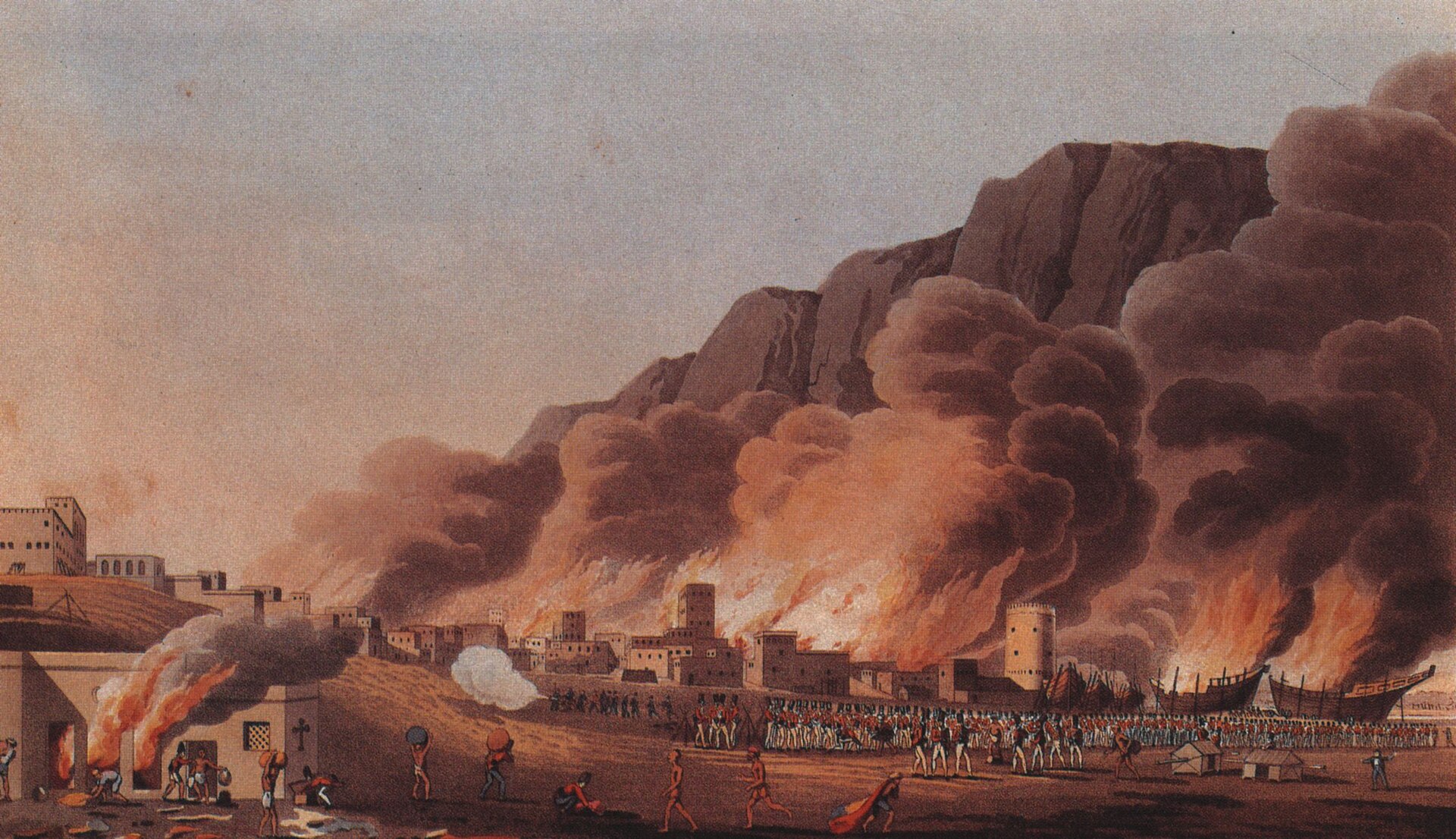
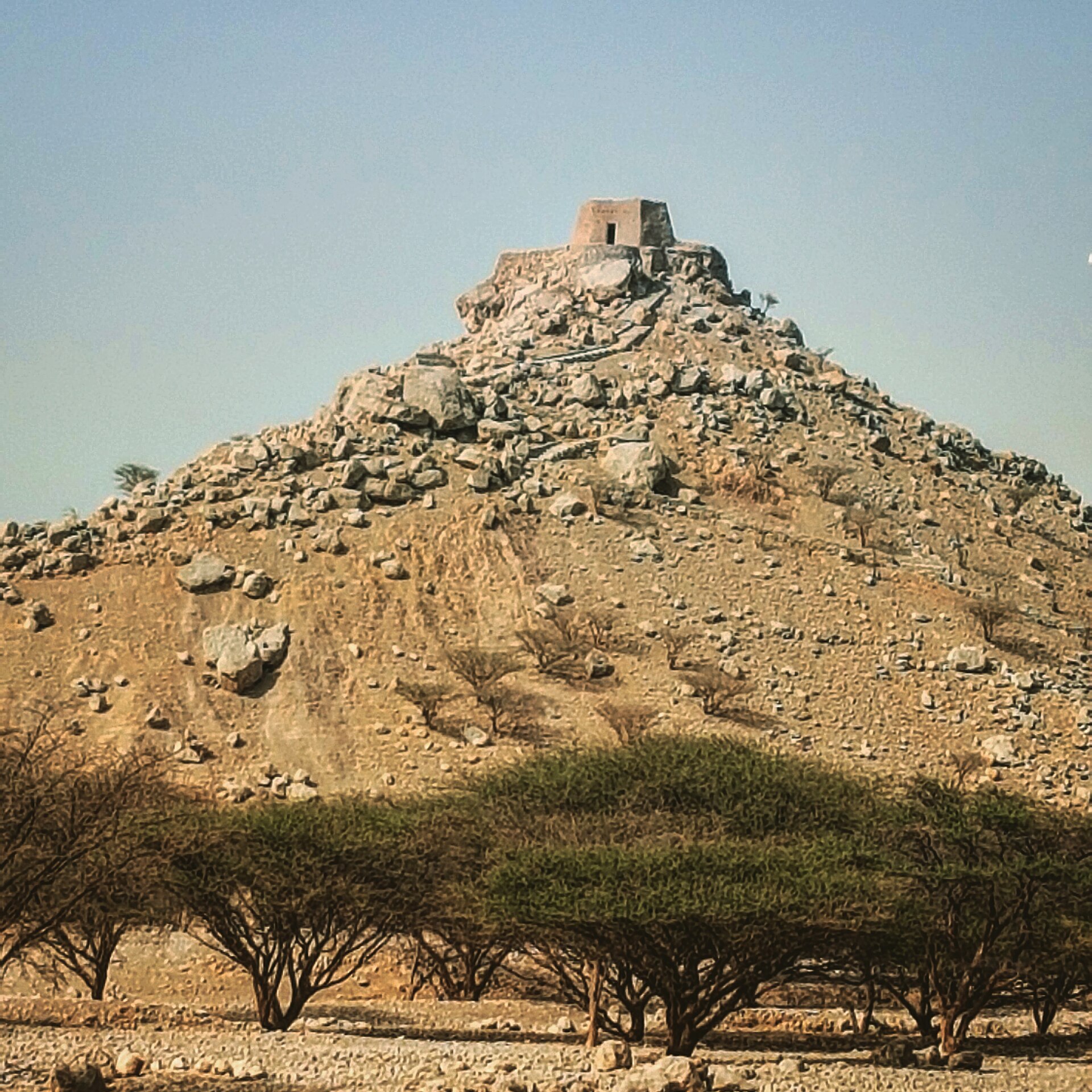
Under a series of treaties the emirates became known as the Trucial States, under British protection. The collapse of the natural pearl trade in the early twentieth century brought severe hardship, until the discovery of vast oil reserves transformed the region's prospects and set the stage for a new age.
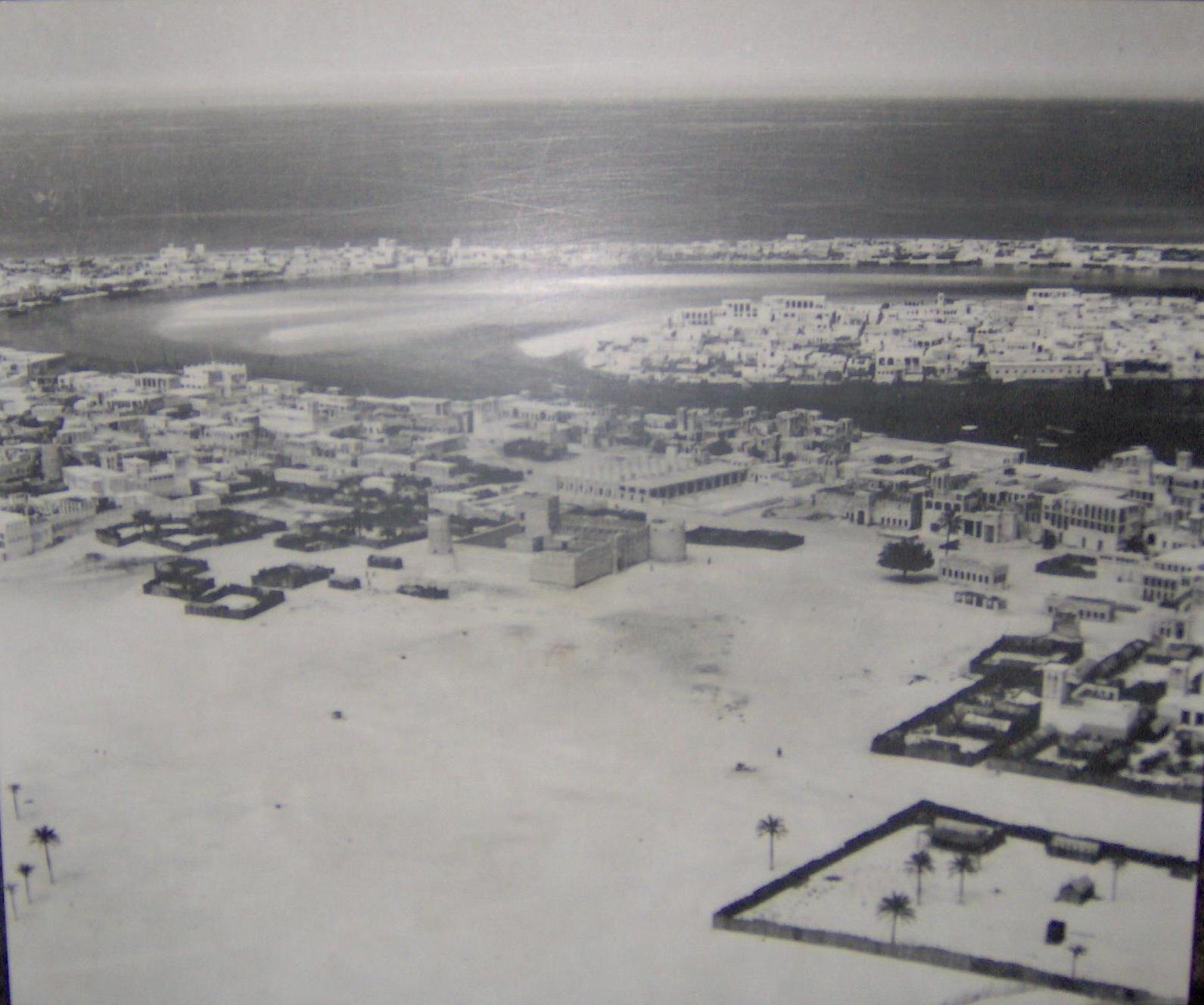
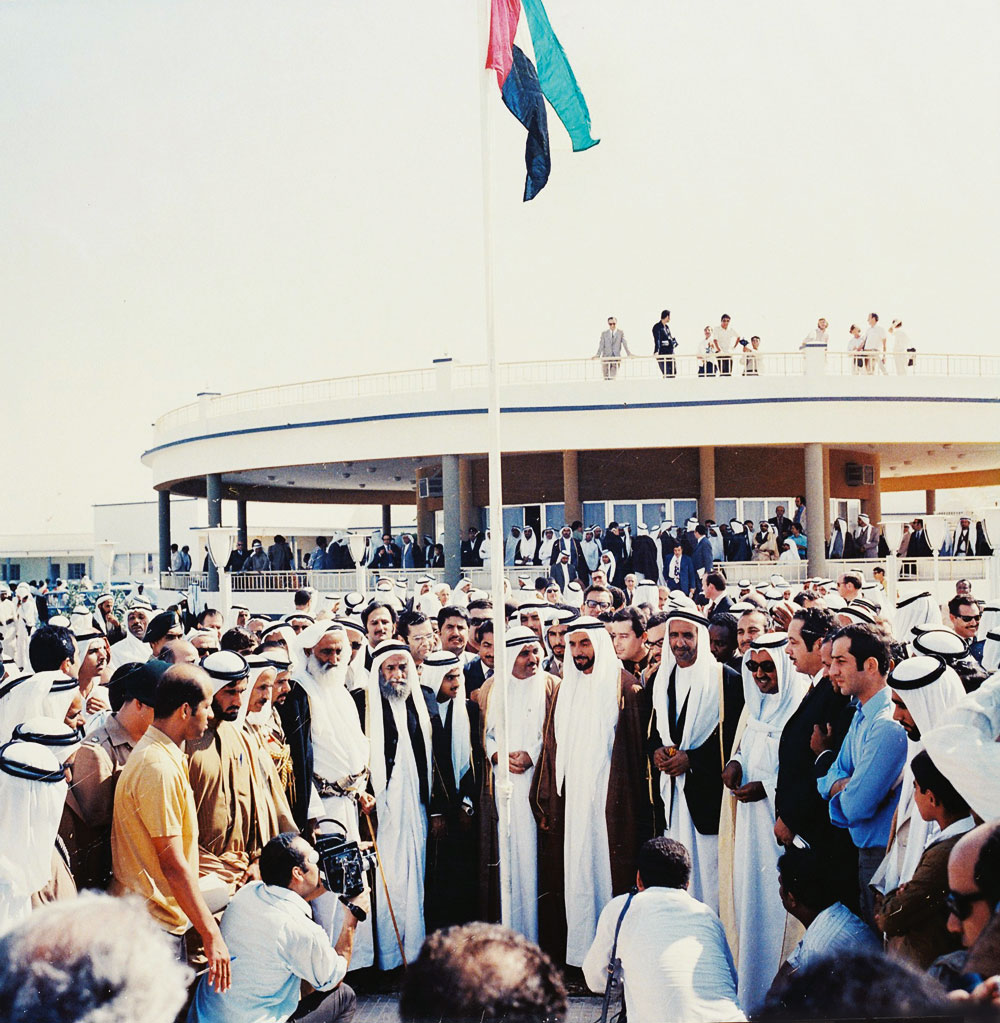
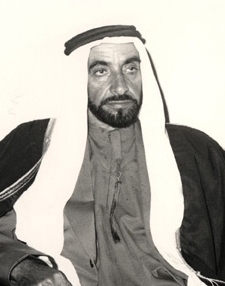
When Britain withdrew from the Gulf, six of the emirates united to form the United Arab Emirates in 1971, joined soon after by a seventh, under the founding leadership of Sheikh Zayed of Abu Dhabi. He is revered as the father of the nation for uniting the emirates and using oil wealth to build a modern state.
The United Arab Emirates lies on the Arabian Peninsula, with a long coastline on the Persian Gulf and a short one on the Gulf of Oman. Most of the country is desert, a landscape of vast sand dunes, including part of the great Empty Quarter, broken by oases and, in the east, by the rugged Hajar Mountains near the border with Oman. The climate is hot and arid, with very little rainfall. The coast, where the great cities have grown, is dotted with islands and was the historic centre of pearling and trade, and remains the heart of the nation.
The United Arab Emirates is a federation of seven emirates, each ruled by its own hereditary sheikh, that together elect a president and share power through a Federal Supreme Council. In practice the presidency has always been held by the ruler of Abu Dhabi, the largest and richest emirate, and the office of prime minister by the ruler of Dubai. There are no political parties or general elections, and the ruling families hold decisive authority, guiding a country famous for long-term planning, ambitious state projects, and an increasingly assertive role in regional and world affairs.
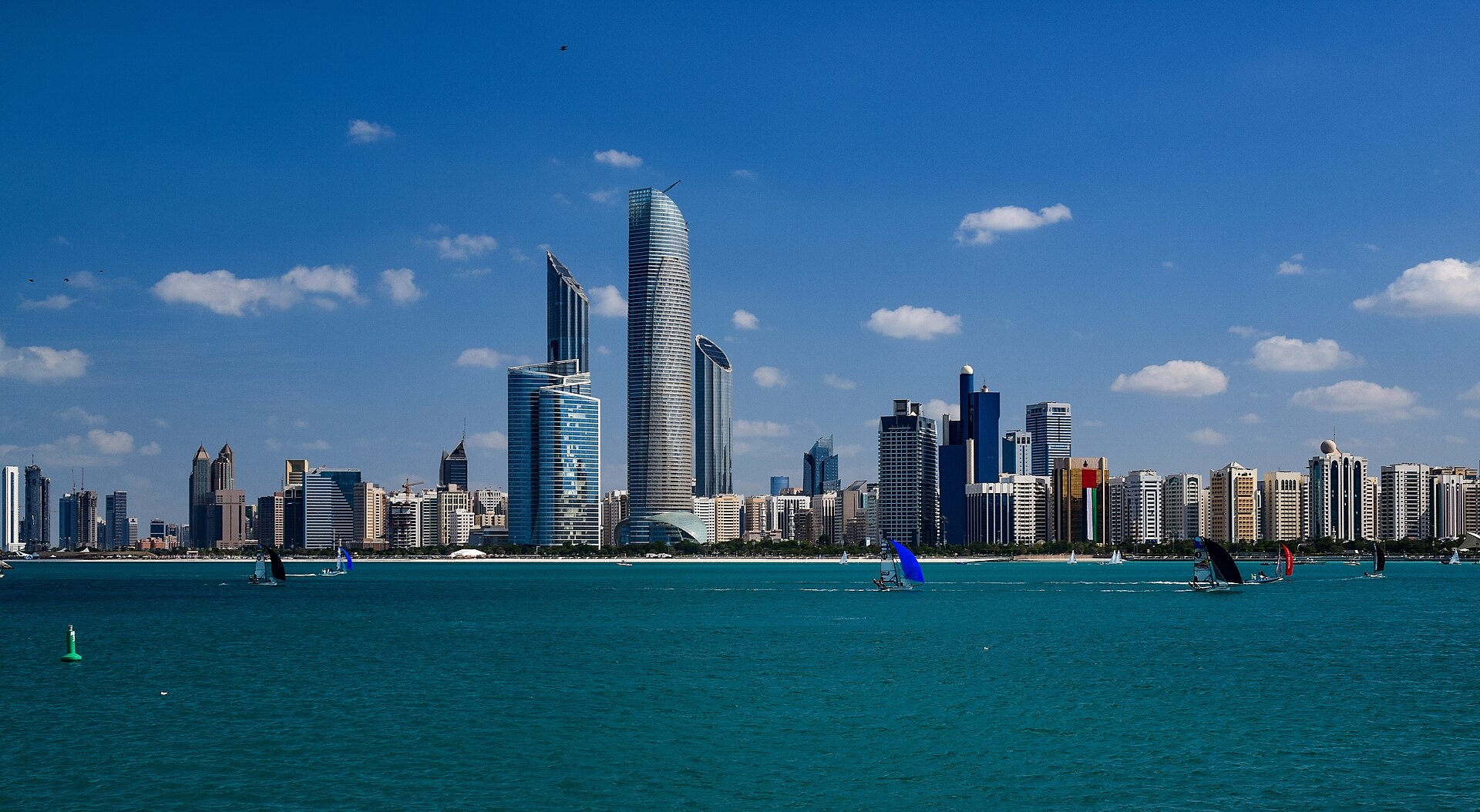
The economy of the United Arab Emirates rests on enormous reserves of oil and gas, most of them in Abu Dhabi, which underpin the country's wealth and its sovereign investment funds. Yet the Emirates, and Dubai above all, have worked hard to diversify, building global hubs of trade, finance, aviation, tourism, and real estate, so that Dubai now earns far more from commerce than from oil. This drive to prepare for a future beyond hydrocarbons has made the country a byword for spectacular, fast-paced development.

The flag of the United Arab Emirates has a vertical red band at the hoist and three horizontal bands of green, white, and black. These are the pan-Arab colours, symbolising Arab unity, and each is also given a national meaning: the red for the strength, courage, and sacrifice of the people, the green for prosperity and the land, the white for peace and honesty, and the black for the strength of mind and the defeat of enemies, as well as the oil wealth. The flag, adopted at the founding of the union in 1971, expresses the country's Arab identity and unity.
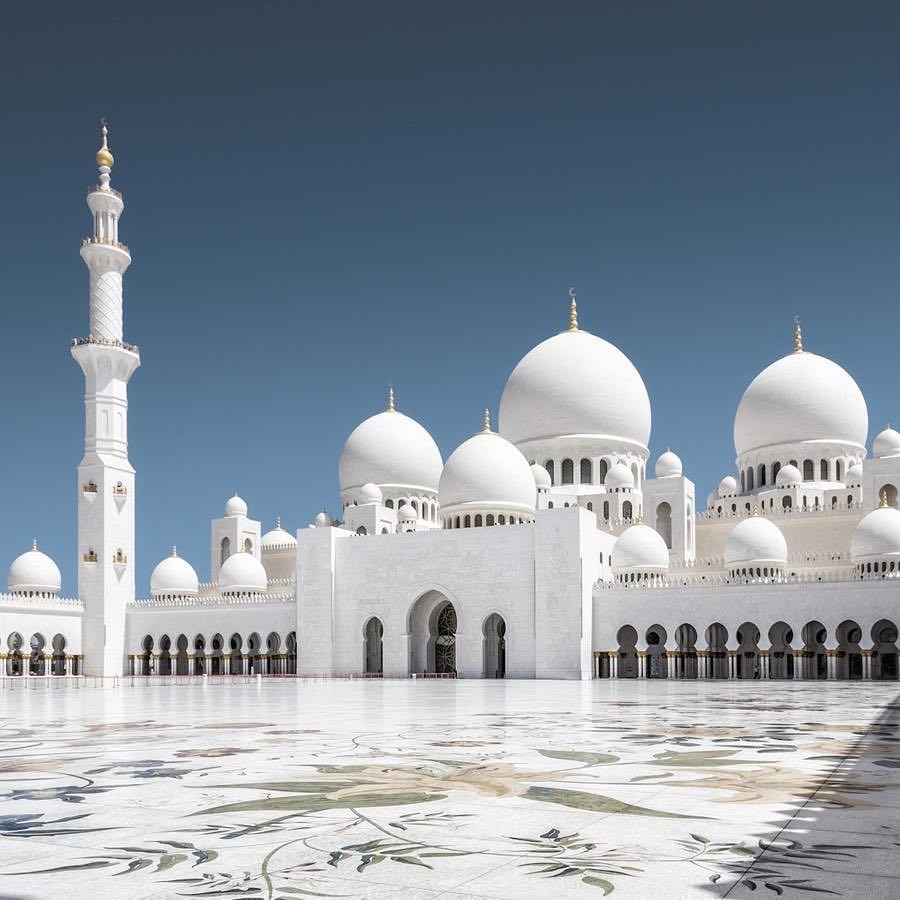
Islam is the official religion of the United Arab Emirates and the foundation of its culture, law, and national identity, with the great majority of Emirati citizens being Sunni Muslims, and Islamic practice shaping the rhythm of daily life and the calendar. Because so much of the population consists of foreign workers from around the world, however, the country is also home to large communities of Christians, Hindus, Buddhists, Sikhs, and others, and it has become notable in the region for a degree of religious tolerance, permitting churches, temples, and other places of worship for its diverse residents.
Emirati cuisine reflects the country's Bedouin and Gulf heritage, built on rice, meat, fish, and dates, and flavoured with the spices that arrived through centuries of trade. Traditional dishes include machboos, a spiced rice cooked with meat or fish, and harees, a porridge of wheat and meat, while dates and Arabic coffee are central to hospitality. Because of the vast international population, the food culture of the cities is extraordinarily cosmopolitan, with cuisines from every corner of the world, but the traditional Emirati table remains an important expression of national heritage and the famed Arab hospitality.
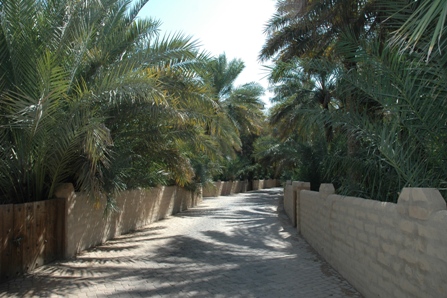
Agriculture is naturally limited in the United Arab Emirates by the desert climate and scarcity of water, and the country imports most of its food. Yet through irrigation, desalination, and investment, it has developed farming at oases and in greenhouses, growing dates, of which it is a notable producer, along with vegetables and fodder, and date palms are cultivated across the country. Fishing in the Gulf remains traditional and important. The economy, however, rests overwhelmingly on oil and gas, especially in Abu Dhabi, and increasingly on trade, finance, aviation, tourism, and real estate, particularly in Dubai.
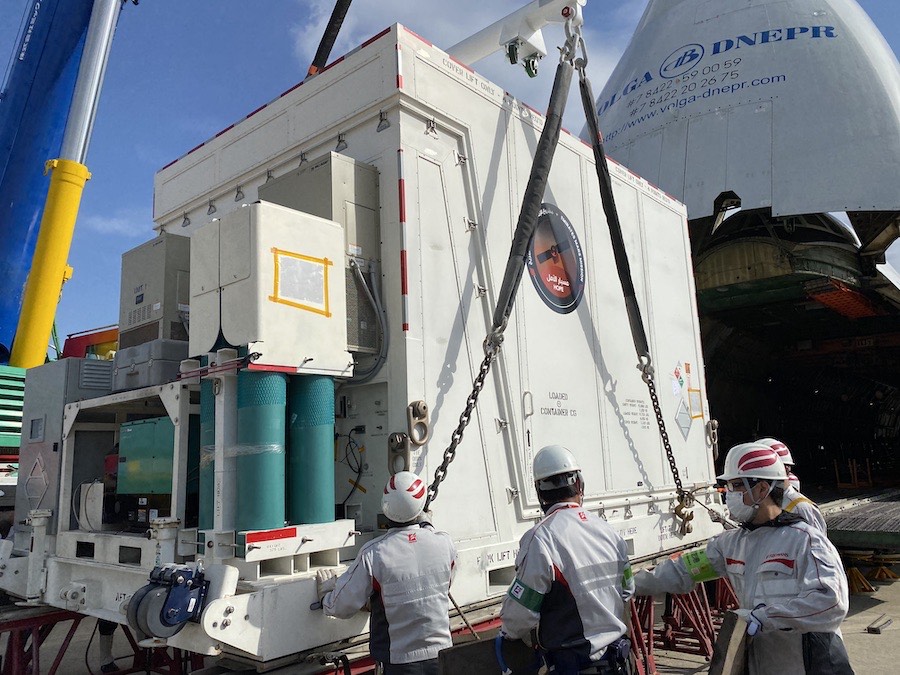
Emirati society blends a deep Bedouin and Gulf heritage of tribe, family, faith, and hospitality with one of the most international populations on Earth, in which citizens are a small minority among residents from around the world. The country has poured its wealth into education, culture, sport, and science, opening universities and museums and, strikingly, launching a space programme that sent a probe to Mars. Traditional arts, falconry, camel racing, and poetry are cherished even as the cities race toward the future.
The rapid rise of the United Arab Emirates has brought both admiration and criticism. Its economy depends on a vast foreign workforce that vastly outnumbers Emirati citizens, and conditions for lower-paid migrant workers have long drawn international concern, prompting some reforms. The country is also a hereditary monarchy without elections or political parties, and limits on political expression and press freedom are a matter of outside criticism. At the same time, its growing assertiveness in regional affairs and its balancing of tradition with dazzling modernity are widely debated as the country charts its future.
The United Arab Emirates has a population of around 10 million people, but in a striking feature, Emirati citizens are a small minority, perhaps only a tenth of the total, while the overwhelming majority are foreign residents, including large numbers from South Asia, other Arab countries, the Philippines, and the wider world, drawn by work. Arabic is the official language, though English is very widely used as a common tongue in the diverse society. The population is overwhelmingly urban, concentrated in the great coastal cities of Abu Dhabi and Dubai.