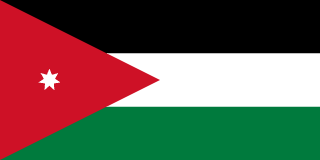
Saudi Arabia is a large country occupying most of the Arabian Peninsula in the Middle East, a vast expanse of desert between the Red Sea and the Persian Gulf. It is the birthplace of Islam and the guardian of the faith's two holiest cities, Mecca and Medina, which draw millions of pilgrims each year. Holding some of the world's largest oil reserves, it is a wealthy and influential power in the region and a central player in global energy.
The history of Arabia runs from ancient desert cultures, through the birth of Islam that changed the world, to the unification of the modern kingdom and the transforming wealth of oil.
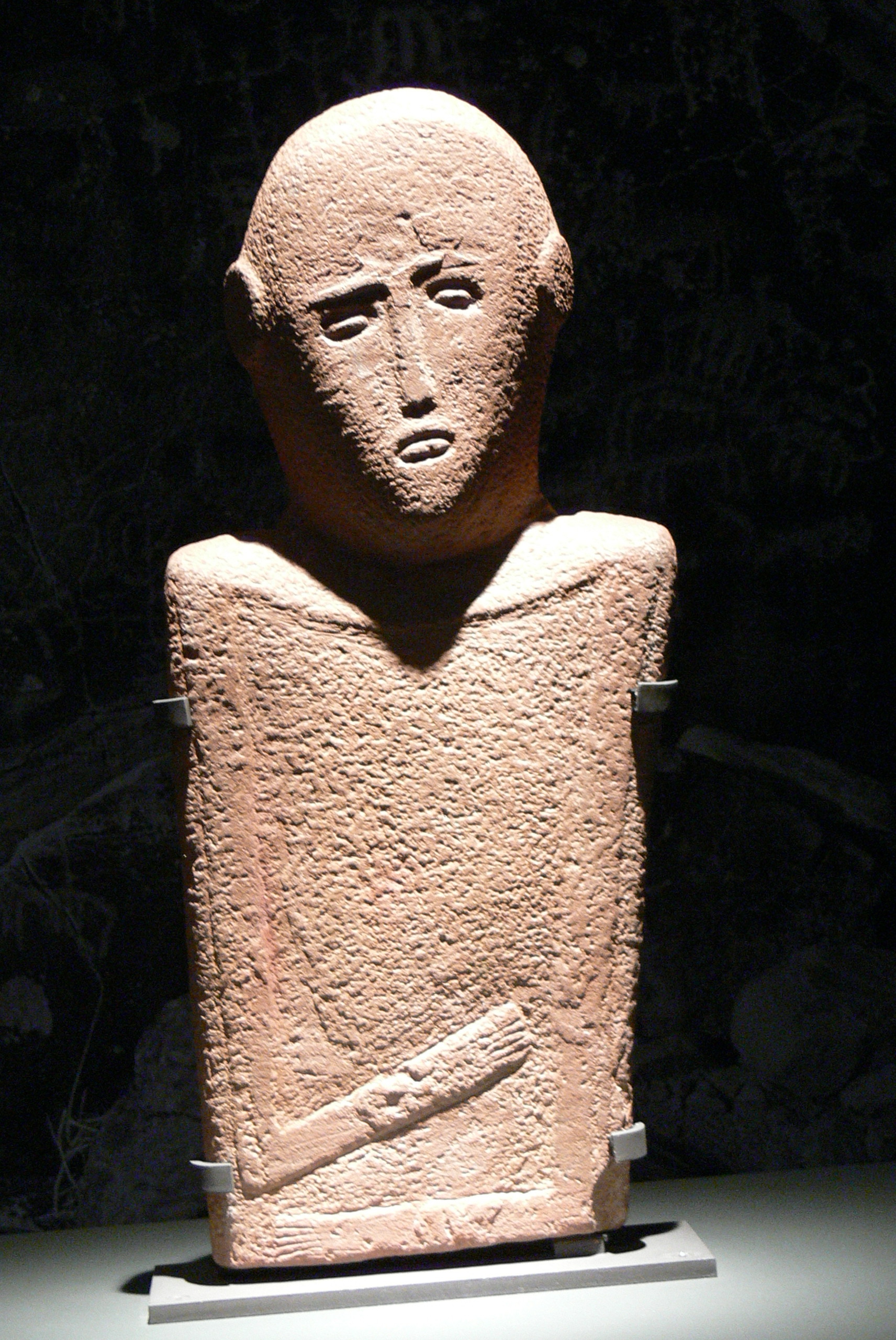
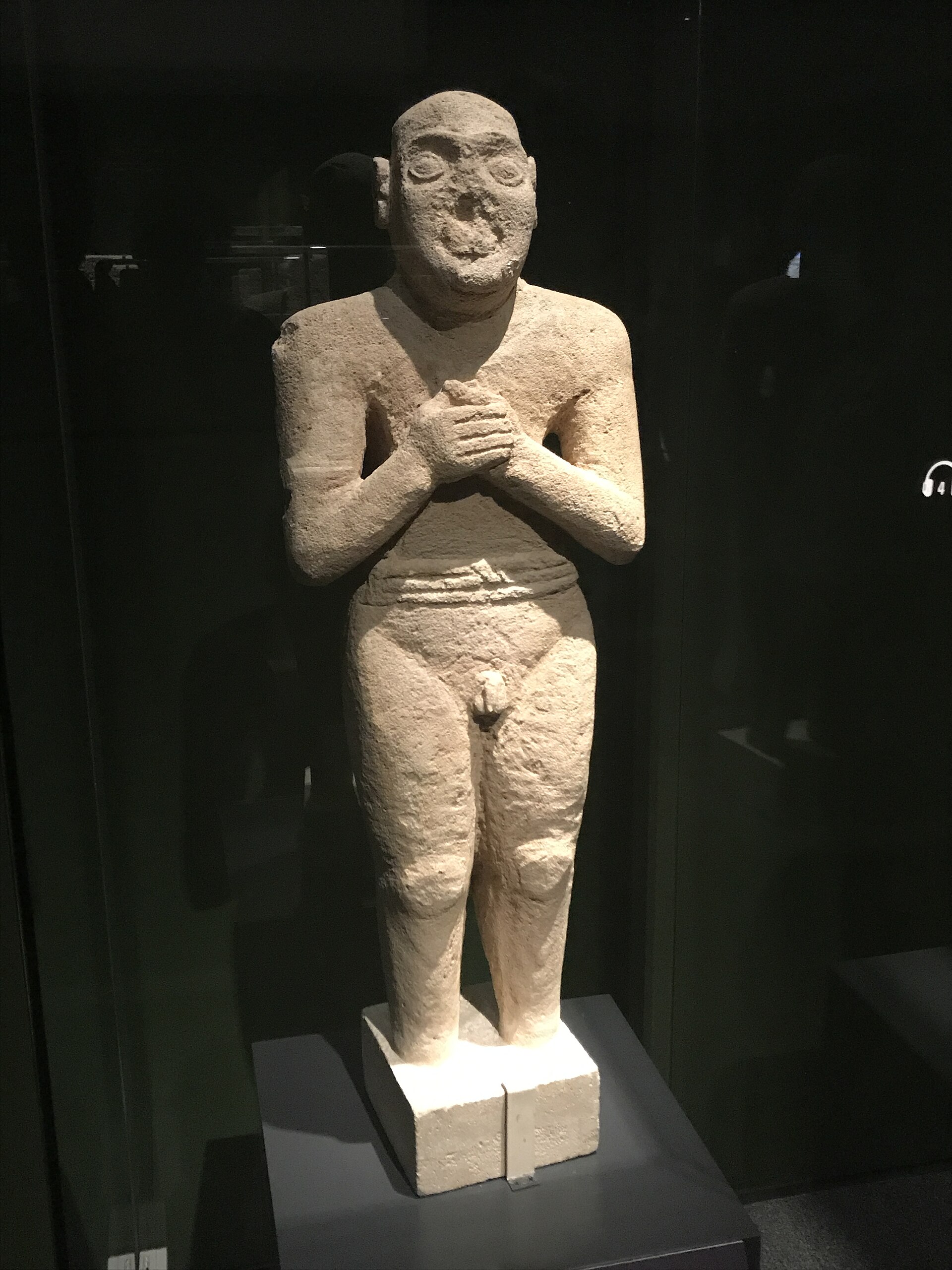
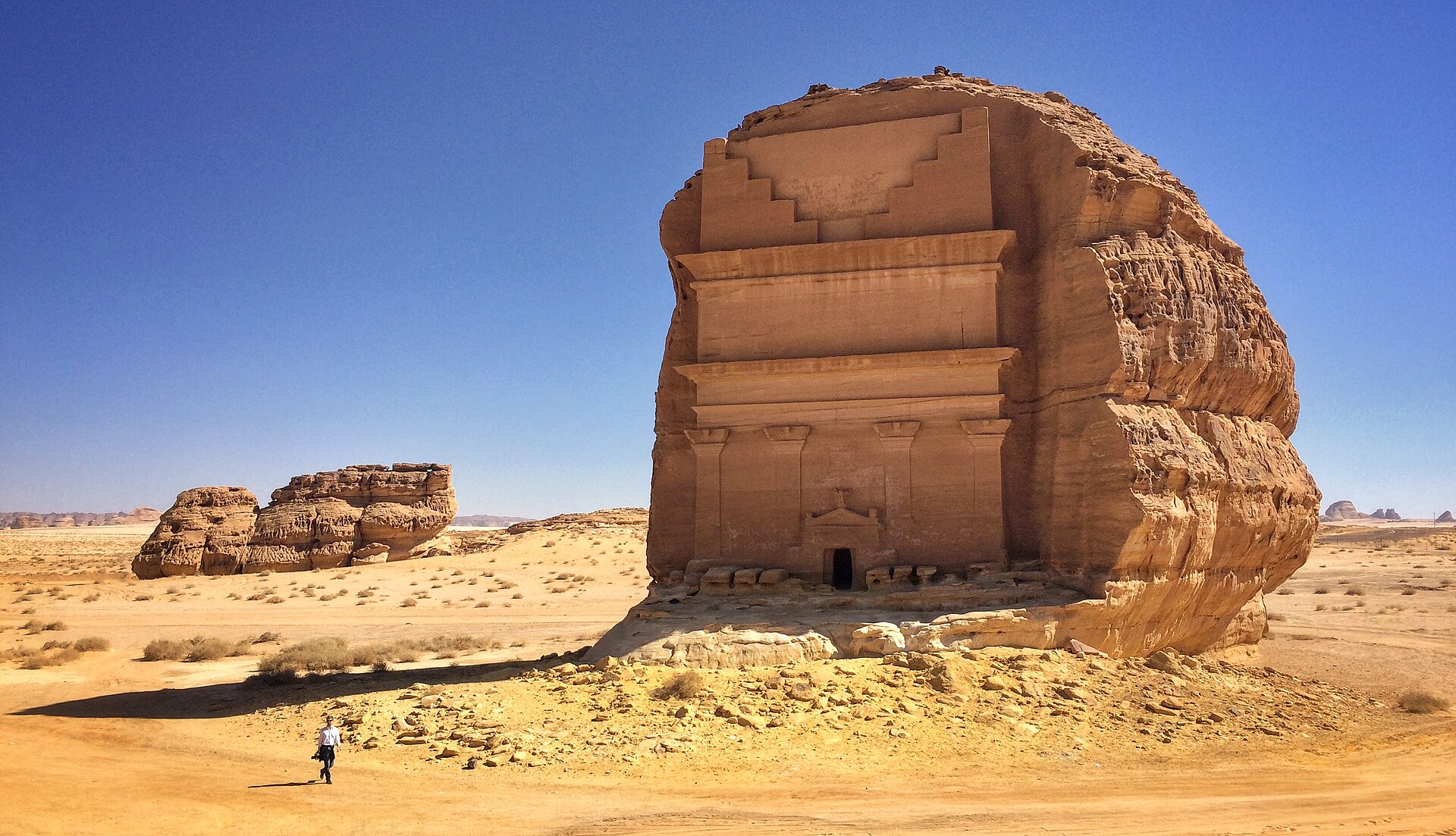
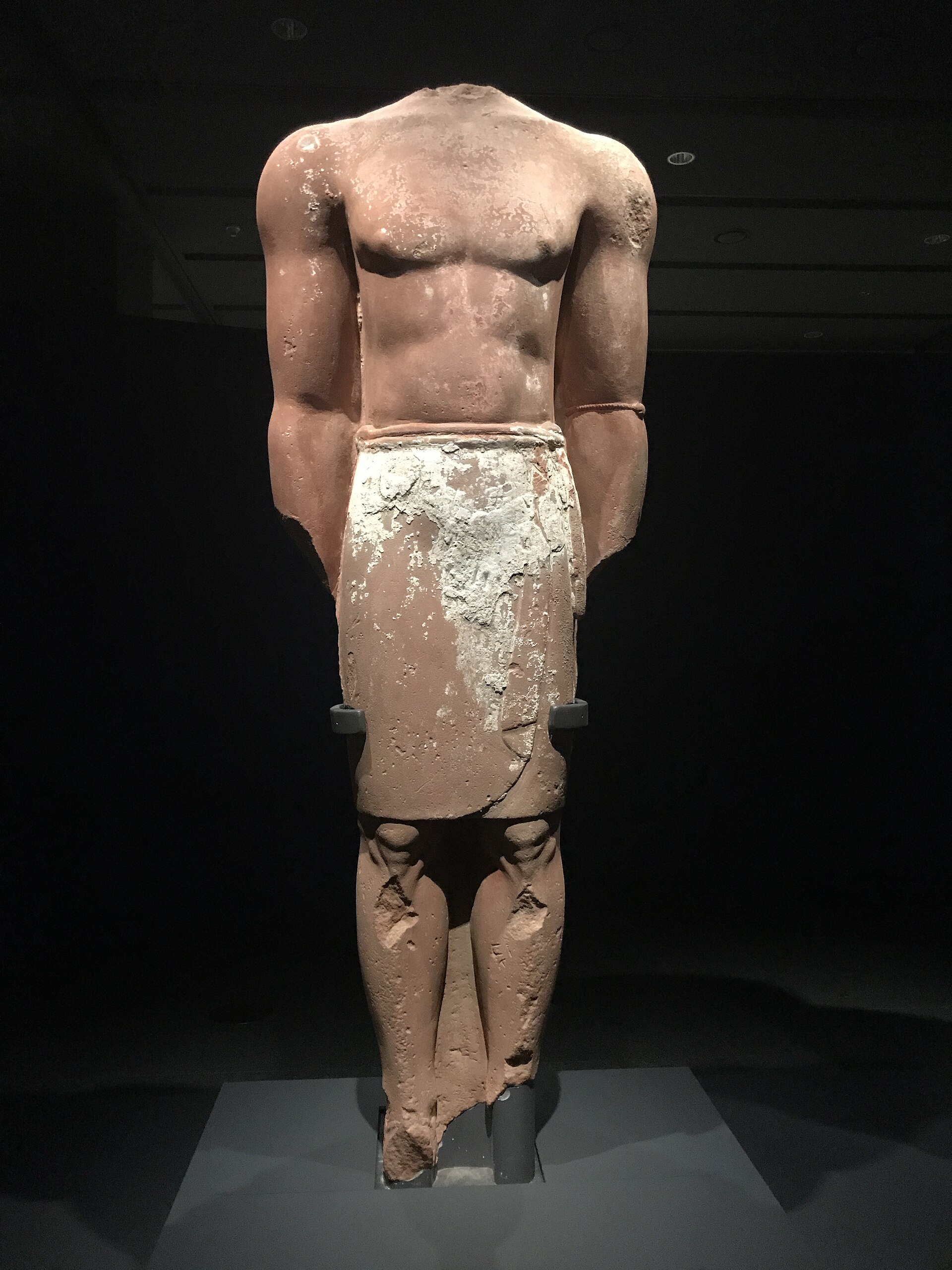
Long before Islam, the Arabian Peninsula was home to settled cultures and trading kingdoms whose art and monuments survive in the desert. In the north, the Nabataeans carved the great rock tombs of Hegra, and the oasis of Al-Ula was a crossroads of the incense trade linking Arabia to the wider ancient world.
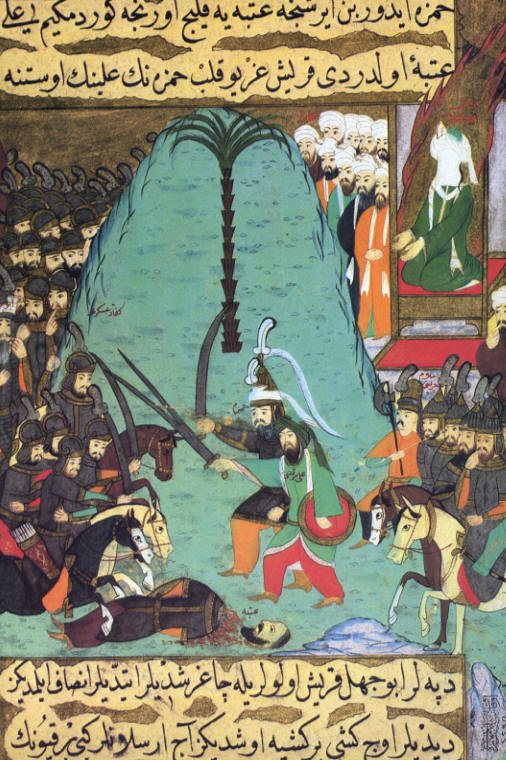
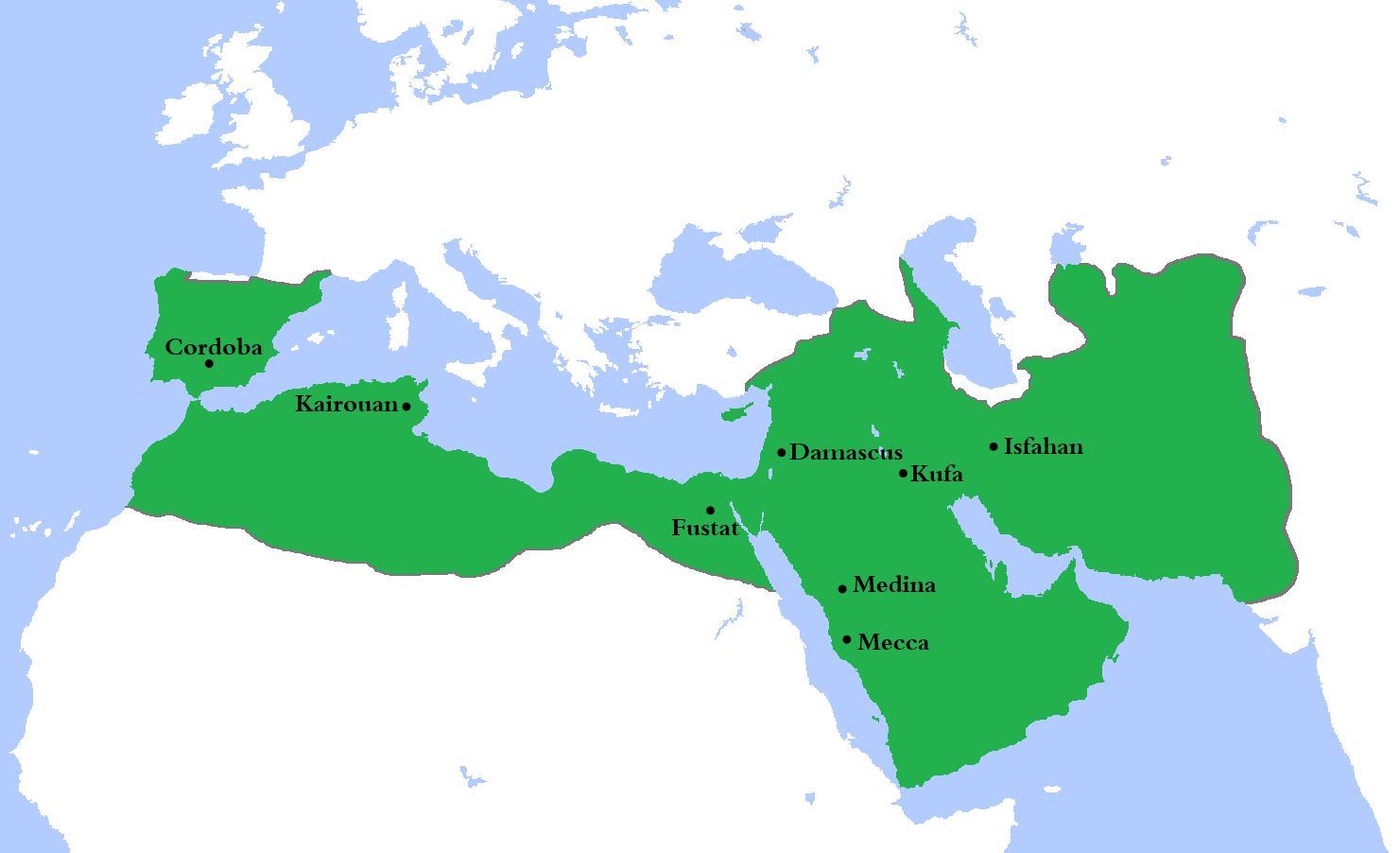
Arabia's world-changing moment came in the seventh century, when the Prophet Muhammad began preaching Islam in Mecca and Medina. Within a century of his death the new faith and the Arab armies that carried it had spread from the peninsula across three continents, founding one of history's largest empires and a civilisation of lasting brilliance.
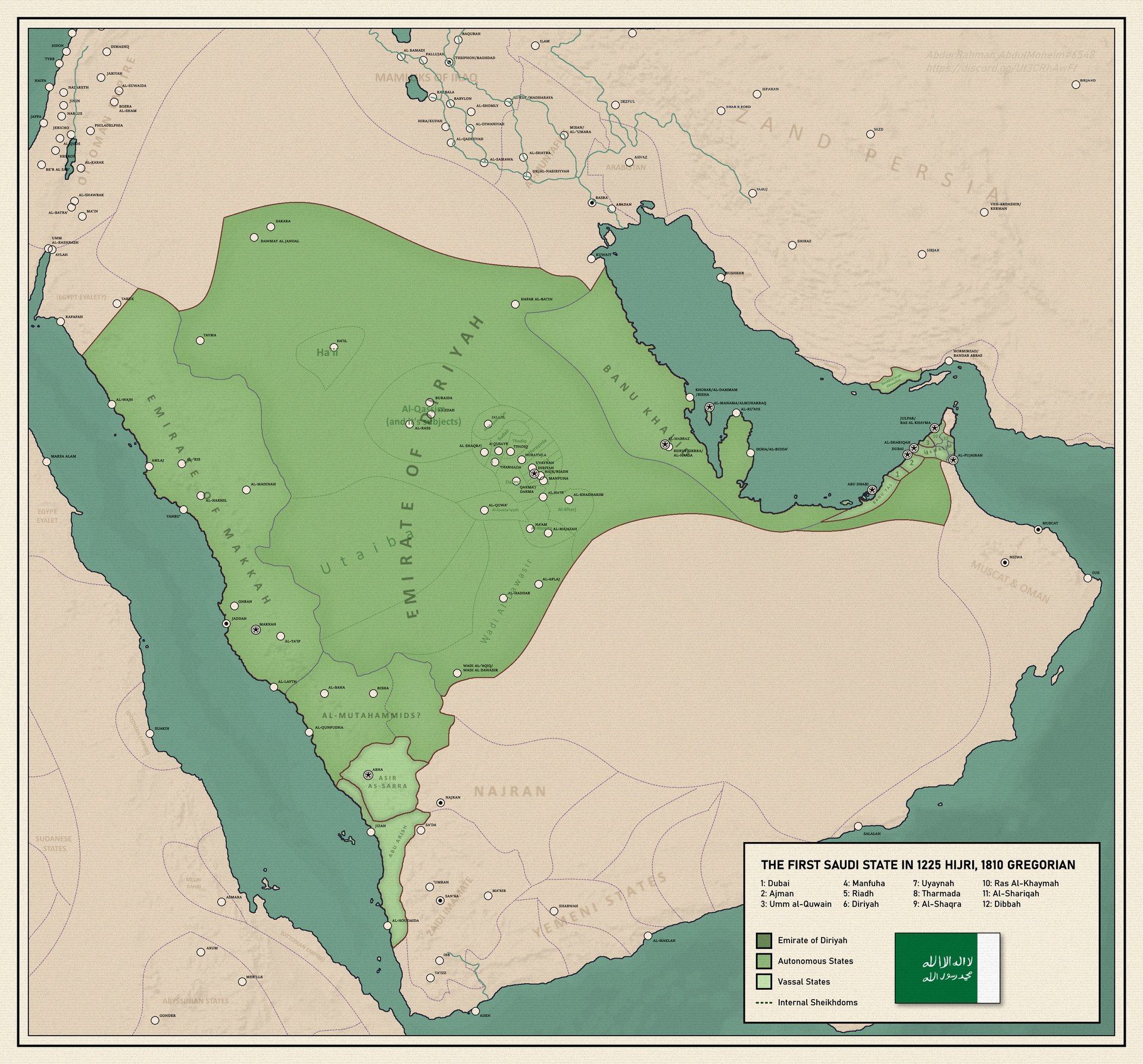
Centuries later the House of Saud, allied with a religious reform movement, set out to unite the peninsula's tribes. After earlier states rose and fell, Abdulaziz Ibn Saud reconquered the heartland in the early twentieth century, and the modern Kingdom of Saudi Arabia was proclaimed in 1932.
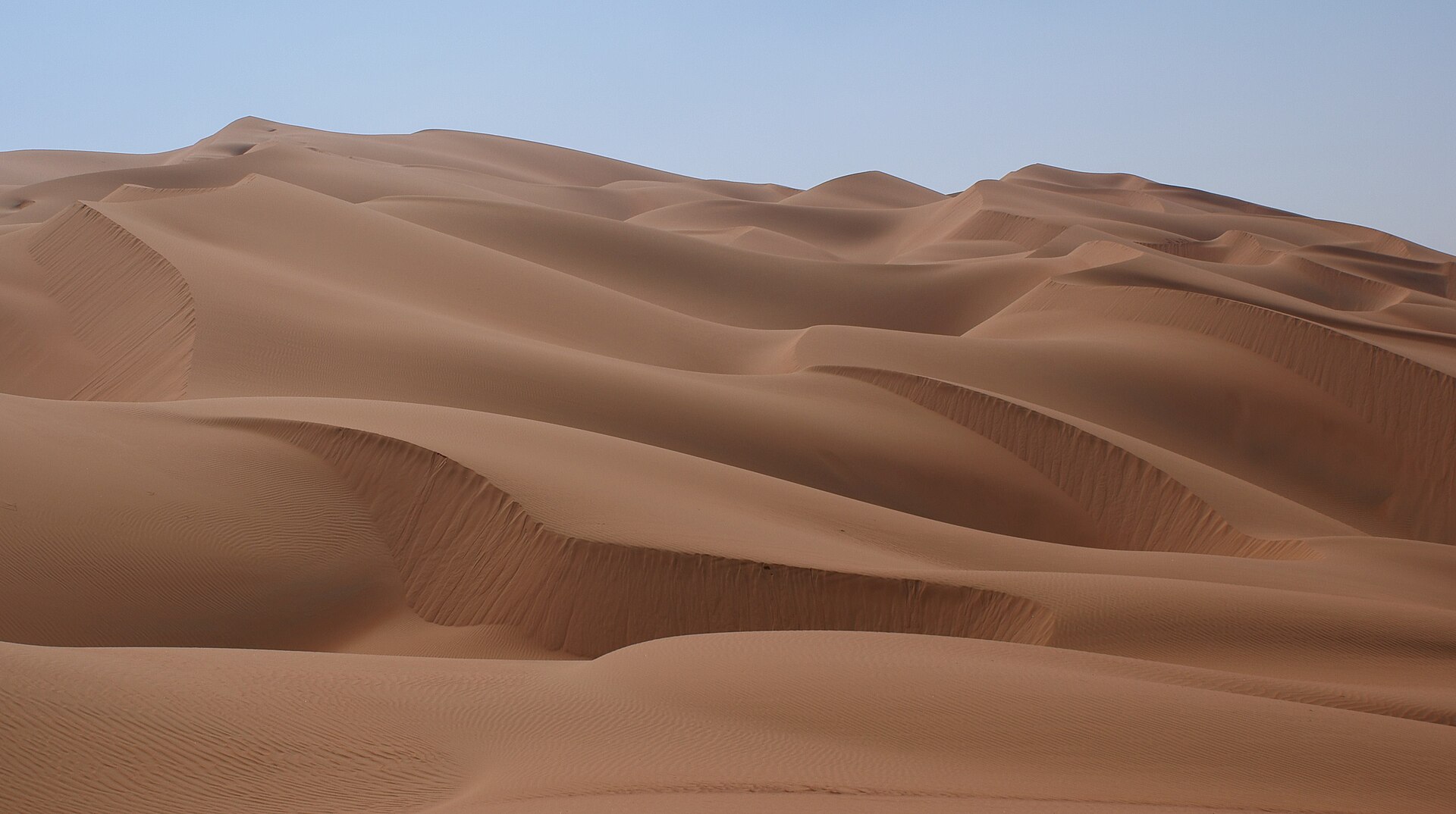
Saudi Arabia is overwhelmingly desert, including the Rub al Khali, or Empty Quarter, the largest continuous sand desert on Earth. There are no permanent rivers. Mountains run down the western edge along the Red Sea, and oases and, increasingly, irrigation make patches of the land habitable and farmable. The harsh climate, with extreme heat and scarce water, has shaped a society historically built around oases, trade routes, and nomadic herding.
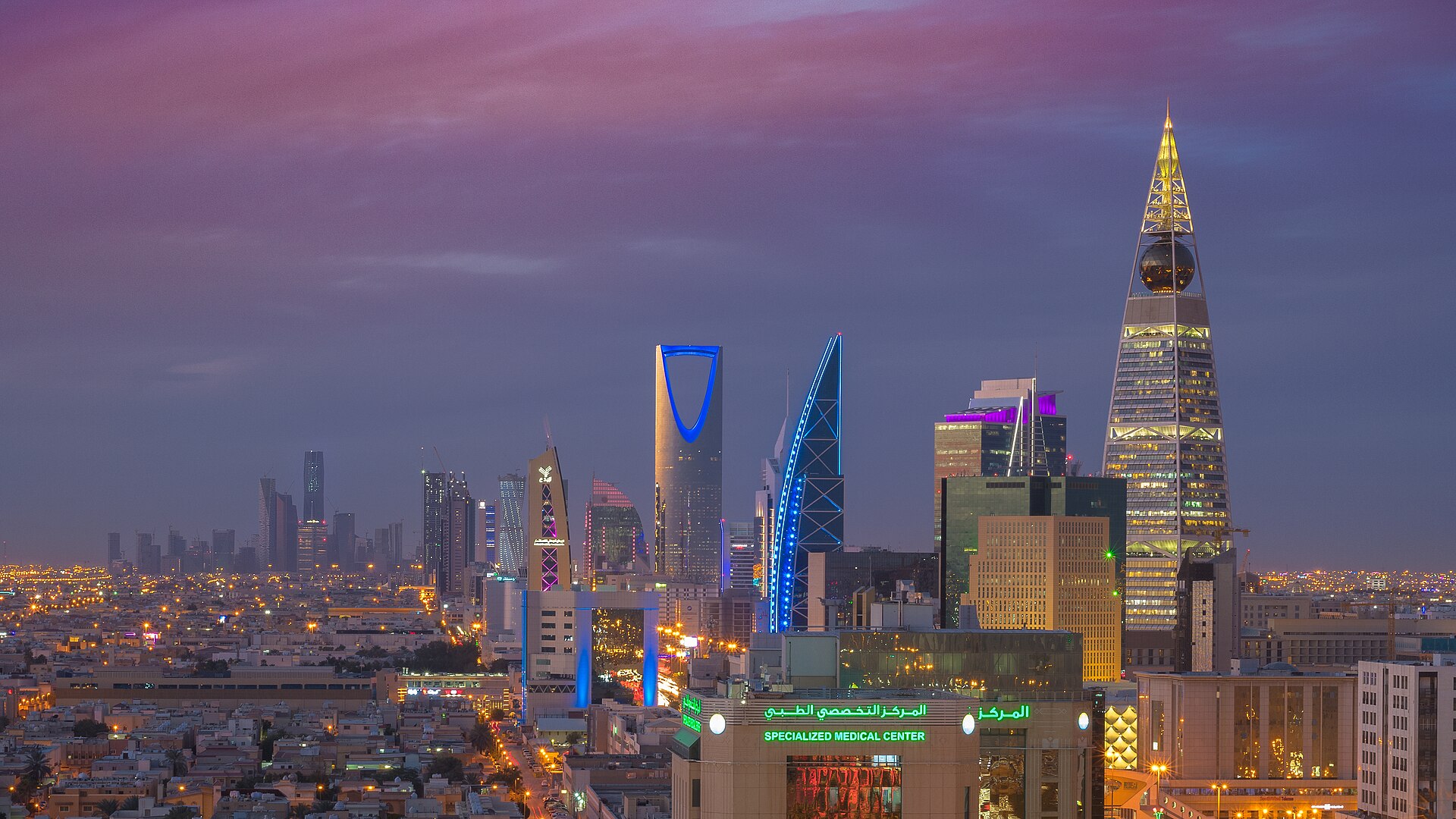
Saudi Arabia is an absolute monarchy ruled by the House of Saud, with no elected national legislature and a legal system based on Islamic law. The king is both head of state and head of government, and the Basic Law affirms the Quran as the country's constitution. In recent years power has been concentrated under a young crown prince driving an ambitious programme of change, and the kingdom uses its oil wealth and its guardianship of Islam's holiest sites to wield considerable influence across the region and the world.
Saudi Arabia sits on some of the largest oil reserves in the world, and petroleum has made it one of the wealthiest states in the region and a decisive voice in global energy through its leading role in OPEC. The state oil company is among the most valuable in the world. Aware of the risks of depending on a single resource, the kingdom has launched a sweeping plan, known as Vision 2030, to diversify into tourism, technology, and entertainment and to build vast new cities.
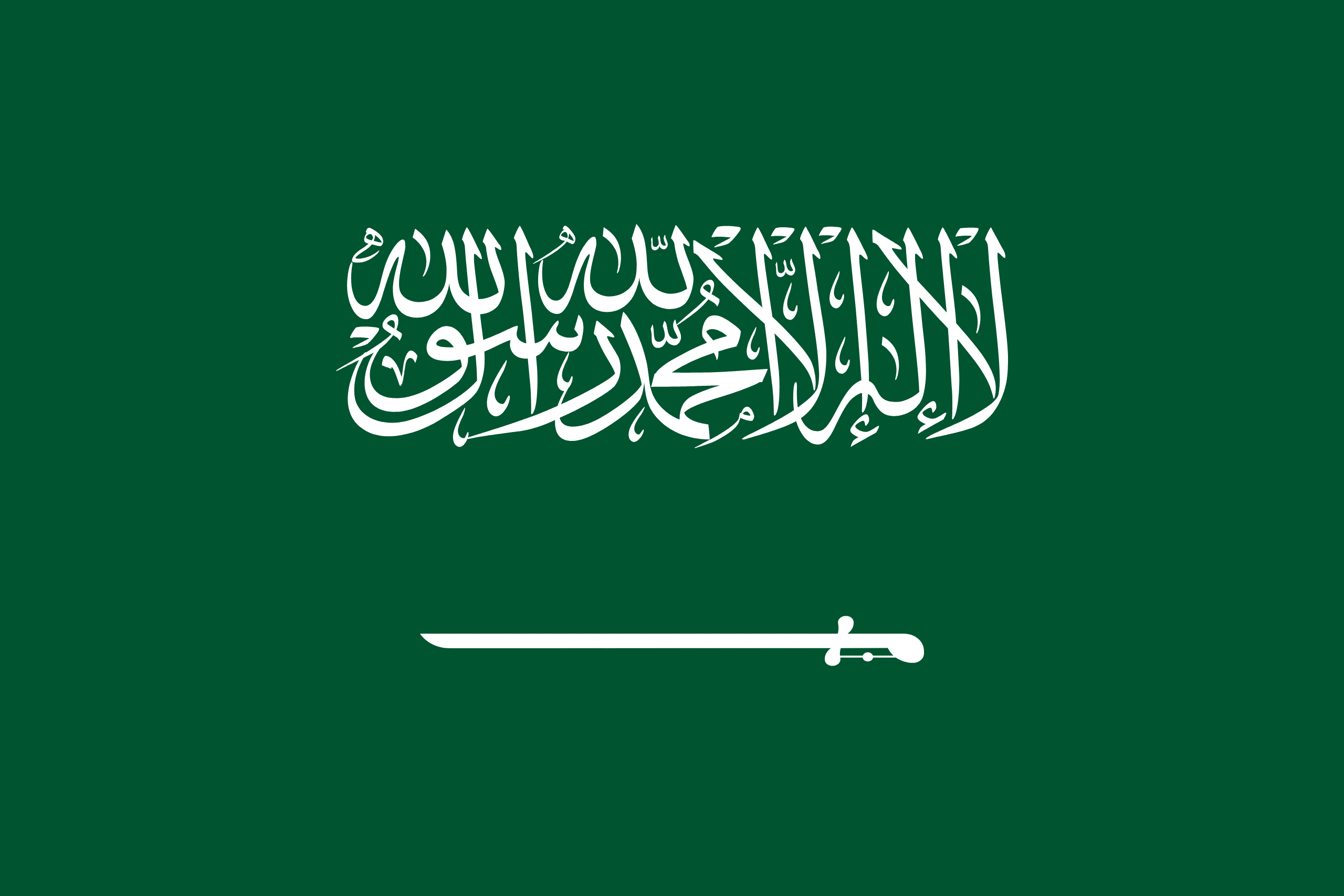
The flag of Saudi Arabia is a green field bearing, in white Arabic script, the Islamic declaration of faith, the Shahada, above a horizontal sword. Green is traditionally associated with Islam, and the creed proclaims that there is no god but God and Muhammad is his messenger. Because the flag carries this sacred text, it is never lowered to half-mast and is treated with special reverence.
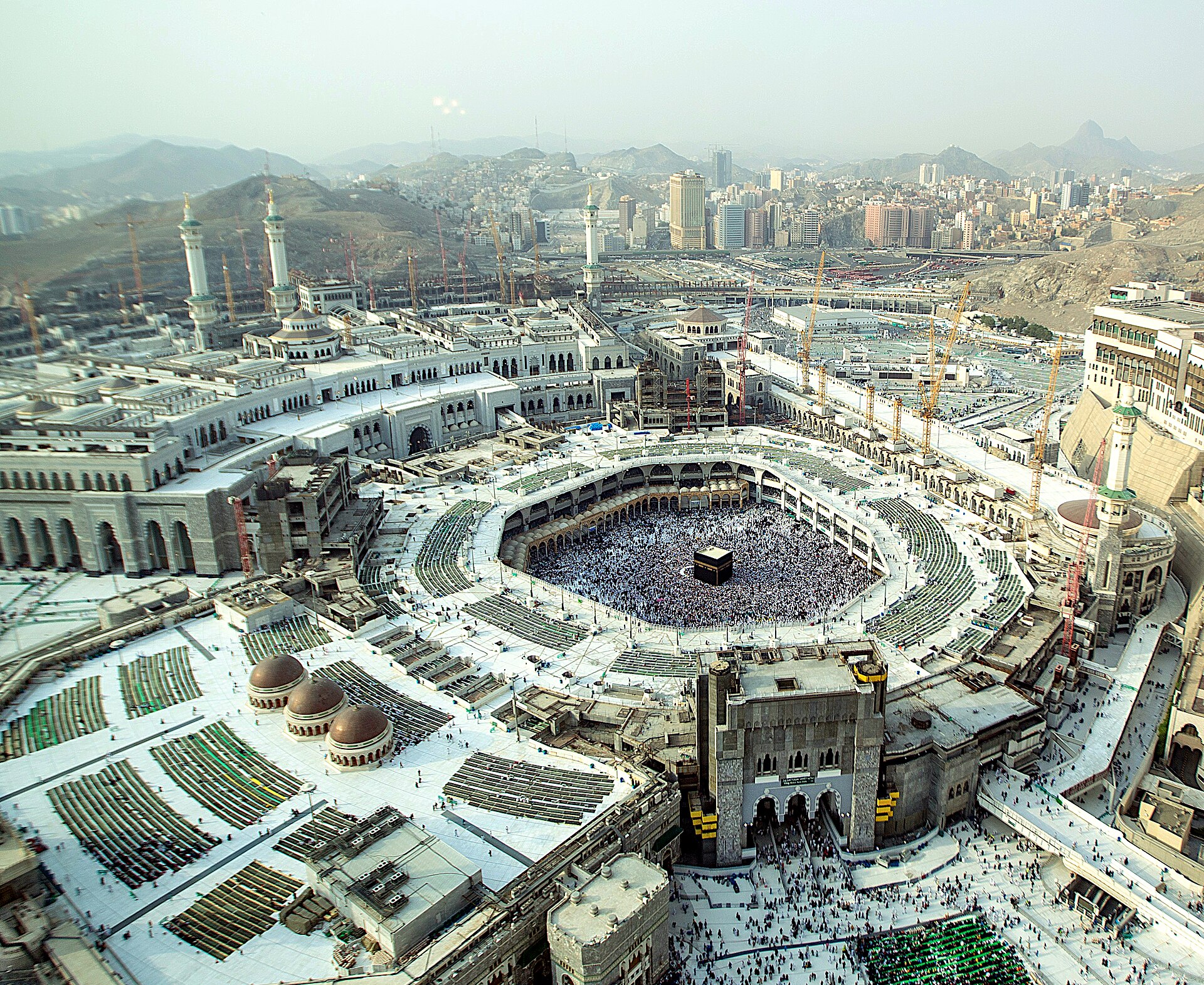
Saudi Arabia is the heartland of Islam and one of the most religiously defined states in the world. Virtually all citizens are Muslims, and Islamic law and custom shape public life. Mecca, the birthplace of the Prophet and the direction toward which Muslims everywhere pray, and Medina are the faith's holiest cities, closed to non-Muslims. Each year the Hajj pilgrimage to Mecca, a duty for able Muslims, brings millions of people from around the world.
Saudi cuisine reflects the traditions of the Arabian Peninsula and the wider Arab world. The national dish, kabsa, is a fragrant platter of spiced rice cooked with meat, often lamb or chicken. Dates, long a staple of desert life, are eaten daily and offered to guests, and Arabic coffee, lightly spiced with cardamom, is central to hospitality. Grilled meats, flatbreads, and rich, communal meals reflect a strong culture of generosity toward guests.
Farming in Saudi Arabia is a struggle against the desert, made possible only by irrigation drawing on limited and largely non-renewable groundwater. Despite this, the country produces dates in abundance, of which it is a leading global grower, along with wheat, vegetables, and dairy from large modern farms. Because so little land can be cultivated, Saudi Arabia imports most of its food and has invested in farmland abroad to help secure its supply.
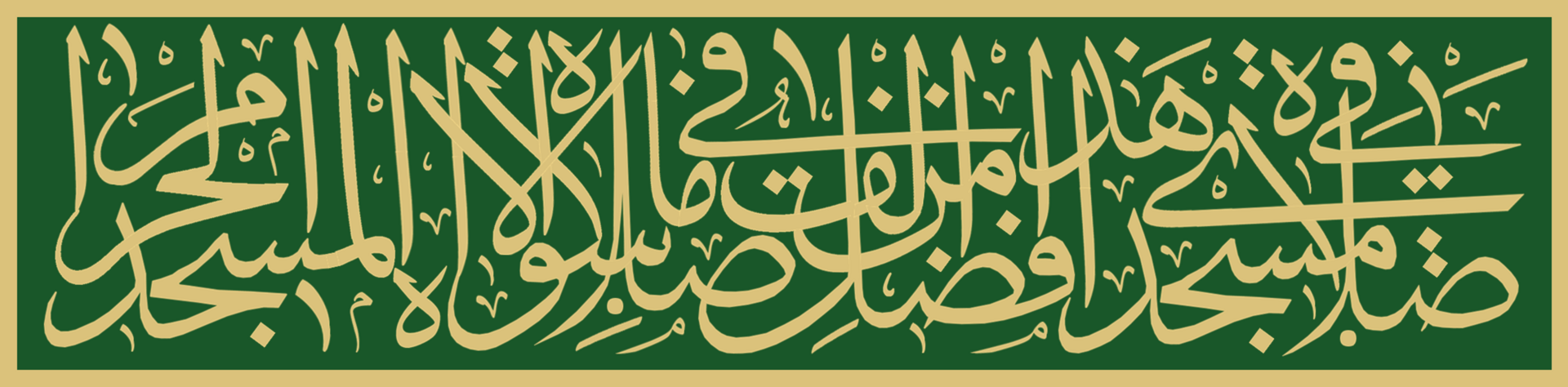
Saudi culture is rooted in the traditions of Arabia and the central place of Islam, expressed in Arabic poetry, calligraphy, communal feasts, and a strong ethic of hospitality and family. As guardian of Mecca and Medina, the kingdom holds a unique standing in the Muslim world. Society has long been conservative and segregated by gender, but it is changing quickly: recent years have brought cinemas, concerts, and sporting events, and reforms such as allowing women to drive, part of a deliberate effort to open public life.
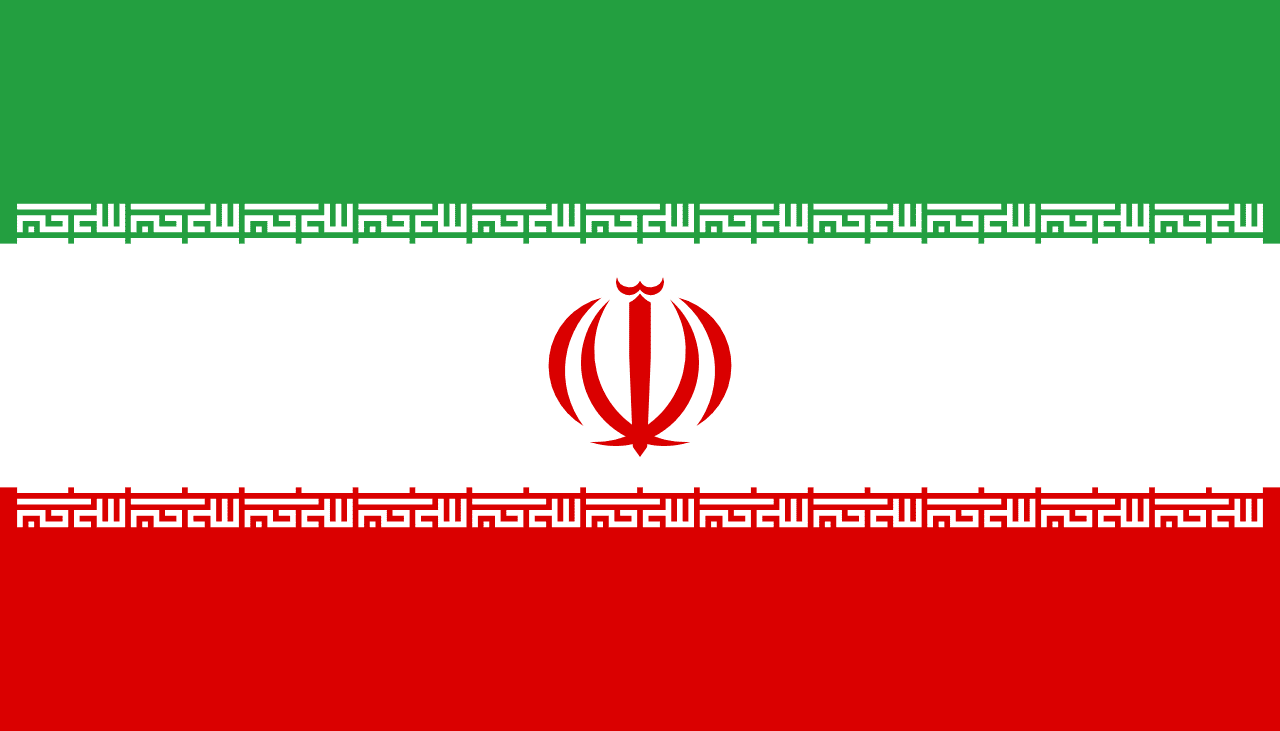
Saudi Arabia's rapid transformation is closely watched and sharply debated. Supporters see Vision 2030 and its social reforms as a historic opening; critics point to restrictions on political freedom, the treatment of dissidents, and the kingdom's human rights record. Its assertive foreign policy, including its role in the war in neighbouring Yemen and its rivalry with Iran, makes it a central and contested actor in the politics of the Middle East.
The founding of Islam in the seventh century reshaped world history and remains Saudi Arabia's defining legacy. The unification of the modern kingdom in 1932 was followed within a few years by the discovery of vast oil reserves, which transformed a poor desert society into one of the world's wealthiest states almost overnight. In recent years the country has launched ambitious plans to modernise its economy and society and reduce its dependence on oil.
Saudi Arabia has a population of around 36 million, of whom a large share are foreign workers drawn by the oil economy from across Asia, Africa, and the Arab world. The citizen population is overwhelmingly Arab and Muslim, young, and highly urban, concentrated in cities such as the capital Riyadh and the Red Sea port of Jeddah. Oil wealth has funded rapid development, and the society is undergoing significant social change.