Syria is a country in the Middle East, on the eastern shore of the Mediterranean Sea, with a history reaching back to the dawn of civilisation. Its capital, Damascus, is among the oldest continuously inhabited cities in the world. Once the heart of great empires and a crossroads of trade and faith, Syria endured a long and devastating civil war from 2011, and in December 2024 the decades-long rule of the Assad family fell, opening an uncertain new chapter for the country.
The land of Syria holds some of humanity's earliest cities and kingdoms and stood for millennia at a crossroads of empires. From ancient Ebla and Mari, through Phoenician, Persian, Greek, and Roman rule, to the founding of a great Islamic empire at Damascus, its story is among the longest of any country on Earth.
Some of the world's first cities and archives arose on Syrian soil, at Ebla, Mari, and Ugarit, the last credited with an early alphabet. Later the Aramaeans spread their language across the region, a tongue that would become the common speech of the ancient Near East. These early states left rich art, trade networks, and written records.
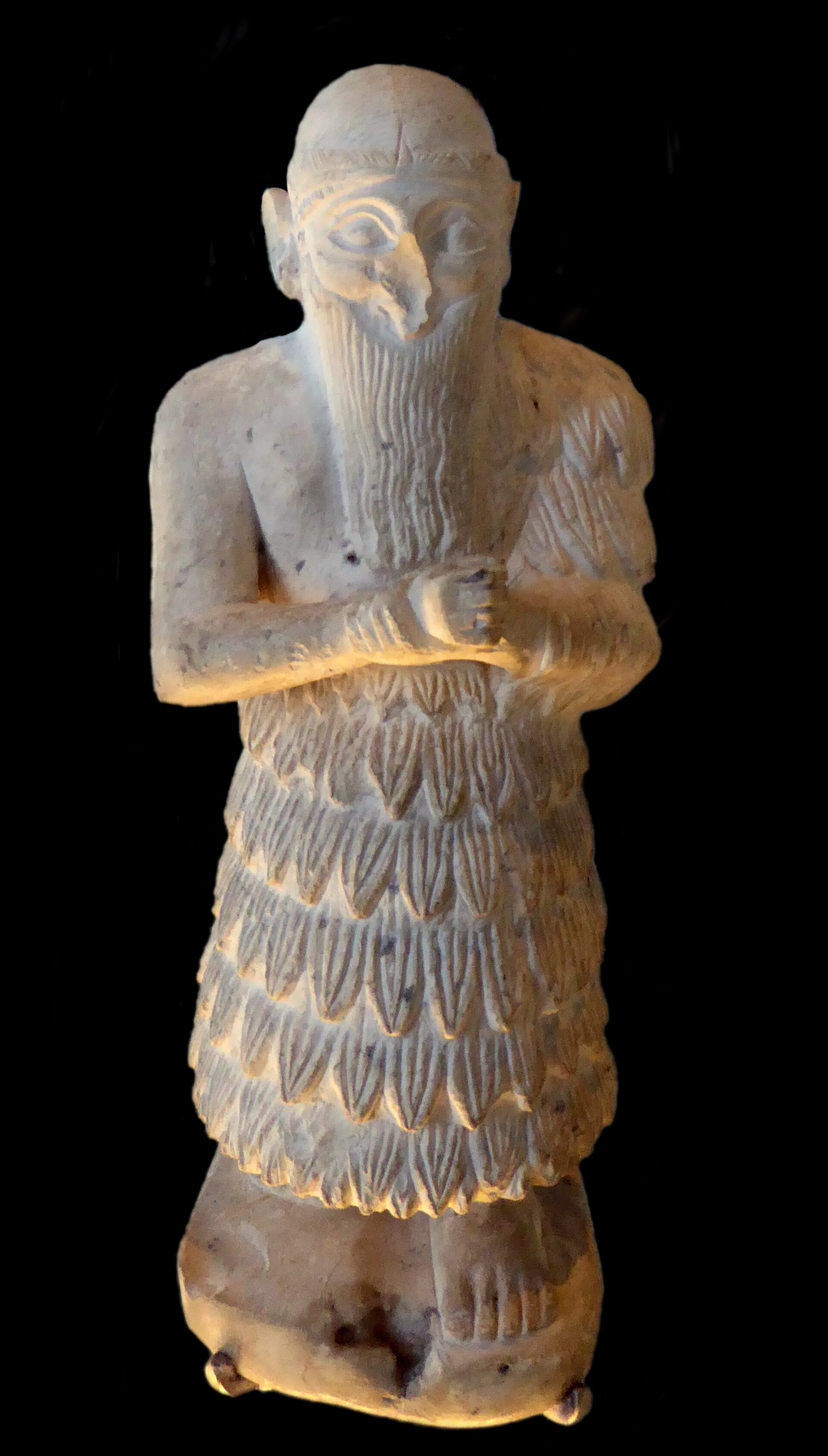
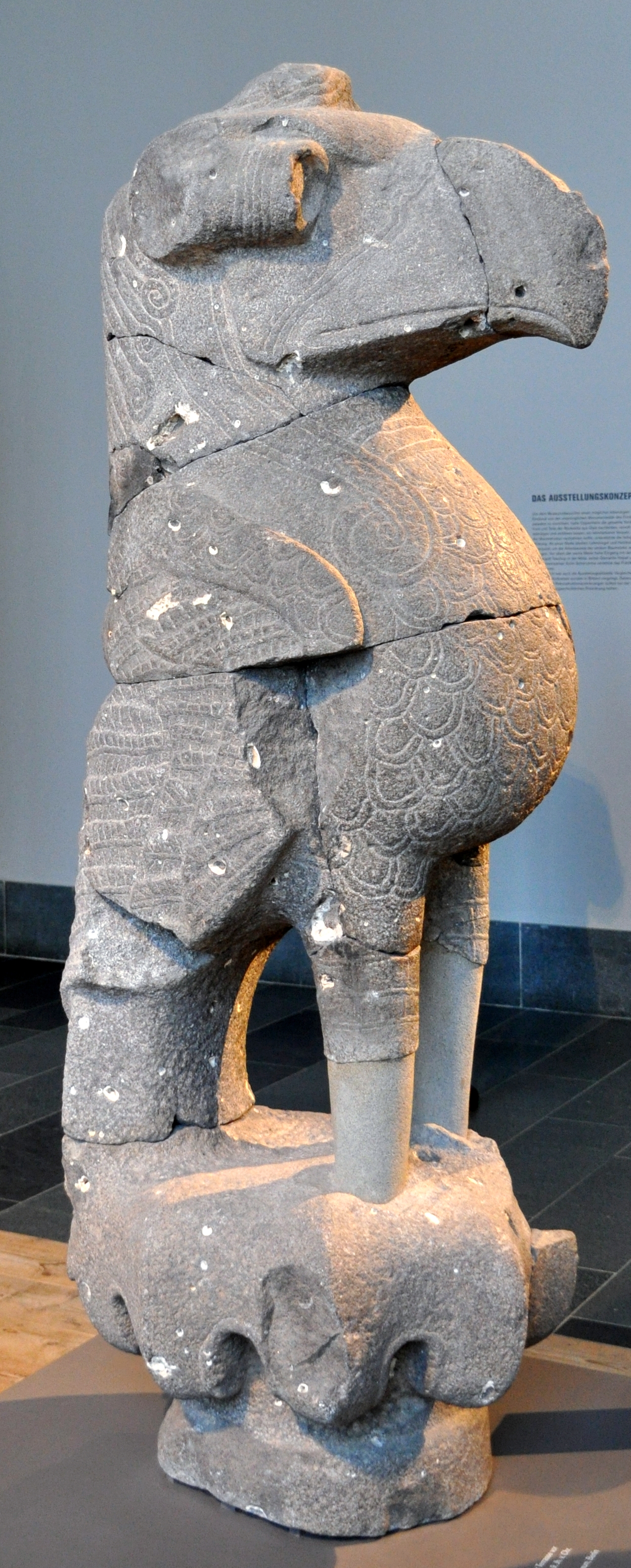

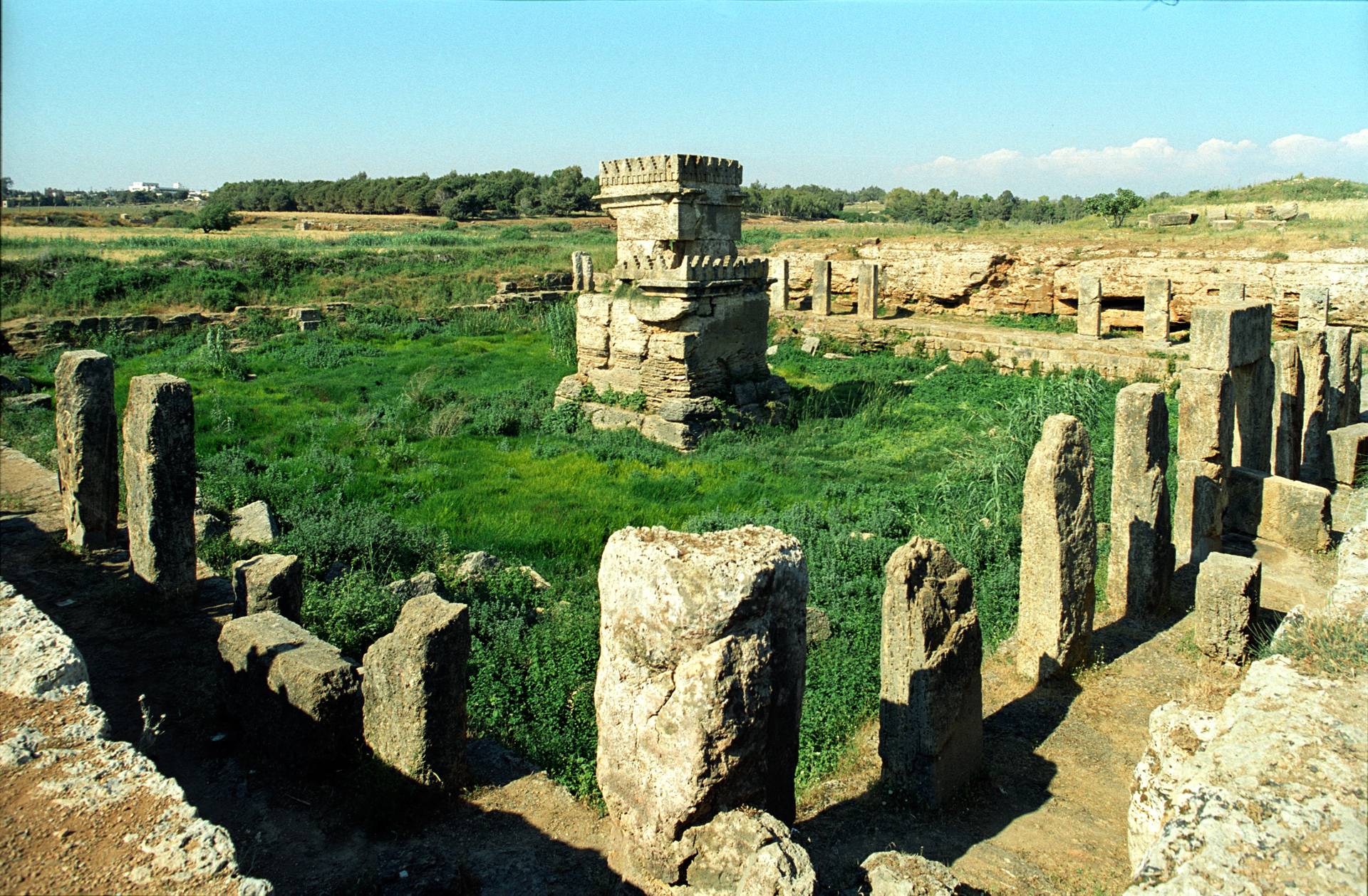
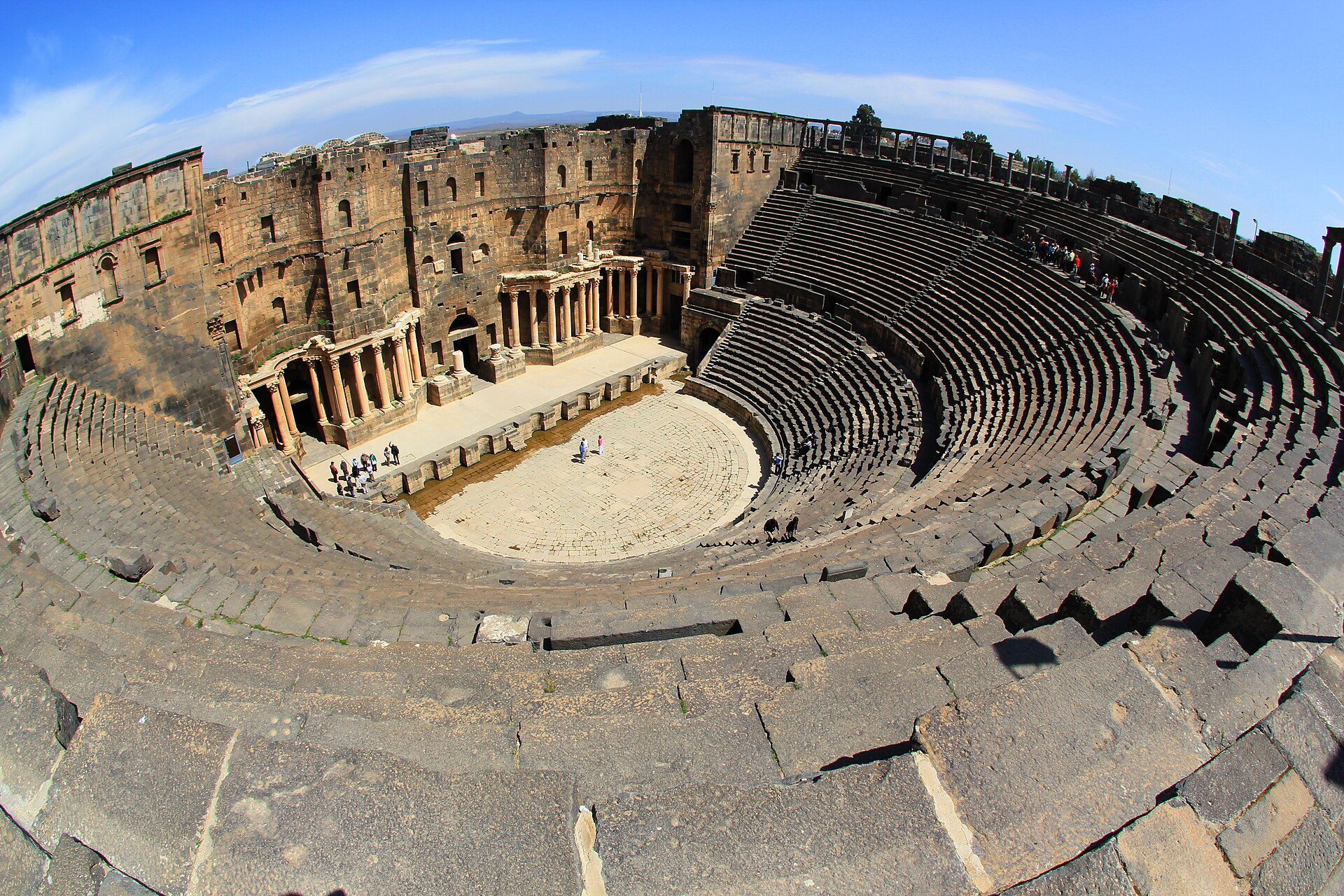
Along the Mediterranean shore, Phoenician and related peoples built seafaring trading towns, while inland the region passed to the Persians, then to the Greeks who came with Alexander the Great. Under Rome, Syria became a wealthy province, and desert caravan cities grew rich on the trade between the empire and the East.
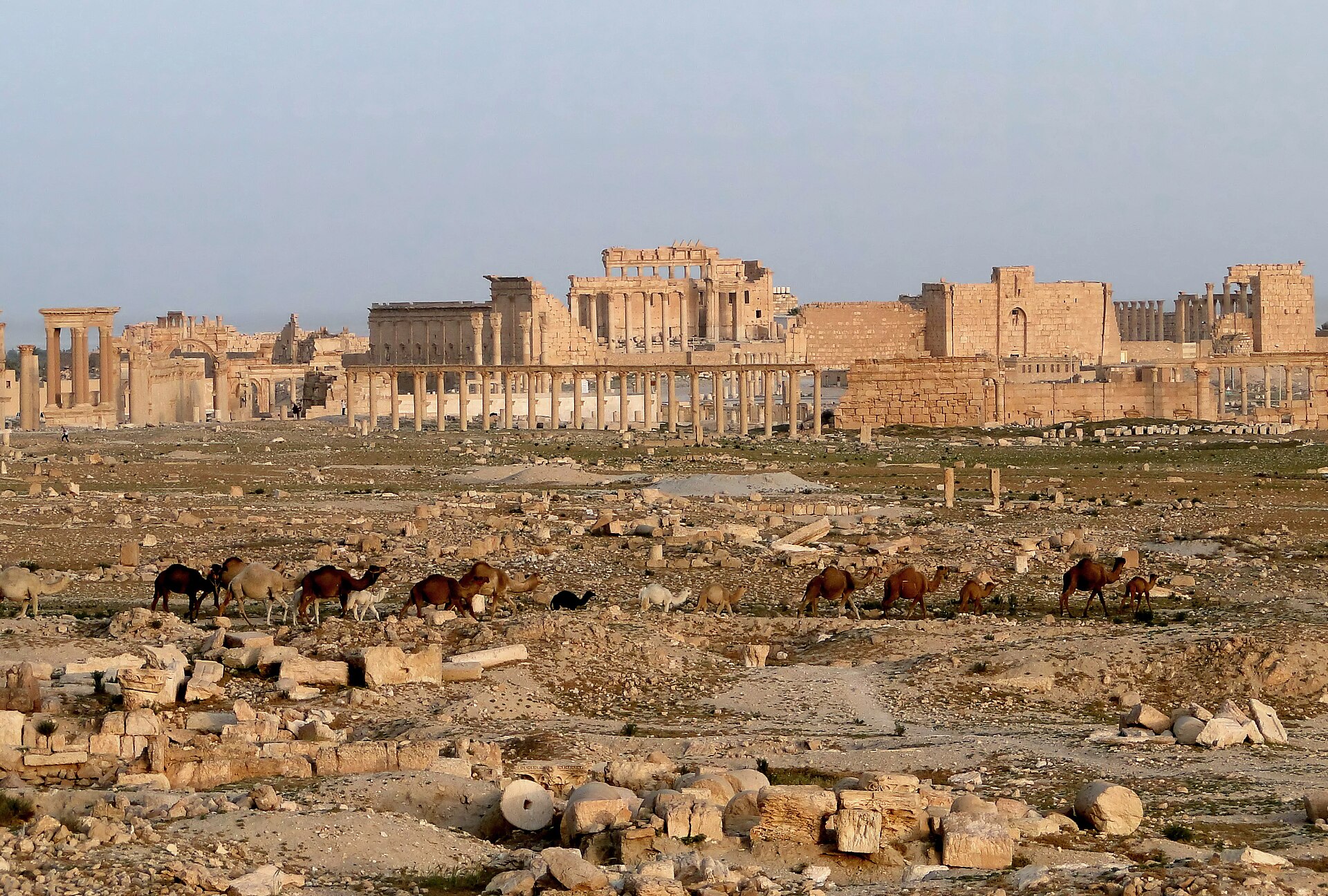
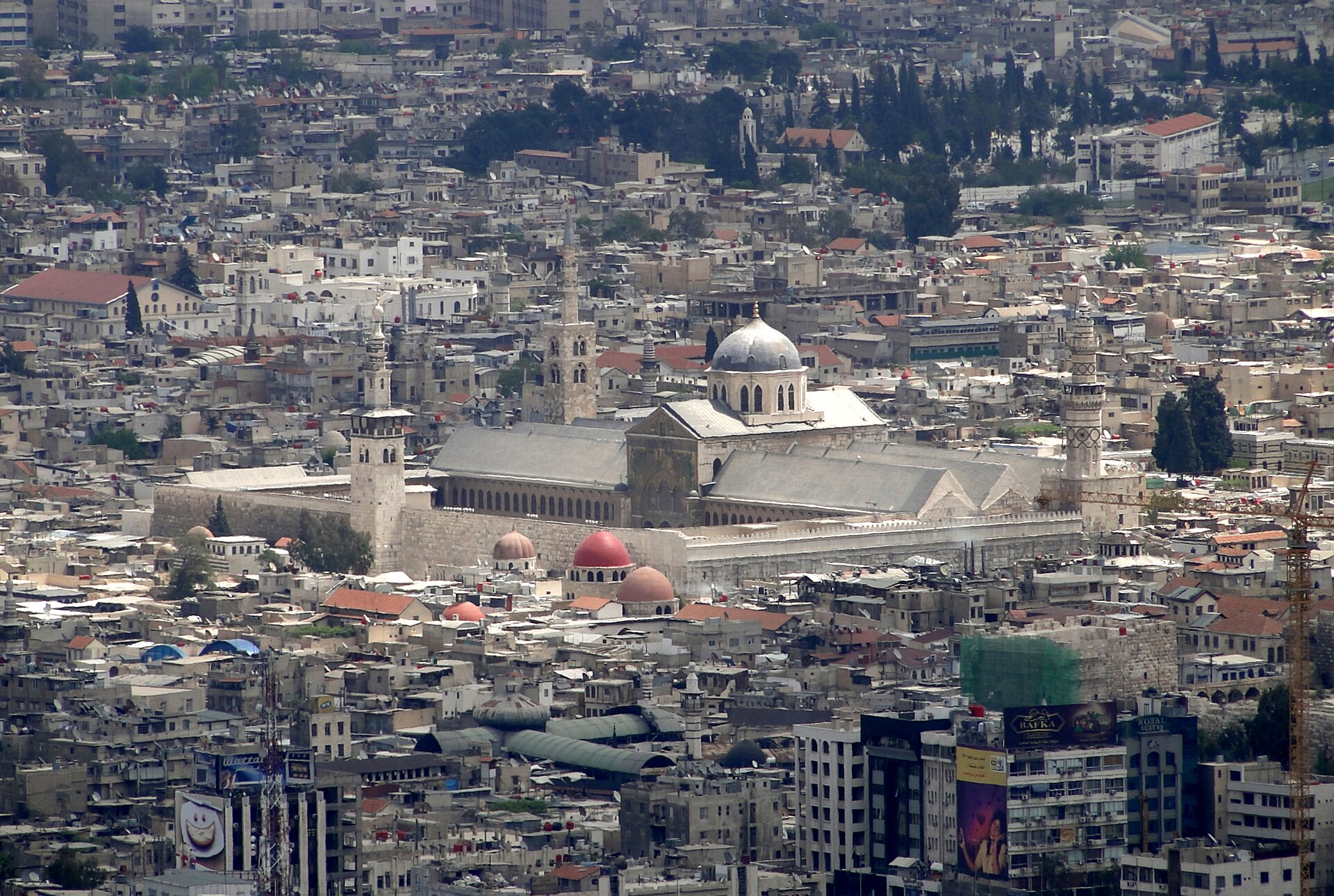
The Arab conquest of the seventh century brought Islam, and in 661 Damascus became the capital of the Umayyad Caliphate, the centre of an empire that stretched from Spain to Central Asia. Though the capital later moved to Baghdad, Syria remained a heartland of Islamic civilisation.
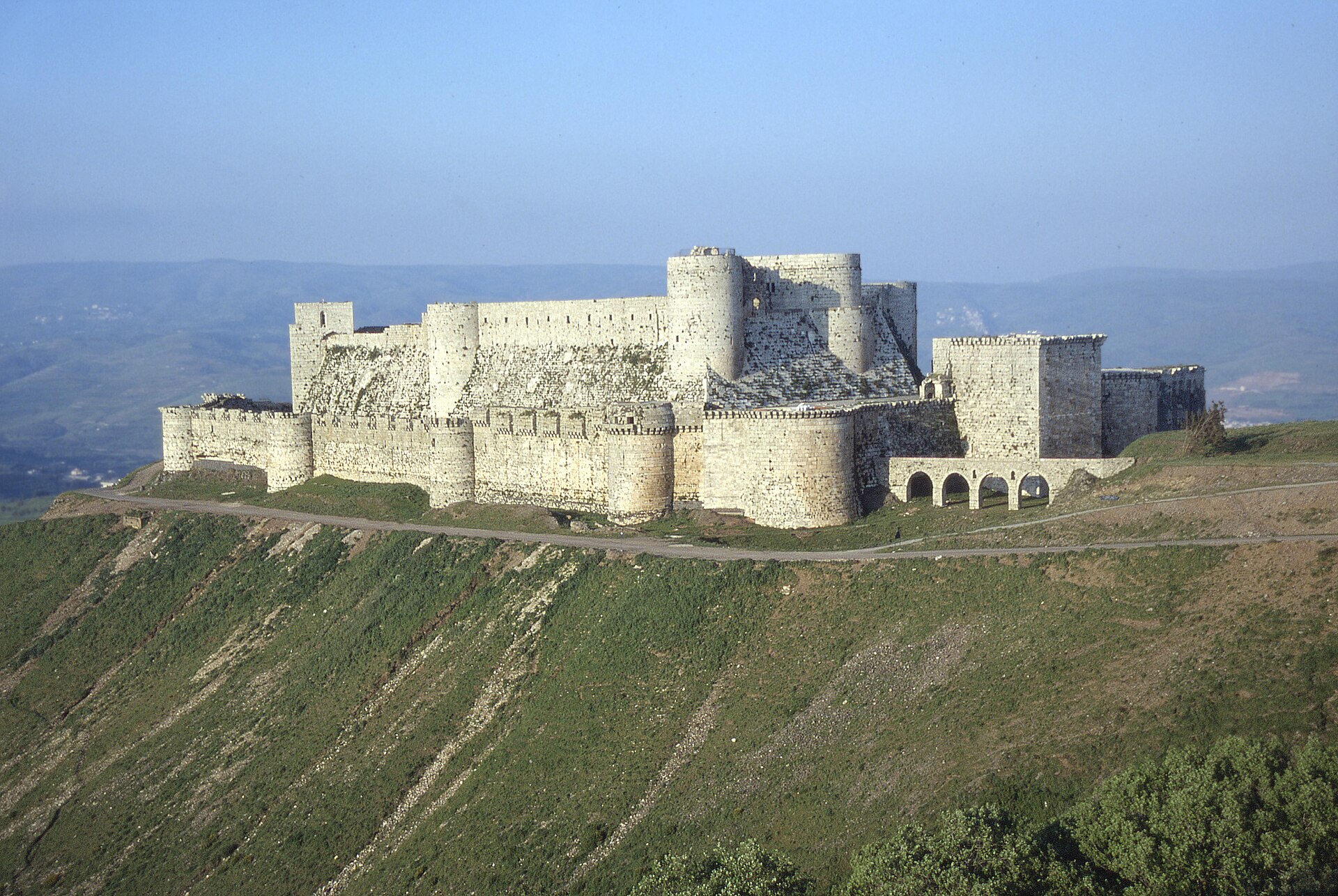
In the Middle Ages Syria was fought over during the Crusades, leaving mighty castles across the land, before falling to a succession of Muslim dynasties and, from the sixteenth century, four centuries of Ottoman rule. After the First World War it came under French control, and modern Syria gained full independence in 1946.
Syria runs from a fertile Mediterranean coastline, backed by mountains, eastward across plains and the valley of the Euphrates River to the steppe and desert of the interior. The coastal strip and the river valleys have long supported farming and dense settlement, while much of the east and south is arid. This mix of sea, mountain, river, and desert has shaped a land of ancient cities, trade routes, and agricultural heartlands.
For more than half a century Syria was ruled by the Assad family, first Hafez al-Assad from 1970 and then his son Bashar, under a tightly controlled one-party state. In December 2024, after nearly fourteen years of civil war, a swift opposition offensive captured Damascus and brought that rule to an end, with Bashar al-Assad fleeing the country. A transitional administration was formed under Ahmed al-Sharaa, who became president in early 2025, and a provisional constitution set out a five-year period of transition intended to lead toward a new permanent settlement. The shape of Syria's future government, and how power will be shared among its communities, remains among the country's central questions.
Years of war left Syria's economy shattered, with much of its industry, housing, and infrastructure destroyed and a large part of the population pushed into poverty. Before the conflict the country produced modest amounts of oil and was largely self-sufficient in food, but fighting, sanctions, and the loss of the eastern oilfields to other forces hollowed out national income. Rebuilding is a vast undertaking, and the lifting of some international sanctions after 2024 has raised hopes of recovery, reconstruction, and the return of trade.

Following the fall of the Assad government in 2024, Syria adopted the flag long carried by the opposition, a banner that also recalls the country's first independence flag. It has three horizontal bands of green, white, and black, with three red stars on the central white band. As with the flags of many Arab nations, the colours evoke a shared heritage of past glories, sacrifice, and hope, and the change of national flag marked the opening of a new era.
Syria is a religiously diverse country, with a Sunni Muslim majority alongside significant communities of Alawites, Druze, and various Christian churches whose roots reach back to the earliest centuries of Christianity. Damascus and other ancient cities hold sites sacred to more than one faith. This long mosaic of religions has been a notable feature of Syrian society, though it has come under severe strain during the years of war.
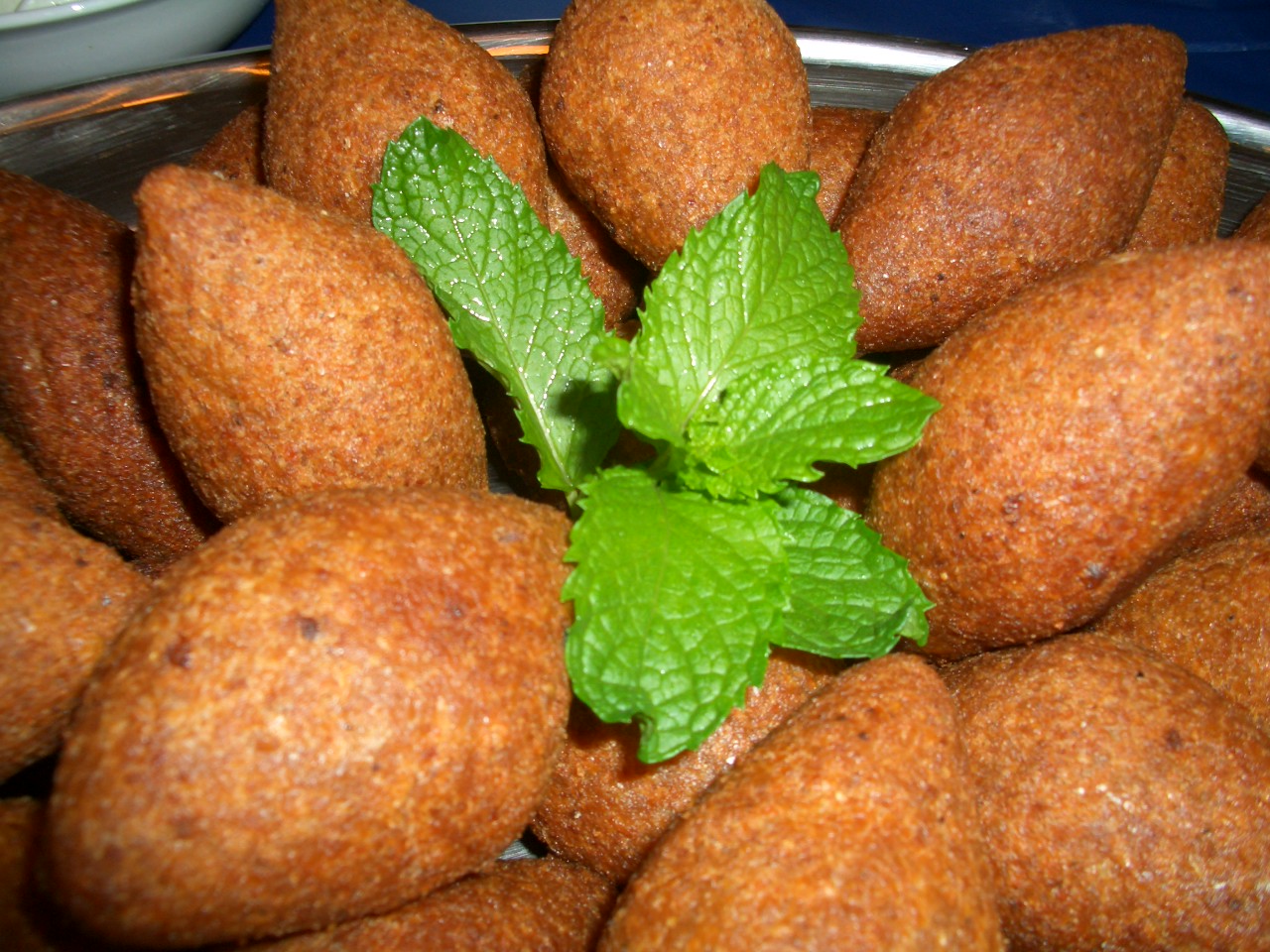
Syrian cuisine is a celebrated expression of the wider tradition of the Levant. Mezze, a spread of many small dishes, opens a meal, featuring favourites such as hummus, the chickpea dip, baba ghanoush, stuffed vine leaves, and kibbeh, a dish of bulgur and minced meat regarded as a national speciality. Grilled meats, flatbread, olive oil, and fresh herbs are central, and Syrian sweets and pastries are renowned across the region.
Syria's farmland, concentrated along the coast, the rivers, and the wetter north, has long made the country a significant agricultural producer in the region. Its principal crops include wheat and barley, cotton, olives, and a wide range of fruits and vegetables. The Euphrates and irrigation sustain farming in the drier interior. The civil war severely disrupted this sector, damaging fields, infrastructure, and the rural communities that depend on the land.
Syrian culture is one of the oldest and richest in the region, expressed in poetry, music, fine craftsmanship, and the bustling life of its ancient bazaars. Society is built on strong bonds of family and community and knit together, historically, from many religions and ethnic groups living side by side. The war scattered much of the population and strained these ties, and the culture now lives as much in the diaspora abroad as in the historic cities of home.
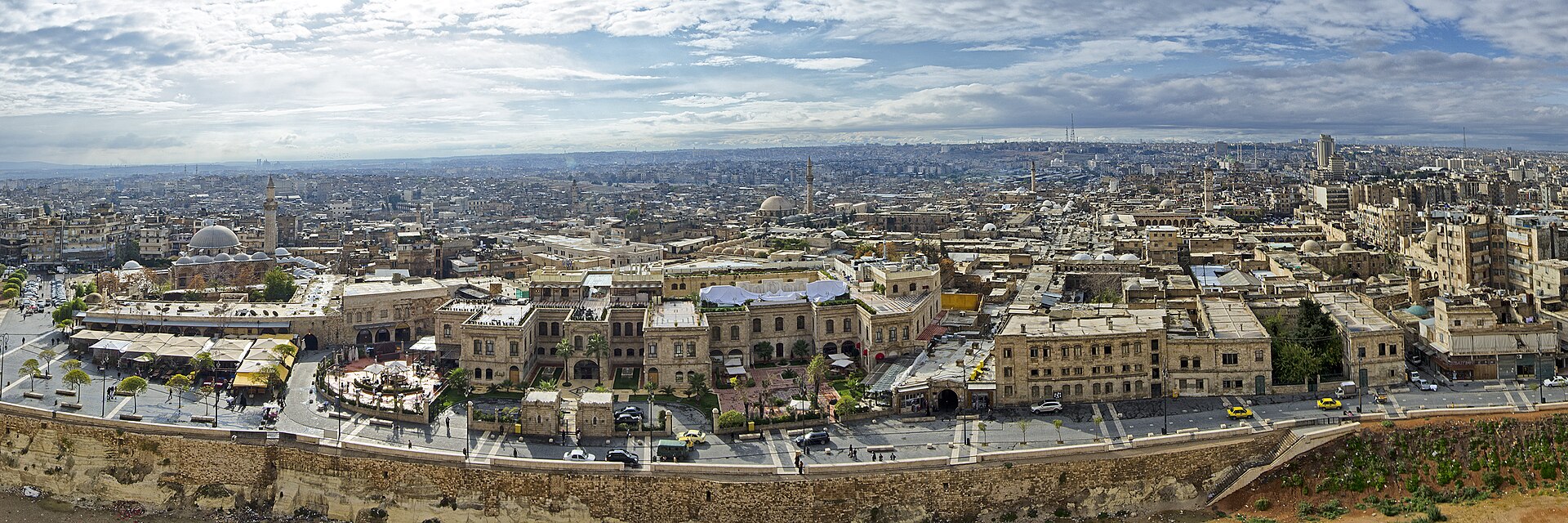
Syria stands at a fragile turning point. The civil war that began in 2011 drew in many factions and foreign powers, caused immense loss of life, and forced millions to flee, before the fall of the Assad government in December 2024 brought half a century of family rule to an end. The country now faces the hard work of transition: rebuilding shattered cities, drafting a new constitution, and reconciling communities after years of conflict. How the new authorities will treat Syria's many religious and ethnic groups, whether long-displaced refugees will return, and how areas held by other forces, including the Kurdish-led northeast, will fit into the country all remain open and closely watched questions.
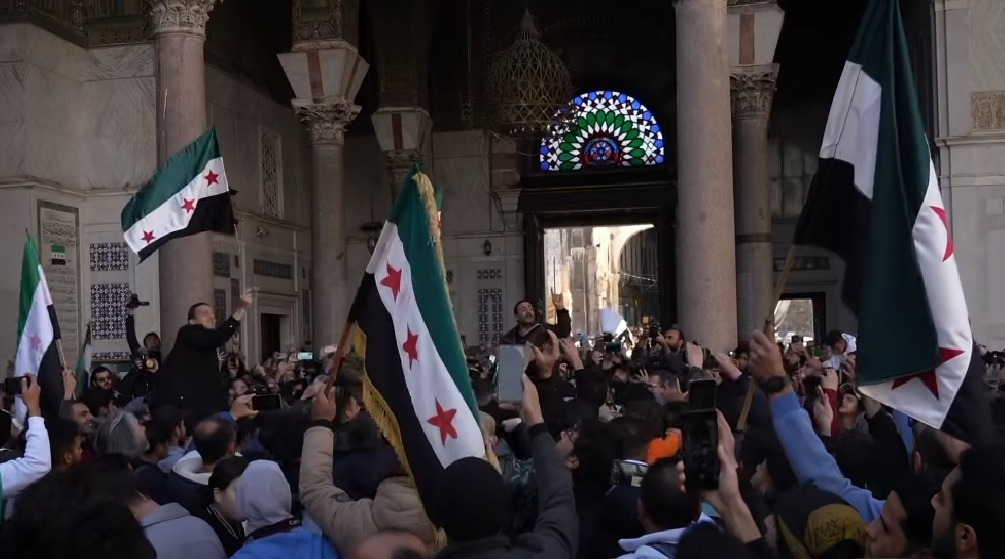
Syria's ancient cities and its role as the seat of the Umayyad Caliphate place it at the centre of Middle Eastern and Islamic history. In modern times, the country gained independence from French rule in 1946 and later came under the long rule of the Assad family. In 2011 protests grew into a devastating civil war involving many factions and foreign powers, and in December 2024 a rapid opposition offensive toppled the government, ending that era and beginning a difficult transition.
Syria's population, once around 22 million, was profoundly disrupted by years of war, with millions displaced inside the country and millions more living as refugees abroad, in one of the largest displacement crises of modern times. Since the change of government in 2024 some have begun to return. The people are predominantly Arab, with Kurdish, Armenian, and other minorities, and they span the country's many religious communities. The capital, Damascus, and the northern city of Aleppo are its historic urban centres.